
 Save
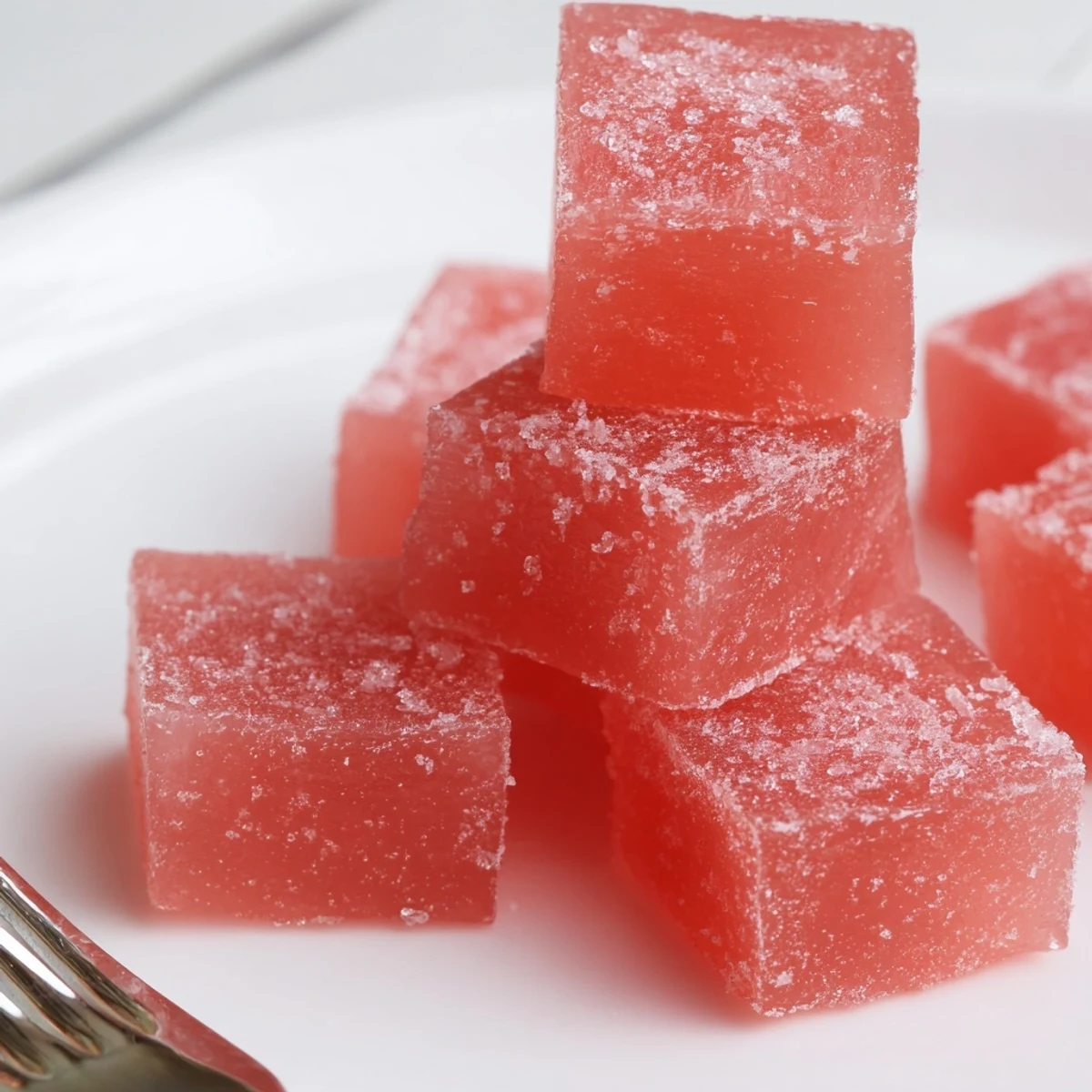
Save Blend seedless watermelon with lemon and corn syrup, then sprinkle in gelatin to bloom. Warm with sugar until dissolved and pour into a lined 8x8 pan. Cool, refrigerate until set, then cut into squares and toss in a sugar-citric coating for a tangy finish. Store in an airtight container with wax paper between layers.
The first time I tasted a batch of homemade sour watermelon fruit chews, I was immediately transported by their intense tang and a punch of real watermelon flavor that no store-bought candy could touch. The kitchen filled with the sweet aroma as I pureed bright red watermelon, its freshness promising something delightful. My hands were sticky, and the anticipation grew as the gelatin melted in with gentle heat. Making candy always feels a little like magic, especially when the whole process turns childhood flavors into something you can share.
One summer, while prepping snacks for a movie night with friends, I decided to make a double batch of these chews, unsure if they'd even notice the effort. They noticed, all right—the entire dish disappeared within an hour, and I ended up texting out the recipe the next day. It's funny how candy brings out everyone's inner child, especially when they're a little sticky and covered in sugar.
Ingredients
- Seedless Watermelon: Use the ripest watermelon you can find—it gives both color and natural sweetness. Strain it so your chews have a smooth texture.
- Lemon Juice: Adds brightness and helps balance all the sweetness; fresh juice tastes best here.
- Light Corn Syrup: Keeps the mixture smooth and prevents sugar crystals from forming, giving you that perfect chewiness.
- Unflavored Gelatin Powder: The setting power behind your candies—sprinkle it evenly to avoid lumps.
- Granulated Sugar: There's sugar in the chews and the coating, so make sure it's fine and not coarse for best results.
- Citric Acid Powder: That signature sourness comes from here! Start with less if you're wary, but don't skip it entirely.
Instructions
- Prepare Your Pan:
- Grab your 8x8 inch pan, line it with parchment, and lightly grease so nothing sticks.
- Create the Base:
- In a small saucepan, combine strained watermelon puree, corn syrup, and lemon juice, mixing gently until blended.
- Bloom the Gelatin:
- Sprinkle the gelatin evenly over your liquid mixture and let it rest 5 minutes—this ensures your chews will set perfectly.
- Dissolve and Heat:
- Add the sugar, then heat everything over medium-low, stirring slowly until both gelatin and sugar disappear into the pinkness. Don't let it boil or you'll lose some flavor.
- Set the Candy:
- Pour the warm mixture into your prepared pan, smoothing out bubbles. Let it rest at room temperature for 30 minutes, then refrigerate, uncovered, for 2 hours until firm enough to slice.
- Make the Sour Coating:
- Mix the remaining sugar and citric acid powder in a shallow bowl—give it a taste and adjust sourness to preference.
- Slice and Coat:
- With a sharp knife, cut the firm candy into squares. Roll each in the sour sugar mixture until every side is coated generously.
- Store and Enjoy:
- Transfer chews to an airtight container, separating layers with wax paper to prevent sticking. These are freshest the first week, but that's rarely a problem.
 Save
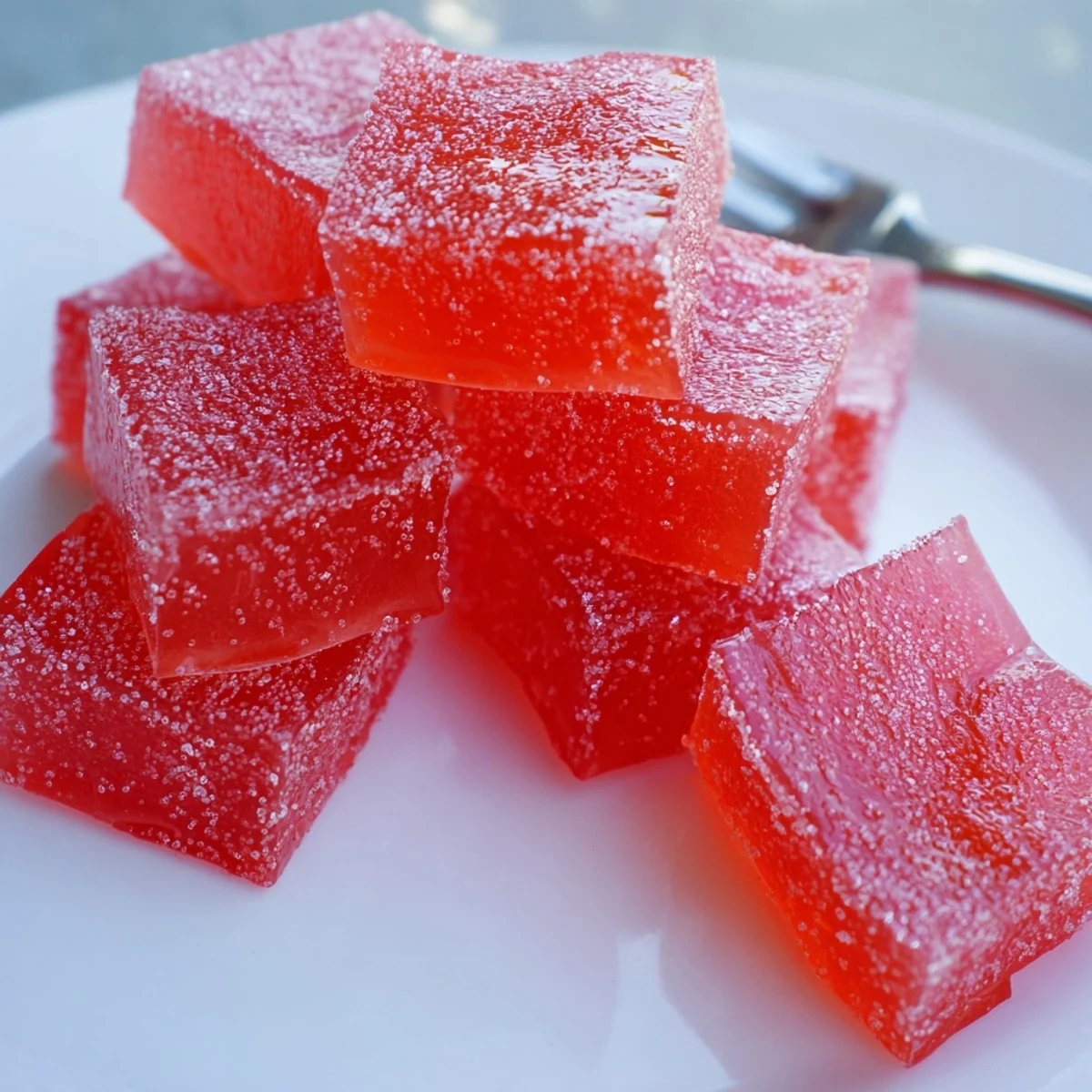
Save One particularly rainy afternoon, my niece and I covered the kitchen in sticky watermelon bits and bursts of laughter as we rolled the chews in their tangy coating. We ate them while listening to the storm, and every bite felt a little celebratory, as if summer could be conjured indoors with just a pan of homemade candy.
Finding the Perfect Tartness
Getting the sour balance right is a little art and a little science. At first, I erred on the side of too tart, then learned that tasting as you mix the citric acid into the sugar lets you control just how much pucker you want in each batch. If you like less bite, it's easy to dial back, and the chews will still sing with flavor.
Experimenting with Flavors
If you're feeling adventurous, swap out watermelon for mango, raspberry, or even kiwi puree. Each fruit brings its own color and personality—just make sure to strain out seeds and excess pulp for a smooth candy. Changing up the puree means this recipe can be your template for endless fruity sweets.
My Favorite Storage Hack
To keep the chews tender, I've found that a simple airtight container, with wax paper between layers, does the trick. Store them at room temperature and their texture stays just right for days. A small bowl on the counter is never full for long.
- Slice chews with a greased knife to avoid sticking.
- Wear food-safe gloves for mess-free coating.
- Don’t skip the cooling time—patience rewards you with the best texture!
 Save
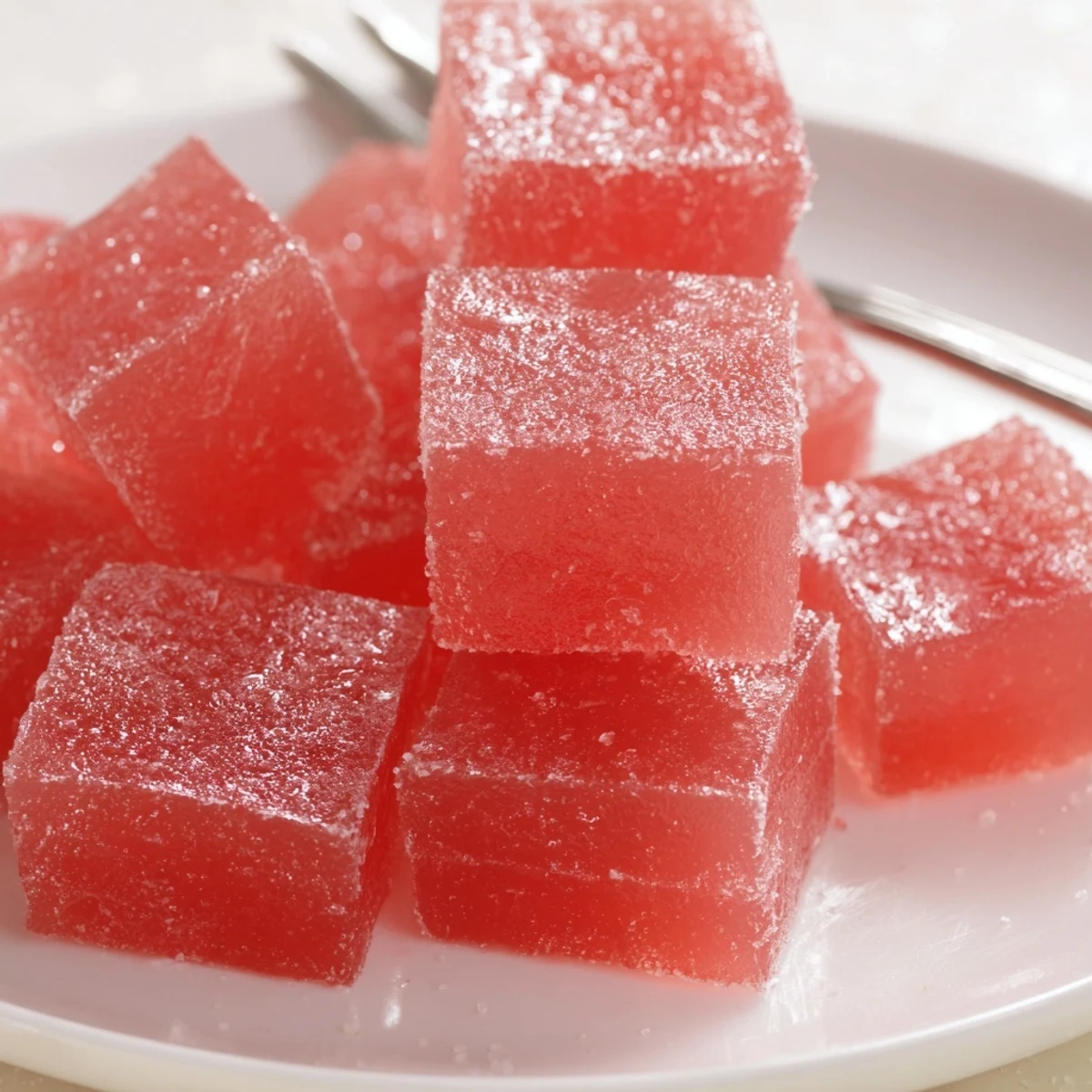
Save Sharing these homemade treats never fails to spark conversation and smiles. There's something special about biting into real fruit candy—enjoy making them your own!
Recipe FAQs
- → How can I increase the tartness?
-
Boost the citric acid in the coating a little at a time or add an extra teaspoon of lemon juice to the puree. Taste as you go—too much acid can overpower the watermelon’s sweetness.
- → Can I substitute gelatin with a plant-based gelling agent?
-
Yes, agar or pectin can be used, but textures differ: agar sets firmer and may become more brittle, and it requires boiling to activate. Start with manufacturer guidelines and expect a slightly different chew.
- → How do I achieve a smooth, fiber-free fruit base?
-
Puree thoroughly in a blender or food processor, then pass the puree through a fine mesh sieve, pressing with a spatula. This removes pulp and results in a clearer gel and cleaner texture.
- → What’s the best way to prevent the chews from sticking together?
-
Allow the gel to cool and fully set before cutting, then roll pieces in the sugar-citric mix. Store in an airtight container with wax paper or parchment between layers to keep pieces separate and maintain texture.
- → How long do they keep and where should I store them?
-
These chews are best within a week for ideal texture. Keep them in a cool, dry place in an airtight container; refrigeration can extend shelf life but may change firmness slightly.
- → Can I use other fruits instead of watermelon?
-
Yes—berry or stone fruit purees work well, but adjust sugar and acid levels to balance sweetness and tartness. Denser purees may need slight thinning with juice or corn syrup for proper gelling.