
 Save
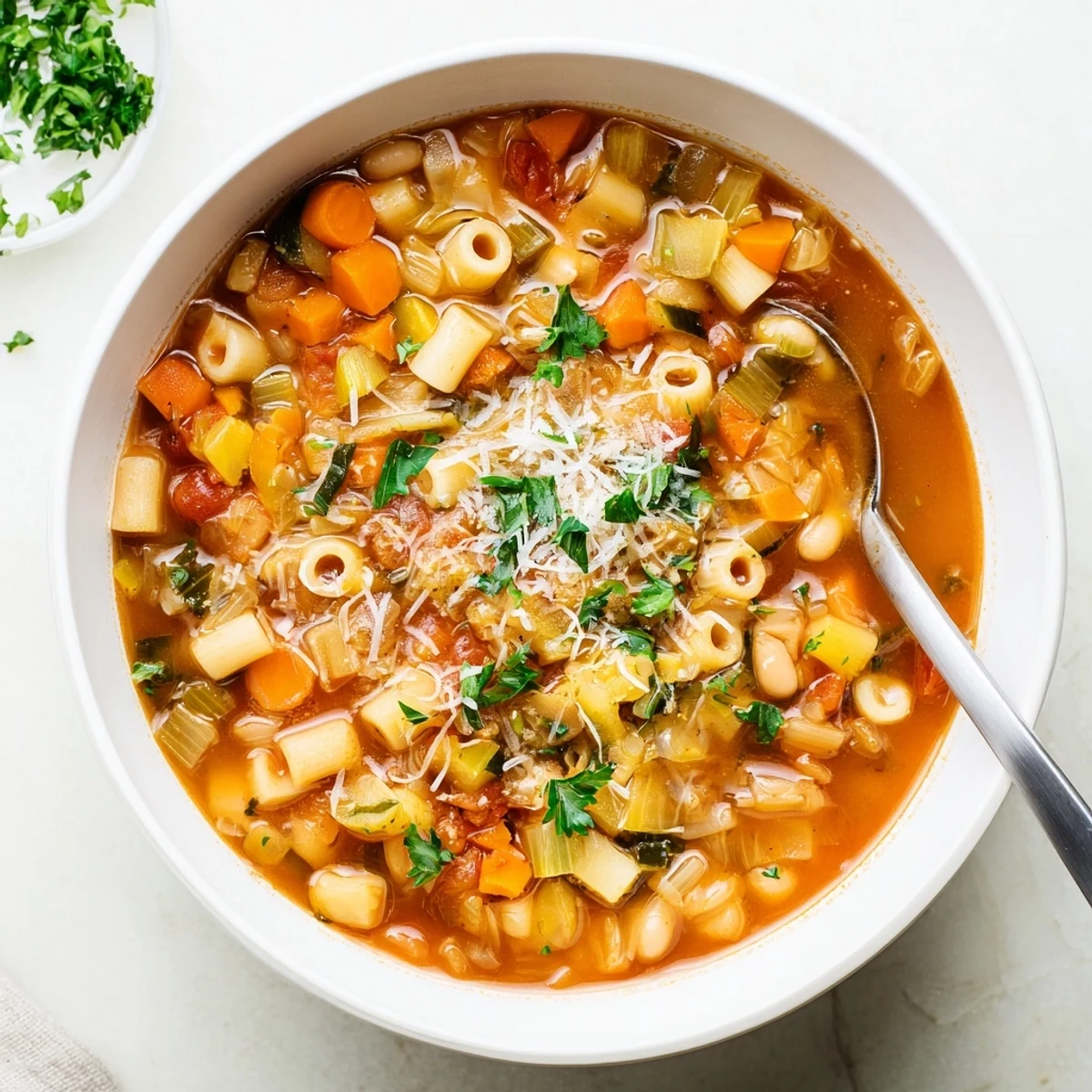
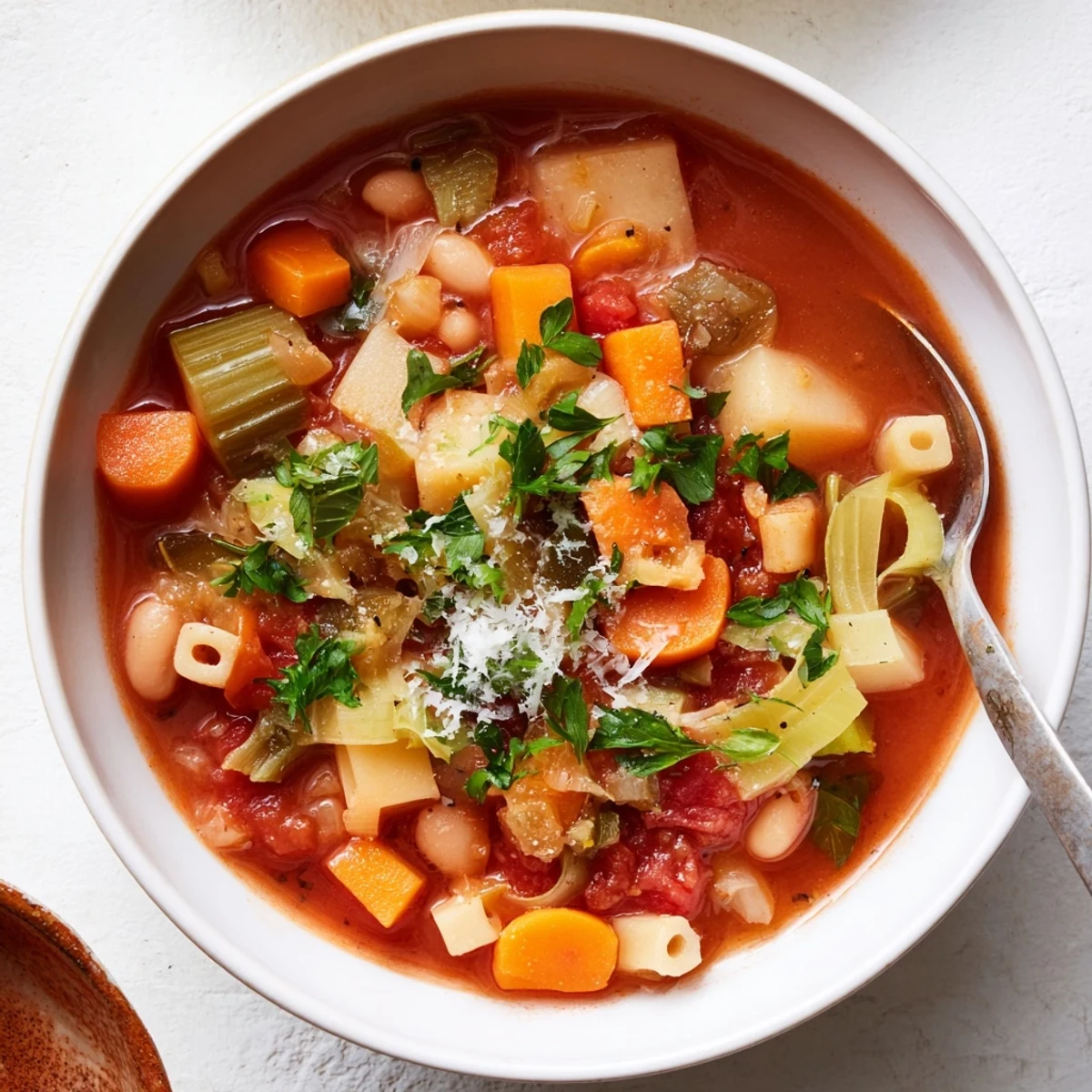
Save This Italian minestrone features a rich blend of seasonal winter vegetables like cabbage, parsnips, and turnip simmered gently with cannellini beans and small pasta shapes in a flavorful tomato broth. Aromatic herbs such as oregano, thyme, and fresh parsley enhance the warm, comforting broth. Perfect for chilly days, it offers a satisfying balance of textures and nutrients with a subtle olive oil drizzle and optional Parmesan garnish for added depth.
There's something about a bowl of minestrone that brings back memories of my grandmother's kitchen on cold winter afternoons. She'd fill her largest pot with whatever vegetables were at hand, and the house would fill with such warmth and comfort. Now, whenever I make this hearty Italian vegetable soup, I'm transported back to those cozy moments, watching her work her magic with simple ingredients and time.
I'll never forget the first time I nailed this recipe without looking at notes. My kitchen filled with the most incredible aroma as the vegetables softened and the broth became infused with herbs. When my family walked through the door, they knew immediately that something special was waiting for them.
Ingredients
- Olive oil: Start with good quality oil here; it's the foundation that carries all those flavors as your vegetables soften
- Yellow onion, carrots, and celery: These three create what Italians call the holy trinity of flavor, the aromatic base everything else builds on
- Parsnips and turnip: These are the secret weapons that give minestrone its earthy sweetness, something my grandmother taught me
- Savoy cabbage: I love how this becomes so tender and adds body to the broth without overwhelming the other flavors
- Garlic: Just enough to whisper its presence, not shout it
- Potato and zucchini: The potato thickens things naturally while zucchini keeps it fresh and light
- Diced tomatoes and vegetable broth: Use the best broth you can find; it's worth it for the depth it brings
- Cannellini beans: Creamy and mild, they deserve this starring role
- Small pasta: Ditalini is traditional, but honestly any small pasta works beautifully
- Dried oregano and thyme: These warm spices are what make this unmistakably Italian
- Bay leaf: This quietly transforms the entire pot as it simmers
- Fresh parsley: Stir this in at the very end; it brings everything into focus
- Parmesan and extra olive oil: These are your finishing touches, the ones people remember
Instructions
- Get everything ready:
- Before you do anything else, gather and prep all your vegetables. Dice the onion, carrots, and celery into similar sizes so they cook at the same pace. There's something meditative about this prep work, and you'll be grateful you did it when you're actually cooking.
- Build your flavor foundation:
- Heat that olive oil in your largest pot over medium heat until it's shimmering just slightly. Add your onion, carrots, and celery. You want to hear them gently sizzle, not aggressively pop. As you stir occasionally over the next 5 minutes, you'll notice the vegetables soften and the kitchen starts to smell like something wonderful is happening.
- Add the earthiness:
- Stir in your parsnips, turnip, and cabbage. The pot will look fuller now, but don't worry. Keep stirring occasionally for another 5 minutes until everything begins to soften. You're building layers of flavor here.
- Wake up the garlic:
- Add your minced garlic and stir constantly for about a minute. You want to smell that fragrant, toasted garlic note, but stop before it colors. This is the moment where raw garlic transforms into something aromatic and mellow.
- Bring it all together:
- Add your potatoes, zucchini, tomatoes with all their juices, vegetable broth, oregano, thyme, and bay leaf. Stir everything together and bring it to a boil. You'll see the broth turn a beautiful golden-red color. Turn the heat down, cover the pot, and let it simmer gently for 20 minutes. During this time, the vegetables release their essence into the broth.
- The final flourish:
- Add your drained beans and pasta directly to the pot. Don't add extra liquid; the pasta will release starch and thicken things perfectly. Stir occasionally and simmer uncovered for 10-12 minutes. You're watching for that moment when the pasta is just tender but still has a slight bite. The soup will be thick and hearty now, every spoonful full of vegetables and beans.
- The taste moment:
- Remove that bay leaf, then taste what you've made. Adjust the salt and pepper to your preference. Sometimes a little more of each makes all the difference. This is when cooking becomes personal; you're making it exactly right for your taste.
- The final touch:
- Stir in your fresh parsley. This little bit of brightness wakes up everything you've just made. Ladle it into bowls, and if you're using them, top with Parmesan and a drizzle of excellent olive oil.
 Save
Save Years ago, friends called unexpectedly saying they were stopping by. I had this soup simmering on the stove, and it became the evening that taught me how food brings people together. Those simple bowls turned into hours of laughter and conversation, and I realized that minestrone isn't just a recipe; it's an invitation to slow down and nourish the people you care about.
Keeping It Fresh
This soup actually improves after a day in the refrigerator as flavors continue to meld and deepen. Store it in an airtight container for up to four days. If you're thinking ahead, minestrone freezes beautifully too; I usually add the pasta fresh after reheating rather than freezing it in, since pasta can get mushy during the freeze-thaw cycle. Thaw overnight in the refrigerator and reheat gently on the stovetop, adding a splash of broth if it seems too thick.
When You're Missing Something
The beauty of minestrone is its flexibility. Don't have parsnips? Use more carrot or add a parsnip-sized chunk of sweet potato instead. Out of savoy cabbage? Kale works wonderfully, though add it in the last few minutes so it doesn't get too soft. Missing cannellini beans? Any white bean or even chickpeas create that same creamy quality. The vegetable broth is important for flavor, but in a pinch, water with a bit of extra salt and a vegetable bouillon cube works. I've even made this with leftover roasted vegetables from the night before, just added them in the last few minutes so they don't fall apart.
Serving Ideas That Clicked
Minestrone deserves to be the star of the meal, but a few simple pairings make it shine even brighter. Crusty bread for scooping up every last bit of broth is essential; I love toasting thick slices and rubbing them with garlic. A light Italian white wine like Pinot Grigio complements it perfectly without being heavy. If you want to make it more substantial, a simple green salad alongside keeps things balanced. My favorite finishing touch, beyond the Parmesan, is a really good drizzle of peppery olive oil that makes people close their eyes on the first spoonful.
- Serve it in wide shallow bowls so every spoonful gets vegetables and broth together
- Have extra Parmesan at the table; people always want more than you expect
- A small glass of that white wine alongside makes the whole experience feel more special than it probably should for a simple soup
 Save
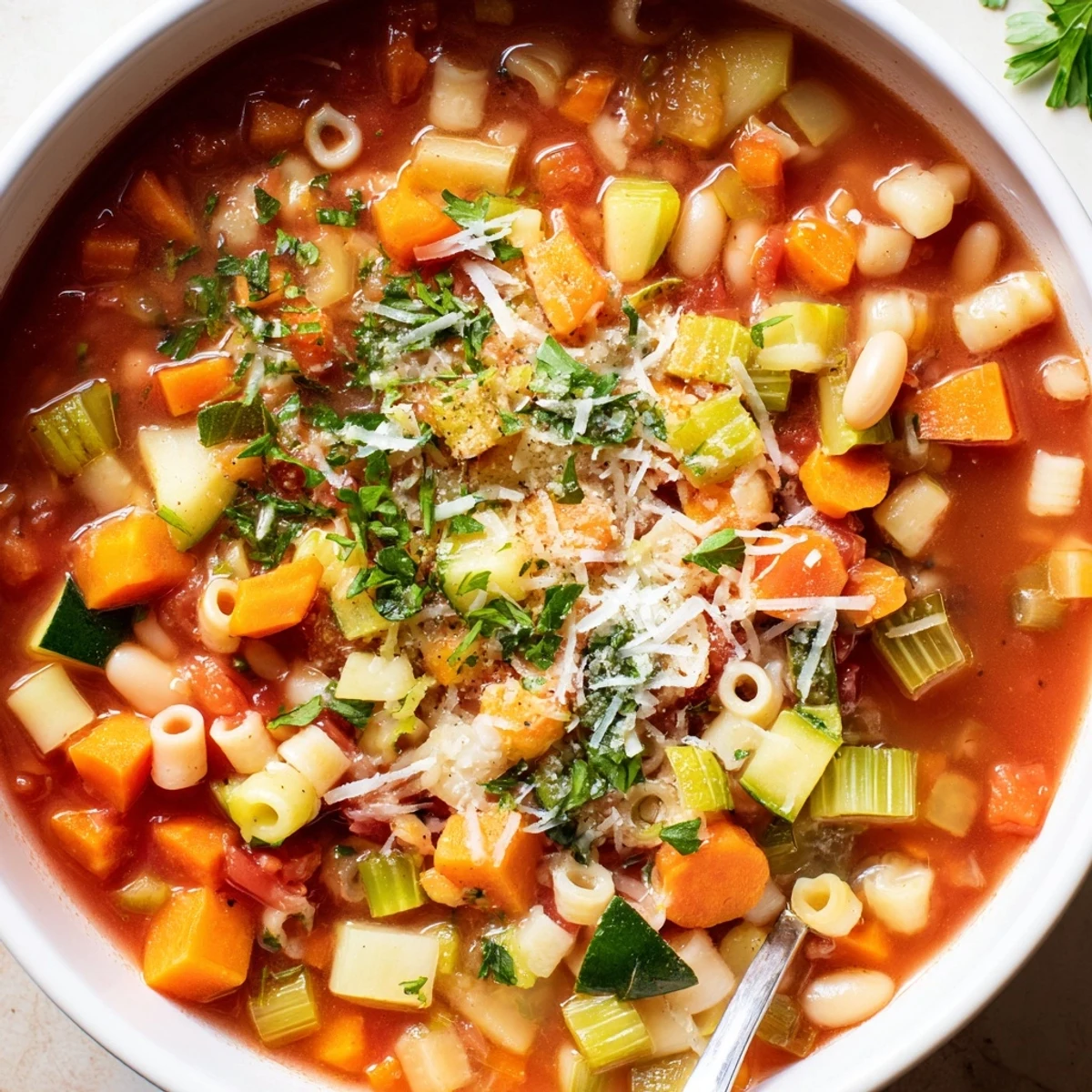
Save This minestrone has become the soup I reach for whenever I need to remember that simple food, made with care, is enough. It fills bellies and warms hearts, which is really all any recipe can do.
Recipe FAQs
- → Can I make this soup vegan?
-
Yes, omit Parmesan cheese or replace it with a plant-based alternative to keep it vegan-friendly.
- → Which pasta type works best in this dish?
-
Small pasta shapes like ditalini or elbow macaroni cook evenly and complement the chunky vegetables well.
- → Can I substitute other vegetables?
-
Absolutely; leeks, kale, or sweet potatoes can replace or supplement the winter vegetables.
- → How do I ensure the pasta is perfectly cooked?
-
Simmer uncovered for 10–12 minutes, stirring occasionally, until pasta is tender yet firm to the bite.
- → What herbs enhance the flavor?
-
Dried oregano, thyme, and fresh parsley provide aromatic and fresh notes that complement the rich broth.
- → Can this be made gluten-free?
-
Use gluten-free pasta and verify the vegetable broth is gluten-free to adapt this dish accordingly.