
 Save
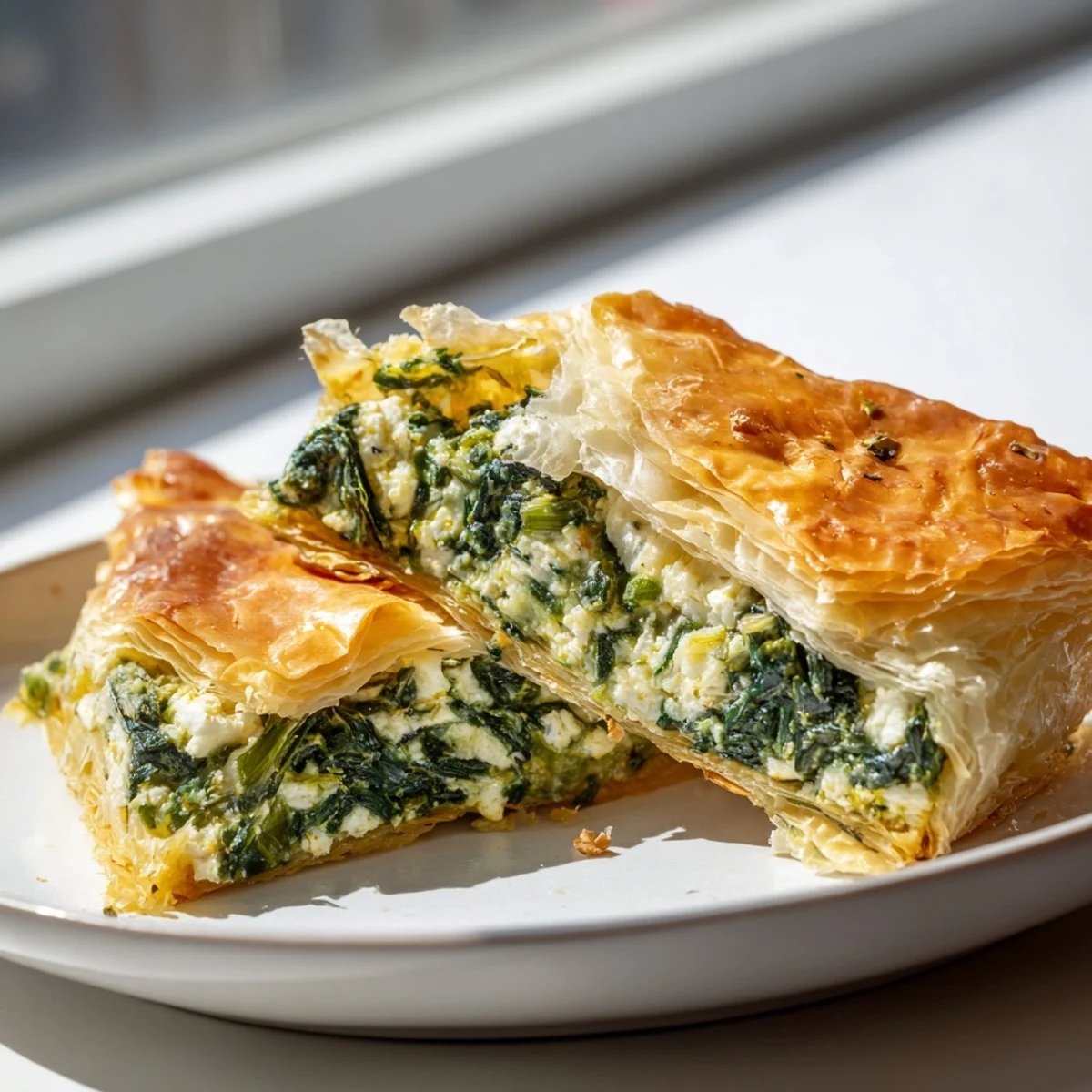
Save This savory dish features a golden flaky crust holding a tender blend of fresh spinach, creamy feta, ricotta, and Parmesan cheeses. The filling, enhanced with dill, garlic, nutmeg, and a touch of pepper, is cooked gently before baking to meld the flavors. Brushed with egg wash for a crisp, golden finish, it suits lunch, brunch, or light dinners. Variations include using phyllo pastry or substituting ricotta with cottage cheese, offering versatility and vibrant Mediterranean-inspired flavors.
There's something about spinach pie that transports me instantly to a sun-drenched kitchen in Athens, even though I've never actually been there. My neighbor Maria, who grew up in a small village near the Aegean, brought one to a potluck years ago, and I watched people go back for thirds, their plates piled high with that golden, flaky pastry hiding the most incredible emerald filling. The first time I made it myself, I was nervous about the pastry—would it stay crispy with all that moisture from the spinach?—but that first bite proved my anxiety was completely unfounded. Now it's the dish I reach for when I want to impress without spending hours in the kitchen.
I still remember the spring afternoon when I made this for my sister's book club, nervous that vegetarian food wouldn't be 'enough' for everyone. One of her friends, who claimed to avoid vegetables at all costs, asked for the recipe before she even finished chewing. That moment taught me that it's not about what's in the dish—it's about how it's prepared with care and the right balance of flavors and textures.
Ingredients
- Puff pastry (1 sheet, about 250 g): The foundation that makes or breaks this pie; thaw it properly at room temperature so it stays tender rather than shattering when you fold it.
- Fresh spinach (500 g) or frozen (350 g thawed and drained): Fresh spinach wilts down dramatically, and frozen is just as good if you squeeze out every drop of moisture—that step is non-negotiable.
- Onion (1 medium, finely chopped): Cook it slowly until it's sweet and soft; this is the quiet backbone that makes everything taste better.
- Garlic (2 cloves, minced): Add it after the onion so it doesn't burn and turn bitter; fresh always beats pre-minced here.
- Feta cheese (200 g, crumbled): The star of the show, bringing salt and tang; buy a block and crumble it yourself rather than pre-crumbled versions that can taste dusty.
- Ricotta cheese (100 g): This is what makes the filling creamy and luxurious; cottage cheese works if you're stuck, but ricotta is worth seeking out.
- Eggs (2 large): These bind everything together and help the filling set; room temperature eggs mix in more smoothly.
- Parmesan cheese (2 tbsp grated): A little umami boost that rounds out all the other flavors without being obvious.
- Fresh dill (2 tbsp chopped) or dried dill (1 tbsp): Fresh dill smells like bright, sharp possibility; if you're using dried, measure carefully because it's more concentrated.
- Ground nutmeg (1/4 tsp): Just a whisper—too much and it tastes medicinal, but without it, something feels incomplete.
- Olive oil (2 tbsp): Good olive oil matters here; it's what you'll taste in the sautéed onions and garlic.
- Salt and black pepper (to taste): Taste as you go because feta is already quite salty.
- Egg (1, beaten for brushing): This creates that gorgeous golden shine on top that looks like you know what you're doing.
Instructions
- Set the stage:
- Preheat your oven to 200°C (400°F) and grease a 23 cm pie dish or tart pan lightly. Everything should be ready before you start cooking so you're not scrambling halfway through.
- Sauté the aromatics:
- Heat olive oil in a large skillet over medium heat and add the chopped onion, letting it soften and turn translucent over about 5 minutes. Stir in the minced garlic and cook for just 1 minute more until it's fragrant but not colored.
- Wilt the spinach:
- If using fresh spinach, add it in batches, stirring until each batch collapses into the pan. If using frozen spinach, add it directly and warm it through. Transfer everything to a colander and press firmly with the back of a spoon to squeeze out as much moisture as possible—this is the secret to a crispy pastry base.
- Build the filling:
- In a large bowl, combine the cooled spinach mixture with crumbled feta, ricotta, eggs, Parmesan, dill, nutmeg, salt, and pepper. Stir gently until everything is evenly distributed; the filling should look cohesive but still slightly chunky from the feta.
- Layer the pastry:
- Roll out your thawed puff pastry to fit your dish with a little overhang, then press it gently into the corners and up the sides. Don't worry about perfection here; this is a rustic dish at heart.
- Fill with care:
- Spoon the spinach-cheese mixture evenly over the pastry, then fold any overhanging edges inward over the top to create an imperfect, charming border. This protects the edges and looks intentional.
- Add the shine:
- Brush the exposed pastry with beaten egg using a pastry brush, making sure to get into all the creases. This is what gives you that golden-brown finish that makes people say 'wow.'
- Bake until golden:
- Slide the pie into your preheated oven and bake for 35 to 40 minutes, until the pastry is puffed and deep golden brown and the filling feels set when you gently shake the dish. You'll know it's ready when your kitchen smells incredible.
- Rest and serve:
- Let the pie cool for 10 minutes before slicing—this gives the filling a chance to set and makes serving easier. Serve warm or even at room temperature with a crisp green salad.
 Save
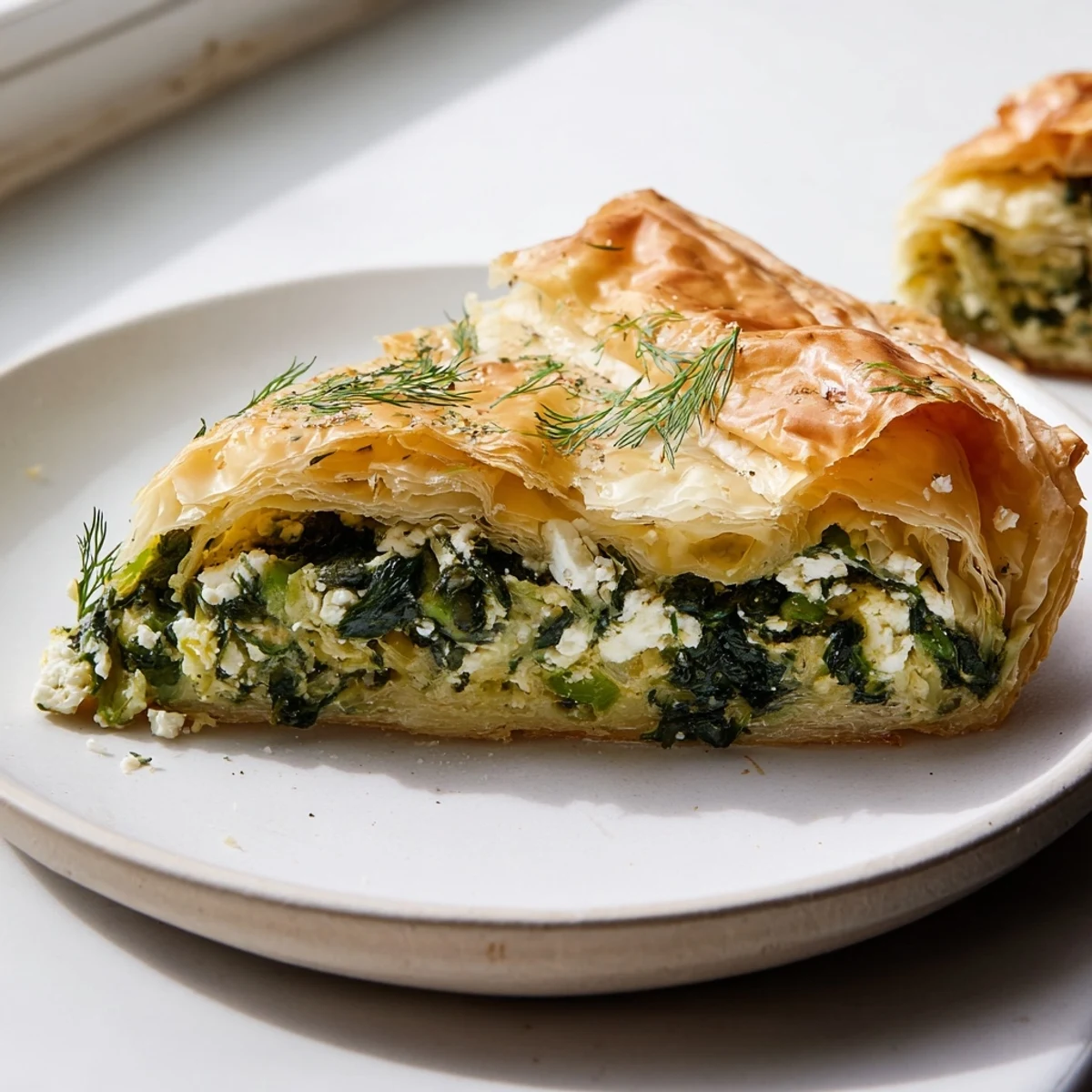
Save One quiet Sunday morning, I made this pie for a friend who was going through a difficult time, not because it was fancy or impressive, but because I knew the flavors would feel like a gentle hug. She told me later that she'd eaten a slice each morning for the first few days, and something about that simple act of showing up with good food made things feel slightly more bearable. That's when I understood that this pie, with its golden pastry and honest filling, is about more than just lunch.
The Art of Puff Pastry
Puff pastry can feel intimidating, but you're not actually making it from scratch—you're just working with it, and there's a big difference. The key is to handle it gently and keep it cold; warm pastry becomes sticky and difficult, while cold pastry stays cooperative. If your pastry warms up while you're working, slide it into the fridge for 5 minutes and it'll come back to life, ready to be shaped and folded without complaint.
Cheese Combinations and Swaps
While feta and ricotta are the classic pairing, this pie is forgiving enough to work with what you have. Cottage cheese can substitute for ricotta if that's what's in your fridge, though ricotta has a silkier texture. Some cooks swear by adding a small handful of grated Gruyère or Cheddar along with the feta for extra depth, and honestly, they're not wrong. The beauty of this dish is that the spinach and herbs carry it, so the cheese is more about amplifying what's already good rather than carrying the whole show.
Building Flavor Without Overwhelming
The dill and nutmeg might seem like small players, but they're actually the difference between a good spinach pie and an unforgettable one. Dill adds a bright, fresh herbal note that cuts through the richness of the cheese, while nutmeg provides a subtle warmth that ties everything together in a way you can't quite put your finger on. Some people add red pepper flakes for a gentle kick, and if that appeals to you, a quarter teaspoon scattered over the filling before folding the pastry will give you just enough heat without overwhelming the dish.
- Don't skip the fresh dill if you can help it; the difference between fresh and dried is noticeable and worth the effort.
- Taste the filling one more time before baking to catch any seasoning gaps—sometimes a pinch more salt or pepper makes all the difference.
- If you're making this ahead, assemble the pie but don't bake it; cover it and refrigerate, then bake directly from cold, adding just a few minutes to the cooking time.
 Save
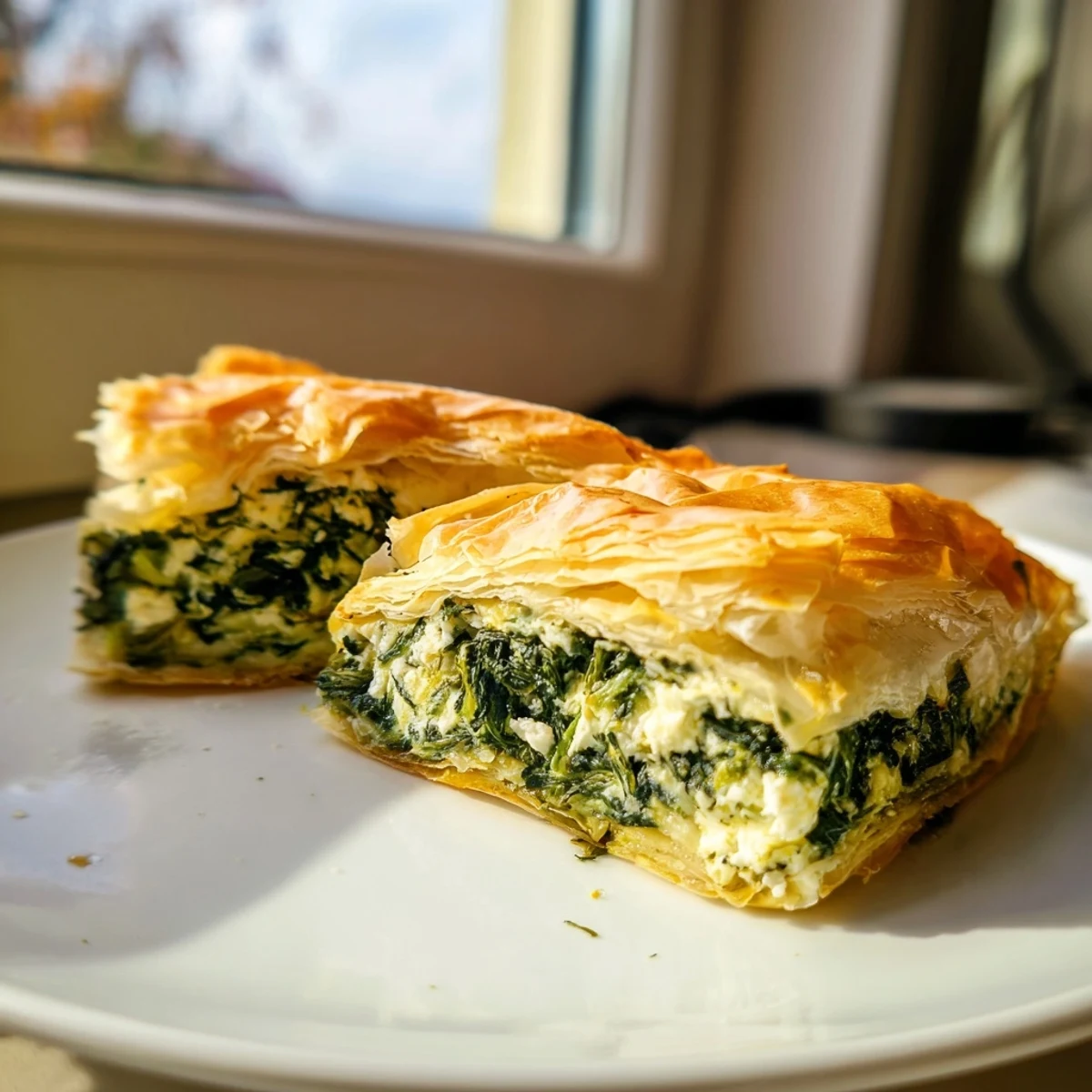
Save This spinach pie has quietly become one of those recipes I reach for again and again, the kind that works for nearly any occasion and never lets me down. Make it once and I suspect you'll understand why.
Recipe FAQs
- → How can I prevent the filling from becoming watery?
-
Press excess moisture out of the cooked spinach using a colander or clean cloth before mixing. This helps maintain a firm filling and crisp crust.
- → Can I use frozen spinach instead of fresh?
-
Yes, thaw and thoroughly drain frozen spinach to remove moisture, then proceed as with fresh spinach for best results.
- → What cheeses complement the spinach filling?
-
Feta, ricotta, and Parmesan provide creamy texture and tangy flavor, balancing the spinach and herbs harmoniously.
- → Are there alternative pastry options for this dish?
-
Phyllo dough can be used for a lighter, flakier crust by layering sheets with melted butter, adding a Greek-inspired touch.
- → How do herbs impact the overall flavor?
-
Fresh dill adds a bright, fragrant note that complements the cheeses and spinach, enhancing the savory profile gently.