
 Save
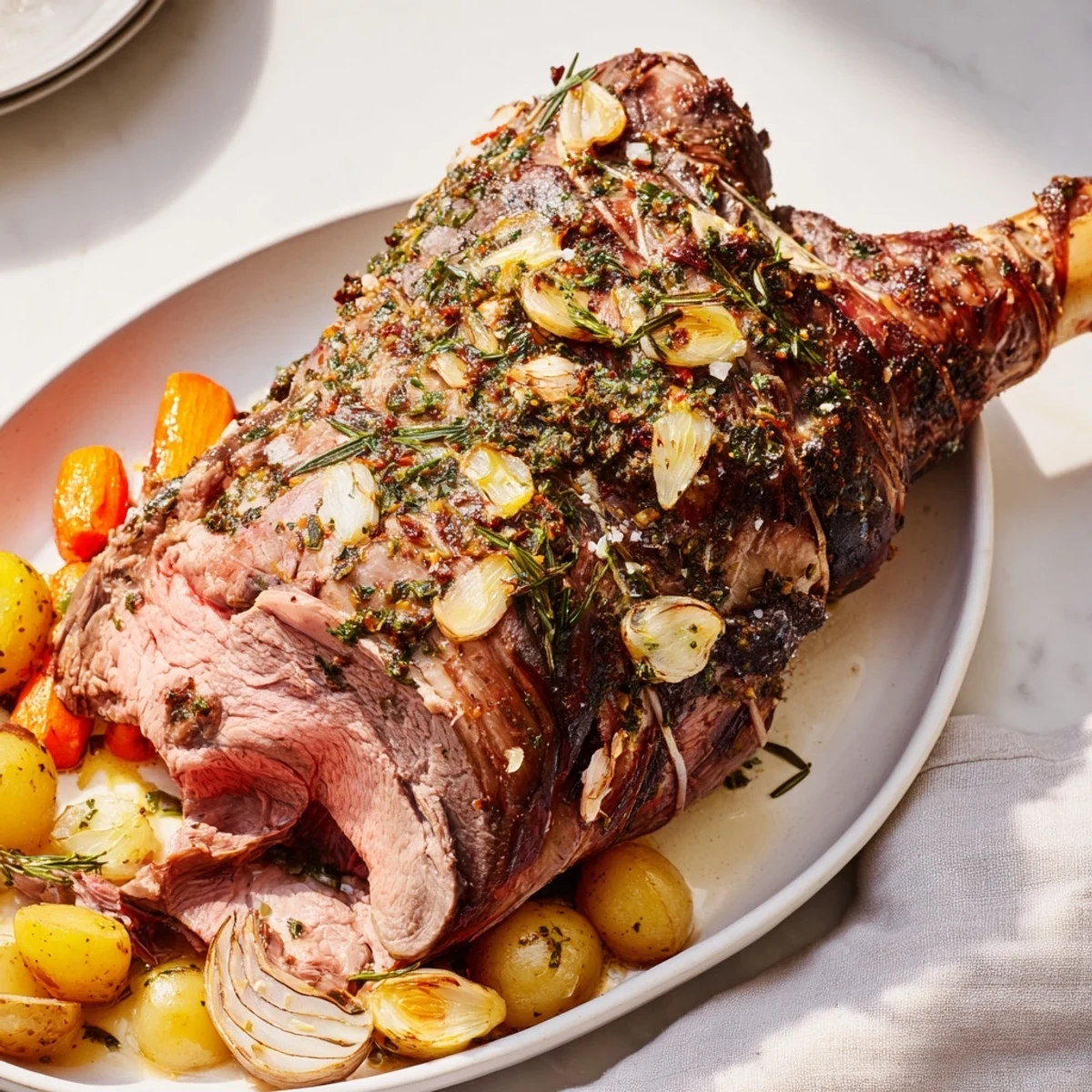
Save This Mediterranean-inspired main dish features a bone-in leg of lamb gently infused with garlic and fresh herbs such as rosemary and thyme. Slow roasting at high then moderate temperatures creates a tender, juicy texture while allowing aromatic flavors to develop deeply. Optional accompanying vegetables like baby potatoes, carrots, and onions complement the rich meat, making it perfect for festive or family meals. Resting before carving preserves juices and enhances tenderness for a memorable dining experience.
There's something about roasting a leg of lamb that transforms an ordinary evening into something special. I remember the first time I attempted this—my grandmother had invited unexpected guests for dinner, and there in her kitchen, I watched her confidently slice garlic into those little pockets she'd made across the meat, the scent of rosemary filling the air. That moment taught me that the most impressive dishes often come from simple techniques executed with intention. Now whenever I roast lamb, I'm transported back to that kitchen, learning that confidence comes from understanding your ingredients.
I'll never forget the first time I nailed the temperature on a leg of lamb. We were hosting my partner's family for Easter, and I was nervous about getting it wrong. But that meat thermometer became my confidence—seeing it hit 135°F felt like crossing a finish line. From that day forward, I stopped being afraid of roasting lamb, and it became the dish I reached for whenever I wanted to feel capable and generous at my table.
Ingredients
- 1 bone-in leg of lamb (4–5 lb / 1.8–2.3 kg), trimmed: Ask your butcher to trim excess surface fat but leave a thin layer for flavor and moisture. That bone keeps everything incredibly flavorful as it roasts.
- 6 cloves garlic, peeled and sliced: Fresh garlic is non-negotiable here—the flavor difference between fresh and pre-minced is striking. The slices infuse the meat as they soften.
- 2 tbsp fresh rosemary, finely chopped: I reach for fresh rosemary every time because the piney aromatics are what make this dish sing. Dried can work, but use only half the amount.
- 2 tbsp fresh thyme leaves: Strip these tiny leaves from their stems just before using—they scatter through the marinade and add an earthy complexity.
- 1 tbsp coarse sea salt and 1½ tsp freshly ground black pepper: Coarse salt doesn't dissolve immediately, which means flecks of seasoning stay visible on the finished meat. Grind your pepper fresh if you can.
- 3 tbsp olive oil: This acts as your adhesive, binding all the herbs and aromatics to the meat's surface.
- Juice of 1 lemon: The acid brightens everything and tenderizes the meat slightly. I always have lemons on hand for this reason alone.
- 1 lb baby potatoes, halved, 2 large carrots in chunks, 1 large onion in wedges (optional): These aren't truly optional if you want a complete meal. They roast in the lamb's flavorful drippings and become caramelized on the edges.
Instructions
- Get Everything Ready:
- Preheat your oven to 425°F (220°C) while you work. This high heat is key—it seals the outside and creates that beautiful crust you're after. Pat your lamb completely dry with paper towels. Moisture is the enemy of browning, so don't skip this step even though it feels minor.
- Create Little Pockets for the Garlic:
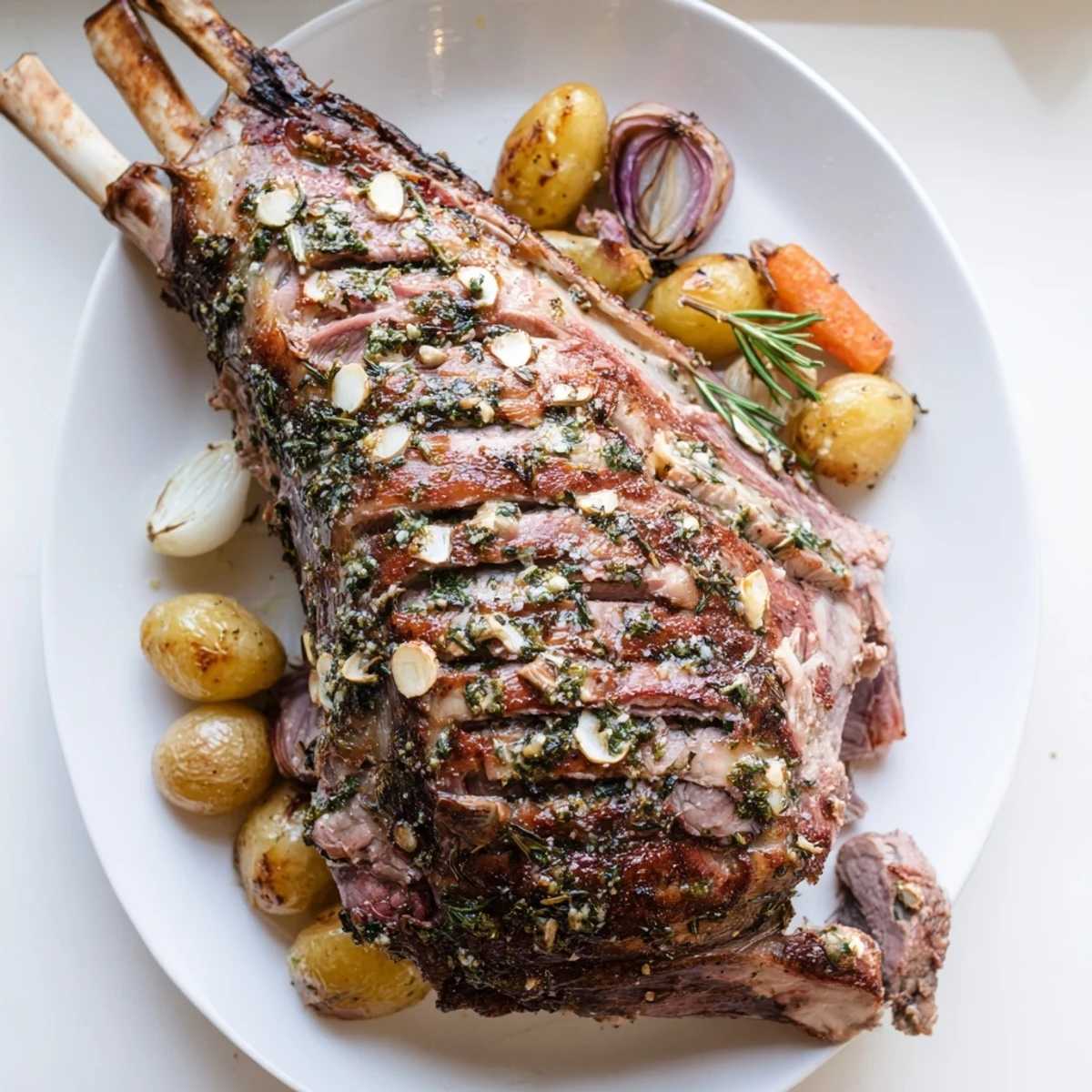
- Using a sharp knife, make small, deep slits all over the lamb—think of it like you're opening tiny doors into the meat. Space them about 2 inches apart. This is where the real magic happens. Slide your garlic slices into each slit, pushing them deep so they won't dry out on the surface.
- Make Your Aromatic Paste:
- In a small bowl, combine your chopped rosemary, thyme leaves, salt, pepper, olive oil, and lemon juice. Mix until you have a rough paste. This is your flavor foundation.
- The Part Where Magic Happens:
- Rub this marinade all over the lamb, using your hands to massage it into every slit and crevice. Don't be timid—work it into the surface and really make sure the herbs are distributed. The lamb should look coated and aromatic, like you've just wrapped it in a flavorful embrace.
- Arrange Your Vegetables:
- Place the lamb in your roasting pan and arrange potatoes, carrots, and onion around it if you're using them. They'll catch the lamb's drippings and turn golden and tender.
- The High-Heat Sear:
- Roast at 425°F (220°C) for 20 minutes. You're creating that caramelized crust that locks in juices. You might hear sizzling—that's exactly what you want.
- Lower Heat and Continue:
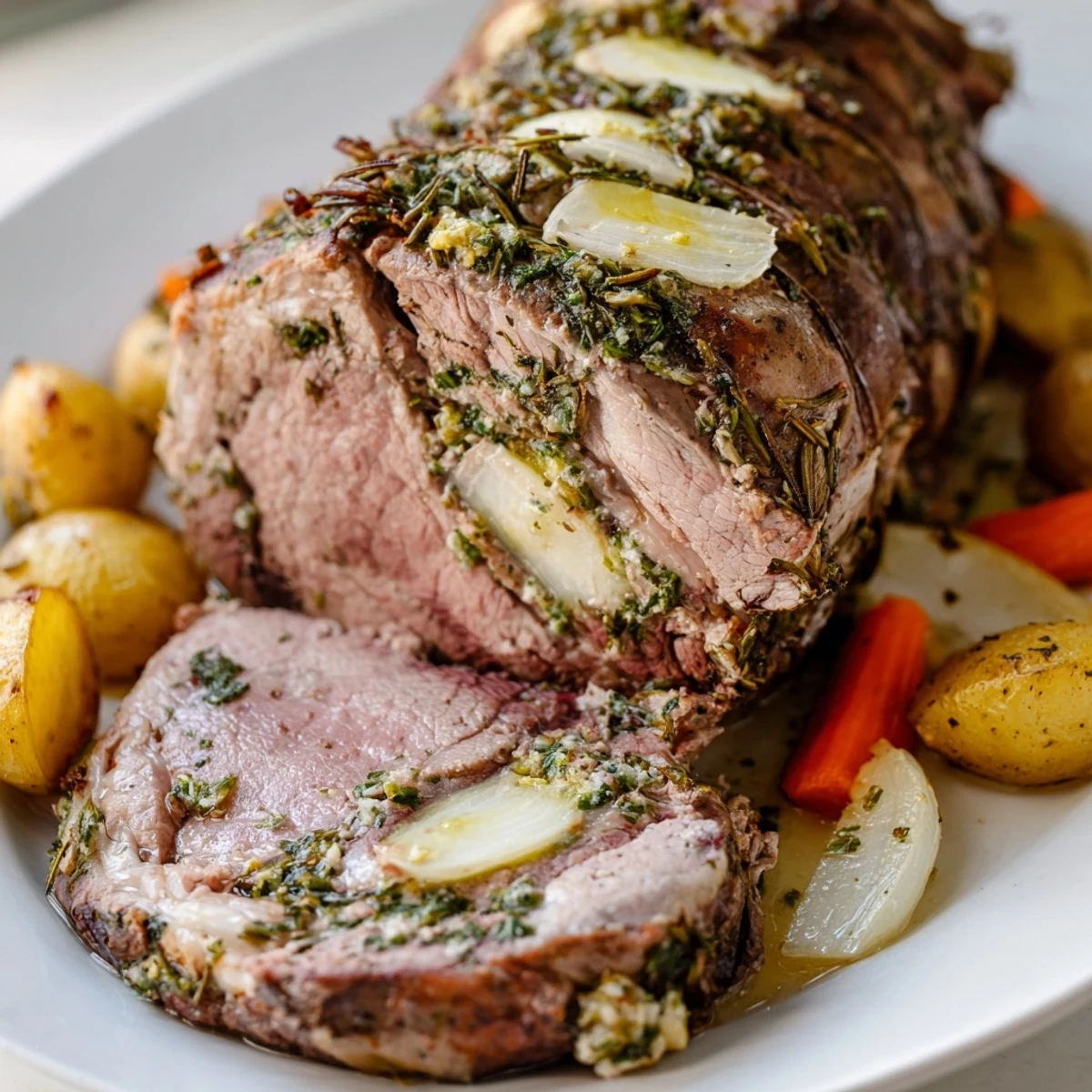
- Reduce the oven temperature to 350°F (175°C) and continue roasting for about 1 hour 10 minutes. Use a meat thermometer to check the thickest part away from bone—135°F (57°C) gives you medium-rare, which is when lamb is most tender and flavorful. If you prefer more done, add 10-15 minutes and aim for 145°F (63°C).
- The Most Important Step: Rest:
- Remove the lamb from the oven and tent it loosely with foil. Let it rest for 15–20 minutes. This pause is crucial—the residual heat continues cooking while the juices redistribute throughout the meat. Carve too early and those juices run out onto the cutting board instead of staying in your lamb.
- Serve with Purpose:
- Slice the lamb and arrange it on a platter with your roasted vegetables. Pour those pan juices over everything. Taste one bite before serving—if you've followed these steps, you'll know immediately that you've done something right.
 Save
Save Years later, I realize why this dish became a cornerstone of my entertaining. It's the moment when someone takes that first bite, their eyes widen, and they say 'You made this?' That reaction never gets old. Roasted lamb stopped being intimidating the day I understood that it's really just about respecting good ingredients and giving them time to become something extraordinary.
Keeping It Fresh
Leftovers from roasted lamb are genuinely better than the original meal in some ways. Slice what remains, layer it between bread with some of those pan juices, add a dollop of something herby like a mint sauce or even just good mustard, and you have sandwiches that taste like you've unlocked a restaurant secret. Cold lamb also transforms salads—rough chop it and toss with a sharp vinaigrette, some greens, and those roasted vegetables you have left. Store everything in an airtight container, and it keeps for three days, though it rarely lasts that long in my kitchen.
When You're Missing Something
What makes this recipe so appealing is how flexible it is without losing its soul. Out of fresh rosemary? Use dried, but cut the amount in half—dried herbs are more concentrated. No thyme? Fresh oregano works beautifully and brings a slightly different but equally Mediterranean character. Those optional vegetables aren't truly optional if you want a one-pan meal, but what you roast with the lamb should be what excites you. Parsnips and sweet potatoes bring earthiness that's different but equally delicious. Red onions become jammy and sweet. Root vegetables of all kinds thrive in this environment, so choose what calls to you from the market.
Serving Ideas That Clicked
I learned early that roasted lamb isn't just about the main protein—it's about the supporting players. A bright lemon salad with fresh herbs cuts through the richness beautifully. Creamy potatoes mashed with a little of the pan juices become something luxurious. A simple yogurt sauce with garlic and dill transforms everything into something Mediterranean and sophisticated. This dish pairs with red wine in a way that makes both the food and wine taste better—Bordeaux, Syrah, or even a good Côtes du Rhône all sing with roasted lamb. And if you want to step outside wine for a moment, a full-bodied ale or even a good beer works surprisingly well, especially if you're serving this in a more casual setting.
- Make an extra batch of that herb marinade to pass at the table—people love drizzling it over their vegetables and meat
- If you have pan drippings left after serving, don't pour them down the sink. Cool them and refrigerate—that layer of fat and jelly below becomes an incredible starting point for gravy or adds richness to soups
- Timing matters less than you think with this recipe because the resting period creates a window of flexibility. Keep it warm loosely tented with foil for up to 20 minutes after it comes out of the oven
 Save
Save This is the dish that taught me that impressive cooking is often just about patience and temperature. Master this one, and you've got a meal that makes people feel celebrated.
Recipe FAQs
- → How do I prepare the lamb for roasting?
-
Dry the leg thoroughly, then make small deep slits all over and insert garlic slices into these openings. Massage the meat with a marinade of rosemary, thyme, salt, pepper, olive oil, and lemon juice before roasting.
- → What oven temperature is best for roasting leg of lamb?
-
Start roasting at 425°F (220°C) for 20 minutes to develop a crust, then reduce to 350°F (175°C) and roast for about 1 hour 10 minutes for medium-rare doneness.
- → Can I add vegetables to roast with the lamb?
-
Yes, baby potatoes, carrots, and onions can be arranged around the lamb to roast alongside, absorbing flavorful juices and enhancing the dish.
- → How long should the lamb rest before serving?
-
After roasting, loosely tent the lamb with foil and let it rest for 15-20 minutes to allow juices to redistribute for a tender slice.
- → What herbs enhance the flavor of the lamb?
-
Fresh rosemary and thyme provide aromatic depth, perfectly balanced with garlic and a hint of lemon juice in the marinade.