
 Save
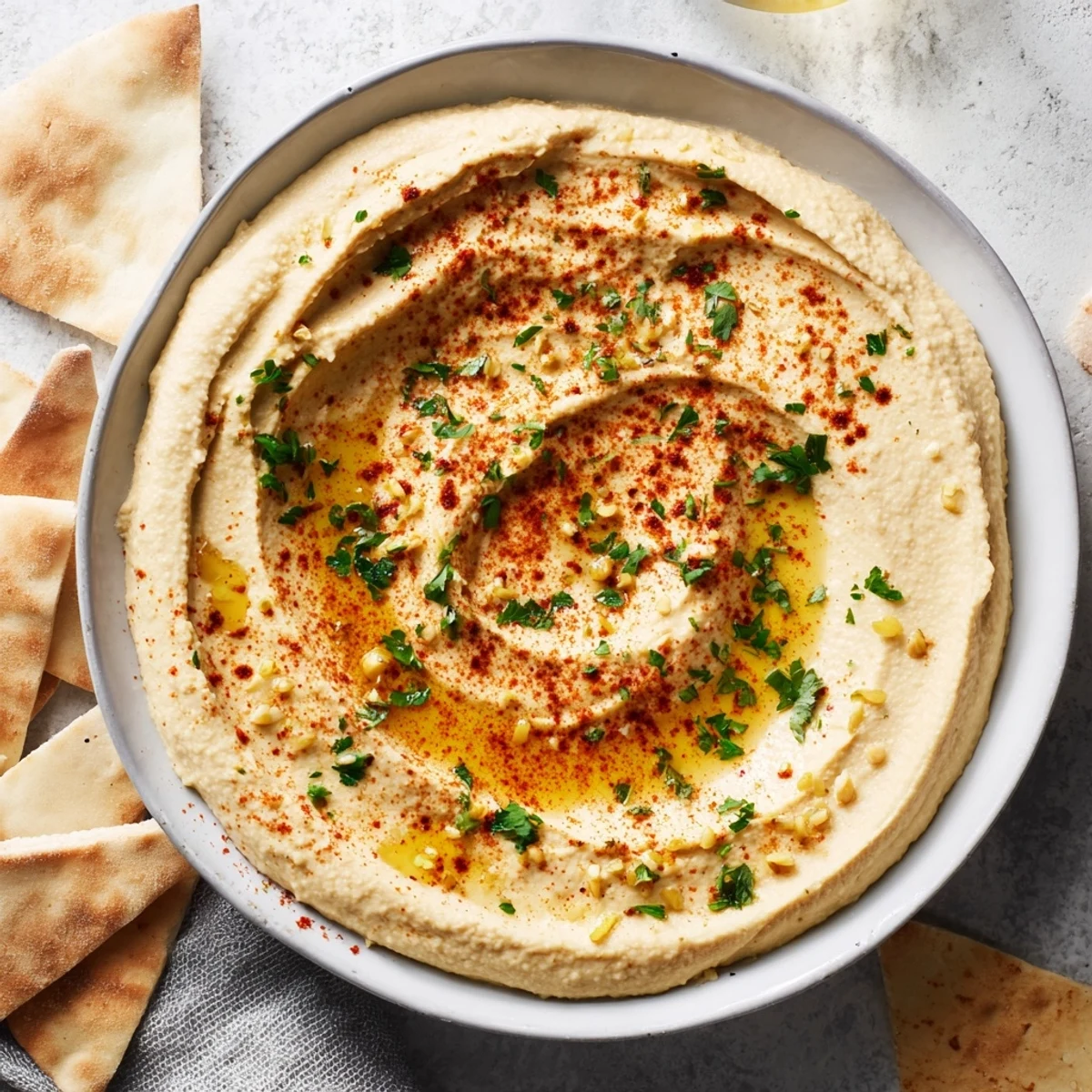
Save This classic Middle Eastern dip combines chickpeas, tahini, lemon juice, and garlic blended to a creamy smoothness. Olive oil and cold water are gradually added for a fluffy texture. Seasoned with cumin and salt, served with warm pita bread, it makes a perfect snack or appetizer. Optional garnishes like smoked paprika and fresh parsley add color and flavor. Simple preparation with a food processor yields a delightful spread ideal for sharing.
I still remember the first time I made hummus from scratch—it was a Friday night, and I'd invited friends over without a real plan. I had a can of chickpeas in the pantry, tahini that had been waiting months, and a lemon sitting on the counter. Twenty minutes later, I was serving the most velvety, addictive hummus I'd ever tasted, and my friends were amazed it came from my kitchen. That night, hummus became more than just an appetizer; it became my secret weapon for any gathering.
The moment I knew this recipe was special was when my neighbor asked for it after tasting it at a backyard potluck. She'd been ordering hummus from the market for years, and suddenly she wanted to make it herself. Now whenever we see each other, she teases me about how I ruined store-bought hummus for her forever. That's when you know a recipe has real power.
Ingredients
- 1 can (15 oz / 425 g) chickpeas, drained and rinsed: These humble legumes are the backbone of everything—don't skip the rinsing step, as it removes the starchy liquid that would make your hummus gritty.
- 3 tbsp tahini (sesame paste): This is where the magic happens. Quality tahini makes all the difference; it should be creamy and nutty, not bitter. Store it in the fridge after opening to keep it fresh.
- 2 tbsp extra-virgin olive oil, plus more for drizzling: Use good olive oil here—it's the final luxury touch that drapes across the top like liquid gold.
- 1 lemon, juiced (about 2–3 tbsp): Fresh lemon juice is non-negotiable; bottled just doesn't have the same brightness and zing that wakes up every flavor.
- 1 garlic clove, minced: One clove is plenty—you want garlic as a whisper, not a shout.
- 1/2 tsp ground cumin: This warm spice ties everything together and adds that authentic Middle Eastern warmth you're craving.
- 1/2 tsp salt, or to taste: Start here and taste as you go; salt brings out all the other flavors hiding in your food processor.
- 2–3 tbsp cold water: This is your texture control—it transforms the mixture from thick to silky without diluting the flavors like warm water would.
- 4 pita breads: Warm them just before serving so they're still steaming when you break them open.
- 1/2 tsp smoked paprika or sumac (optional, for garnish): This is the tiny flourish that makes people ask, "What is that beautiful color?"
- 2 tbsp chopped fresh parsley (optional): A fresh, herbal finish that reminds you this came from your own two hands.
Instructions
- Blend the base:
- Add your drained chickpeas, tahini, lemon juice, minced garlic, cumin, and salt to your food processor. Pulse a few times to break everything down, then blend until you reach a thick, crumbly paste. This is the moment when it looks nothing like hummus yet—trust the process.
- Stream in the oil and water:
- With the processor running, pour in your olive oil slowly—think of it like you're whisking a vinaigrette, letting each drop get absorbed. Follow with the cold water, watching as the mixture transforms from dense to fluffy in real time. The cold water is key because it helps whip air into the hummus, creating that cloud-like texture. Scrape down the sides as needed and keep blending for a full 1–2 minutes.
- Taste and adjust:
- Stop, grab a spoon, and taste. This is where you become the chef. More salt? A squeeze of lemon? Add it now while you can fine-tune everything perfectly.
- Plate like you mean it:
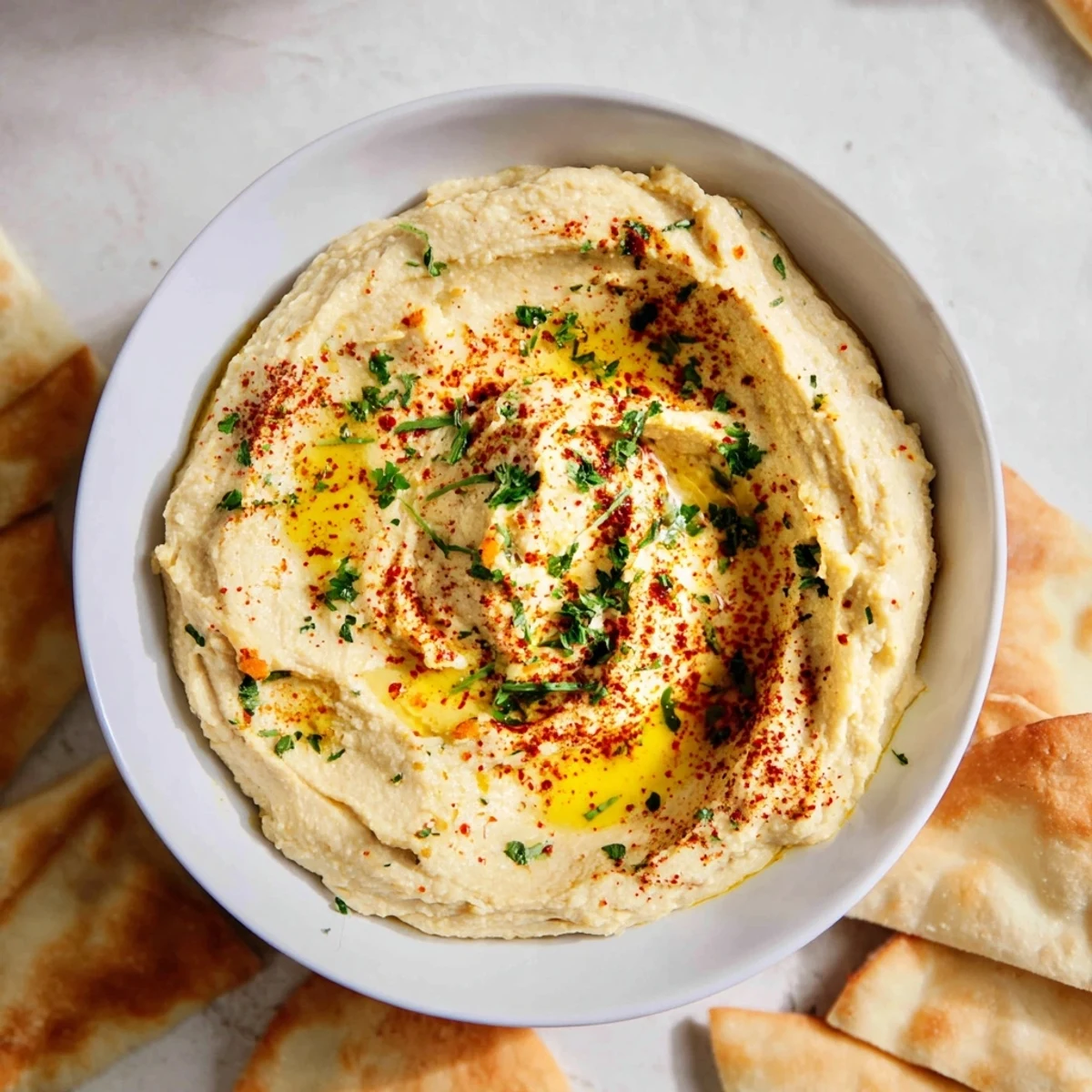
- Spoon your hummus into a shallow bowl and create a little well in the center with the back of a spoon. Drizzle the extra olive oil into that well—it's not just decoration, it's flavor and an invitation to dig in. Sprinkle with paprika or sumac if you're using it, then scatter parsley across the top.
- Warm the pita:
- Right before serving, warm your pita breads in a dry skillet over medium heat, just 30 seconds per side until they puff slightly and become warm enough to steam. Or use the oven at 350°F for 2–3 minutes. Warm pita is game-changing.
- Serve and savor:
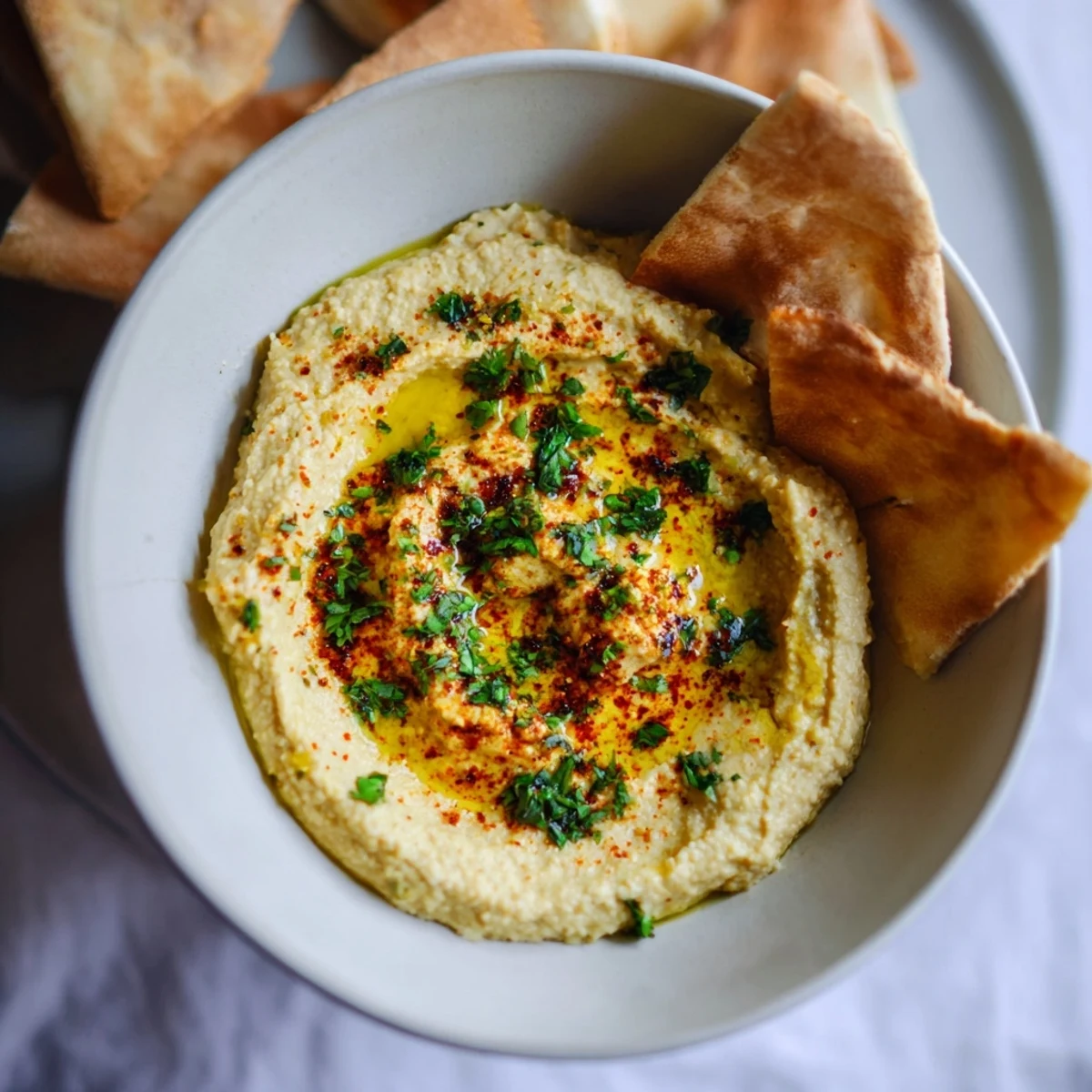
- Cut the pita into wedges, arrange them around your hummus, and watch people lean in to grab the first piece. This is the part where you get to feel like a home cook who actually knows what they're doing.
 Save
Save There's something almost meditative about serving hummus to people you care about. It's simple enough that it feels humble, but good enough that it feels like you've given them something precious. That's the real recipe—not just the ingredients, but the generosity behind sharing food made with your own hands.
Variations to Keep It Interesting
Once you've mastered the classic, hummus opens up a whole world of possibilities. I've stirred in roasted red peppers and sun-dried tomatoes to create versions that taste like Mediterranean summers. Some nights I add a pinch of smoked paprika directly into the blend instead of just on top, which gives the entire bowl a subtle depth. Others, I drizzle in a little tahini on top with fresh mint for something that tastes almost like dessert. The beauty is that once you understand the basic technique, you can follow your instincts and your pantry.
Pairing and Serving Ideas
Hummus isn't just for pita—it's a doorway to infinite meals. Spread it thick on sandwiches where it acts like a creamy, protein-packed stand-in for mayo. Serve it alongside fresh vegetables like carrots, cucumbers, and bell peppers for a lunch that feels light but keeps you satisfied for hours. I've even dolloped it on top of grain bowls where it melts slightly from the warmth and ties everything together. And if you're feeling playful, use it as a base for a mezze board with olives, feta, fresh herbs, and everything else that makes you happy.
Why This Recipe Works Every Single Time
The reason hummus has endured for centuries isn't because it's complicated—it's because it's elegantly simple. Four main ingredients (chickpeas, tahini, lemon, garlic) do all the heavy lifting, and everything else just supports and amplifies what's already there. There's nowhere to hide, which means each ingredient needs to be good. But that's also the freedom of it—you probably already have most of this in your kitchen right now. The formula is so reliable that once you've made it once, you'll make it again and again without thinking.
- Keep your food processor running for the full 1–2 minutes of blending; patience is what turns this from good to silky.
- Cold water is your best friend—it creates the fluffy texture that warm water simply cannot achieve.
- Taste constantly and adjust salt and lemon juice to your preference; there's no single "right" flavor, only what tastes right to you.
 Save
Save Hummus reminds me that the best food doesn't require fancy techniques or hard-to-find ingredients—it just requires intention and a little bit of time. Share it generously.
Recipe FAQs
- → What ingredients are essential for a creamy hummus?
-
Key ingredients include chickpeas, tahini, lemon juice, garlic, olive oil, and a touch of water for texture. Seasoning with cumin and salt enhances flavor.
- → How can I achieve smoother hummus consistency?
-
Peeling chickpeas before blending and gradually adding cold water while processing helps create a silky and airy texture.
- → What are good serving suggestions with this dish?
-
This dip pairs perfectly with warm, fluffy pita bread and fresh vegetables. Garnishing with smoked paprika or parsley adds a vibrant touch.
- → Can I adjust the flavors in the hummus?
-
Yes, you can tweak the lemon juice, salt, and garlic to suit your taste, or add roasted red peppers or sun-dried tomatoes for extra depth.
- → Are there allergen considerations to note?
-
The mix contains sesame from tahini and gluten from pita bread. For allergen-free versions, use gluten-free pita or serve with veggie sides.