
 Save
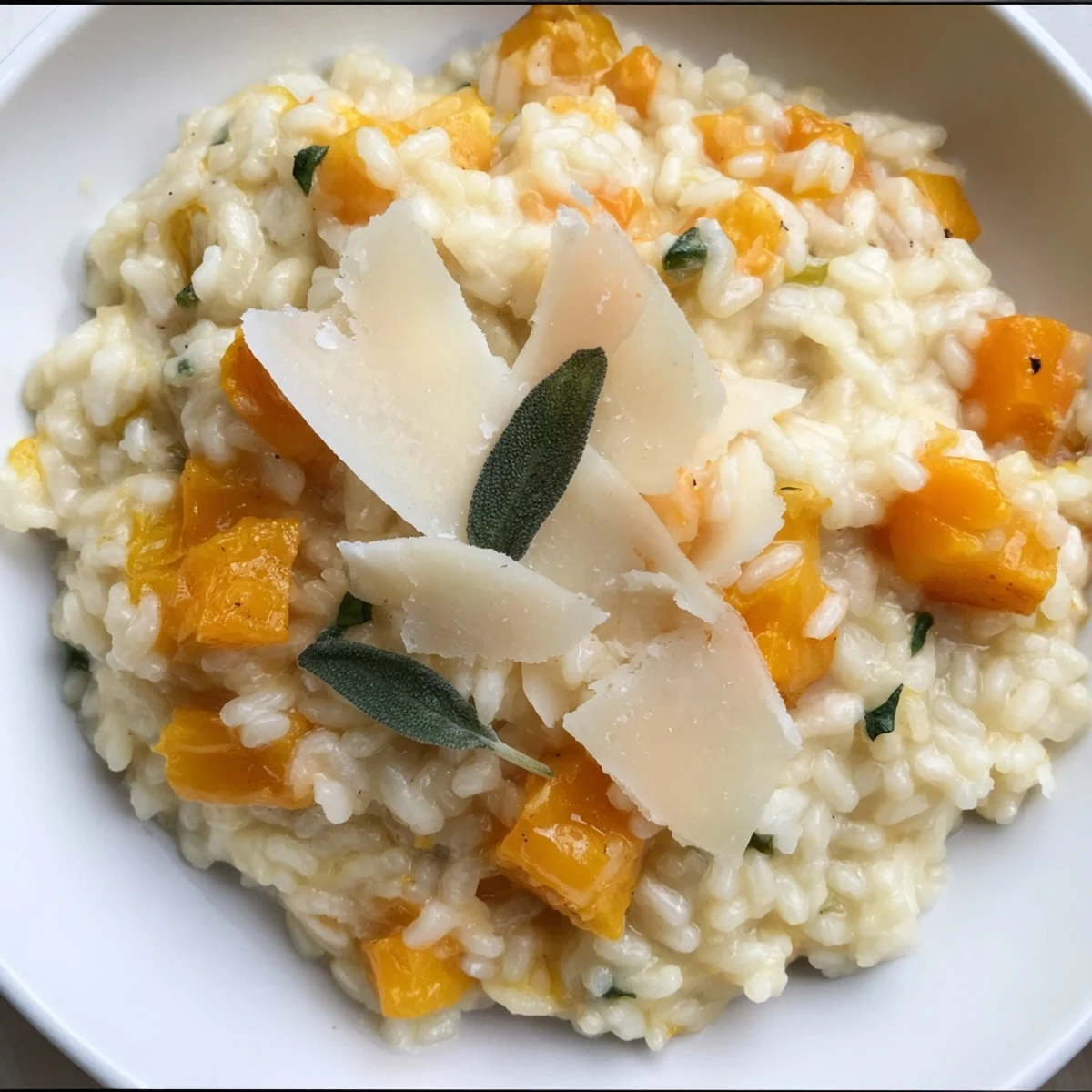
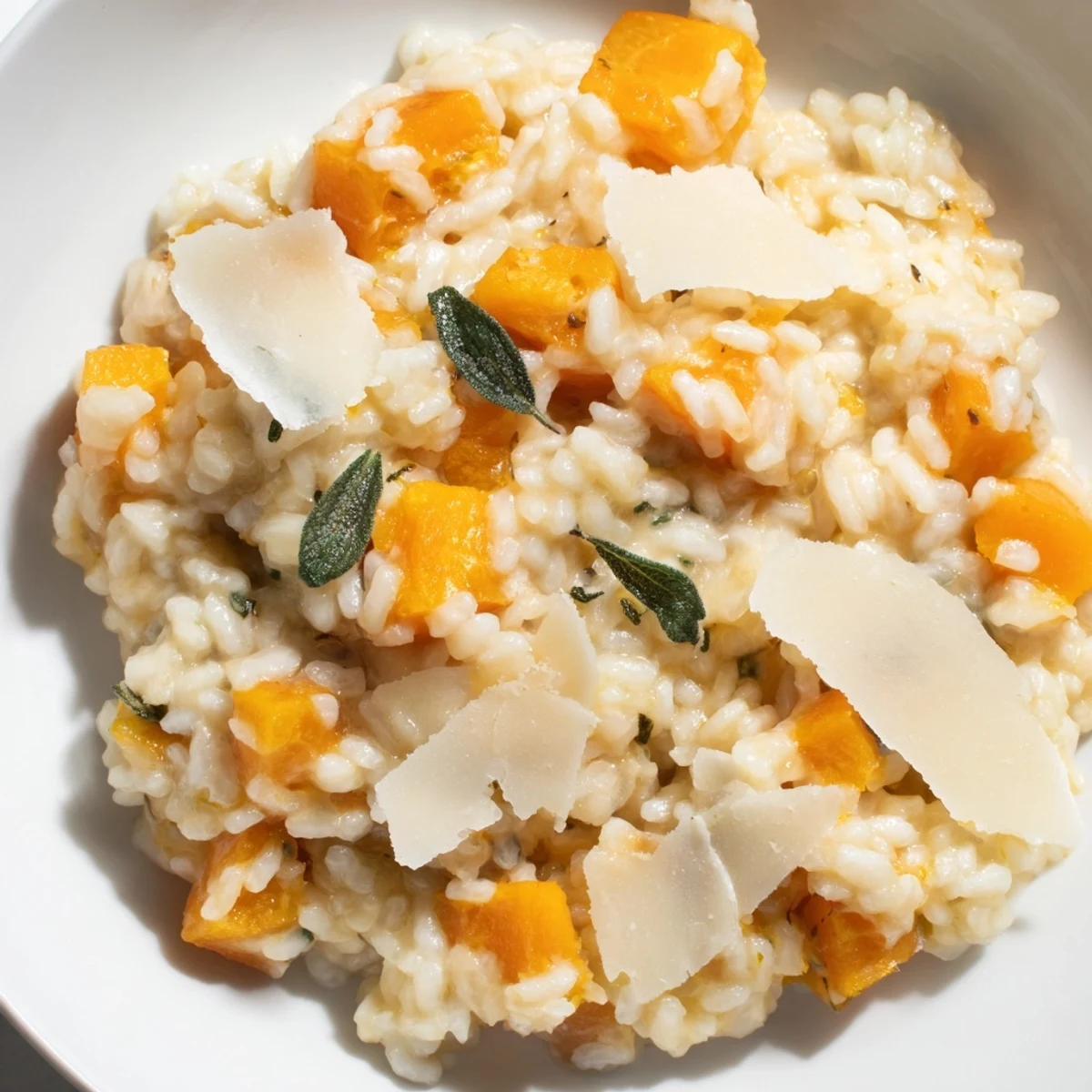
Save This comforting dish blends tender winter squash with Arborio rice cooked slowly in warm vegetable broth and white wine. Aromatic fresh sage and creamy Parmesan cheese enrich each spoonful. Butter and a touch of cream add extra silkiness, accented by subtle garlic and onion notes. Ideal for cozy evenings, it delivers a harmony of flavors and textures, with a vibrant golden color and satisfying richness that highlights seasonal ingredients.
I was standing at the farmers market on a blustery October morning when a vendor handed me a butternut squash still warm from the sun. She mentioned risotto, and something clicked. That night, I stood at the stove stirring rice and watching cubes of squash turn golden, and the house smelled like butter and sage in a way that made everything feel right.
The first time I made this for friends, I panicked halfway through because I thought the rice wasnt cooking fast enough. But I kept stirring, kept adding broth, and it came together beautifully. We ate it straight from the pot with extra Parmesan grated over the top, and no one wanted to leave.
Ingredients
- Winter squash: Butternut is my go-to because it dices easily and turns silky when cooked, but acorn squash works if you want something a little earthier.
- Arborio rice: The short, starchy grains are what make risotto creamy without needing a ton of cream, so dont skip this one.
- Vegetable broth: Keeping it warm on a back burner makes all the difference because cold broth shocks the rice and slows everything down.
- White wine: A half cup adds acidity and brightness, and whatever you dont use, you can sip while you stir.
- Butter: I divide it because the first bit blooms the onions and sage, and the last bit stirred in at the end makes everything glossy.
- Parmesan cheese: Freshly grated is non-negotiable here, the pre-shredded stuff just does not melt the same way.
- Fresh sage: It smells like autumn and tastes peppery and warm, and I always keep a few leaves whole for garnish because they look beautiful.
- Onion and garlic: These build the base, and I learned to chop the onion finely so it disappears into the risotto instead of announcing itself.
Instructions
- Start the aromatics:
- Melt 2 tablespoons of butter in a heavy pot and add the onion, letting it cook until it turns translucent and soft, about 3 minutes. Toss in the garlic and sage, and let them sizzle for just a minute until the kitchen smells incredible.
- Cook the squash:
- Add the diced squash and stir it around until the edges start to soften, about 5 minutes. You want it tender but not falling apart yet.
- Toast the rice:
- Stir in the Arborio rice and let it cook for a minute or two, coating every grain in butter until the edges look a little translucent. This step makes the rice nutty and helps it absorb the broth evenly.
- Deglaze with wine:
- Pour in the white wine and stir until it mostly disappears into the rice. It smells sharp at first, then mellows into something fruity and warm.
- Add broth slowly:
- Ladle in warm broth one scoop at a time, stirring frequently and waiting until each addition is absorbed before adding more. This takes patience, but its where the magic happens, the rice releases its starch and everything turns creamy.
- Finish with richness:
- After 18 to 22 minutes, when the rice is tender but still has a little bite, stir in the remaining butter, Parmesan, and cream if youre using it. Season with salt and pepper, then cover and let it rest for 2 minutes so the flavors settle.
- Serve:
- Spoon the risotto into bowls and top with Parmesan shavings and a few fresh sage leaves. Serve it hot, while its still creamy and glossy.
 Save
Save One winter night, I made this after a long day and ate it curled up on the couch with a blanket. The warmth of the bowl in my hands, the sweetness of the squash, the way the Parmesan melted on top—it felt like a hug. Thats when I realized this recipe wasnt just food, it was a ritual.
Make It Your Own
If you want deeper flavor, roast the squash cubes at 400 degrees for 20 minutes before stirring them into the risotto. The caramelized edges add a subtle sweetness that makes every bite more interesting. You can also swap in kabocha or delicata squash if thats what you have, each one brings its own personality to the dish.
What to Serve It With
This risotto is rich enough to stand alone, but I love serving it with a simple arugula salad dressed in lemon and olive oil to cut through the creaminess. A crisp Pinot Grigio or a buttery Chardonnay makes it feel like a special occasion, even on a Tuesday.
Storage and Reheating
Risotto is best fresh, but leftovers keep in the fridge for up to 3 days. Reheat gently on the stovetop with a splash of broth or water, stirring until it loosens up again. It wont be quite as creamy as the first time, but its still delicious.
- Store in an airtight container to keep it from drying out.
- You can also freeze portions for up to a month, though the texture will be softer when thawed.
- If reheating in the microwave, add liquid and stir halfway through to keep it from clumping.
 Save
Save This risotto taught me that patience in the kitchen is never wasted. Every stir, every ladleful of broth, every moment of standing there brings you closer to something warm and nourishing that tastes like care.
Recipe FAQs
- → Can I roast the squash before cooking?
-
Yes, roasting the squash at 400°F for 20 minutes deepens its natural sweetness and adds a subtle caramelized flavor to the dish.
- → What type of rice is best for this dish?
-
Arborio rice is preferred for its high starch content, which creates the creamy texture characteristic of risotto.
- → Is it necessary to use white wine?
-
White wine adds acidity and depth but can be omitted or replaced with additional broth if preferred.
- → How do I know when the risotto is done?
-
The rice should be creamy and cooked al dente, tender yet with a slight bite in the center, usually after 18–22 minutes of stirring with broth.
- → Can I substitute different types of squash?
-
Absolutely. Kabocha or delicata squash work well, offering similar textures and complementary sweetness.