
 Save
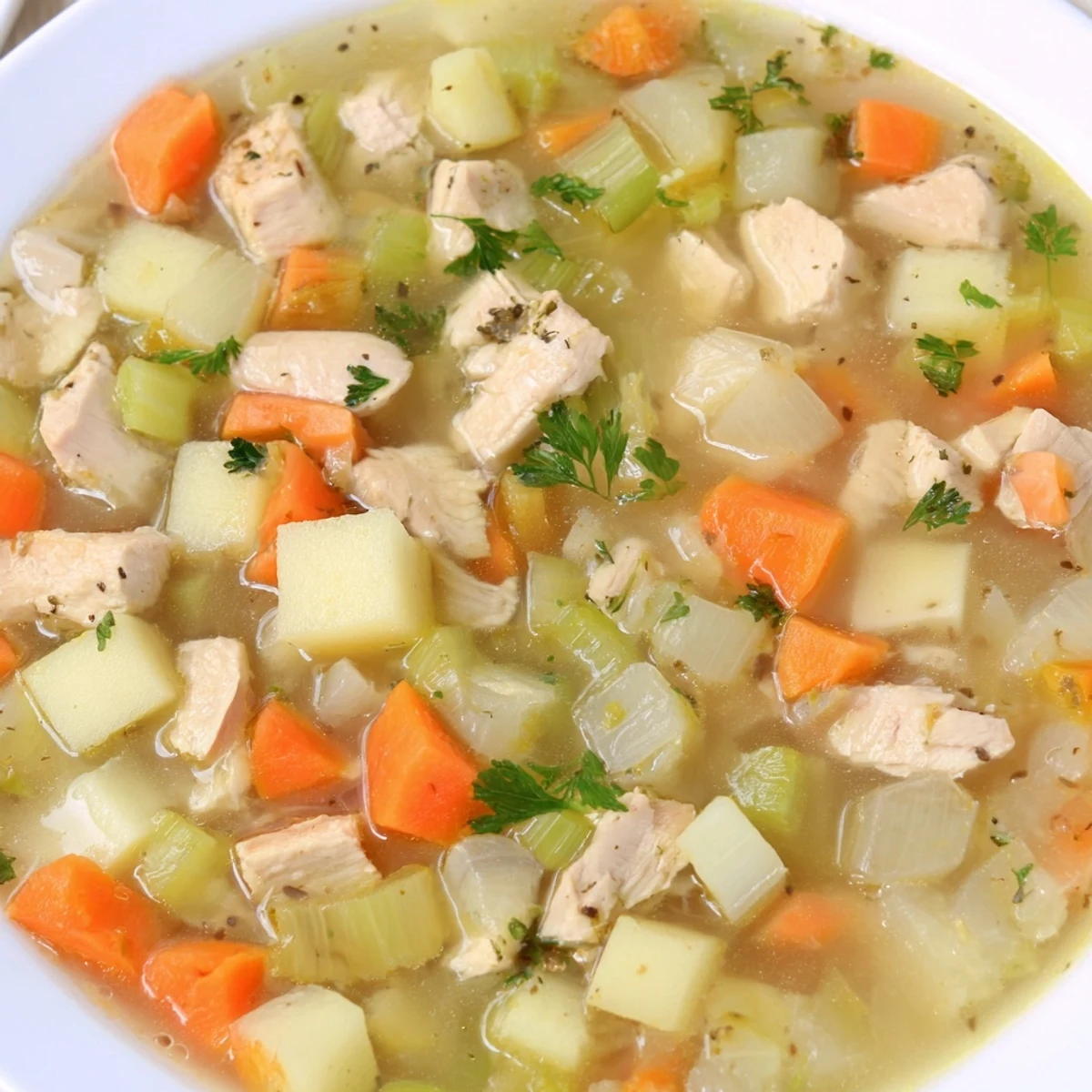
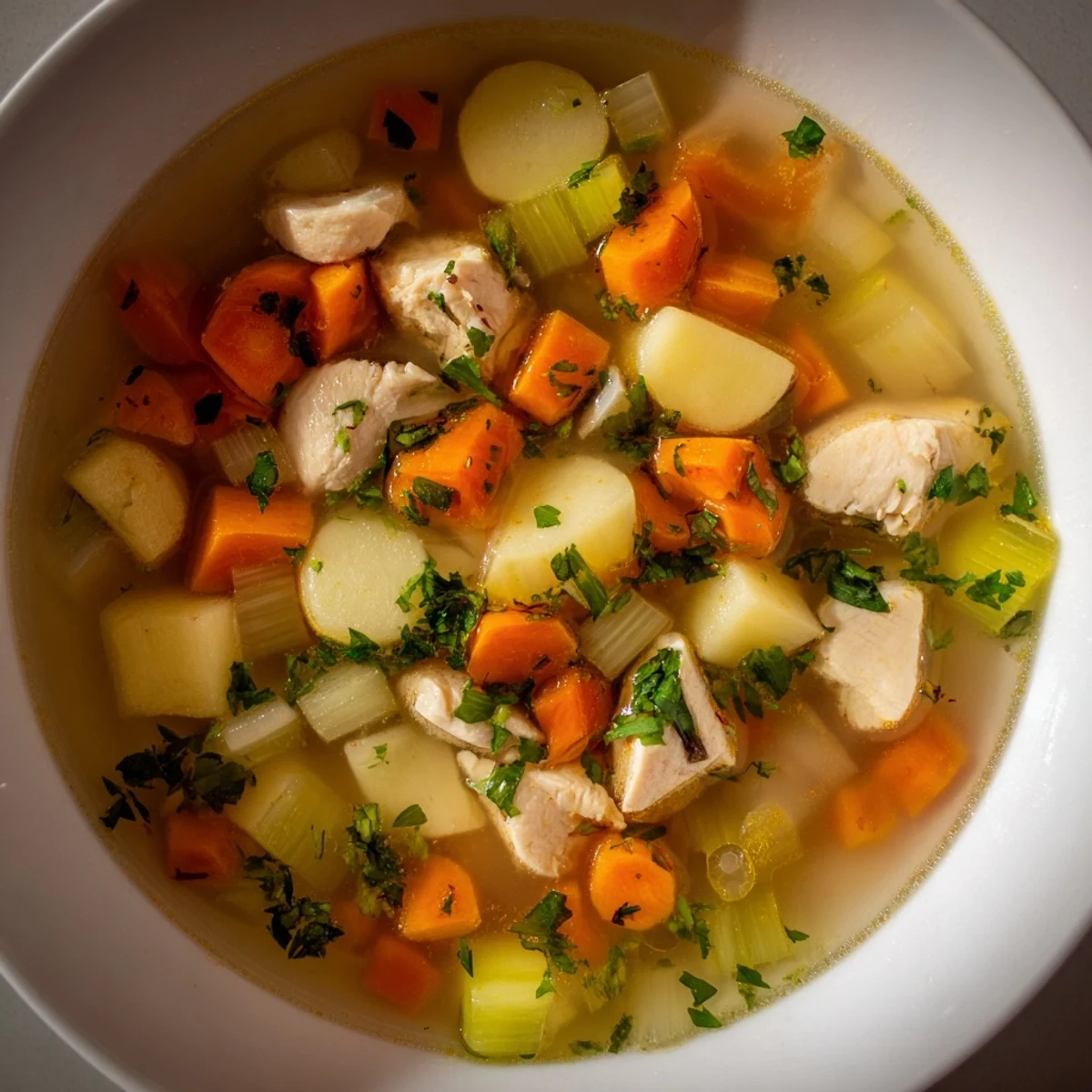
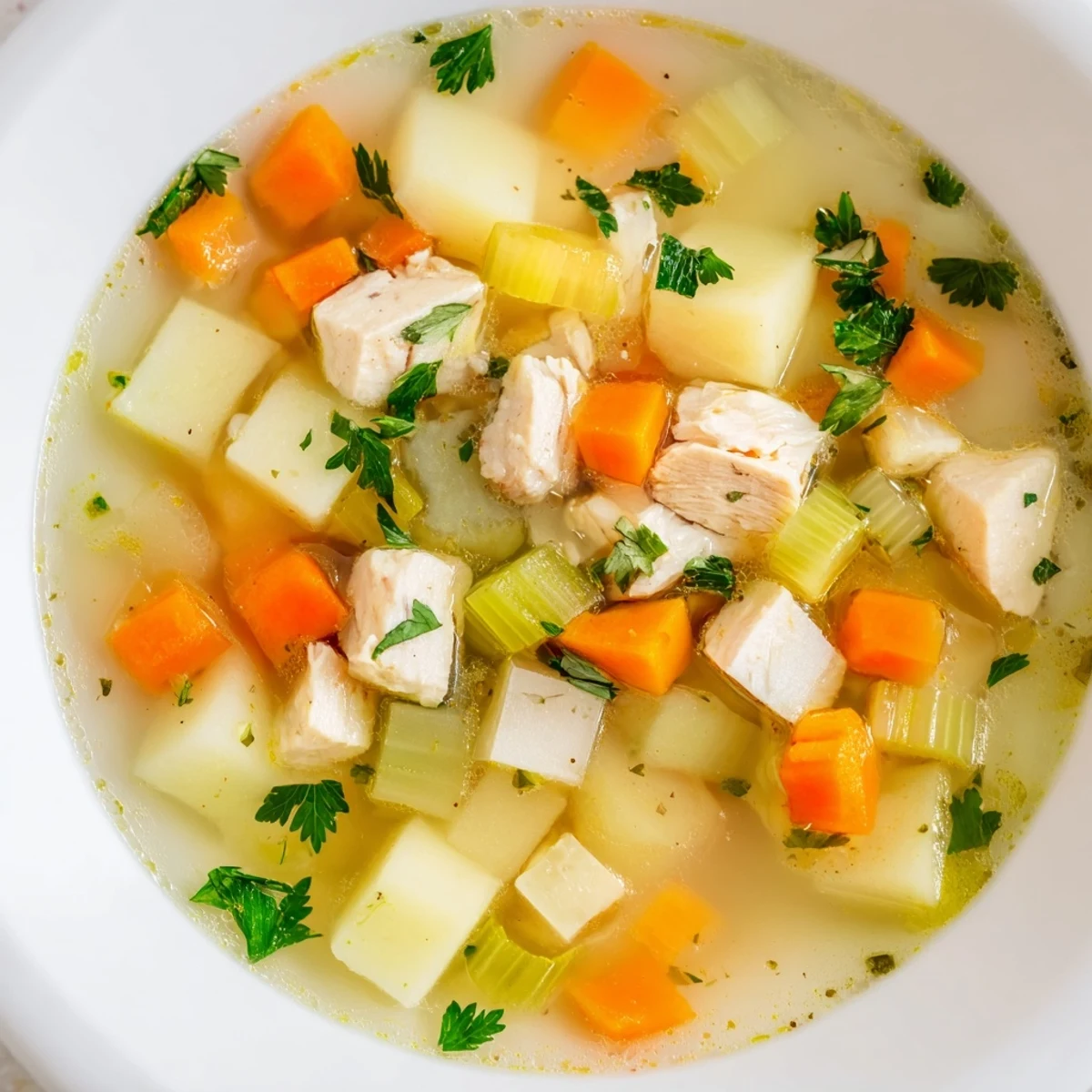
Save This hearty winter soup combines tender chicken with a blend of carrots, parsnips, leek, celery, and potato for cozy comfort. Aromatic herbs like thyme and fresh parsley add depth, while a splash of lemon juice brightens the flavors. Prepared with a light sauté and simmered gently in broth, it’s an easy, nourishing dish best served hot with optional chili flakes or crusty bread. Gluten-free and adaptable to vegetarian versions using mushrooms or chickpeas for protein.
I remember the first time I made this soup on a freezing January evening when my sister unexpectedly called asking if she could bring her family over. The forecast showed snow coming in hard by dinner, and I had just enough time to create something warm and comforting. As I chopped the vegetables, the kitchen filled with that unmistakable fragrance of sautéed onions and garlic—the smell that says home is about to get even warmer. That soup became the centerpiece of an impromptu gathering, and every spoonful seemed to melt away the winter chill and bring everyone closer together at the table.
My grandmother used to say that a good soup tells the story of what's in your garden or market that day. I discovered this version while helping my neighbor, who grew the most beautiful parsnips I'd ever seen. She insisted they belonged in soup, not just roasted on the side. That first batch, made with her vegetables still dusted with garden soil, taught me something crucial: the quality of your vegetables really does matter when they're this prominent in a dish.
Ingredients
- 2 boneless, skinless chicken breasts (about 300 g), diced: Dice them into bite-sized pieces, roughly three-quarter inch cubes. They'll cook perfectly by the time the vegetables are tender, and uniform sizing means nothing gets overcooked while waiting for other pieces to finish
- 2 medium carrots, peeled and sliced: Cut them on a slight diagonal into half-inch thick pieces—they'll cook evenly and look more intentional in the bowl
- 2 parsnips, peeled and sliced: These sweet root vegetables are the secret that makes people ask for the recipe. They soften beautifully and add a subtle earthiness that chicken broth alone could never achieve
- 1 small leek, cleaned and sliced: Slice the white and light green parts thinly, discarding the dark green tops. Leeks hold onto sand, so slice them first, then soak and swish them in water before adding to the pot
- 2 celery stalks, sliced: Don't skip this—it's the backbone of flavor that gives the broth its savory depth
- 1 medium potato, peeled and diced: This adds gentle body to the soup without making it heavy. Cut into small cubes so they soften at the same pace as everything else
- 2 cloves garlic, minced: Fresh garlic is non-negotiable here. Minced fine, it distributes throughout the soup and becomes mellow and sweet as it simmers
- 1 small onion, diced: This is your flavor foundation. The slower you cook it at the beginning, the sweeter it becomes
- 1.2 liters (5 cups) low-sodium chicken broth: Using low-sodium lets you control the salt level and keeps the vegetables' delicate flavors from getting overwhelmed
- 200 ml (3/4 cup) water: This extends the broth without diluting the flavor, and gives you room to add more seasoning if needed
- 1 bay leaf: One leaf—not more. It perfumes the entire pot with an herbaceous note that's unmistakable once you know what to listen for
- 1/2 tsp dried thyme: Thyme is the herb that whispers comfort in every spoonful. Dried works beautifully here since it infuses gently into the broth
- 1/4 tsp ground black pepper: Freshly ground makes a difference, though this small amount is just a whisper anyway
- Salt to taste: This is where you develop your palate. Start with just a pinch, taste as you go, and remember that the broth already carries some salt
- 2 tbsp chopped fresh parsley (plus more for garnish): Fresh parsley added at the end keeps its brightness and prevents that cooked-herb taste. Save extra for sprinkling on top—it's the final flourish that says you cared
- 1 tbsp olive oil: Good quality, but not your most expensive—this is cooking, not drizzling
- Juice of 1/2 lemon: The lemon is what makes people say, 'What's in this?' It's barely perceptible but absolutely essential, brightening everything without tasting citrusy
Instructions
- Begin with the aromatics:
- Pour your olive oil into a large pot and turn the heat to medium. Once it shimmers just slightly—you'll see it move across the pan—add your diced onion, sliced leek, and minced garlic. Let them sizzle together for about three minutes, stirring occasionally. Your kitchen will fill with that golden aroma that signals something delicious is happening. You're looking for the onions to turn translucent and for the raw garlic edge to soften completely.
- Build your vegetable base:
- Add the sliced carrots, parsnips, celery, and diced potato to the pot. Stir everything together so the vegetables coat themselves in the oil and soften slightly. Cook for about five minutes, stirring occasionally. At this point, the vegetables will start to release their individual scents—sweet carrot, earthy parsnip, green celery. This is the moment the soup truly begins to take shape.
- Introduce the protein:
- Scatter your diced chicken pieces over the vegetables and stir to distribute them evenly. Let them cook for three to four minutes, watching as the outsides turn opaque and slightly golden. You're not trying to cook the chicken through at this stage—just enough to seal in the juices and let it mingle with the other flavors already building in the pot.
- Bring it all together:
- Pour in your chicken broth and water carefully—the pot will bubble gently as the liquid hits the warm vegetables. Add the bay leaf, thyme, black pepper, and a small pinch of salt. Stir gently to combine, and you'll notice how quickly the broth takes on the golden hue of the vegetables already infusing into it.
- Let it simmer gently:
- Bring the soup to a boil over medium-high heat—you'll see larger bubbles breaking the surface. Once it reaches that gentle rolling boil, immediately reduce the heat to low or medium-low. Cover the pot partially and let it simmer undisturbed for about twenty-five minutes. This is when the magic happens: the vegetables become tender, the chicken cooks through completely, and all the individual flavors marry into something greater than their parts. Your kitchen will smell like a warm embrace.
- Finish with brightness:
- After twenty-five minutes, carefully remove the bay leaf with a spoon and discard it. Stir in the lemon juice and fresh parsley. Taste a spoonful—really taste it—and adjust the seasoning. You might want a touch more salt, or perhaps another squeeze of lemon. This is your soup now, so make it sing the way your palate wants to hear it.
- Serve with presence:
- Ladle the soup into warm bowls, letting the vegetables and broth fill them generously. Scatter extra fresh parsley over the top—it looks beautiful and adds one more layer of fresh herb flavor. Serve immediately while it's still steaming.
 Save
Save There was a moment, about twenty minutes into simmering, when my young nephew came into the kitchen asking what smelled so good. He was tired and cranky from a long day at school, but the warmth of that soup bowl seemed to transform him entirely. He sat at the kitchen counter eating every single spoonful, and for the first time all day, he smiled. That's when I understood that this soup isn't really about the ingredients or the technique—it's about what you're saying when you serve it. It says, 'I see you, and I want you to feel better.'
Why Parsnips Are the Secret Weapon
Most people overlook parsnips, saving them for holiday roasts or forgotten in the vegetable drawer. But in a soup like this, they're extraordinary. Where carrots bring sweetness and brightness, parsnips add depth—an almost creamy quality that makes you wonder if there's butter in the broth when there isn't. They soften to the perfect tender texture during the simmer, and they don't fall apart or get stringy the way some vegetables do. The first time I made this soup with parsnips instead of using carrots alone, I realized I'd been missing something crucial. Now I can't imagine this soup any other way.
The Art of Tasting and Adjusting
Cooking is really just a series of small decisions, and nowhere is that more true than when it comes to seasoning. This is why I always keep a spoon nearby during the last few minutes of cooking—to taste and adjust. Salt doesn't just make food salty; it wakes up all the other flavors and helps them shine. The same is true for lemon juice. Neither should be overpowering; they should be felt rather than tasted. I learned this from watching my mother cook, and it's made me a much better cook than any recipe alone ever could. The recipe gives you the framework, but your palate gives it soul.
Variations That Feel Natural
The beauty of this soup is how gracefully it accepts improvisation. In summer, when parsnips aren't at their peak, I've substituted celery root or even white beans, and it's been equally lovely. For a lighter version, use half the amount of chicken and add chickpeas or white beans for protein instead. In autumn, I sometimes add a small handful of kale at the very end, letting it wilt gently in the residual heat. And there's something wonderful about adding a pinch of red chili flakes if you want the soup to warm you from the inside out—not spicy exactly, just with a gentle tingle that makes you feel more alive. The magic of a good basic soup is that it's forgiving enough to evolve with the seasons while remaining essentially itself.
- For a vegetarian version, use vegetable broth and add diced mushrooms or chickpeas for substance and protein
- A small splash of cream stirred in at the very end adds richness without making it heavy
- Crusty bread on the side isn't just an accompaniment—it's essential for soaking up the last precious spoonfuls of broth
 Save
Save This soup has become my answer to almost every question: Are you cold? Have a bowl. Did something difficult happen today? Let me make you this soup. Is someone in your life feeling neglected? Bring them soup. It's honest, it's kind, and it never disappoints.
Recipe FAQs
- → Can I make this soup vegetarian?
-
Yes, omit the chicken and substitute the broth with vegetable stock. Add mushrooms or chickpeas for protein.
- → How long should I simmer the soup?
-
Simmer gently for about 25 minutes until the vegetables are tender and flavors meld together.
- → What herbs enhance the flavor?
-
Bay leaf, thyme, and fresh parsley provide aromatic depth and freshness to the soup.
- → Can I prepare the soup in advance?
-
Yes, it keeps well refrigerated for up to 3 days and flavors often improve after resting overnight.
- → What can I serve alongside this dish?
-
Crusty bread and a dry white wine complement the warm, savory notes perfectly.