
 Save
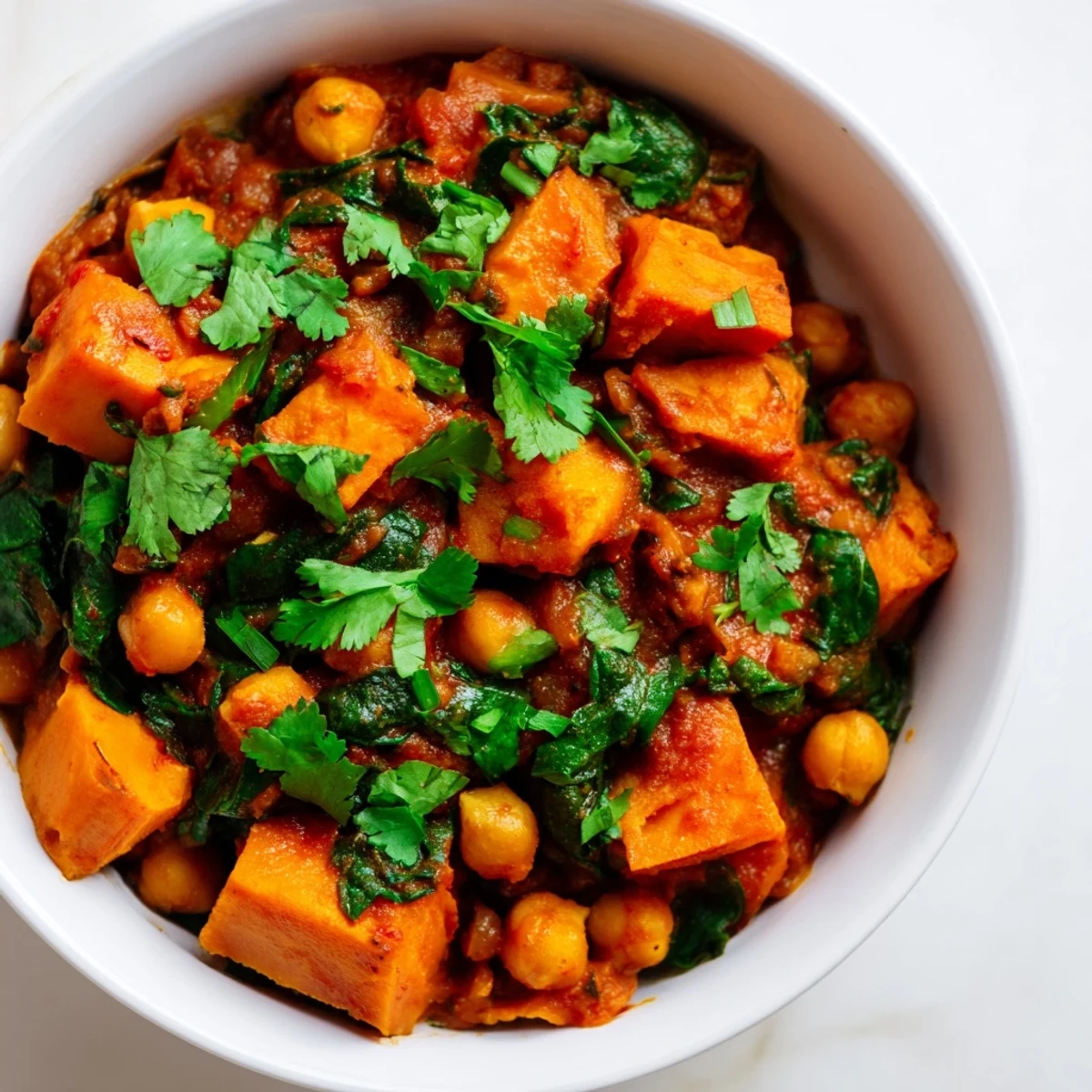
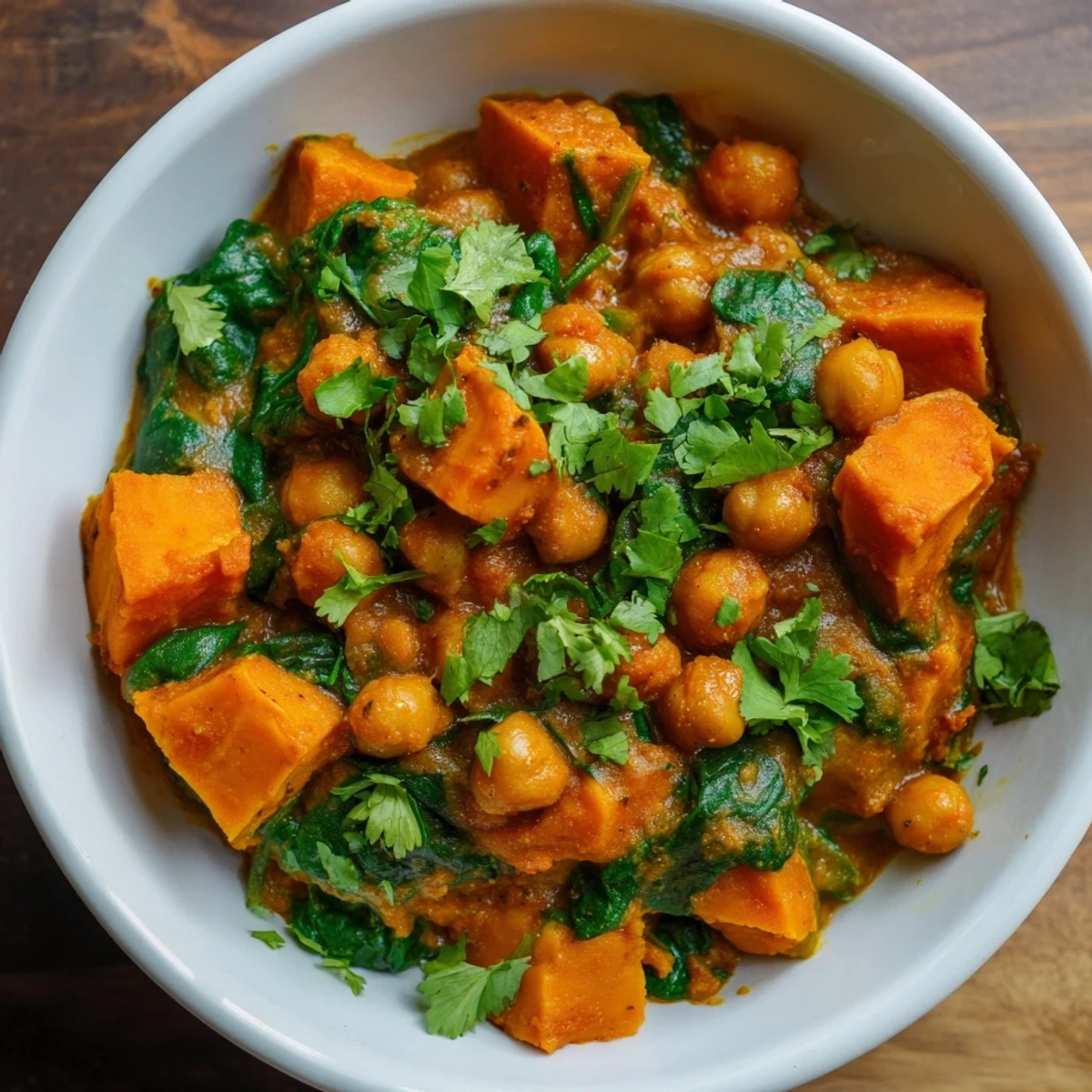
Save This vibrant dish combines tender sweet potatoes, hearty chickpeas, and fresh spinach in a fragrant coconut-tomato sauce. Aromatic spices including curry powder, cumin, turmeric, and smoked paprika create a warm and comforting flavor. Cooked gently to melt ingredients together, it’s perfect served with rice or flatbread. The coconut milk adds richness, while fresh cilantro and lime brighten each bite. Ideal for a nourishing vegan and gluten-free option that’s both easy and satisfying.
One rainy evening, I was standing in my kitchen with half a can of coconut milk, some sweet potatoes going soft in the crisper, and absolutely no plan. I'd been craving something warm and substantial, something that felt both comforting and a little adventurous. That's when the curry came together, almost by accident—and it's been my go-to ever since whenever I need to turn ordinary vegetables into something that tastes like it took hours.
I made this for a friend who'd just gone vegan, and I was nervous about it—worried it might taste like I was serving her vegetables out of obligation. When she took that first spoonful, her whole face changed. She asked for the recipe right there at the table, which is when I realized I'd accidentally created something that doesn't need an apology or an explanation, just a bowl and a spoon.
Ingredients
- Sweet potatoes: They're the backbone here, turning creamy and almost caramel-like as they simmer in the coconut milk. Cut them into uniform cubes so they cook evenly.
- Coconut milk: Full-fat makes it richer, but light works fine if that's what you have. Either way, don't skip it—it's what makes this feel luxurious.
- Chickpeas: They add substance and earthiness without overpowering the other flavors. Canned is perfectly fine; just rinse them well.
- Fresh spinach: It wilts down to almost nothing, but it adds a gentle bitterness that balances the sweetness of the potatoes.
- Curry powder: This is your main seasoning, so use one you actually like the smell of. Some blends are earthier, others brighter.
- Garlic and ginger: Together they're what make your kitchen smell like something intentional is happening. Don't skip the fresh ginger—it brings a warmth that powdered can't quite match.
- Tomatoes: They add acidity and depth. Canned is honestly better here than fresh because you get the juice too.
Instructions
- Warm up the base:
- Heat your oil in a large pot over medium heat and let the onions soften for a few minutes. They should be translucent and sweet-smelling when you move on—you're building flavor here, not rushing.
- Wake up the aromatics:
- Add your garlic and ginger and let them sit in the hot oil for just a minute. The smell that blooms is exactly when you know you're on the right track.
- Toast the spices:
- Add the curry powder, cumin, turmeric, paprika, and cayenne all at once, and let them warm through for about a minute. This step transforms them from raw powder into something more vibrant and alive.
- Coat and combine:
- Toss in your sweet potato cubes and stir them around so every piece gets that spiced oil coating. It looks humble at this point, but trust it.
- Bring it together:
- Pour in the coconut milk, tomatoes with their juices, and vegetable broth. Give everything a good stir, then let it come to a boil before you lower the heat.
- Let it simmer:
- Cover the pot and let it bubble gently for 15 to 20 minutes until the sweet potatoes are fork-tender. Your kitchen is about to smell incredible.
- Finish strong:
- Add the chickpeas and spinach, and let everything cook uncovered for about 5 more minutes. The spinach will wilt right down, and the chickpeas will warm through and absorb all those flavors.
- Season and serve:
- Taste it, add salt and black pepper until it tastes like itself, and then ladle it into bowls. A handful of cilantro and a lime wedge on the side makes it feel like you planned this all along.
 Save
Save The best part about this curry is how it gets better as the days pass. I've made it on a Sunday and eaten it three different ways—over rice while catching up on a show, straight from a mug while standing at the kitchen counter, and spooned over toast when everything felt too complicated for actual plates.
What Makes This Curry Special
There's something about the combination of coconut and turmeric that feels both familiar and exciting. The turmeric gives you that earthy, slightly bitter undertone, while the coconut milk brings sweetness and richness. Together with the curry powder, they create a sauce that tastes far more complex than the ingredient list suggests. The sweet potatoes contribute their own natural sweetness, which plays beautifully against the warm spices and the bright acid from the tomatoes.
How to Adapt It to What You Have
This is one of those recipes that's genuinely flexible without becoming chaotic. Don't have fresh spinach? Frozen works, though add it a minute earlier so it has time to warm through. Out of chickpeas but have other beans? Lentils, black beans, or white beans all work perfectly. Can't find curry powder? Use a combination of more cumin, coriander, and turmeric, and you'll still land in a good place.
Serving and Storing
Serve this over basmati rice, with naan for scooping, or over quinoa if you want something lighter. It also tastes wonderful over roasted cauliflower or alongside some simple greens. The curry keeps beautifully in the refrigerator for three days, and the flavors actually deepen as it sits. Freeze it too if you want a quick dinner waiting in the wings for a future version of yourself who's tired and hungry.
- Reheat it gently on the stove with a splash of water or broth if it seems too thick.
- Add a handful of fresh cilantro when you serve leftovers to brighten them back up.
- A squeeze of lime juice right before eating makes it taste fresher every single time.
 Save
Save This curry has become the recipe I make when I want to feel like I'm taking care of myself and everyone around me at the same time. It's simple enough to make on a weeknight but thoughtful enough to serve when you have people you want to impress.
Recipe FAQs
- → Can I use fresh chickpeas instead of canned?
-
Yes, soaked and cooked fresh chickpeas can be used, but they require longer cooking time to reach tenderness.
- → What can I substitute for fresh spinach?
-
Baby kale or Swiss chard are great alternatives and can be added towards the end of cooking like spinach.
- → How spicy is this dish?
-
The cayenne pepper is optional and can be adjusted to control the spice level, making it mild to moderately spicy.
- → Is it necessary to use coconut milk?
-
Coconut milk adds creamy texture and subtle sweetness, but any plant-based milk with similar consistency can be a substitute.
- → How can I add more protein to this dish?
-
Adding cubed tofu during the last 10 minutes of simmering enhances protein content without altering the flavor significantly.
- → What sides pair well with this dish?
-
This curry pairs wonderfully with basmati rice, naan bread, or quinoa to create a complete meal.