
 Save
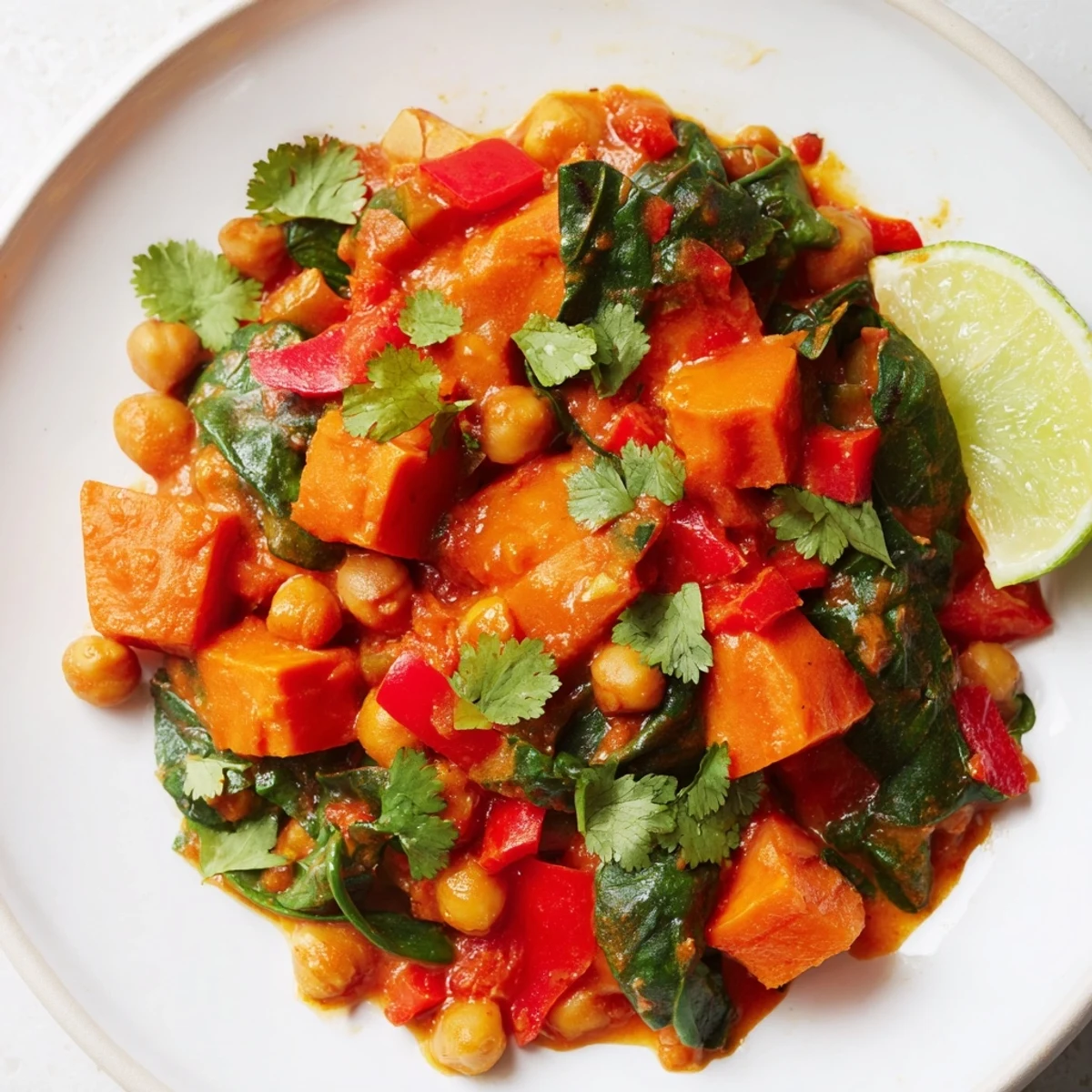
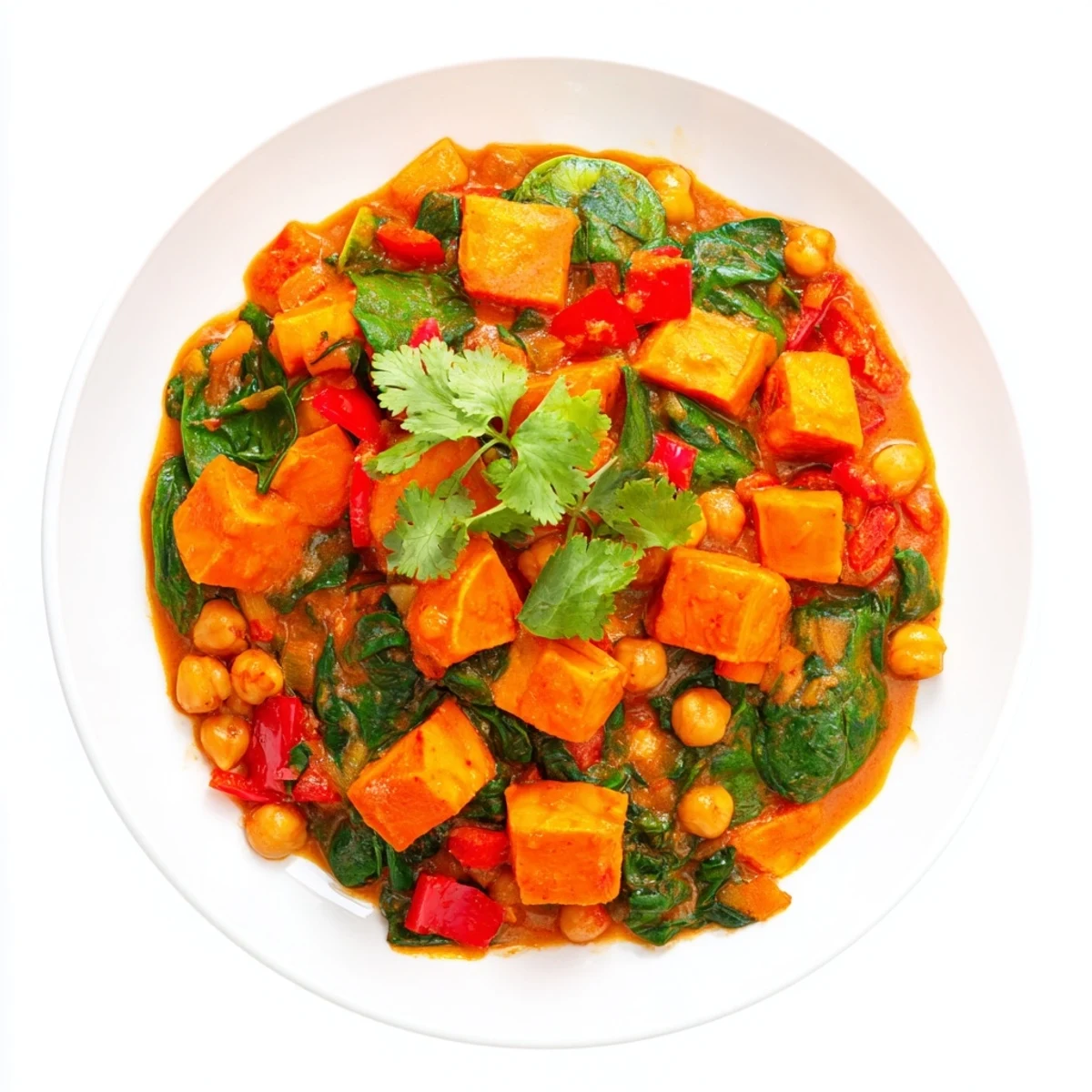
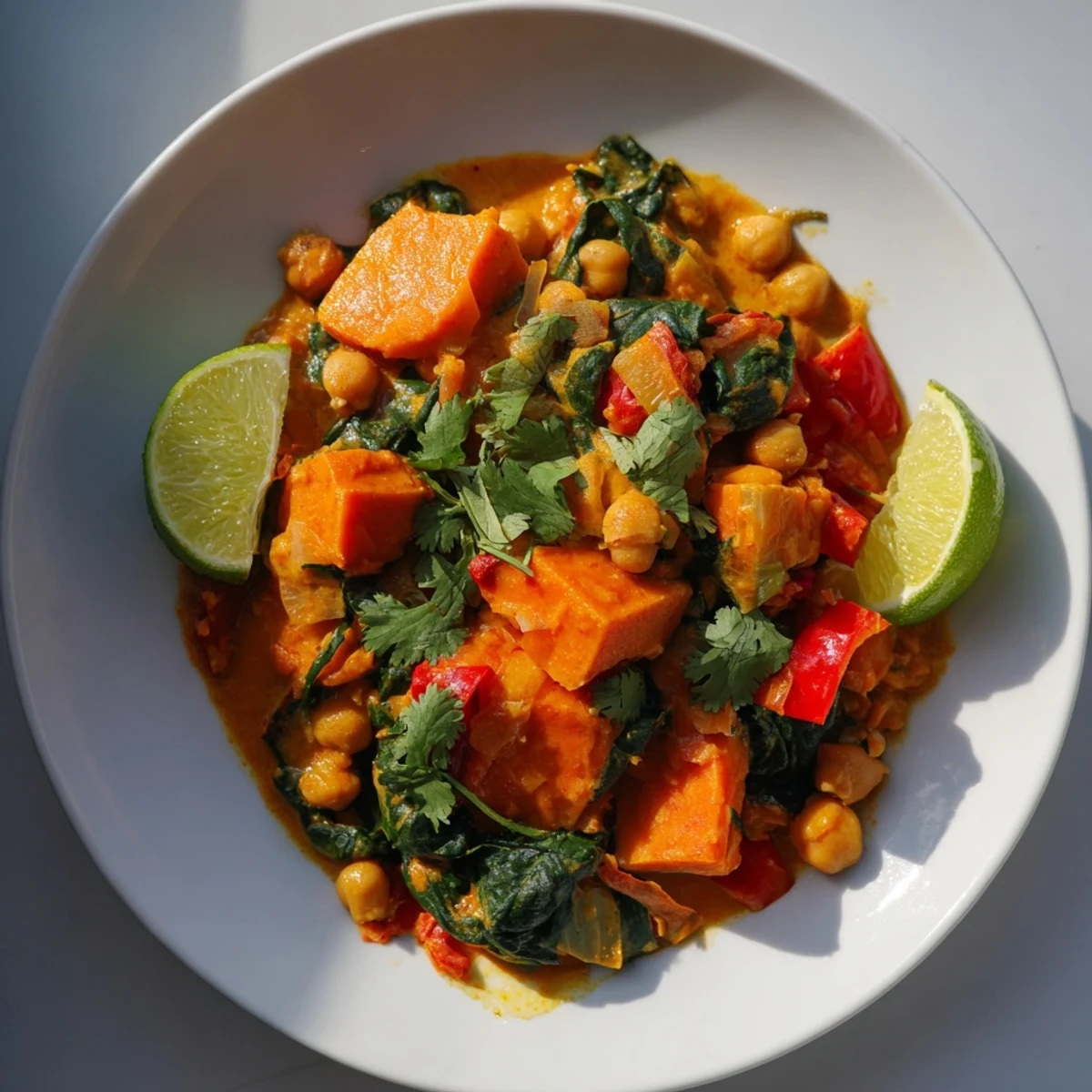
Save This Indian-inspired dish combines cubed sweet potatoes and chickpeas simmered in a rich coconut-tomato base. Aromatic spices like curry powder, cumin, and turmeric create depth, while fresh spinach adds color and nutrients. Finished with a squeeze of lime and cilantro, it makes for a satisfying, nourishing bowl served over rice or naan.
I discovered this curry on a rainy afternoon when my fridge held little more than a can of chickpeas, some sad sweet potatoes, and wilting spinach. There's something about coconut milk and curry powder that transforms humble ingredients into something that tastes like you've been simmering it all day. That first spoonful—warm, creamy, and unexpectedly complex—made me realize this wasn't just weeknight dinner; it became my go-to comfort meal whenever the weather turned grey.
I made this for a friend who'd just gone vegan, and I watched her face when she realized there was no hidden dairy sneaking around. She asked for the recipe before she even finished her bowl. Now whenever someone says "but what do vegans actually eat," I make them this curry and let the food answer the question.
Ingredients
- Sweet potatoes: They soften into creamy chunks that soak up all the curry sauce, and their natural sweetness balances the spices beautifully.
- Onion, garlic, and ginger: This trio builds your flavor foundation—don't skip it or rush it.
- Red bell pepper: It adds brightness and just enough sweetness to round out the dish.
- Fresh spinach: Stir it in at the end so it keeps its color and doesn't cook into submission.
- Chickpeas: These little powerhouses give you protein and a satisfying texture that keeps the curry from feeling too soft.
- Coconut milk: Use full-fat; it's the difference between creamy and watery, and it's worth it.
- Canned diced tomatoes: They add acidity and body without you having to spend time chopping fresh ones.
- Vegetable broth: This keeps everything from being too rich and helps you adjust the consistency as you cook.
- Curry powder, cumin, turmeric, and smoked paprika: Layer these spices together and you get depth that tastes intentional, not generic.
- Coconut oil or olive oil: Either works, but coconut oil adds a subtle richness that feels authentic.
- Lime juice and cilantro: Add these at the very end; they brighten everything and feel like a small gift to yourself.
Instructions
- Build Your Base:
- Heat your oil in a large pot over medium heat and sauté the chopped onion for 3–4 minutes until it's soft and starting to turn golden. You want to hear it sizzle and smell that sweet, cooked onion aroma.
- Add the Aromatics:
- Toss in your minced garlic, grated ginger, and diced red bell pepper, then stir constantly for about 2 minutes. Watch how the kitchen fills with that warm, peppery smell—that's when you know you're doing it right.
- Toast Your Spices:
- Sprinkle in the curry powder, cumin, turmeric, smoked paprika, and cayenne if you're feeling brave. Stir everything together for about 1 minute so the spices coat the vegetables and release their oils; you'll smell the difference immediately.
- Bring in the Heartiness:
- Add your cubed sweet potatoes and drained chickpeas, stirring so everything gets coated in those fragrant spices. Pour in the canned tomatoes, coconut milk, and vegetable broth, then stir well and bring to a gentle simmer.
- Let It Simmer:
- Cover the pot and let it bubble away for 20–25 minutes, stirring occasionally, until the sweet potatoes are tender enough to break apart with a spoon. This is your time to step back and let the flavors get to know each other.
- Finish Bright:
- Add your chopped spinach and cook for just 2–3 minutes until it wilts into the sauce. Taste as you go, adjusting salt, pepper, and lime juice until it feels balanced and alive on your tongue.
 Save
Save My partner took one bite and said, "This tastes like actual food, not like you're being deprived." That's when I knew this recipe had crossed over from "something I eat because it's healthy" to "something I eat because I genuinely want it."
Why This Curry Works
There's a reason this curry has become my answer to so many cooking situations—it's forgiving, it's adaptable, and it delivers real flavor without fussing. The sweet potatoes give you substance, the chickpeas give you protein, and the coconut milk wraps everything in something creamy and comforting. Even when I'm cooking for people who aren't vegan, they don't think about what's missing; they just think about how good it tastes.
Making It Your Own
This recipe is more of a starting point than a rulebook. I've stirred in coconut yogurt at the end for extra creaminess, added cubed tofu when I needed more protein, and even thrown in cauliflower or broccoli when that's what I had on hand. The beauty of a curry is that it welcomes whatever vegetables you're trying to use up, as long as you remember that things like spinach go in near the end while harder vegetables need more time in the pot.
Serving and Keeping
This curry tastes even better the next day after the flavors have settled into each other, which makes it perfect for batch cooking on Sunday. I've learned to serve it over basmati rice to soak up every drop of sauce, though quinoa works beautifully if you're looking for something different. Leftovers keep well in the fridge for up to three days, and it reheats without losing any of its charm.
- Make extra and freeze individual portions for nights when you need dinner but don't have energy to cook.
- The lime juice and cilantro garnish feel like a small luxury, so don't skip them even when you're in a rush.
- If you're cooking for someone who's nervous about vegan food, let this curry do the talking instead of explaining anything.
 Save
Save This curry has quietly become one of those dishes that proves you don't need to compromise flavor to eat in a way that aligns with your values. Make it once, and I suspect you'll find yourself reaching for it again and again.
Recipe FAQs
- → How long does it take to cook the sweet potatoes?
-
The sweet potatoes typically take 20–25 minutes to become tender when simmering in the coconut-tomato sauce.
- → Can I add extra protein to this dish?
-
Yes, you can add cubed tofu or tempeh during the simmering stage to increase the protein content.
- → How can I adjust the spice level?
-
You can easily control the heat by adding more or less of the optional cayenne pepper according to your preference.
- → What are the best serving suggestions?
-
This curry pairs perfectly with fluffy basmati rice, warm naan bread, or quinoa to soak up the flavorful sauce.
- → How should leftovers be stored?
-
Leftovers keep well in an airtight container in the refrigerator for up to 3 days.
- → Is this dish gluten-free?
-
Yes, this dish is naturally gluten-free, provided all your prepared ingredients, like broth, are certified gluten-free.