
 Save
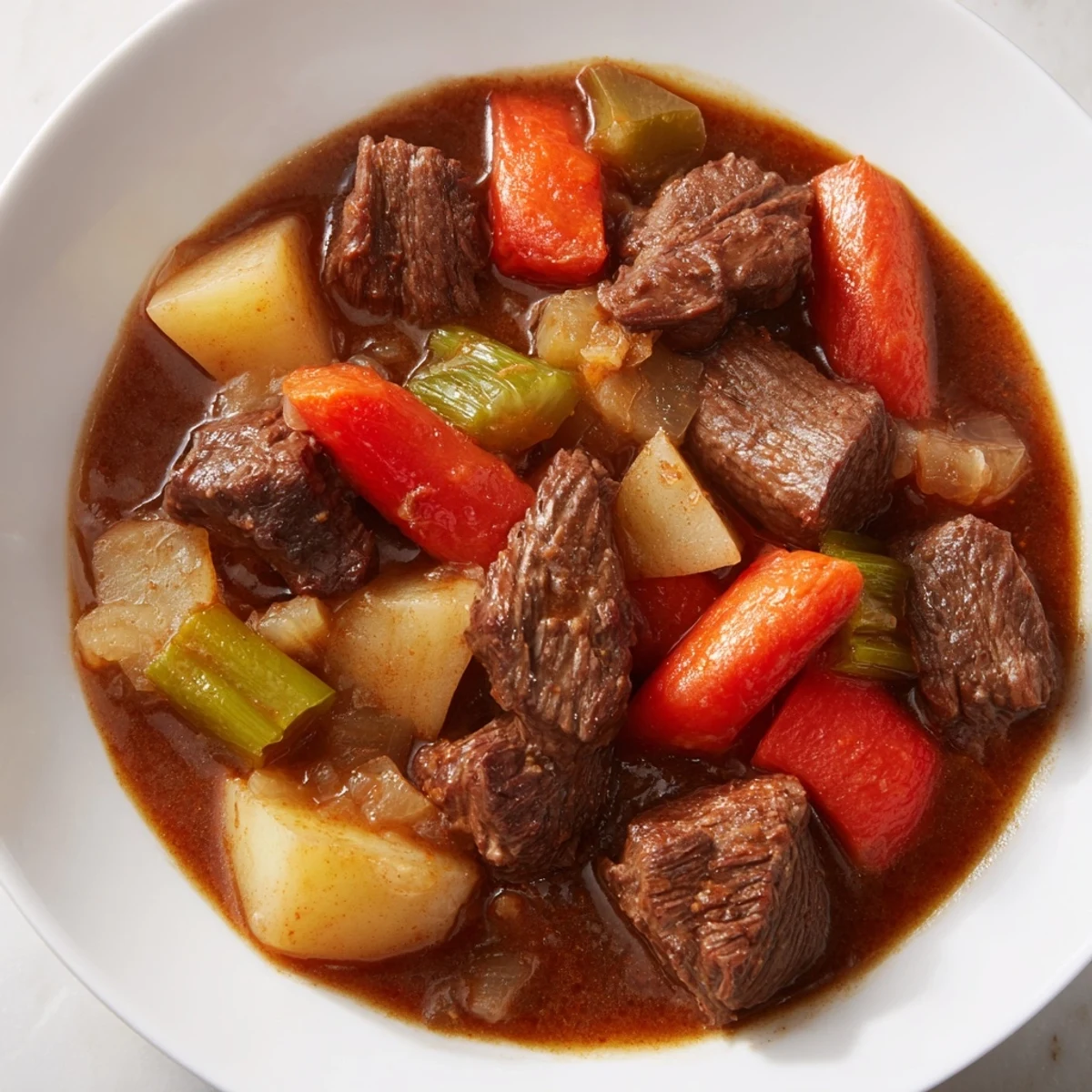
Save This dish combines tender chunks of beef chuck with a medley of root vegetables like carrots, parsnips, potatoes, and turnips. The ingredients are browned and sautéed before simmering slowly in a flavorful broth enhanced with tomato paste, herbs, and optional red wine. This slow-cooked method develops deep, rich flavors and a velvety texture. Seasoning is carefully adjusted for balance, making it perfect for warming up chilly evenings. Additional touches like Worcestershire sauce and thyme provide complexity without overpowering the natural taste of the ingredients.
The windows were rattling from a particularly fierce January wind when I decided beef stew was the only logical response to the weather. I'd been putting it off for weeks, telling myself I didn't have the time or patience, but there's something about a gray Sunday that makes a three-hour simmer feel like a gift rather than a commitment. The whole house smelled like wine and rosemary by noon, and my roommate actually emerged from her room asking what magical thing was happening in the kitchen.
I made this for a dinner party once when I was completely terrified about undercooking the beef, so I started it at 8 in the morning. By the time everyone arrived at 6, the stew had been simmering for nearly seven hours, and I was convinced I'd ruined it completely. But that first spoonful shut up every doubt in my head—it was rich, velvety, and the vegetables had practically dissolved into the broth like they'd been waiting their whole lives for this moment.
Ingredients
- Beef chuck: Chuck is the cut you want here because it has enough marbling to stay tender through long cooking, and cutting it into uniform cubes ensures everything cooks at the same rate.
- Carrots, parsnips, potatoes: These root vegetables become sweet and creamy as they simmer, absorbing all that beefy goodness while holding their shape enough to give you something to sink your teeth into.
- Yellow onion and celery: This aromatic foundation is where the deep flavor starts, so take your time softening them before you rush ahead to the next step.
- Garlic: Three cloves might feel like a lot, but garlic mellows beautifully in long-cooked dishes, becoming sweeter and less sharp.
- Beef broth and red wine: The combination creates a complex base—wine adds acidity and depth, while broth provides that fundamental beef backbone.
- Tomato paste: Just a couple tablespoons concentrate the flavors and give the broth that gorgeous rich color.
- Worcestershire sauce: This is my secret weapon for an extra layer of umami that makes people ask what's different about your stew.
- Bay leaves, thyme, rosemary: These herbs are classic for a reason—thyme and rosemary pair perfectly with beef, while bay leaves work quietly in the background.
- Flour: A light dusting helps thicken the broth naturally as it cooks, creating that velvety consistency without needing a separate roux.
Instructions
- Prepare the beef:
- Pat those cubes completely dry with paper towels—if they're damp, they'll steam instead of sear, and that's where all the flavor lives.
- Sear in batches:
- Get your pot seriously hot over medium-high heat, then brown the beef in batches so you don't crowd the pan. You want a proper crust on every side, and rushing this step is the quickest way to mediocre stew.
- Build the base:
- In the same pot (don't you dare clean it—those brown bits are gold), sauté your onion and celery until they're soft and translucent, then add garlic for just a minute until it's fragrant.
- Add depth:
- Stir in the tomato paste and sprinkle flour over everything, cooking for a couple minutes while stirring constantly to cook out that raw flour taste.
- Deglaze and return:
- Pour in your wine and scrape up every single brown bit from the bottom—that's concentrated flavor right there. Let it bubble for a few minutes, then return the beef to the pot.
- Add liquids and herbs:
- Pour in the broth, Worcestershire, bay leaves, thyme, and rosemary. Give it a good stir and take a moment to appreciate how good it already smells.
- Simmer low and slow:
- Add all your root vegetables, bring everything to a gentle bubble, then drop the heat to low and cover it. Walk away for two hours, maybe give it a stir once in a while, but mostly just let it do its thing.
- Finish with patience:
- Remove the lid for the last half hour so the broth can thicken up naturally. Taste it and adjust the seasoning, then fish out those bay leaves before anyone accidentally bites into one.
 Save
Save My dad always made beef stew on snow days when I was growing up, and I thought it was just a practical dinner choice. Years later, I realized he was buying himself hours of uninterrupted reading time while the pot bubbled away on the back burner—a strategy I've wholeheartedly adopted as an adult. Now whenever there's snow in the forecast, I find myself reaching for the chuck roast without even thinking about it.
Making It Ahead
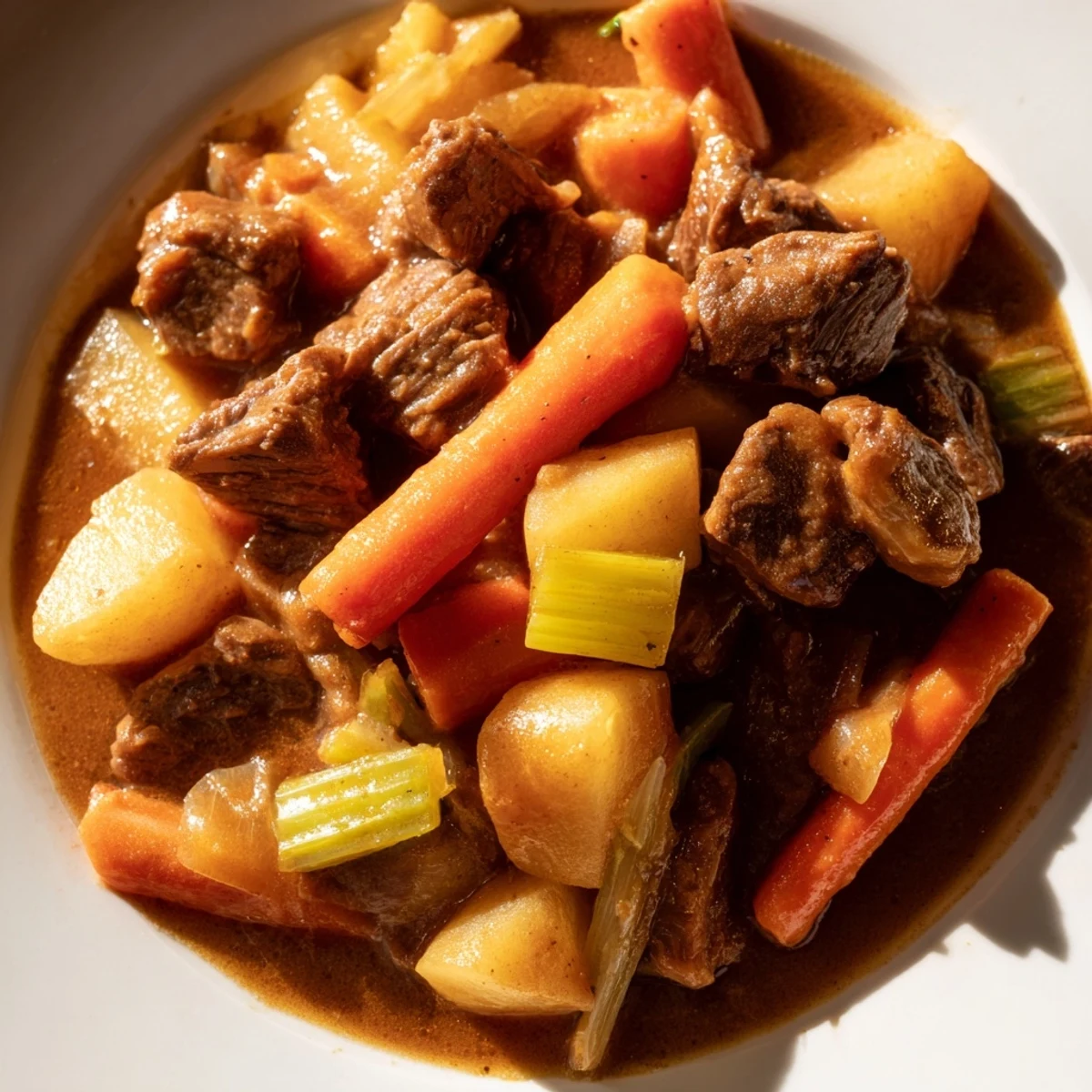
Stew is one of those rare dishes that genuinely improves with a night in the refrigerator. The flavors have time to marry and mellow, and you can easily skim off any fat that solidifies on top. Just reheat it gently the next day, adding a splash of broth if it's thicker than you'd like.
Serving Suggestions
A hunk of crusty bread is non-negotiable here—you need something to soak up that incredible broth. I've also served it over buttered egg noodles when I want something more substantial, and once I even spooned it over baked potatoes for a dinner that felt like a hug in food form.
Freezing And Storage
This stew freezes beautifully for up to three months, which is why I always make a double batch. Portion it into containers with just enough room for expansion, and thaw it overnight in the refrigerator before reheating. The potatoes might get slightly softer after freezing, but honestly, they're still delicious.
- Cool the stew completely before freezing to prevent ice crystals from forming.
- Label your containers with the date—I've learned the hard way that mystery stew is less exciting than it sounds.
- Always reheat gently over low heat, stirring occasionally to prevent sticking.
 Save
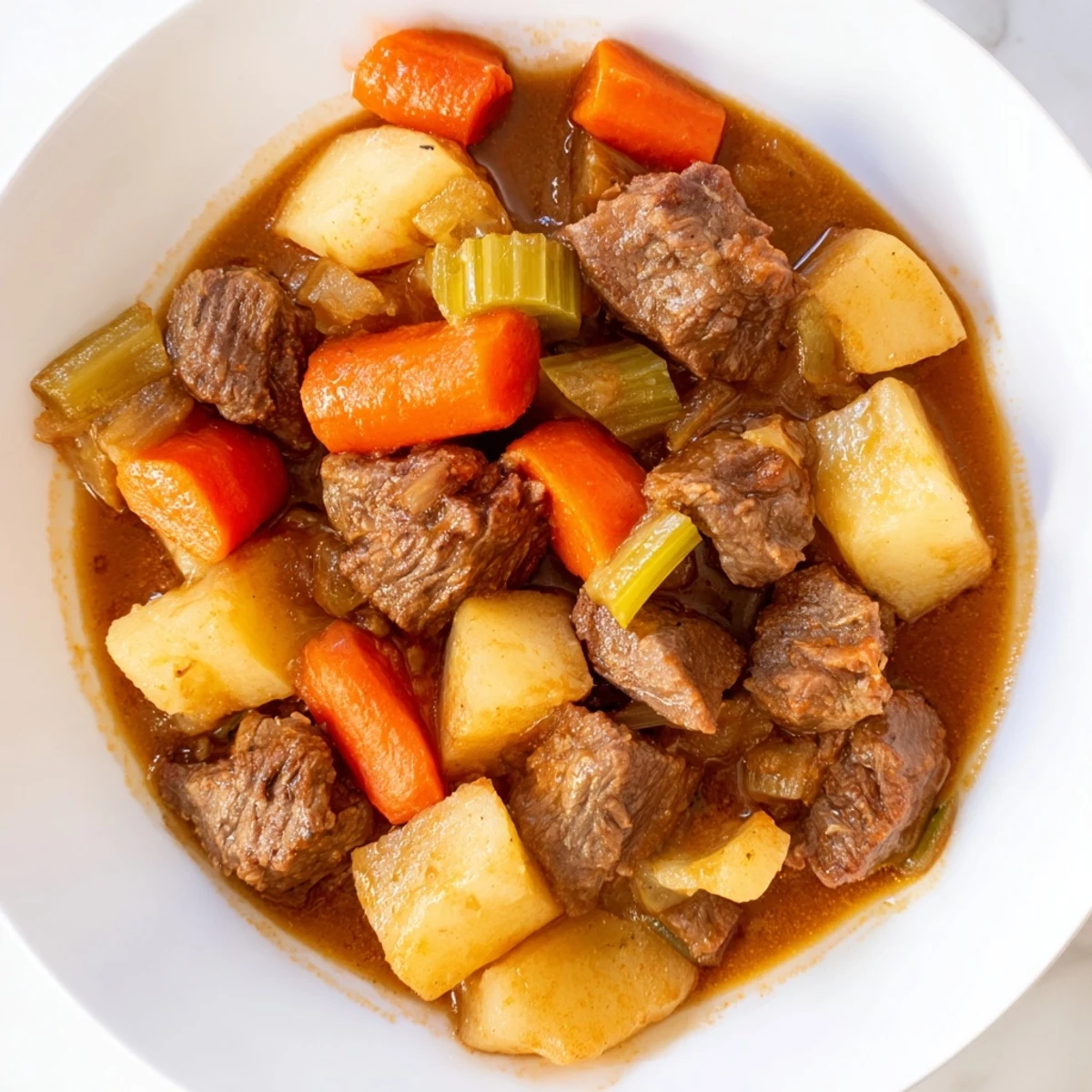
Save There's something profoundly satisfying about a dish that asks so little of you but gives so much in return. This stew is winter comfort at its finest.
Recipe FAQs
- → What cut of beef is best for this stew?
-
Beef chuck cut into 1-inch cubes is ideal for slow cooking, offering tenderness and rich flavor.
- → Can I use different root vegetables?
-
Yes, you can substitute or add sweet potatoes, turnips, or parsnips according to preference.
- → Is red wine necessary for flavor?
-
The wine adds depth, but you may omit it and increase broth without losing much richness.
- → How do I thicken the broth naturally?
-
Sprinkling flour over sautéed vegetables before simmering creates a naturally thickened broth.
- → Can this dish be prepared in advance?
-
Yes, allowing it to rest overnight enhances the flavors, making it even more delicious upon reheating.
- → What seasoning herbs are used?
-
Dried thyme, rosemary, bay leaves, salt, and pepper provide a well-rounded herbal profile.