
 Save
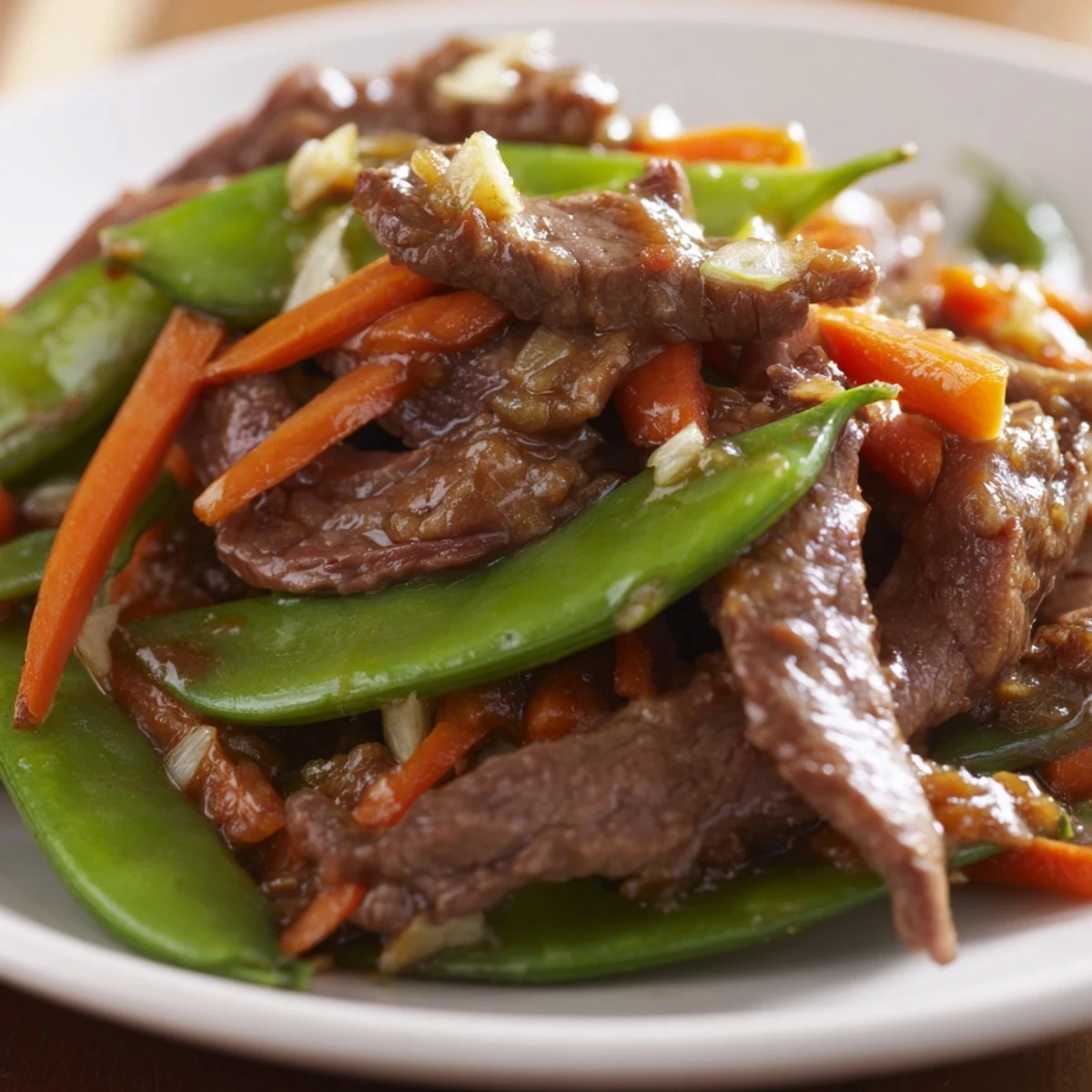
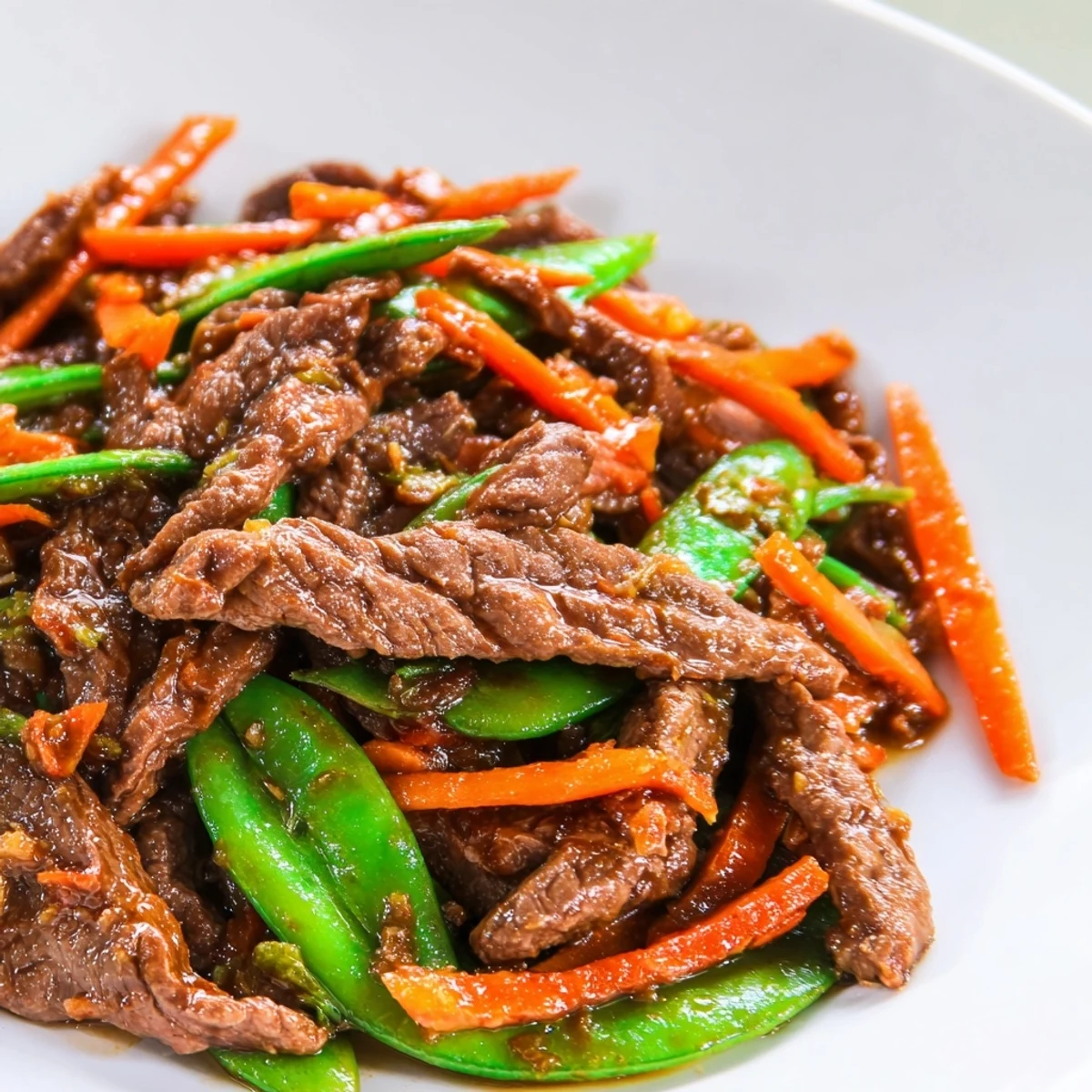
Save This dish features tender slices of beef quickly cooked with crisp snow peas and julienned carrots. The vibrant vegetables retain their crunch while the savory sauce, made with soy, hoisin, oyster sauce, and fresh aromatics like garlic and ginger, coats each ingredient evenly. Cooked in a hot wok for a quick finish, this stir fry balances sweet and savory notes and pairs perfectly with steamed rice or noodles for a satisfying meal.
There's something about the sound of a hot wok that makes me move faster in the kitchen. One weeknight, running late and hungry, I threw together whatever vegetables I had with some beef and sauce, and somehow created the dish that became my go-to when I needed to prove dinner could be both quick and impressive. That first stir fry was a lucky accident, but now it's something I make with purpose.
I made this for my sister once when she stopped by unexpectedly, and she couldn't believe I'd put it together in the time it took her to pour a drink. The way the sauce coated everything, the way the carrots still had a little snap to them—that's when I realized this recipe was something worth keeping close.
Ingredients
- Flank steak or sirloin, thinly sliced against the grain (450 g or 1 lb): Slicing against the grain is the secret that makes every bite tender, even though you're cooking it fast and hot.
- Snow peas, trimmed (150 g or 1 cup): These stay bright and slightly crisp if you don't let them sit in the wok too long.
- Carrots, peeled and julienned (2 medium): The thin cuts mean they cook just enough to soften without losing their sweetness.
- Scallions, sliced (2, optional): Save these for the end as a fresh, sharp finish.
- Soy sauce (2 tbsp, plus 1 tbsp for marinade): This is your foundation, and a good quality one makes a real difference.
- Oyster sauce (1 tbsp): It adds a savory depth that you can't quite replicate any other way.
- Hoisin sauce (1 tbsp): A little sweet, a little spiced, the connector that brings all the flavors together.
- Cornstarch (1 tbsp, plus 1 tbsp for marinade): This is what thickens your sauce and also what makes the beef coat evenly when it hits the heat.
- Rice vinegar (1 tbsp): The brightness that keeps everything from feeling too heavy.
- Sesame oil (2 tsp): Use the real stuff, not the lite version—it has a nutty warmth that matters.
- Sugar (2 tsp): Just enough to balance the savory and acidic notes.
- Garlic, minced (2 cloves): Fresh garlic, always, and mince it fine so it disappears into the sauce.
- Fresh ginger, grated (1 tsp): Ginger adds a gentle heat and brightness that sesame oil loves.
- Freshly ground black pepper (1/4 tsp): Grind it fresh right before you cook.
- Water (2 tbsp): This thins the sauce so it coats rather than pools.
- Vegetable oil for cooking (2 tbsp): Canola or peanut oil stays calm over high heat.
Instructions
- Marinate the beef:
- In a medium bowl, combine the sliced beef with 1 tablespoon soy sauce and 1 tablespoon cornstarch, coating every piece evenly. Set it aside for 10 minutes—this time matters because the cornstarch is working its way into the meat, and the soy sauce is flavoring it from the inside out.
- Build your sauce:
- In a small bowl, whisk together the remaining soy sauce, oyster sauce, hoisin sauce, rice vinegar, sesame oil, sugar, garlic, ginger, black pepper, and water until smooth. This is your safety net—everything's mixed and ready, which means you won't be hunting for ingredients once the heat is on.
- Sear the beef:
- Heat 1 tablespoon of vegetable oil in a large wok or skillet over high heat until it shimmers and moves like water. Add the marinated beef in a single layer and let it sit for 30 seconds before stirring—this creates that seared edge that catches the sauce later. Stir fry for 2 to 3 minutes until the outside is browned but the inside still has give. Transfer to a plate.
- Cook the vegetables:
- Add the remaining tablespoon of oil to the wok and let it heat through. Add the carrots first because they need the most time, stirring constantly for 2 minutes until they soften slightly at the edges but still have resistance when you bite one. Add the snow peas and stir fry for another 1 to 2 minutes until they're vibrant and warm but still have a snap.
- Bring it together:
- Return the beef to the wok, pour in the sauce, and toss everything constantly for 1 to 2 minutes. You'll see the liquid thicken and coat every piece—that's when you know it's ready. The beef finishes cooking in the residual heat, and the sauce becomes glossy and cling to everything.
- Finish and serve:
- Remove from heat, scatter scallions over the top if you're using them, and serve immediately over steamed rice or noodles so the sauce doesn't cool and set.
 Save
Save I learned these rules the hard way, burning the bottom of my wok one night and overcrowding the beef another, but once I understood that stir fry is about respect for heat and timing, everything changed. Now when I make this, I feel that same confidence I heard in the woks at restaurants.
Why This Dish Works on a Weeknight
The entire meal takes less than half an hour from raw ingredients to table, which means you can start cooking after work and eat before the evening disappears. Every component is simple to prep if you do it before the heat comes on, so you're never fumbling for something mid-stir. The vegetables stay close to raw, so they taste like themselves but softer, and the sauce brings everything into conversation without overwhelming the clarity of each ingredient.
Making It Your Own
Sugar snap peas work exactly like snow peas if you prefer them, and sliced bell peppers in any color add sweetness and personality. A pinch of crushed red pepper or a drizzle of chili oil at the end brings heat if you like that, and it won't throw off the balance of everything else. You could add ginger a little heavier if you love it that way, or garlic if you're in that mood—this recipe is flexible enough to bend toward your tastes.
- For a gluten-free version, swap soy sauce and hoisin for their tamari and gluten-free counterparts, and check that oyster sauce label.
- If shellfish is a concern, mushroom sauce trades evenly for oyster sauce and brings its own umami depth.
- Serve over jasmine rice for fragrance, brown rice for earthiness, or soba noodles if you want something with a little texture and nutty flavor.
Sauce and Seasoning Secrets
The reason this sauce works is because it has layers: salty from soy and oyster, sweet from hoisin and sugar, sharp from vinegar, warm from ginger and garlic, and a final nuttiness from sesame oil. None of them dominate unless you want them to, and cornstarch is what holds them all together into something that clings instead of running off. Taste your sauce before you cook if you can—you'll get a sense of whether you need to adjust the balance, and then you can trust it once the heat is on.
 Save
Save This stir fry has become my answer to the question of what's for dinner when time is short and appetite is real. It's taught me that good cooking doesn't require hours—it just requires attention and heat and ingredients you believe in.
Recipe FAQs
- → What cut of beef is best for this stir fry?
-
Flank steak or sirloin sliced thinly against the grain works well for tender, quick cooking.
- → How do I keep snow peas crisp?
-
Stir fry the snow peas briefly over high heat to retain their crunch and bright color.
- → Can I prepare the sauce in advance?
-
Yes, whisk together all sauce ingredients ahead of time for quick assembly during cooking.
- → What oil is recommended for stir frying?
-
Use neutral oils with high smoke points like canola or peanut oil for even cooking.
- → How can I add a spicy kick to this dish?
-
Add crushed red pepper flakes or a drizzle of chili oil to the stir fry sauce before cooking.
- → Are there gluten-free alternatives for the sauces used?
-
Tamari can replace soy sauce and ensure all other sauces are certified gluten-free substitutes.