
 Save
Save This soy-and-balsamic blend tenderizes beef while layering garlic, Dijon, brown sugar, lemon and rosemary for a balanced savory-sweet finish. Whisk the base, coat steaks, and chill 2-24 hours, turning once for even penetration. Pat dry before high-heat grilling, pan-searing or broiling; discard used marinade. Swap honey for brown sugar or add red pepper flakes for heat.
The smoky scent of steaks sizzling on the grill never fails to transport me to summer evenings spent outdoors, but it was the first time I crafted my own marinade that made me truly appreciate how transformative a few pantry staples could be. What surprised me most was the gentle way the tang of balsamic vinegar nestled alongside savory undertones, giving even inexpensive cuts an undeniable upgrade. I don’t associate this recipe with special occasions, but more with the spontaneous urge to impress myself, even if it’s just a weeknight. There’s a quiet thrill in whisking familiar ingredients and discovering just how much better they taste when you mix them with your own hands.
One chilly fall afternoon, friends showed up unannounced and I happened to have steaks thawing in the fridge. I tossed everything into a bowl by instinct and let them marinate while we caught up, laughing over stories as the garlic and rosemary started to perfume the kitchen. The result was a meal that felt both effortless and secretly sophisticated, cementing this recipe as my dependable crowd-pleaser for all future drop-ins. Now, whenever the doorbell rings, I don’t panic—I just reach for my marinade staples.
Ingredients
- Soy sauce: It brings a deep, savory base and I always use low-sodium to avoid oversalting, especially if my steaks are on the thinner side.
- Olive oil: This coats each steak with richness, helping the marinade cling; sometimes, I swap for avocado oil when I’m out.
- Worcestershire sauce: A little goes a long way—it gives an unmistakable umami punch and complexity that plain salt can’t offer.
- Balsamic vinegar: The subtle sweetness and acidity brighten up the flavors and help tenderize; don’t skip it!
- Lemon juice (freshly squeezed): The touch of citrus lifts everything and fresh juice gives far better fragrance than bottled.
- Garlic, minced: I use more or less depending on who’s eating, but fresh is always best for depth.
- Dijon mustard: Its gentle bite emulsifies the marinade and ties flavors together.
- Brown sugar: This touch of sweetness helps caramelize the steak’s crust; dark or light sugar both work well.
- Black pepper, freshly ground: Cracking it right before mixing lends a gentle kick throughout.
- Dried rosemary (or chopped fresh): I prefer fresh in spring but stick with dried the rest of the year—both add piney aroma.
- Onion powder: It disappears into the marinade but brings subtle savoriness you’d miss if it weren’t there.
Instructions
- Mix the liquid base:
- Whisk the soy sauce, olive oil, Worcestershire sauce, balsamic vinegar, and lemon juice in a medium bowl until smooth and glossy.
- Blend in flavorings:
- Add the minced garlic, Dijon mustard, brown sugar, black pepper, rosemary, and onion powder, and whisk again—watch the Dijon melt in as the aroma blooms.
- Marinate the steaks:
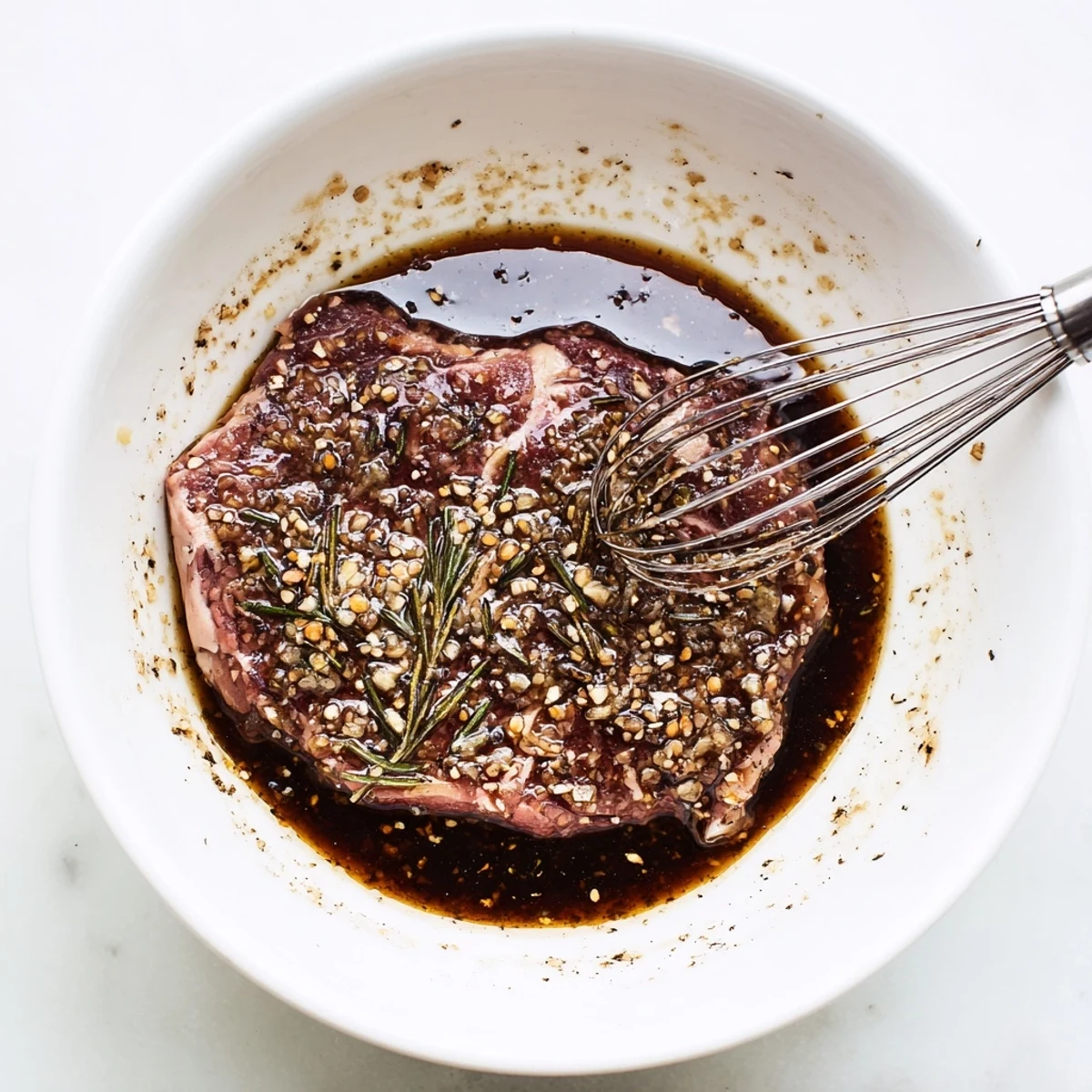
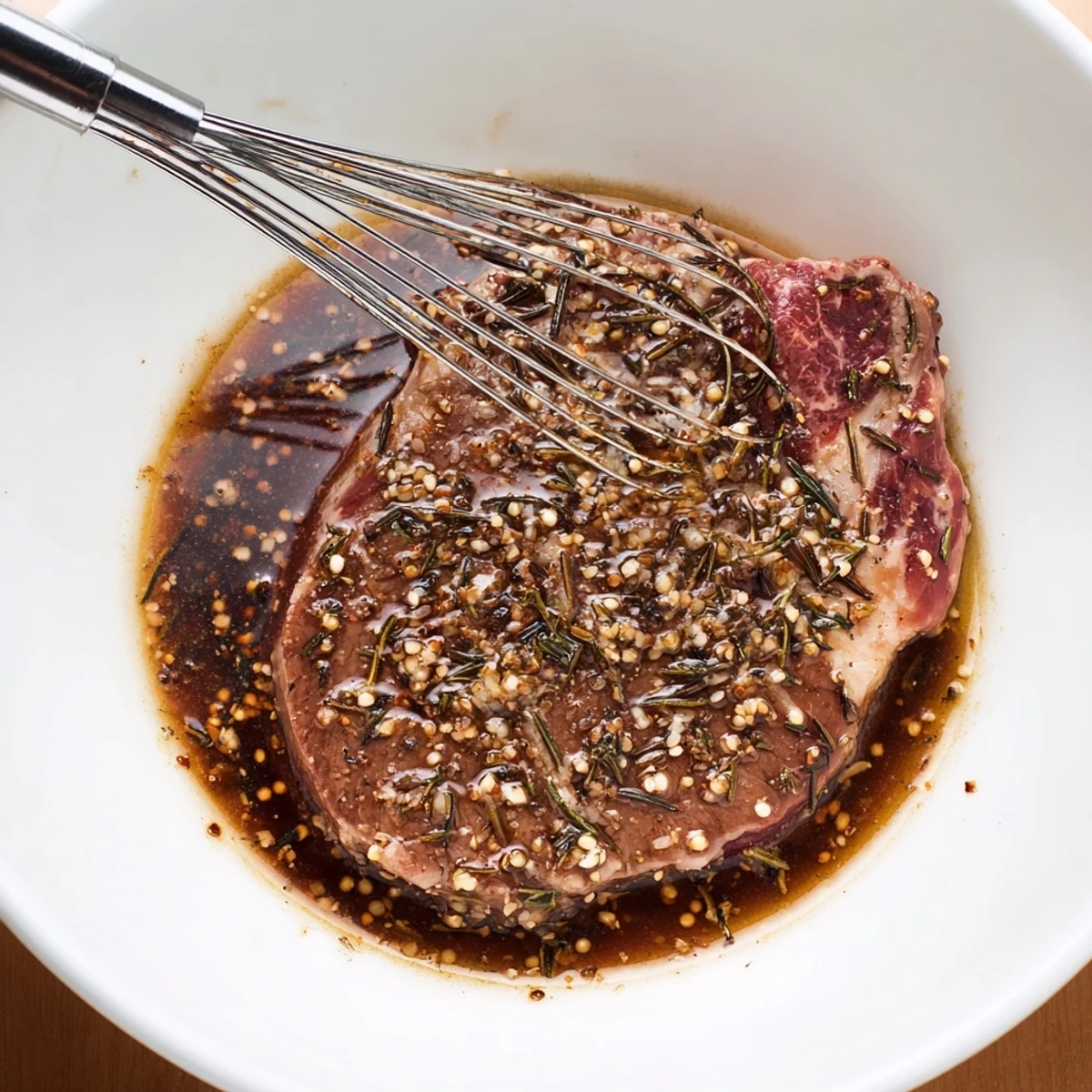
- Lay your steaks in a sturdy resealable bag or dish and pour the marinade over, massaging to coat every inch.
- Chill and wait:
- Seal or cover, tuck in the fridge, and let the flavors mingle for at least 2 hours or up to 24, turning the steaks a couple times if you remember.
- Ready for cooking:
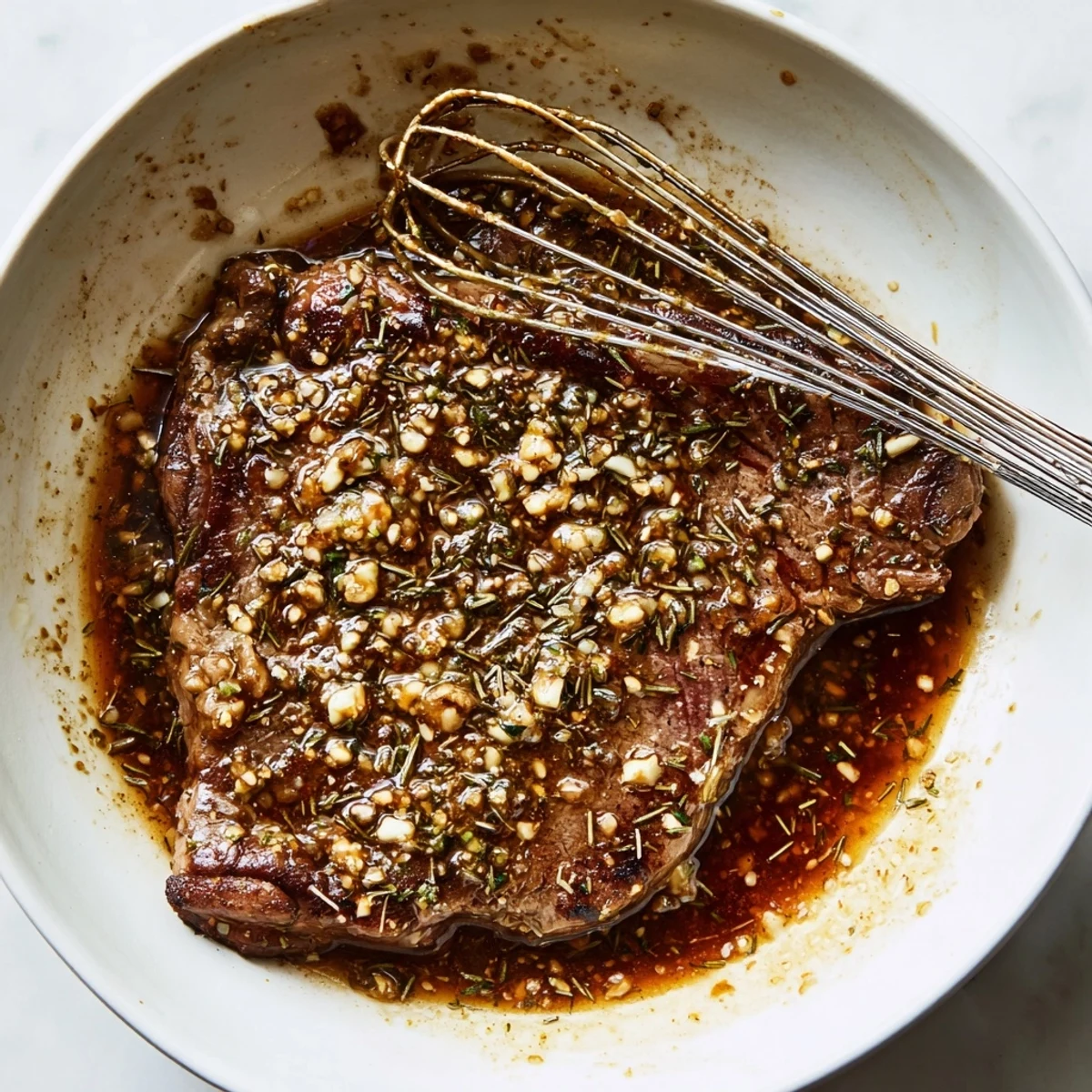
- Pull the steaks out of the marinade, gently pat them dry, discard what’s left, and get ready to grill, pan-sear, or broil to your favorite doneness.
 Save
Save One summer evening, after a slightly chaotic attempt at grilling in the rain, everyone huddled in the kitchen as the marinated steaks hit the skillet inside. The applause wasn’t for precise grill marks, but for how flavorful and tender every bite turned out—reminding us that company and good food trumped any picture-perfect presentation. Sometimes, I think the marinade brought us together just as much as the meal itself.
Marinating Success Stories
The first time I tried letting the steaks soak overnight, I worried it would overwhelm the beef, but it turned out just right—bold but balanced. The aroma that escaped when I opened the fridge felt like a promise that dinner would be memorable. In my experience, even quick two-hour marinates give a profound boost, so don’t stress if you’re short on time.
Choosing Your Cuts
I learned early that this marinade works wonders on budget-friendly cuts, rescuing sirloin or flank from toughness and adding juiciness every time. More marbled steaks will only get better, but I’ve had the most satisfying results with cuts I might have otherwise overlooked. Give it a try on whatever’s handy and see for yourself.
Make It Your Own
Once, I swapped out brown sugar for honey and tossed in crushed red pepper—suddenly, there was subtle heat and a different sweetness that matched the mood for the evening. Customizing the marinade lets you tailor the flavor to the people or moment. A simple tweak or two makes it feel brand new every time.
- Try a dash of smoked paprika if you crave a hint of smokiness.
- Marinate chicken or pork when you want variety.
- Always let the steaks come to room temperature before cooking for even results.
 Save
Save Marinating steak is my kitchen shortcut to big flavor with minimal effort and maximum reward. Give it a try, and you might just start looking for reasons to fire up the grill a little more often.
Recipe FAQs
- → How long should steaks marinate?
-
Marinate for at least 2 hours for surface flavor and up to 24 hours for deeper tenderizing. Thinner cuts need less time, while thicker cuts benefit from longer soaking for better penetration.
- → Can this marinade be used for other proteins?
-
Yes. The soy-and-balsamic base works well on pork chops and chicken breasts; reduce marination time for delicate poultry (30 minutes to 2 hours) to avoid overly soft texture.
- → Is it safe to reuse the used marinade?
-
No. Discard any marinade that has contacted raw meat. If you want a sauce, reserve a portion before adding raw protein or boil the used marinade for several minutes to kill bacteria.
- → How can I make it gluten-free?
-
Swap traditional soy sauce and Worcestershire sauce for gluten-free tamari and a gluten-free Worcestershire alternative. Double-check labels for hidden gluten or barley ingredients.
- → What cooking methods work best after marinating?
-
High-heat methods like grilling, pan-searing or broiling deliver a caramelized exterior and preserve juices. Pat steaks dry before cooking to promote browning and avoid steaming.
- → How can I adjust sweetness or heat?
-
Replace brown sugar with honey for a different sweetness and glaze. Add 1 tsp crushed red pepper flakes or a dash of hot sauce for a spicy kick; adjust to taste.