
 Save
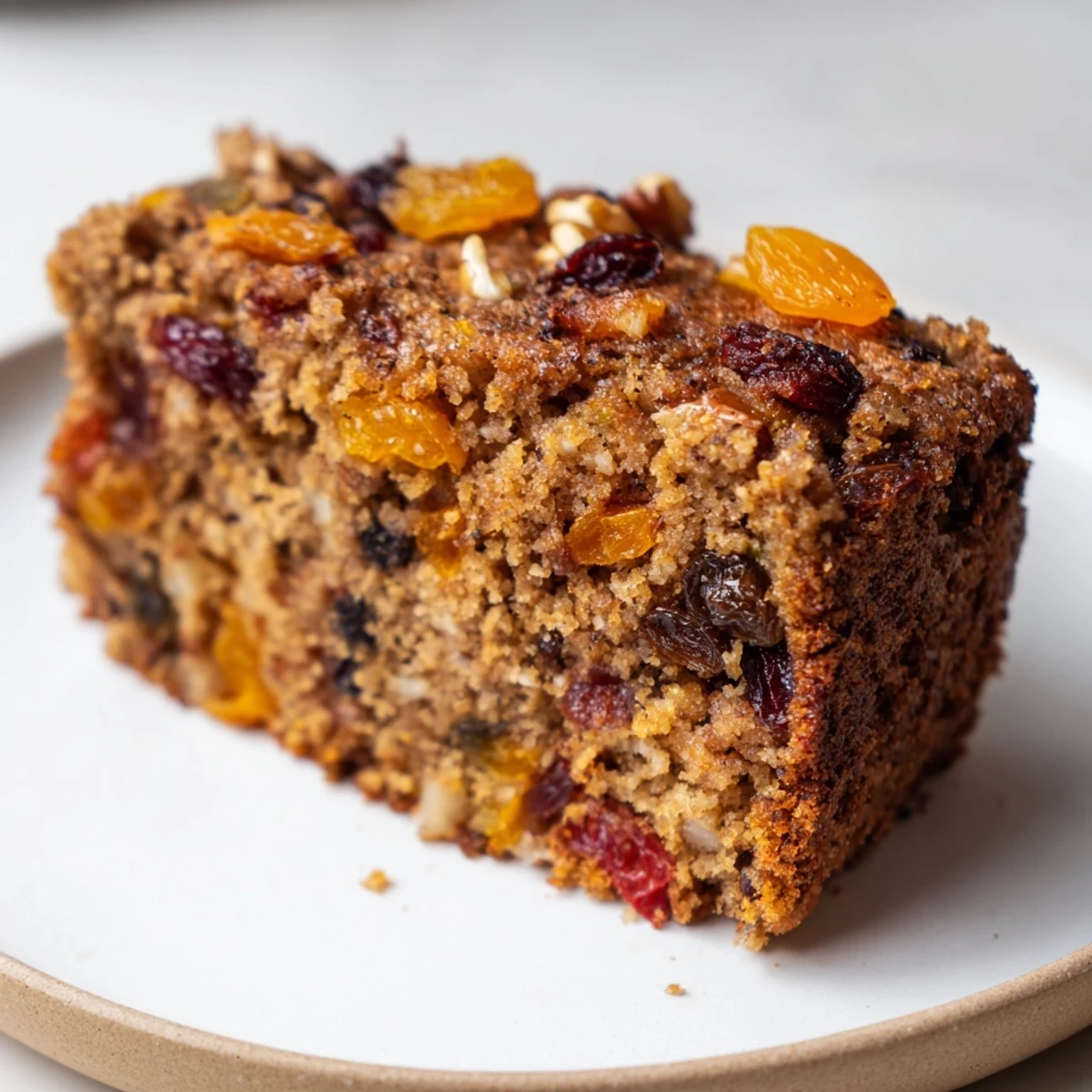
Save This rich, moist fruit cake blends a medley of dried fruits soaked in rum or orange juice with warm spices like cinnamon, ginger, and nutmeg. The velvety batter made from butter, eggs, and brown sugar envelops the fruity mix, creating a deeply flavored, tender dessert. Baking low and slow ensures a soft texture while maximizing spice infusion. Orange and lemon zest add a fresh citrus note, balancing sweetness and spice. Perfect for holiday celebrations or comforting treats, this cake benefits from resting to develop richer flavors and can be enhanced with an optional rum or brandy glaze.
I stumbled into fruit cake by accident one rainy November afternoon when my neighbor handed me a tin wrapped in checkered cloth. The cake inside was dark, impossibly moist, and smelled like Christmas distilled into crumbs. I asked for the recipe that same evening.
The first time I baked this for a winter gathering, someone asked if I'd been hiding a bakery in my pantry. I hadn't, but I did feel a quiet pride watching slices disappear from the plate faster than I expected.
Ingredients
- Raisins: They plump beautifully when soaked and hold moisture through every bite, choose the softer ones if you can.
- Currants: Tiny and tart, they scatter sweetness without overwhelming the crumb.
- Dried apricots: Their gentle tang cuts through the richness and adds flecks of bright orange throughout.
- Candied orange peel: This is where the cake gets its subtle bitterness and old world charm, don't skip it.
- Dried cranberries: A modern touch that brings a jewel tone pop and mild acidity to balance the sugar.
- Walnuts: Optional but worth it for the earthy crunch, toast them lightly first if you have time.
- Dark rum or orange juice: Rum deepens the flavor with warmth, juice keeps it family friendly, both work their magic during the soak.
- Unsalted butter: Softened to room temperature so it creams easily and builds that tender structure.
- Dark brown sugar: It adds molasses notes and keeps the cake moist longer than white sugar ever could.
- Eggs: They bind everything together and give the crumb its lift, make sure they're at room temperature.
- Plain flour: The foundation that holds the fruit without turning dense or heavy.
- Baking powder: Just enough to create a gentle rise without making it fluffy like a sponge.
- Salt: A pinch sharpens every other flavor and keeps the sweetness from going flat.
- Cinnamon: The backbone of the spice blend, warm and familiar.
- Ground ginger: It hums quietly in the background with a hint of heat.
- Nutmeg: Freshly grated if possible, it adds a nutty sweetness that store bought powder can't quite match.
- Cloves: Use sparingly, their intensity can take over if you're not careful.
- Allspice: Rounds out the spice mix with its peppery, almost floral edge.
- Orange zest: Bright and aromatic, it lifts the whole cake without adding moisture.
- Lemon zest: A whisper of citrus that keeps the richness in check.
Instructions
- Prep your tin and preheat:
- Set your oven to 150°C and line a 23 cm round tin with parchment, making sure it comes up the sides. Low and slow is the secret here.
- Soak the fruit:
- Toss all the dried fruit, peel, and nuts into a bowl, pour over the rum or juice, and stir until everything glistens. Let it sit for at least half an hour, though overnight in the fridge makes them plump and boozy.
- Cream butter and sugar:
- Beat the softened butter and brown sugar together until it looks pale and fluffy, this takes a few minutes but it's worth the arm workout or the hum of the mixer.
- Add eggs one at a time:
- Crack them in slowly, beating well after each one so the mixture stays smooth and doesn't split.
- Sift and mix dry ingredients:
- Combine flour, baking powder, salt, and all your spices in a separate bowl, then sift them together to avoid clumps.
- Fold in the flour mixture:
- Add the dry ingredients to the wet in batches, folding gently with a spatula until just combined. Overmixing makes it tough.
- Stir in fruit and zest:
- Tip in the soaked fruit with any leftover liquid, plus the orange and lemon zest, and fold until every spoonful looks studded with color.
- Fill the tin and smooth:
- Scrape the thick batter into your prepared tin and level the top with the back of a spoon, it'll be dense and sticky.
- Bake low and slow:
- Slide it into the oven and bake for an hour and a half, checking with a skewer at the end. It should come out clean or with just a few moist crumbs clinging.
- Cool completely before removing:
- Let the cake cool in the tin on a rack, patience here prevents it from crumbling when you lift it out.
 Save
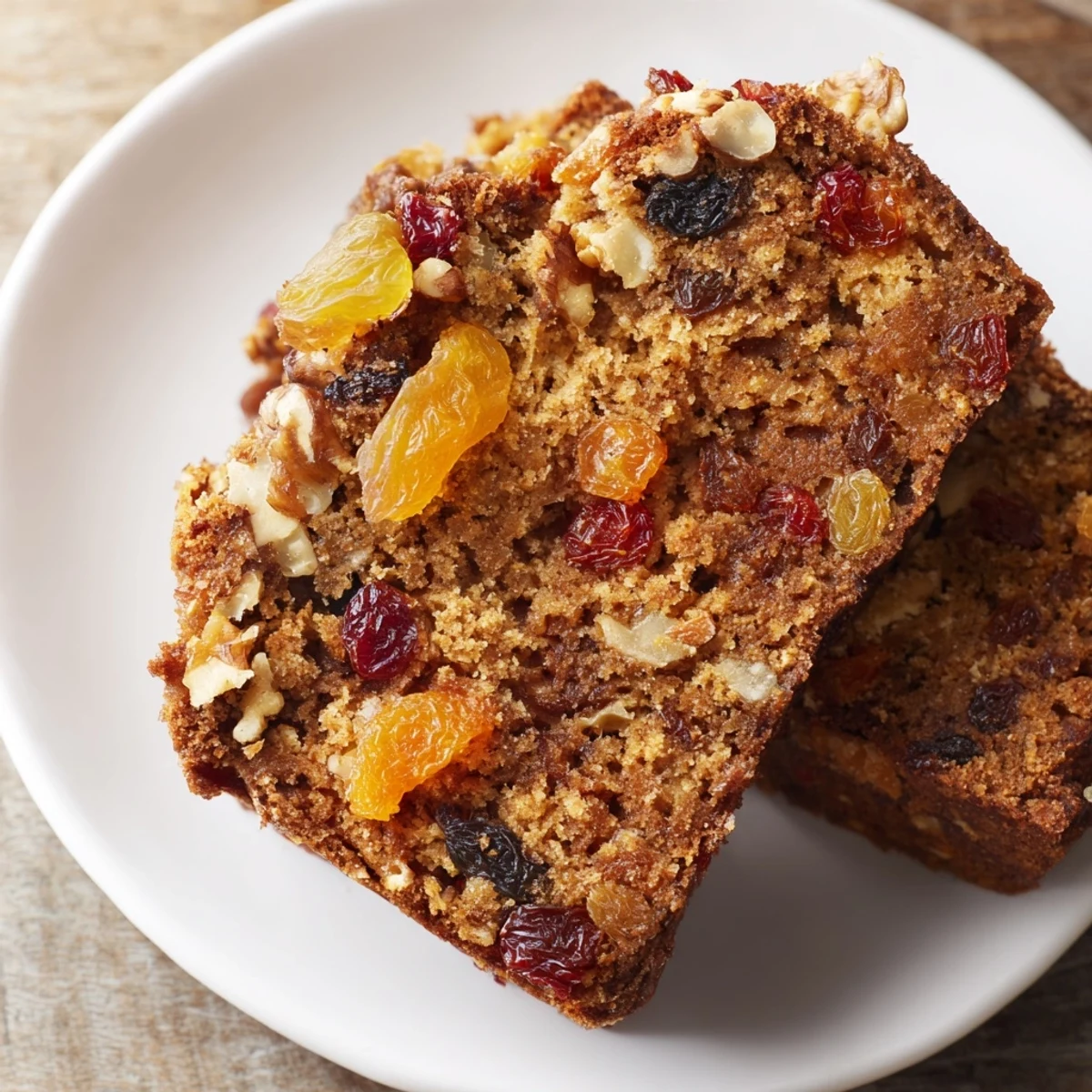
Save One December, I wrapped a loaf of this cake in muslin and tied it with kitchen twine for a friend who'd just moved into a new flat. She told me later it made the empty rooms smell like home before she'd even unpacked the boxes.
How to Store and Serve
Once cooled, wrap the cake tightly in parchment and then foil, tucking it into a tin or airtight container. It'll keep at room temperature for two weeks, growing richer and more tender with time. For longer storage, freeze it whole or in slices, thawing at room temperature when you're ready to serve.
Swaps and Adjustments
If you're avoiding alcohol, orange juice or strong brewed tea works beautifully for soaking the fruit. Swap walnuts for pecans or hazelnuts, or leave them out entirely if nuts aren't your thing. For a gluten free version, use a good quality gluten free flour blend and check that your baking powder is certified.
What to Do If It Goes Wrong
If the top browns too fast, tent it loosely with foil halfway through baking. A sunken center usually means the oven was too hot or the batter was overmixed, but the flavor will still be there. If it's too dry, brush warm apricot jam over the top or feed it with extra rum over a few days to bring back moisture.
- Check your oven temperature with a thermometer, older ovens can run hot and ruin the slow bake.
- Let the cake rest at least a day before slicing, it firms up and the flavors settle into something cohesive.
- Don't panic if the batter looks thick and heavy, that's exactly how it should be with all that fruit weighing it down.
 Save
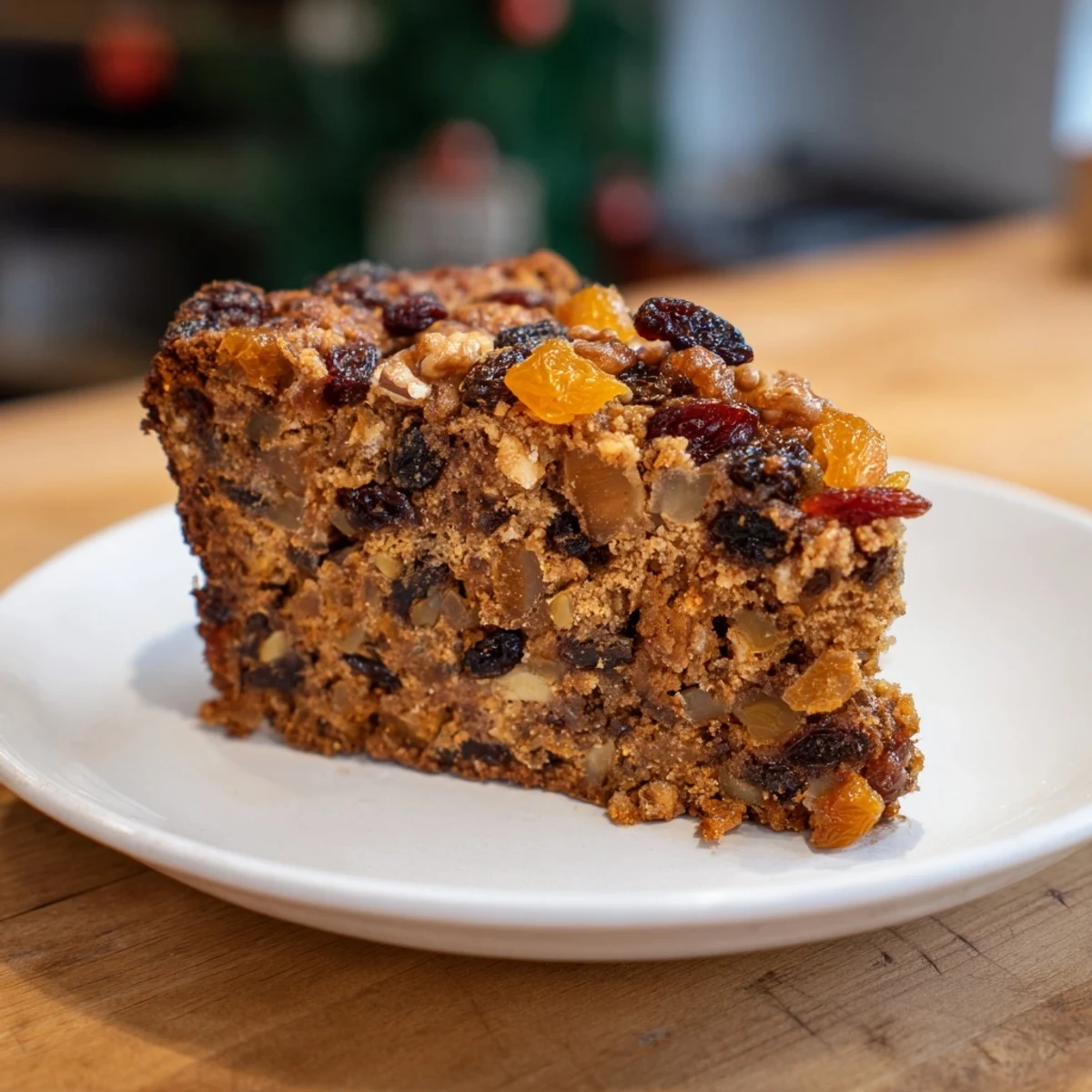
Save There's something quietly triumphant about pulling a dark, fragrant cake from the oven and knowing it'll only get better as it sits. Make it once, and it'll earn its place in your repertoire without you even trying.
Recipe FAQs
- → How should I soak the dried fruits?
-
Combine dried fruits and nuts, then pour rum or orange juice over them. Let soak at least 30 minutes, ideally overnight, for maximum flavor absorption.
- → Can I substitute nuts in this cake?
-
Yes, walnuts can be replaced with pecans or hazelnuts, or omitted altogether for a nut-free version.
- → What oven temperature is best for baking?
-
Bake at a low temperature of 150°C (300°F) for 1 hour 30 minutes to ensure even cooking and moist texture.
- → Is it necessary to let the cake cool before storing?
-
Yes, cooling completely inside the tin before wrapping helps maintain moisture and texture.
- → How can I enhance the cake’s flavor after baking?
-
Brushing the cooled cake with extra rum or brandy and wrapping it tightly adds a boozy richness and keeps it moist.
- → Can this cake be made gluten-free?
-
Use a gluten-free flour blend to replace plain flour, ensuring a similar texture and bake quality.