
 Save
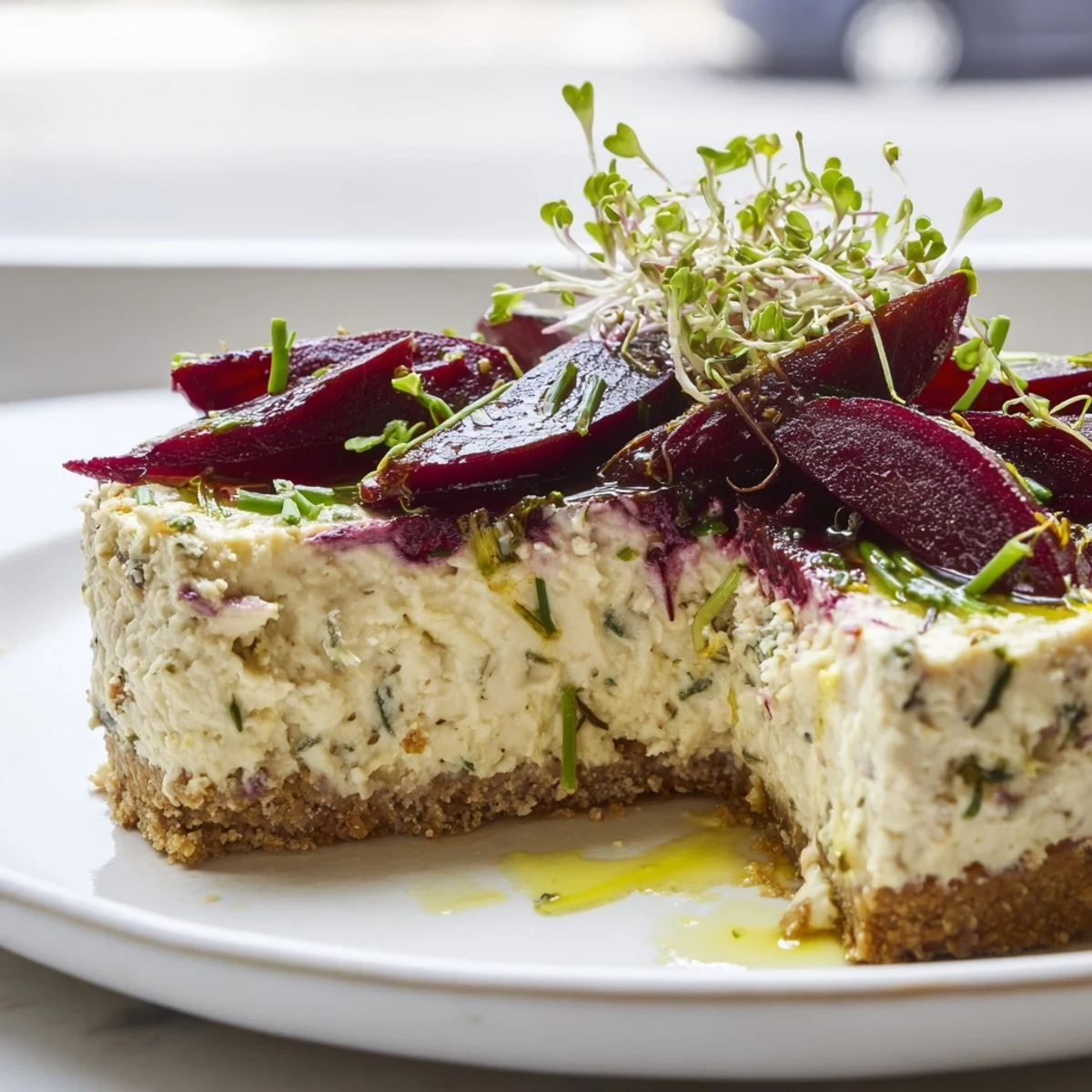
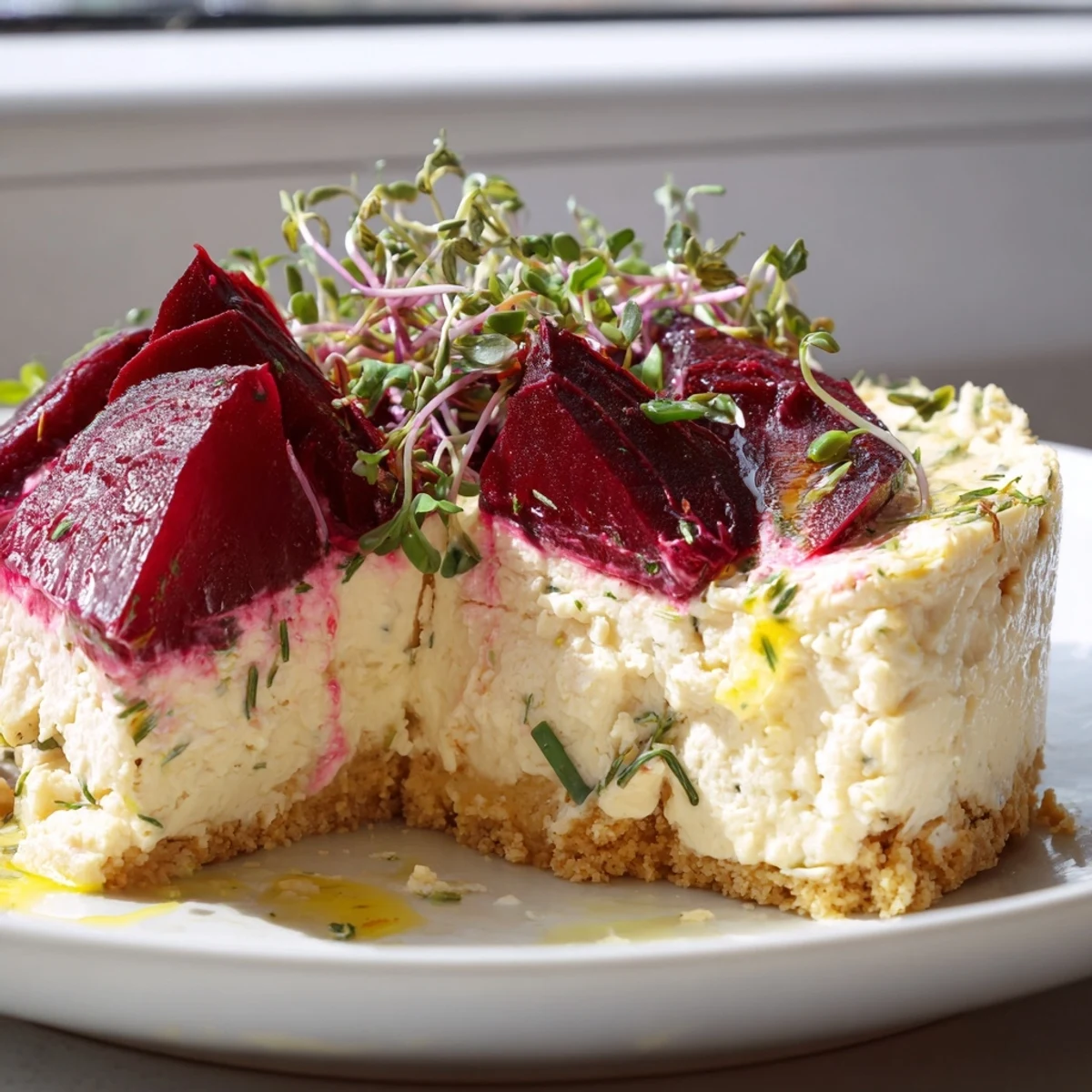
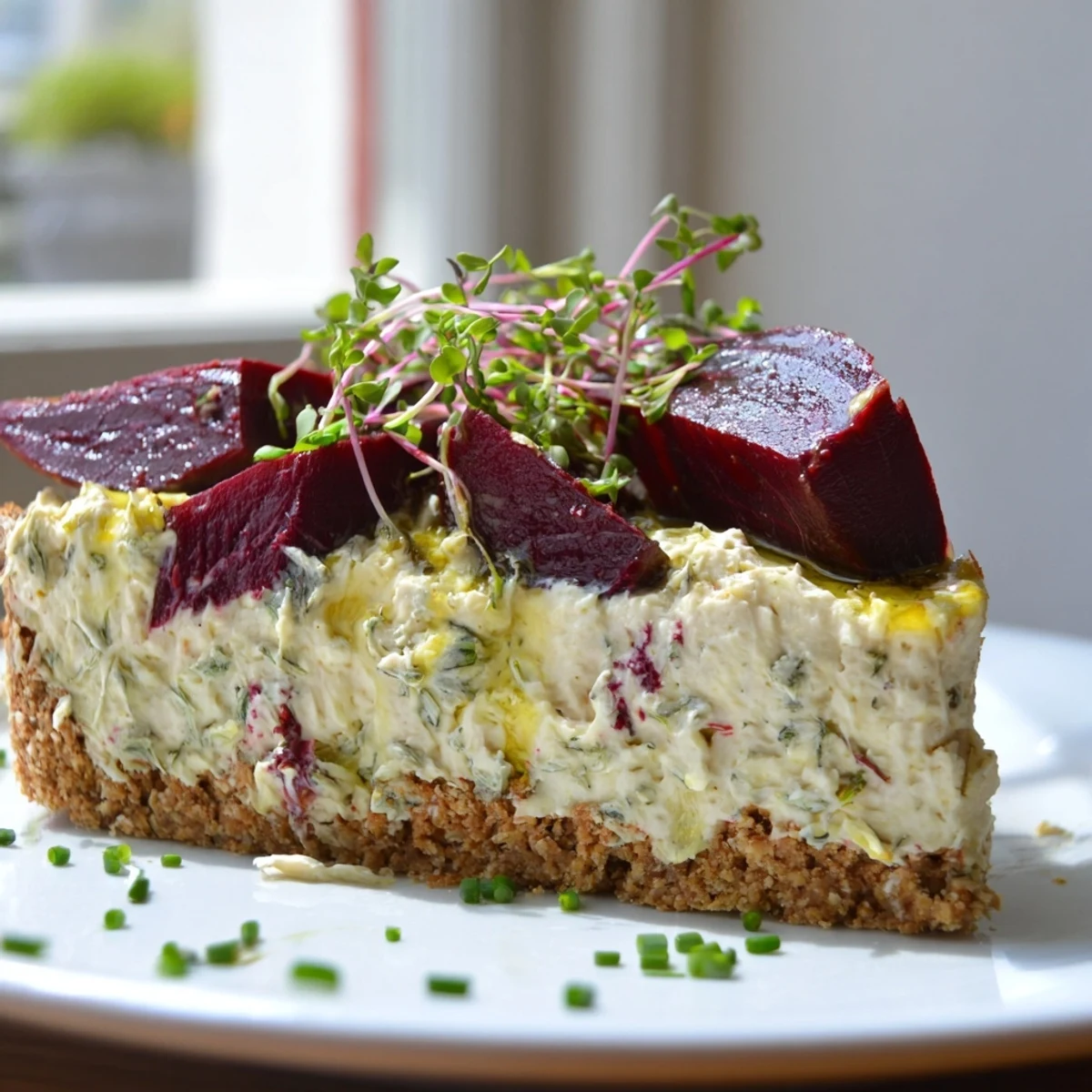
Save This elegant cheesecake combines the rich creaminess of blended cheeses with the natural sweetness of roasted beetroot. The wholemeal crust provides a satisfying crunch, while fresh thyme and lemon zest brighten the filling. After chilling to achieve the perfect texture, top with caramelized beetroot wedges, fragrant chives, and delicate microgreens. Serve chilled or at room temperature as an impressive appetizer or light main course that pairs beautifully with crisp white wine.
The first time I served this at a dinner party, my guests gave me the most puzzled looks when I described it as cheesecake. Their skepticism vanished instantly with that first creamy, savory bite. Now it is the one appetizer that gets requested again and again, that stunning magenta beetroot against the pale golden filling making everyone reach for their phones before they even pick up a fork.
I actually stumbled upon this concept while staring at a container of leftover roasted beets and a block of cream cheese on my counter one Sunday afternoon. Something in my brain just clicked, and within hours I had created what has become my absolute favorite starter for autumn dinner parties. The way the earthy sweetness plays against that rich, cheesy filling is absolute magic.
Ingredients
- 150 g wholemeal crackers: These create a nutty foundation that holds up beautifully against the creamy filling. I pulse them until they are fine crumbs, which gives the crust better structure.
- 60 g unsalted butter: Melt this completely and let it cool slightly before mixing. This small detail helps the butter distribute evenly through the crumbs.
- 1/2 tsp sea salt: Do not skip this in the crust. That tiny bit of salt is what makes the base interesting rather than just functional.
- 400 g cream cheese: Room temperature is non negotiable here. Cold cream cheese creates lumps that never quite disappear, no matter how long you mix.
- 200 g ricotta cheese: This adds a lighter texture that prevents the cheesecake from becoming too dense. The slight graininess works beautifully here.
- 100 g grated mature cheddar or Gruyère: The sharpness cuts through all that creaminess. I prefer Gruyère for its nutty depth, but a good aged cheddar works wonderfully.
- 2 large eggs: Also at room temperature. Adding them one at a time prevents the mixture from splitting and ensures a silky smooth filling.
- 1 tablespoon fresh thyme leaves: Strip these from the woody stems and chop them slightly to release their oils. Dried thyme works in a pinch, but fresh makes a noticeable difference.
- Zest of 1 lemon: Use a microplane if you have one. This bright element is what lifts the entire cheesecake and keeps it from feeling too heavy.
- 3 medium beetroots: Look for firm ones with smooth skins. The roasting concentrates their natural sugars, creating a sweet contrast that makes this dish sing.
- 2 tbsp olive oil: A good quality extra virgin olive oil here will make all the difference in the final roasted flavor of the beets.
- 1 tbsp balsamic vinegar: This creates that gorgeous glaze on the roasted beets. The acidity is crucial for balancing the rich cheesecake.
- Fresh chives and microgreens: These add a fresh pop of color and a mild onion note that complements without overpowering.
Instructions
- Prepare your kitchen:
- Preheat your oven to 180°C (350°F) and line a 20 cm springform pan with parchment paper. Cut a circle for the bottom and strip for the sides, this will make removing the cheesecake effortless later.
- Build the foundation:
- Blitz the crackers into fine crumbs in a food processor or seal them in a bag and crush with a rolling pin. Mix thoroughly with melted butter and sea salt until the mixture feels like wet sand, then press firmly into the bottom of your prepared pan. Bake for 10 minutes until lightly golden, then set aside to cool.
- Create the filling:
- In a large bowl, beat the cream cheese and ricotta until completely smooth and no lumps remain. Add the grated cheese and mix until combined, then add eggs one at a time, incorporating each fully before adding the next. Fold in the thyme, lemon zest, pepper, and salt until just combined.
- Bake to perfection:
- Pour the filling over your cooled crust and smooth the top with an offset spatula. Bake for 40 to 45 minutes until the center is set with a slight wobble when you gently shake the pan, like a delicate custard. Cool completely at room temperature, then chill for at least 2 hours or overnight for the cleanest slices.
- Roast the beetroots:
- Toss the beetroot wedges with olive oil, balsamic vinegar, salt, and pepper until evenly coated. Spread them on a roasting tray and roast at 200°C (400°F) for 30 to 35 minutes until tender and caramelized at the edges. Let them cool slightly before serving.
- Assemble and serve:
- Release the cheesecake from the springform pan and transfer to your serving plate. Arrange the roasted beetroot wedges on top, then scatter with fresh chives and microgreens. Finish with a generous drizzle of your best olive oil and serve chilled or at room temperature.
 Save
Save My sister-in-law typically claims she does not like beetroot, but at our last family gathering she went back for thirds of this cheesecake. Seeing someone reconsider a lifelong food opinion because of something you created is one of the best feelings in home cooking.
Make It Your Own
Swap the cheddar for a crumbled goat cheese if you want a tangier bite that cuts through the creaminess even more. I have also experimented with adding thinly sliced roasted garlic to the filling, which creates these pockets of sweetness throughout that are absolutely incredible.
Timing Tips
You can roast the beetroots up to two days ahead and store them in an airtight container in the refrigerator. The cheesecake itself actually benefits from being made a day ahead, allowing the flavors to develop and the texture to set perfectly. This makes it an ideal dinner party dish when you want to minimize last-minute stress.
Serving Suggestions
A crisp white wine like Sauvignon Blanc or Pinot Gris cuts through the richness beautifully and complements the earthy beets. I like to serve this as the starter with some simple greens dressed in a light vinaigrette to follow.
- Let the cheesecake sit at room temperature for 20 minutes before serving for the best texture
- Use a sharp knife dipped in hot water and wiped clean between slices for perfect cuts
- The beetroot can be served warm or at room temperature depending on your preference
 Save
Save There is something deeply satisfying about serving a dish that looks so elegant yet is built from such humble ingredients. Watch your guests faces when they take that first unexpected bite.
Recipe FAQs
- → Can I make this cheesecake ahead of time?
-
Absolutely. The cheesecake actually improves when chilled overnight, making it perfect for preparing in advance. The flavors develop and the texture becomes more firm and sliceable.
- → What other cheeses work well in the filling?
-
Goat cheese adds a pleasant tang, while feta creates a saltier profile. Gruyère offers excellent melting properties and nutty depth. You can also blend multiple varieties for complex flavor.
- → How do I know when the cheesecake is done baking?
-
The center should have just a slight wobble when gently shaken. It will continue setting as it cools. Overbaking causes cracking, so remove from the oven when the edges are set but the middle remains slightly jiggly.
- → Can I use different root vegetables instead of beetroot?
-
Roasted butternut squash or sweet potato work beautifully, offering similar sweetness and vibrant color. Roasted carrots provide earthiness, while parsnips add a subtle nutty flavor that complements the cheesy filling.
- → What's the best way to slice the cheesecake cleanly?
-
Use a sharp knife dipped in hot water and wiped clean between cuts. Run the knife under hot water, dry it, then slice. This prevents the filling from sticking and creates neat, professional-looking portions.
- → How long does this cheesecake keep in the refrigerator?
-
Properly covered, it stays fresh for 4-5 days. The crust may soften slightly over time, but the flavor remains excellent. Add fresh garnish just before serving for the best presentation and texture.