
 Save
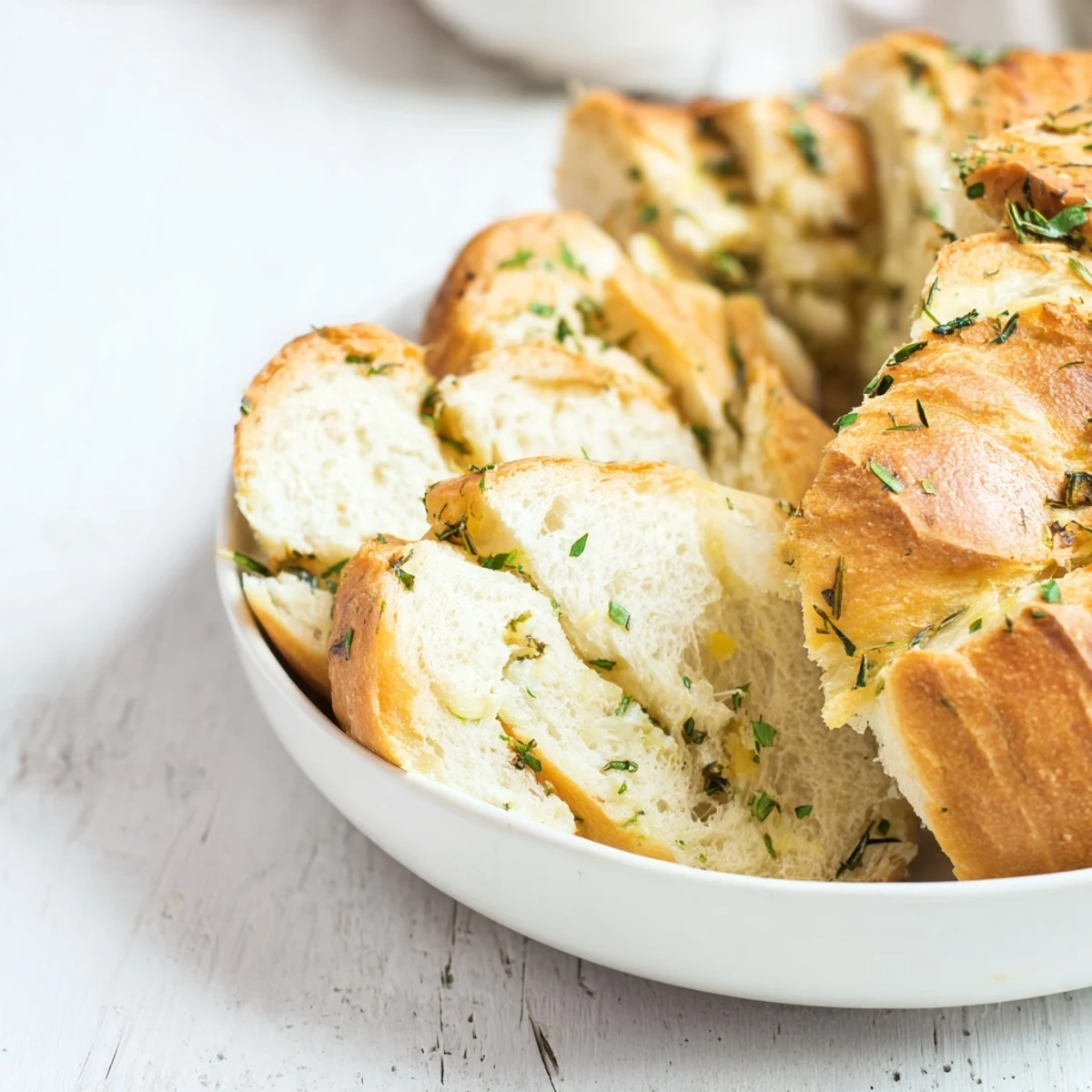
Save This savory herb bread is crafted with fresh rosemary, parsley, and thyme, blended into a soft, elastic dough kissed by olive oil. After a couple of gentle rises, it's baked until golden brown, delivering a tender crumb perfect for sandwiches or as a side. The aromatic garlic and pepper elevate its flavor, making it a versatile addition, whether paired with salads, soups, or enjoyed toasted. Easy to customize with extra herbs or cheese, this loaf fills your kitchen with warm, inviting aromas and satisfying textures.
I discovered this bread almost by accident on a quiet Sunday morning, when a friend dropped by with a bunch of fresh herbs from their garden and I had nothing but flour and yeast in the pantry. The aroma that filled the kitchen as it baked—rosemary, thyme, and garlic mingling together—made me realize that bread didn't have to be plain to be perfect. That first warm slice, split open and still steaming, tasted like comfort and spontaneity all at once. Now I make it whenever I want to turn an ordinary meal into something memorable.
I remember bringing this bread to a potluck last spring and watching people tear into it before anything else on the table. Someone asked if I'd bought it from a bakery, which made me laugh because it had taken just two hours from start to finish. That moment taught me that homemade doesn't have to mean complicated—sometimes the simplest recipes hit the hardest.
Ingredients
- All-purpose flour (3 cups): This is your bread's backbone; it creates structure and gives you that tender crumb without being heavy.
- Instant dry yeast (2 tsp): Don't confuse it with active dry yeast—it dissolves faster and makes timing easier, which is a game-changer for weeknight baking.
- Fine sea salt (1½ tsp): It controls fermentation and brings out the herb flavors; skip the iodized stuff if you can, as it tastes metallic in bread.
- Granulated sugar (1 tbsp): This feeds the yeast and adds subtle sweetness that balances the savory herbs beautifully.
- Warm water (1 cup): Temperature matters here—too hot kills the yeast, too cold and it won't rise; aim for about 110°F, which feels just warm on your inner wrist.
- Extra-virgin olive oil (¼ cup): It keeps the crumb soft and silky; this is where you can taste quality, so use something you'd drizzle on salad.
- Fresh rosemary, parsley, and thyme (2 tbsp each, 1 tbsp total): Fresh herbs are worth the trip to the store because dried ones won't give you those little pockets of intense flavor that make people ask for seconds.
- Garlic (1 clove, minced): A single clove is enough to add savory depth without overpowering the herbs.
- Freshly ground black pepper (¼ tsp): Freshly ground makes all the difference; pre-ground tastes dusty by comparison.
Instructions
- Mix your dry base:
- In a large bowl, combine flour, yeast, salt, and sugar. A quick stir is all you need—this isn't the time to be thorough.
- Bring it together:
- Pour in the warm water and olive oil, stirring until everything comes together into a shaggy, slightly wet mess. It won't look pretty yet, and that's exactly right.
- Add the good stuff:
- Scatter in your chopped herbs, minced garlic, and black pepper, then knead—either by hand for a solid 7 to 8 minutes or with a stand mixer on medium speed with the dough hook. You'll feel it transform from sticky to smooth and slightly elastic, bouncing back gently when you poke it.
- First rise:
- Shape into a ball, place in a lightly oiled bowl, cover with a clean towel, and let it hang out in a warm spot for an hour or until it's roughly doubled. This is the hardest part because you'll want to poke it constantly, but resist.
- Shape and proof:
- Gently punch down the dough—it'll deflate with a satisfying whoosh—then shape it into a log and place it in a greased loaf pan or on a lined baking sheet. Cover again and let it rise for 30 minutes until puffy and ready.
- Bake it golden:
- Heat your oven to 375°F, optionally brush the top with a little more olive oil and sprinkle with extra herbs if you're feeling fancy, then bake for 30 to 35 minutes until deep golden and it sounds hollow when you tap the bottom. The kitchen will smell incredible.
- Cool and slice:
- Transfer to a wire rack and let it sit for at least 15 minutes before slicing; this lets the crumb set so you don't squash it with the knife.
 Save
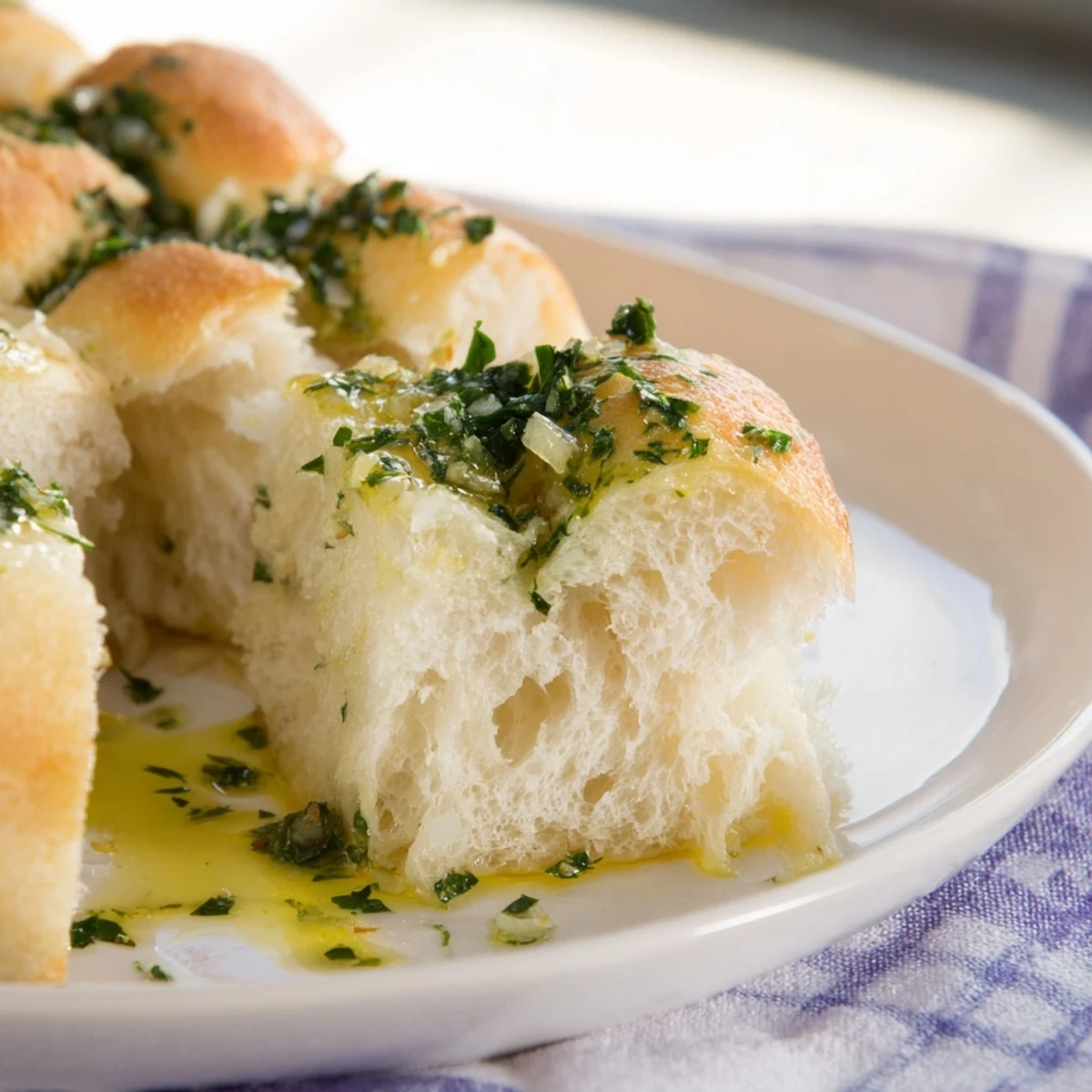
Save There's a moment, right when the bread comes out of the oven and you hear that crackling sound as it starts to cool, where you realize you've made something real with your own hands. This bread has a way of doing that—it transforms a simple Sunday into something worth remembering.
Variations to Try
Once you nail the basic recipe, you can play with it endlessly. I've swapped the herbs for basil and lemon zest in summer, added sun-dried tomatoes in fall, and even mixed in a handful of grated Parmesan for a cheesy version that disappears in minutes. The beauty is that the dough itself is forgiving enough to handle your experiments without falling apart.
Pairing Ideas
This bread wants to be part of a meal, not a solo act. Tear off a piece and dunk it into tomato soup, use thick slices as the base for open-faced sandwiches, or cube it for salads that need texture and flavor. I've even repurposed day-old slices as the foundation for bruschetta or bread salads, and it holds up beautifully because the crust is sturdy enough to support toppings without getting soggy.
Storage and Keeping
Wrapped well, this bread stays soft and fresh for about three days at room temperature, though honestly it rarely lasts that long. If you freeze it, it keeps for up to a month—just thaw it on the counter or pop slices directly into the toaster. The best part is that even a day or two old, when it's slightly denser, it makes incredible toast that's crispy on the outside and still tender within.
- Store in an airtight container or wrapped tightly in plastic wrap to keep it from drying out.
- If you notice any mold appearing, toss it immediately rather than trying to salvage it.
- Freezing slices individually on a tray before bagging them lets you toast just what you need without thawing the whole loaf.
 Save
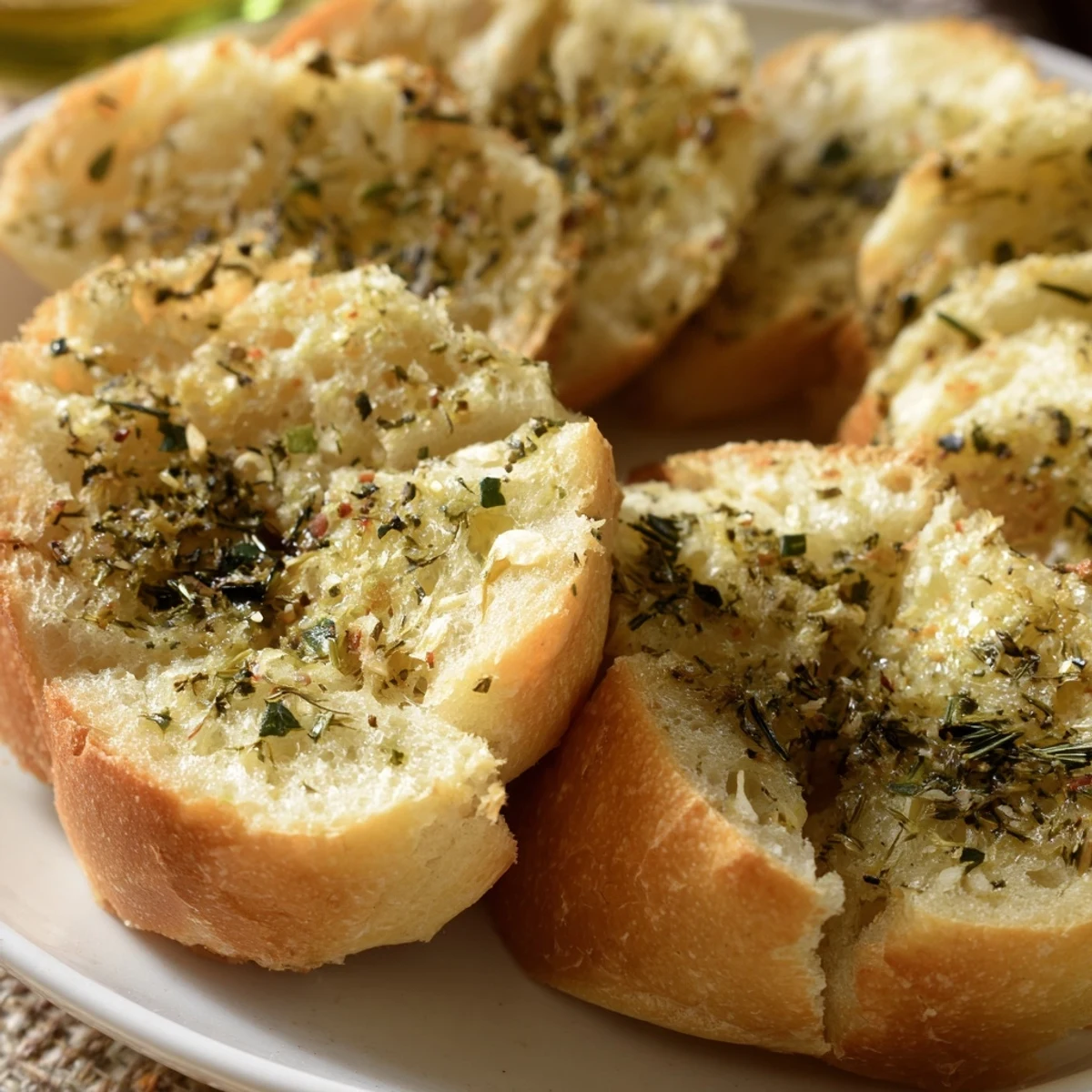
Save Baking this bread is one of those small rituals that makes life feel richer, and I hope it becomes one for you too. Every time you pull a golden loaf from the oven, you're creating something you can actually taste the care in.
Recipe FAQs
- → What herbs are used in this bread?
-
Fresh rosemary, parsley, and thyme are combined to infuse the loaf with savory, aromatic flavors.
- → Can I substitute the herbs?
-
Yes, basil, chives, or dill can be used as flavorful alternatives to the original herb mix.
- → What is the purpose of olive oil in the dough?
-
Olive oil enriches the dough, adding moisture and a subtle fruity flavor while contributing to a tender crumb.
- → How do I know when the bread is fully baked?
-
The loaf should be golden brown and sound hollow when tapped on the bottom.
- → Can this bread be made dairy-free?
-
Yes, the base loaf contains no dairy, eggs, or nuts, making it suitable for dairy-free diets.
- → Is it possible to add cheese to the loaf?
-
Incorporating grated Parmesan into the dough adds a rich, savory twist to the herb flavors.