
 Save
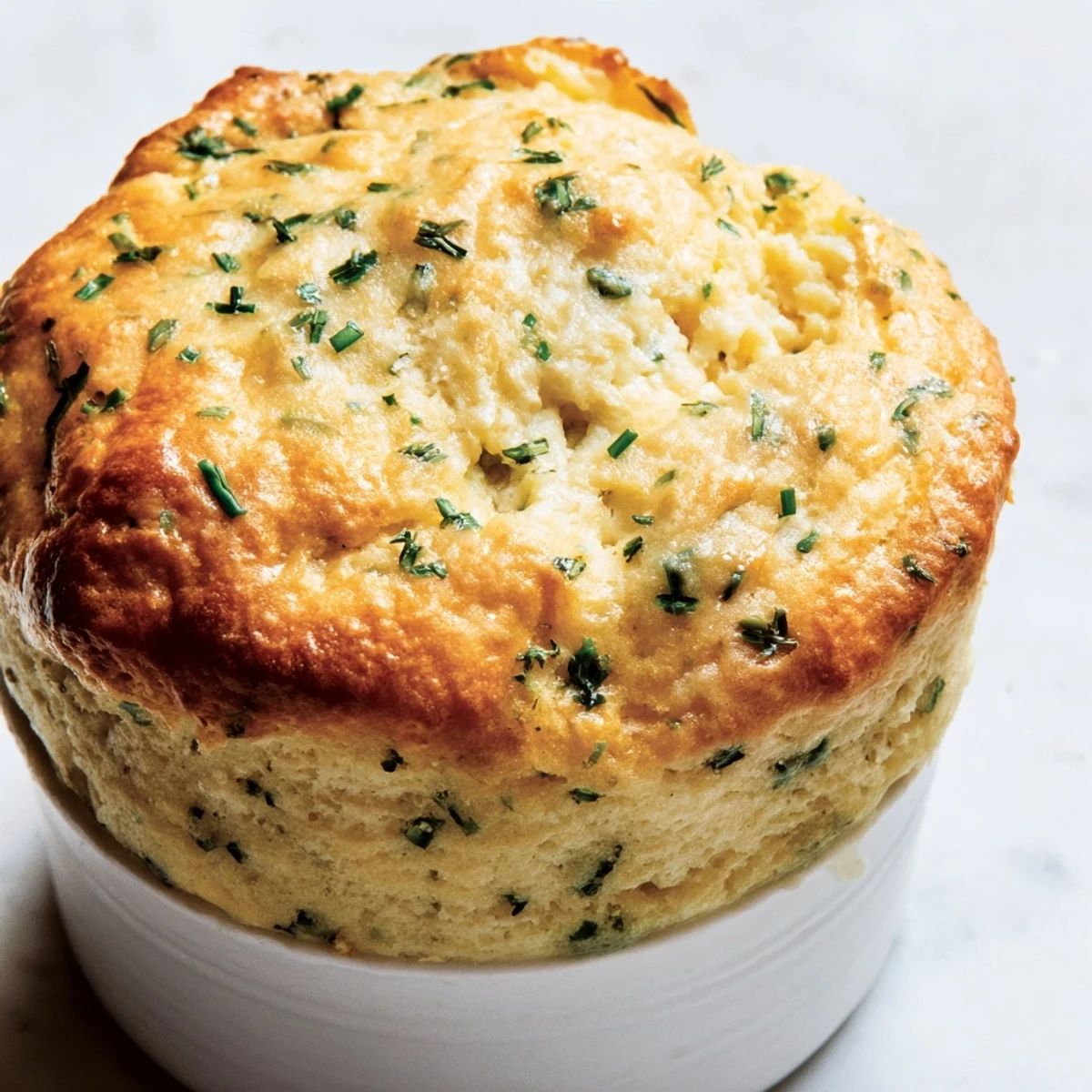
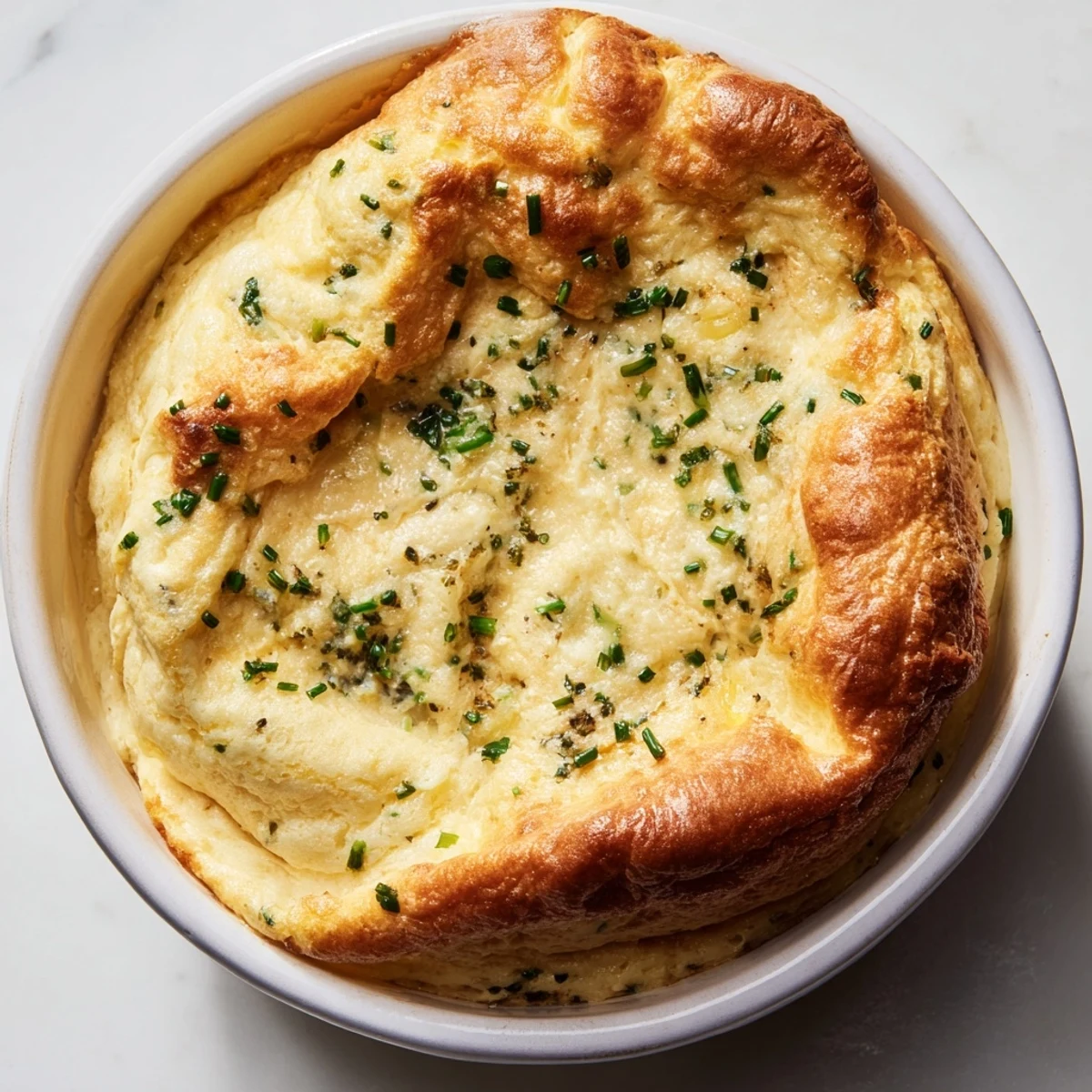
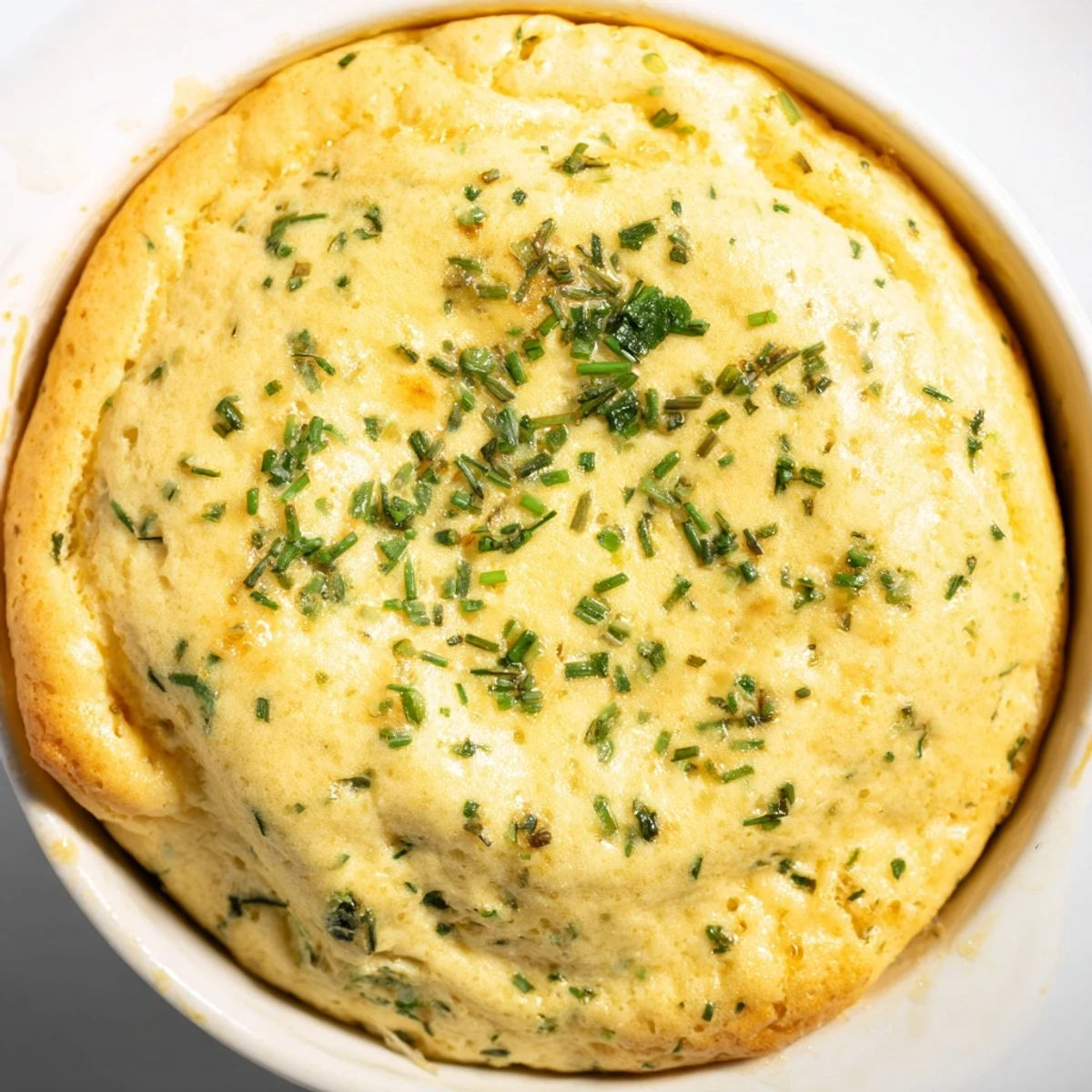
Save This light and airy soufflé combines creamy Gruyère and Parmesan cheeses with fresh chives, parsley, and thyme to create a flavorful, elegant baked dish. The preparation involves making a smooth cheese base thickened with butter, milk, and flour, then folding in whipped egg whites for a delicate rise. Baked until golden and puffed, this dish offers a refined texture and bright herbaceous notes, ideal as a main or appetizer.
Enhance the flavor by experimenting with sharper cheeses or a pinch of cayenne. Serve immediately to retain height and texture, paired well with crisp greens and white wine.
There's something magical about pulling a soufflé from the oven and watching your guests' faces light up when they see it puffed high and golden. I remember the first time I nailed this cheese and herb soufflé—I'd been terrified of it for years, convinced it was some impossible French technique reserved for professional chefs. But then a friend challenged me to try, and that moment when I realized I could actually make something this elegant at home changed everything about how I approached cooking.
I'll never forget the afternoon my in-laws called to say they were stopping by in two hours. Instead of panicking, I thought of this soufflé—something beautiful enough to feel like a celebration but honest enough to taste like home cooking. When it emerged from the oven tall and bronzed, I felt like I'd cracked some secret code. That meal became one of those moments where food became more than sustenance—it became a small victory.
Ingredients
- Unsalted butter: I always reach for real butter here because it builds that subtle richness in your béchamel—use a bit extra to generously grease your soufflé dish, and don't skip this step or your soufflé will stick.
- Whole milk: Full-fat makes all the difference in the creaminess of your base, and it helps create that silky texture.
- Gruyère cheese: This is the star ingredient with its nutty, slightly sweet flavor that makes people pause mid-bite and ask what that cheese is.
- Parmesan cheese: A smaller amount adds a sharp contrast and complexity that deepens the flavor profile.
- Large eggs: Room temperature eggs whip to greater volume—this is one of those little tricks that actually matters.
- All-purpose flour: This is your thickening agent in the roux, so don't skip it no matter how tempting.
- Fresh chives: I prefer these to dried because they bring a bright, delicate onion note without overpowering the cheese.
- Fresh parsley and thyme: The combination of these creates an herbaceous backbone that makes people think you're a more experienced cook than you are.
- Salt, pepper, and nutmeg: The nutmeg especially—just a whisper of it—brings an almost imperceptible warmth that ties everything together.
Instructions
- Get Everything Ready:
- Preheat your oven to 375°F and prep your soufflé dish like your life depends on it—butter it really generously, then dust with flour or grated Parmesan. This step determines whether your soufflé rises proudly or sticks to the sides. Separate your eggs while they're still a bit cool to the touch, as this helps the whites whip better.
- Build Your Base:
- Melt your butter over medium heat, then whisk in flour for exactly one minute until it's just starting to turn golden. You'll smell that toasty, nutty aroma—that's your signal you're not burning it but you're cooking it enough. Slowly add your milk while whisking constantly, and watch as this mixture transforms from lumpy to silky smooth over about two to three minutes. This is the moment where you feel like an actual cook.
- The Cheese Moment:
- Pull from heat and stir in your cheeses, letting them melt into the warm sauce until it's glossy and smooth. Add your salt, pepper, and just a pinch of nutmeg—you shouldn't taste it directly, but your palate will know something special is there. Let this cool for two minutes so you don't scramble your egg yolks when you add them.
- Incorporate the Yolks and Herbs:
- Stir in your egg yolks one at a time, then fold in your fresh herbs, breathing in that fresh, green aroma. This is where your soufflé gets its personality.
- The Egg White Magic:
- In a completely clean, dry bowl—not a speck of yolk or grease—beat your egg whites until stiff peaks form. This is what gives you that rise, so don't skip this step or rush it. Fold one-third of the whites into your cheese mixture first to lighten it, then gently fold in the rest with a spatula, being as careful as you can be. Over-mixing is the enemy.
- Into the Oven:
- Pour into your prepared dish and run your thumb around the edge where the mixture meets the dish—this creates a little channel that helps it rise evenly and creates that beautiful puffed top. Bake for 25 to 30 minutes without opening the oven door (I know it's tempting, but every time you open it, you're letting heat escape). It should be puffed and golden brown when done. Serve immediately while it's at its most glorious height.
 Save
Save Years later, this soufflé has become my emergency dish when I want to show someone I care. There's something about serving something you made with your own hands that rose up and surprised you in the oven—it carries a quiet confidence that people feel.
Keeping It Fresh
Soufflés are meant to be eaten straight from the oven while they're still at their maximum height and the inside is just set but still trembles slightly when you move the dish. If you're feeding a crowd, you can prep everything ahead and have your soufflé dish ready to go—the actual baking time is short enough that you can have this on the table in 30 minutes flat.
Flavor Variations That Clicked
Once you master the basic technique, this soufflé becomes your canvas. I've stirred in everything from sharp aged cheddar to a whisper of blue cheese, and each one tells a different story. A tiny pinch of cayenne pepper brings a warmth without heat, while swapping some of your thyme for fresh tarragon creates this almost dessert-like elegance. The beauty is that your base technique stays exactly the same—you're just playing with the flavors.
Serving Ideas That Became Favorites
A crisp green salad with a sharp vinaigrette is the perfect companion, cutting through the richness with its acidity. A glass of dry white wine—maybe a Sauvignon Blanc or a dry Vermentino—feels like the natural pairing. I've also served this alongside roasted asparagus or with a simple tomato salad on the side. The one thing I always remember is that because soufflés are so elegant, your sides don't need to be complicated—in fact, simple preparations make the soufflé shine even brighter.
- Pair with a vinaigrette-dressed salad with fresh herbs to echo the flavors in the soufflé itself
- A dry white wine truly is the perfect drink partner, cutting through richness while honoring the dish's elegance
- Keep sides simple—your soufflé is the star, and it doesn't need competition on the plate
 Save
Save This soufflé has taught me that some of the most rewarding dishes in cooking are the ones that seemed impossible until you tried them. Now when someone tells me they're intimidated by a recipe, I think of this golden, puffed creation and remind them that skill is just confidence built through trying.
Recipe FAQs
- → What type of cheese works best for this soufflé?
-
Gruyère and Parmesan provide a perfect balance of creaminess and sharpness, but sharper cheeses like cheddar or Comté can be used for more intense flavor.
- → How do fresh herbs affect the dish?
-
Fresh chives, parsley, and thyme add bright, aromatic notes that enhance the savory cheese base without overpowering it.
- → What is the key to achieving a light, airy texture?
-
Whipping the egg whites to stiff peaks and gently folding them into the cheese mixture helps create the soufflé’s characteristic rise and delicate texture.
- → Can this dish be prepared ahead of time?
-
For best results, prepare and bake just before serving to maintain the soufflé’s height and delicate texture.
- → How should the soufflé be baked?
-
Bake in a preheated oven at 375°F (190°C) until puffed and golden, avoiding opening the oven door during cooking to prevent collapse.
- → Are there any suggested flavor variations?
-
Adding a pinch of cayenne pepper or swapping in blue cheese provides subtle heat or depth, creating flavor variations while maintaining balance.