
 Save
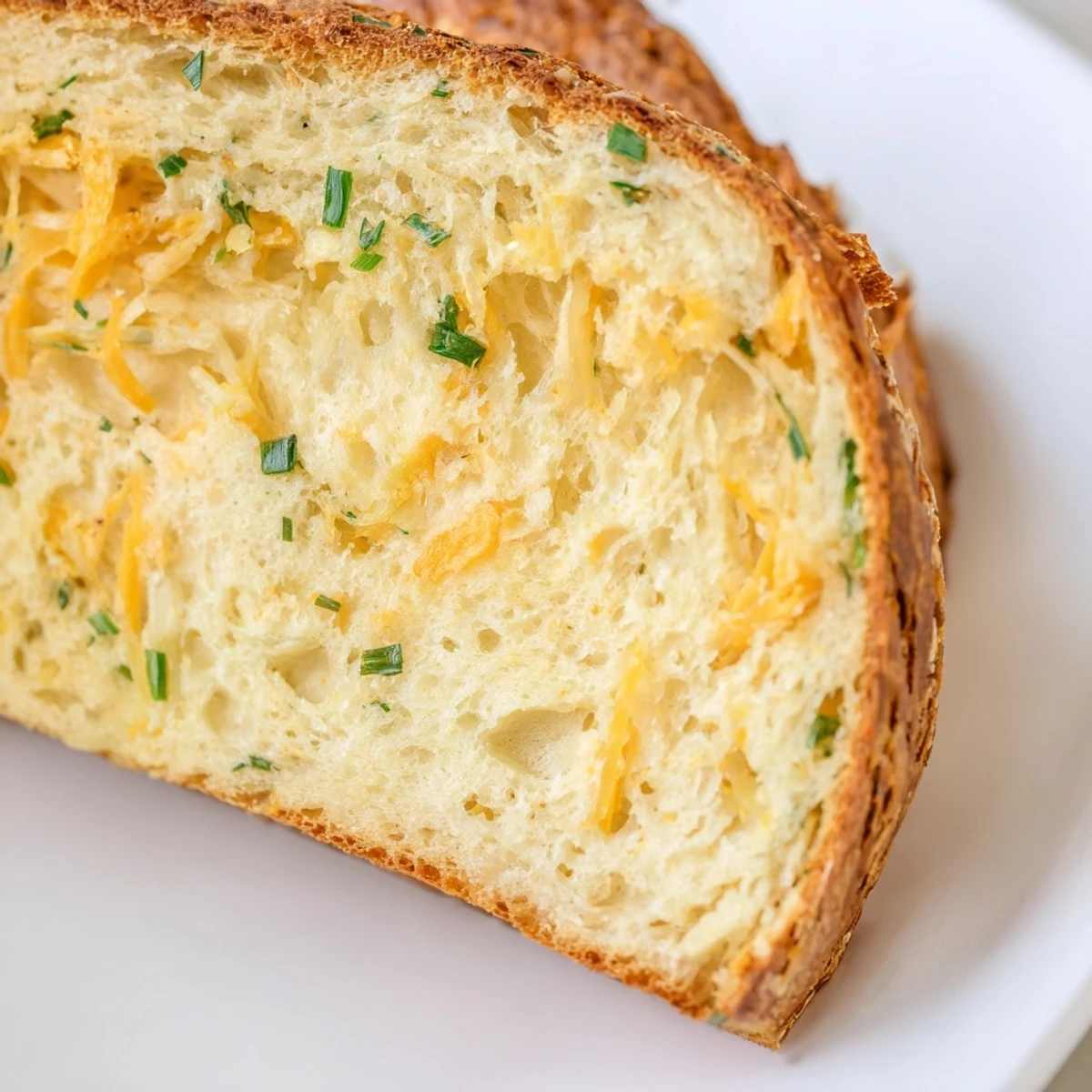
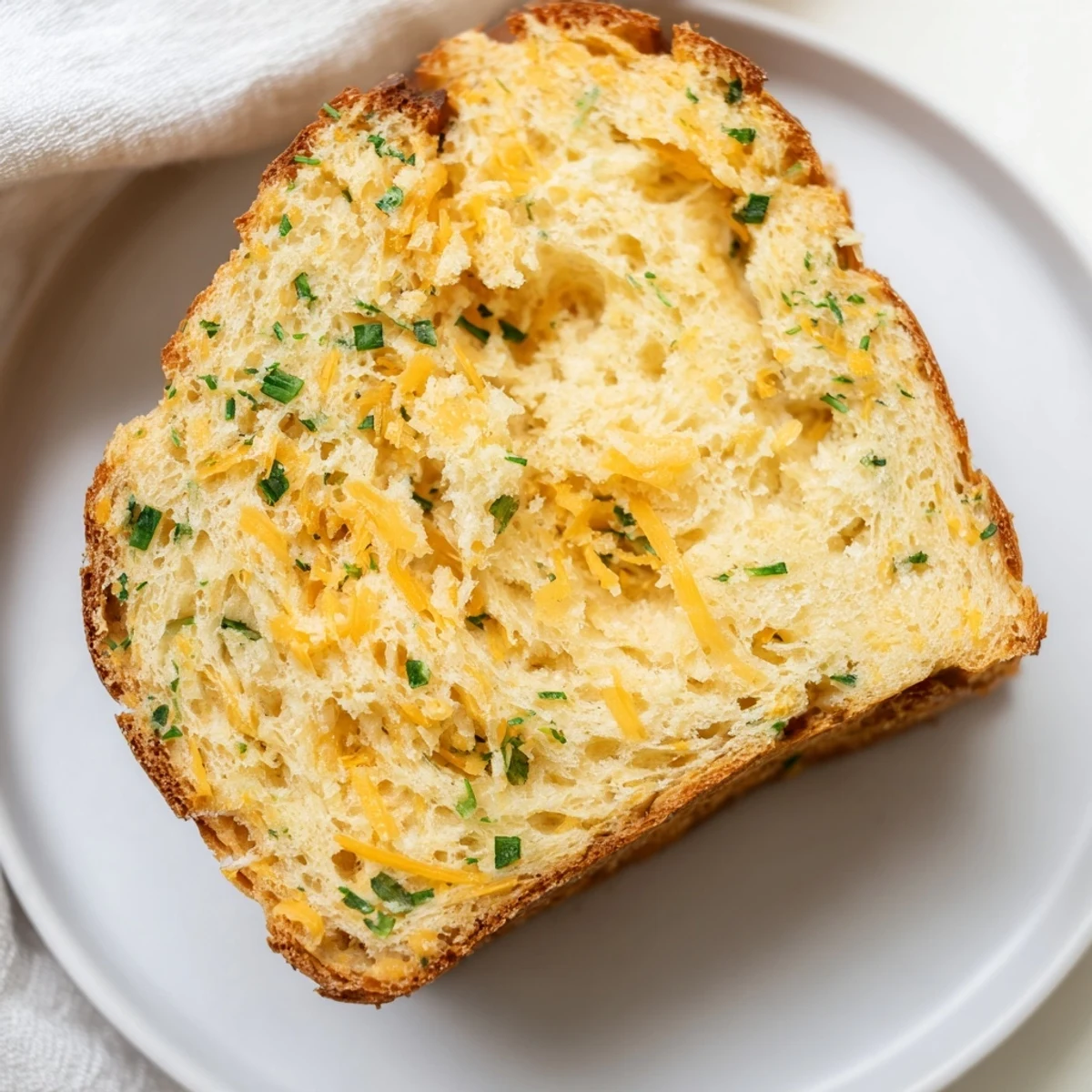
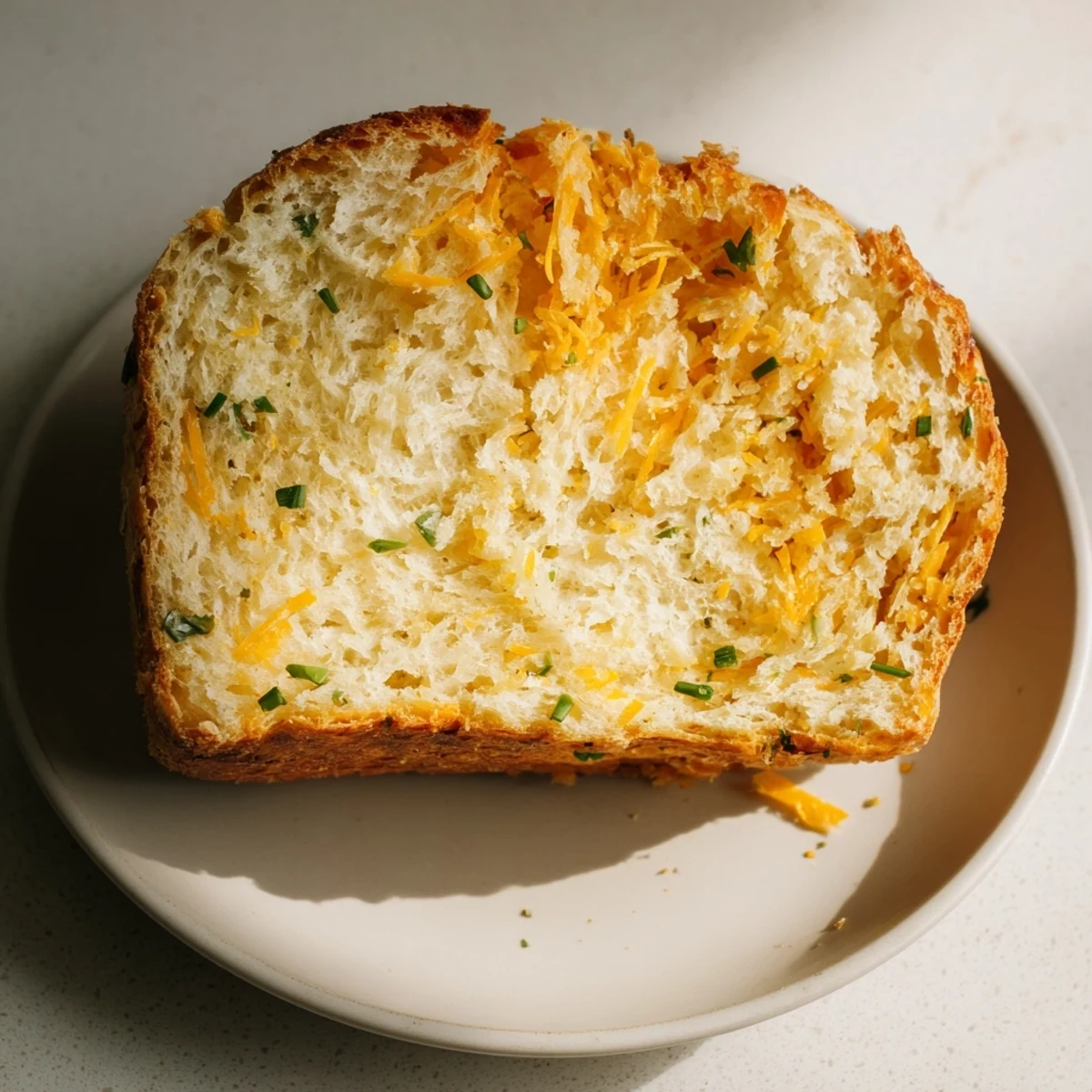
Save This loaf combines a tender, fluffy bread base with sharp cheddar cheese and fresh herbs for a savory flavor burst. The batter is gently mixed to preserve softness, then baked until golden and lightly crisp on top. Serve warm to enjoy gooey cheese and herb aromas, ideal alongside soups, salads, or breakfast spreads. Variations include adding garlic powder or swapping cheeses for distinctive notes. Suitable for vegetarians and simple to prepare with common kitchen tools.
There's something about the smell of cheese melting into warm bread that stops me mid-conversation every single time. I discovered this recipe on a rainy Tuesday morning when I had leftover sharp cheddar and fresh herbs from the garden, and I thought, why not bake them into something substantial? That first loaf came out golden and fragrant, and I realized I'd stumbled onto something that feels both comforting and special.
I made this for a friend who'd just moved into a new place with barely any furniture, and we sat on the kitchen floor sharing warm slices with cold butter melting on top. That simple moment—her eyes closing when she tasted it, the way we both just quietly enjoyed it—told me this bread belonged in regular rotation.
Ingredients
- All-purpose flour (2 cups): The foundation—use the freshest bag you have, as older flour can affect rise and texture.
- Baking powder (1 tbsp): This gives the bread its tender crumb without needing yeast or rising time, which means you're eating homemade bread in an hour.
- Salt (1/2 tsp) and black pepper (1/4 tsp): These tiny amounts bring out the cheese flavor instead of hiding it.
- Eggs (3 large): They bind everything together and make the crumb rich without making it heavy.
- Whole milk (1/2 cup) and olive oil (1/3 cup): The milk adds tenderness while the oil brings richness that keeps slices moist for days.
- Sharp cheddar cheese (1 1/2 cups shredded): Don't use pre-shredded if you can help it—freshly shredded melts more evenly and tastes brighter.
- Fresh chives (2 tbsp) and fresh parsley (2 tbsp): These herbs give you little bursts of brightness that change everything about how the bread tastes.
Instructions
- Heat your oven and prepare:
- Set the oven to 350°F and grease your loaf pan thoroughly, then line it with parchment—this step saves you from frustration later when you're eager to slice.
- Mix the dry team:
- Whisk flour, baking powder, salt, and pepper together in a large bowl, making sure the leavening distributes evenly. This prevents dense pockets in your finished loaf.
- Combine the wet ingredients:
- Beat the eggs first, then whisk in milk and olive oil until smooth. The order matters because beaten eggs create structure that holds everything together.
- Bring it together gently:
- Pour the wet mixture into the dry ingredients and stir just until combined—overworking develops gluten and makes the bread tough. You want a thick, slightly lumpy batter.
- Fold in the good stuff:
- Gently fold in the cheese, chives, and parsley, distributing them evenly so no slice gets shortchanged on flavor.
- Into the pan:
- Transfer the batter to your prepared pan and smooth the top with a spatula, pressing gently into the corners.
- Bake until golden:
- Bake for 35–40 minutes until the top turns deep golden brown and a toothpick inserted in the center comes out clean with no wet batter clinging to it.
- Cool with patience:
- Let the bread rest in the pan for 10 minutes—this helps it firm up enough to remove cleanly—then turn it out onto a wire rack to cool completely before slicing into it.
 Save
Save The first time someone asked for the recipe, I realized this bread had become more than just something I made—it became the thing people requested when they visited. That's when I knew it was worth keeping around.
Flavor Variations to Try
The base recipe is a blank canvas if you want it to be. I've added garlic powder for a savory depth, swapped half the cheddar for nutty Gruyère when I was feeling fancy, or mixed in crumbled feta for tang. A tiny pinch of cayenne or diced fresh jalapeños transforms it into something with heat, and nobody ever complains about that. The herbs can shift too—try dill with sharp cheddar, or rosemary with Gruyère if you're feeding people who love bold flavors.
Serving This Bread Right
Warm slices with good butter are all you need for breakfast or a simple snack. I've also served it alongside creamy tomato soup where the cheese and herbs feel natural, or torn alongside a fresh salad where its richness balances tender greens. It keeps beautifully for three days wrapped in foil, and reheated slices taste almost as good as fresh, especially if you warm them wrapped in foil at 300°F for a few minutes so they soften again.
The Kitchen Moments That Matter Most
There's something calming about folding herbs into batter and watching them scatter throughout like little green promises. The sound of the cheese hitting the pan when you pour the batter is oddly satisfying, and the smell during the last ten minutes of baking gets stronger and more irresistible every time.
- If your top starts browning too fast, loosely tent it with foil for the last 10 minutes.
- Save any leftover fresh herbs and freeze them in small portions—they're perfect for next time.
- A slice with a warm cup of tea is the kind of simple pleasure that actually matters.
 Save
Save This bread has become my quiet kitchen victory, the thing I make when I want to feel capable and generous all at once. It never disappoints, and it always brings people back.
Recipe FAQs
- → What type of cheese works best in this bread?
-
Sharp cheddar cheese provides a rich, tangy flavor, but you can substitute Gruyère or feta for different taste profiles.
- → Can I add extra herbs to enhance the flavor?
-
Yes, fresh chives and parsley are perfect additions; you can also experiment with thyme or rosemary for varied aromatics.
- → Is it necessary to avoid overmixing the batter?
-
Gently mixing the batter helps keep the bread soft and tender, preventing a dense texture.
- → What is the best way to check if the bread is fully baked?
-
Insert a toothpick into the center; if it comes out clean, the bread is done baking.
- → Can this bread be enjoyed warm or cold?
-
It's best served warm to enjoy melted cheese and fresh herb flavors, but it's also tasty at room temperature.