
 Save
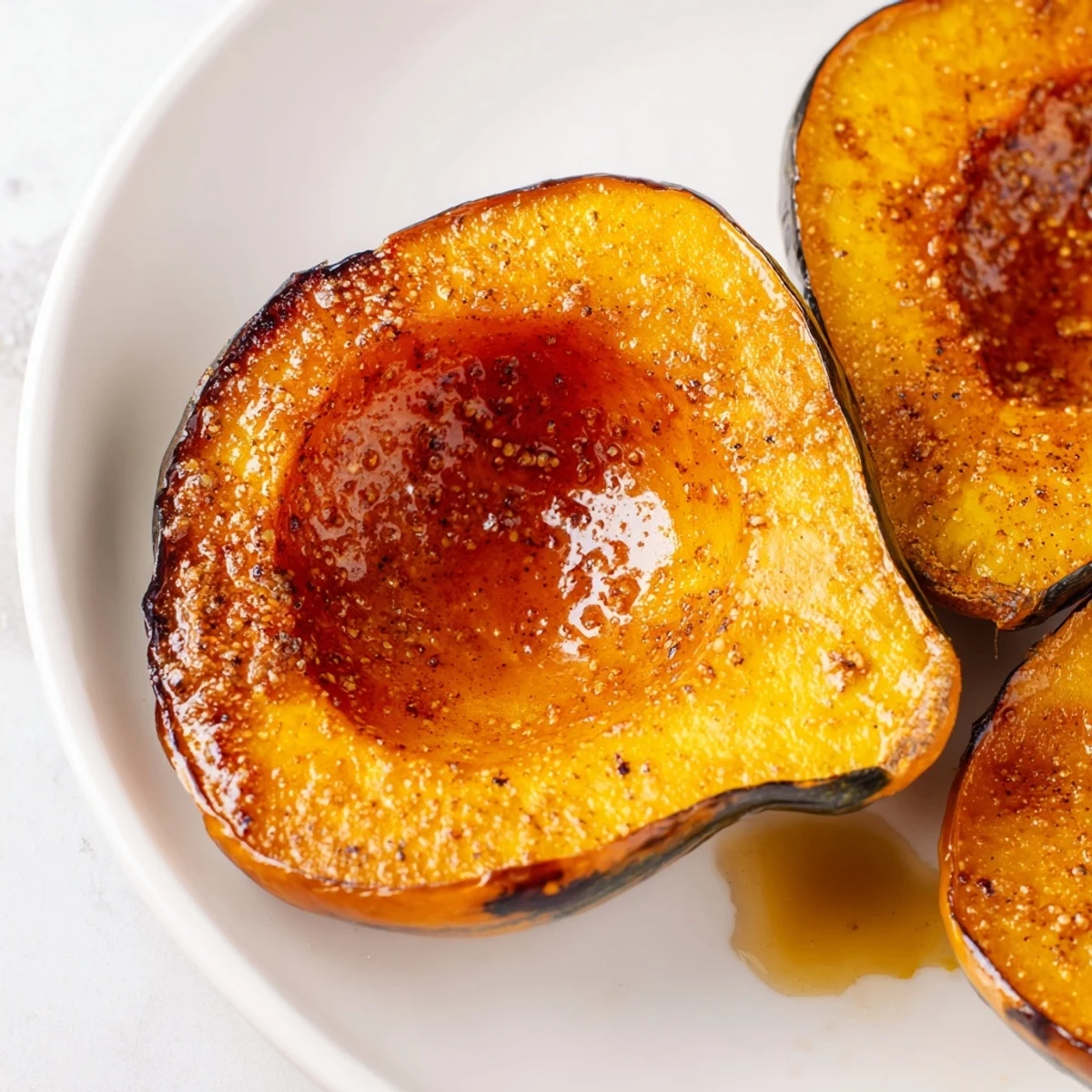
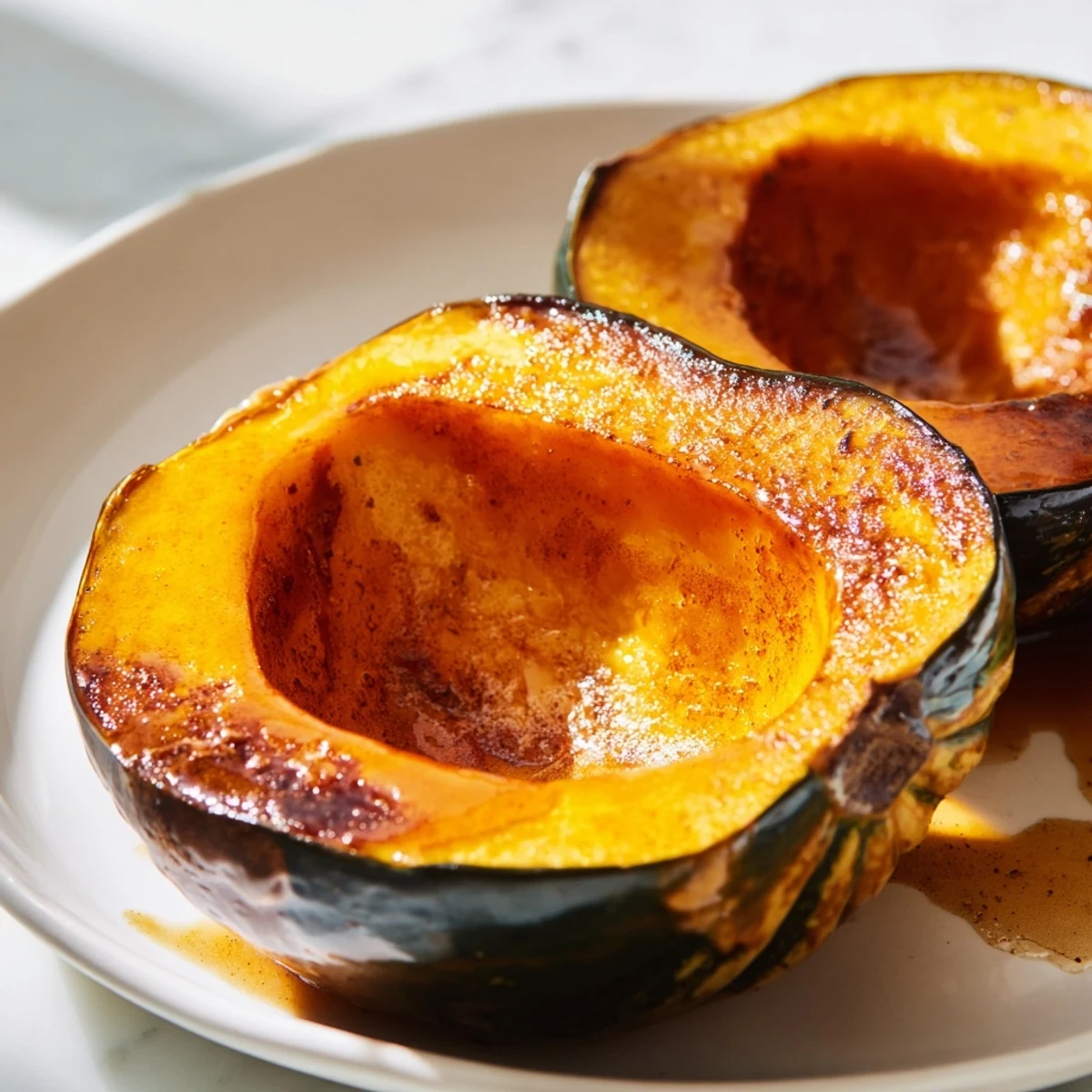
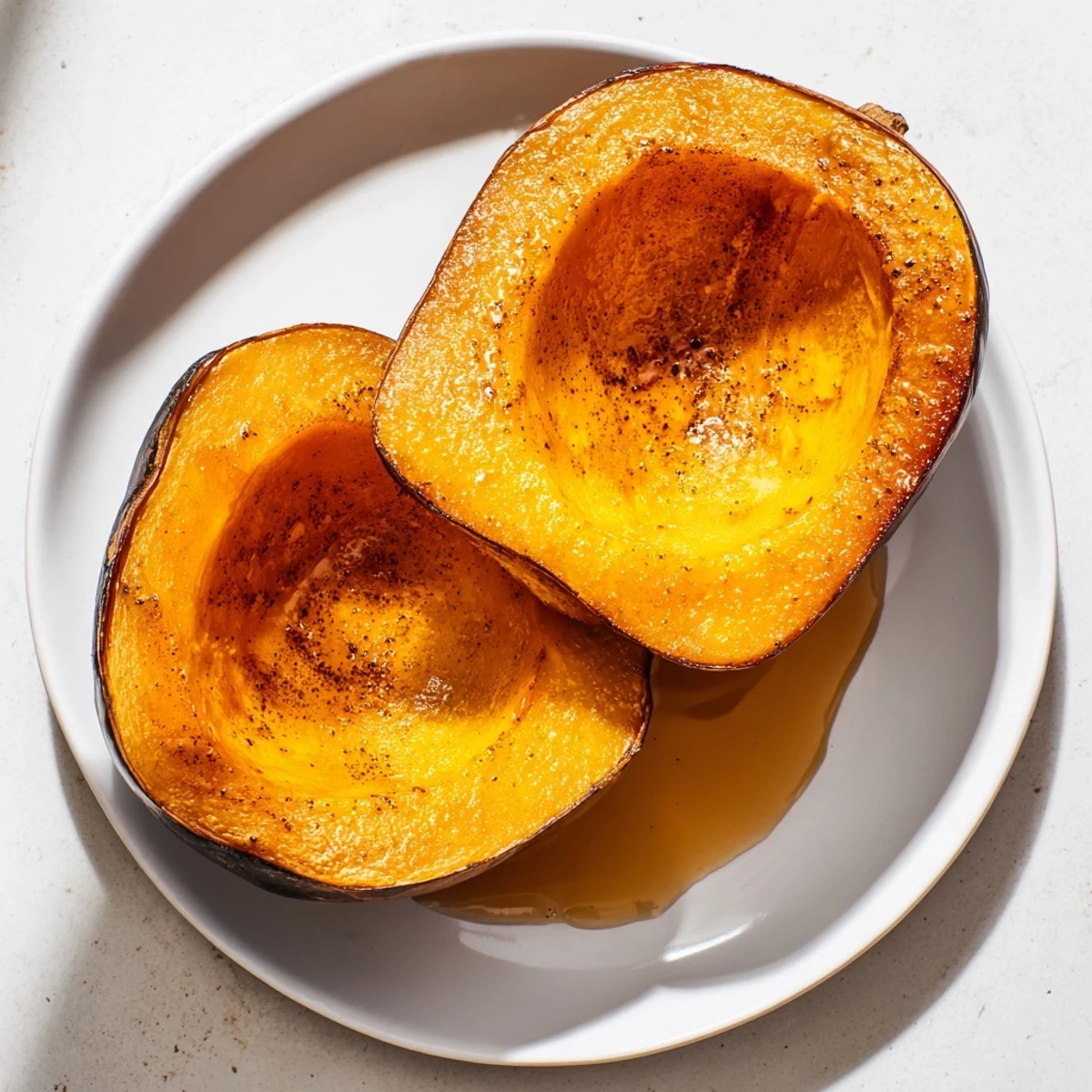
Save Roasting squash halves until tender and finishing with a smooth brown sugar butter glaze creates a rich, flavorful side dish. The squash is brushed with olive oil and seasoned with salt and pepper before roasting. After roasting, a blend of softened butter, brown sugar, cinnamon, and nutmeg is spread over, then baked again until bubbly. This method enhances the natural sweetness and adds a comforting richness, perfect for autumn meals.
Optional additions like toasted pecans or walnuts can add texture, while substituting maple syrup offers a unique twist. Easy to prepare and gluten-free, this dish pairs well with a variety of main courses.
There's something about the smell of roasted squash that fills a kitchen with autumn itself—warm, sweet, almost vanilla-like. I discovered this brown sugar butter version years ago when I was trying to stretch a simple weeknight dinner into something that felt celebratory, and it's become the side dish I make whenever I want to feel like I'm actually taking care of people. The caramelized glaze does most of the work for you, pooling into the tender flesh while the oven does its thing.
I made this for my neighbor who showed up unexpectedly one October evening, and the way her face lit up when I brought it to the table—golden, steaming, with butter still melting across the top—reminded me that the simplest dishes are often the most generous ones. She asked for the recipe before dessert was even served.
Ingredients
- Acorn or butternut squash: Two medium ones give you four generous halves, though the exact size matters less than choosing squash that feel heavy for their size—that means dense, sweet flesh inside.
- Olive oil: Just enough to coat the cut sides so they get golden and caramelized instead of steamed; you're seasoning the squash, not making it swim.
- Kosher salt and black pepper: Salt draws out the squash's natural sweetness, and freshly ground pepper adds a quiet heat that keeps the whole dish from becoming one-note.
- Unsalted butter: Softened butter blends into a smooth paste with the brown sugar, and using unsalted means you control the salt level completely.
- Packed brown sugar: Packed means you're getting those molasses-rich notes that make this glaze taste like caramel rather than just sweet.
- Ground cinnamon and nutmeg: Cinnamon is the main note, but the whisper of nutmeg makes people pause and try to figure out what they're tasting.
Instructions
- Get your oven ready:
- Preheat to 400°F and line your baking sheet with parchment paper so the squash doesn't stick and you have almost no cleanup afterward.
- Prepare the squash:
- Halve each squash lengthwise—a sharp chef's knife and a little rocking motion works better than trying to force it. Scoop out the seeds with a sturdy spoon; this is actually satisfying work, like you're giving the squash a tiny spa treatment.
- Season and position:
- Brush the cut sides generously with olive oil using a pastry brush, then sprinkle with salt and pepper. Place the halves cut side down on the parchment, which might feel wrong but is exactly right—the flat side touching the heat is where the magic begins.
- First roast:
- Let them go for 35 to 40 minutes until a fork slides through the flesh like it's butter. You'll know it's ready when the edges start to caramelize.
- Make the brown sugar butter:
- While the squash roasts, combine softened butter, packed brown sugar, cinnamon, and nutmeg in a small bowl and mix until it becomes a smooth, spreadable paste. Don't skip this step—letting the flavors meld matters.
- Flip and glaze:
- Carefully turn the squash halves cut side up. Spoon the brown sugar butter evenly over each one, dividing it so everyone gets the same amount of glory.
- Final roast:
- Return to the oven for just 5 to 7 minutes more—just long enough for the butter to melt and bubble slightly around the edges. This short burst ensures the glaze warms through without cooking off.
- Serve:
- Bring them to the table hot, with any extra glaze from the bottom of the pan spooned generously over each half so nothing goes to waste.
 Save
Save I once served this to my mother-in-law, who quietly asked for seconds and then a third spoonful, and something about watching someone enjoy food that badly shifted how I think about cooking for others. It's not complicated, but it feels intentional.
Choosing Your Squash
Acorn squash is the classic choice—smaller, earthier, with flesh that's more dense than butternut. Butternut is sweeter and more delicate, almost caramel-like on its own, so it needs a lighter hand with the brown sugar. Some people swear by delicata, which is thinner-skinned and roasts faster, or kabocha, which is denser and more chestnut-like. The recipe works with any of them, but knowing your squash means knowing what you're getting into.
The Brown Sugar Butter Magic
This isn't just a topping—it's a glaze that transforms. As it melts into the tender squash flesh, the brown sugar caramelizes slightly, the cinnamon and nutmeg become almost imperceptible but absolutely necessary, and you get something that tastes far more complicated than what you actually did. The butter acts as a vehicle, carrying all those warm spice notes deep into every bite.
Variations and Additions
The beauty of this recipe is how it takes suggestions without losing itself. Toasted pecans or walnuts add a crunch that feels elegant without being fussy. A drizzle of maple syrup instead of some of the brown sugar gives it a different kind of autumnal feeling—less candy-sweet, more forest-floor whisper. I've even added a tiny pinch of cayenne once, just enough to make people say what is that, and when you tell them it's hot pepper, their confusion is delightful.
- Maple syrup version: Use 2 tablespoons brown sugar and 1 tablespoon maple syrup for a subtler sweetness.
- Toasted nut topping: Scatter roughly chopped pecans or walnuts over the squash after the final roast, while the butter is still warm and sticky.
- Spice adjustment: If you love cinnamon, use a full teaspoon; if nutmeg speaks to you, you can push the pinch to a quarter teaspoon.
 Save
Save This dish has a way of making dinner feel like an occasion without any fuss. Serve it alongside roasted chicken, pork chops, or just with good bread to soak up the glaze.
Recipe FAQs
- → What types of squash work best for this dish?
-
Acorn and butternut squash are ideal, but delicata and kabocha also work well with this cooking method.
- → Can I use a dairy-free alternative for the butter?
-
Yes, substituting with a dairy-free butter creates a vegan-friendly version without sacrificing flavor.
- → How do I know when the squash is fully roasted?
-
The squash is done when a fork pierces the flesh easily and it feels tender throughout.
- → What is the purpose of flipping the squash before adding the glaze?
-
Flipping exposes the tender flesh to the glaze, allowing it to melt and bubble for a rich, sweet finish.
- → Can I add nuts to this dish?
-
Yes, sprinkling toasted pecans or walnuts before serving adds a pleasant crunchy texture and complements the sweetness.