
 Save
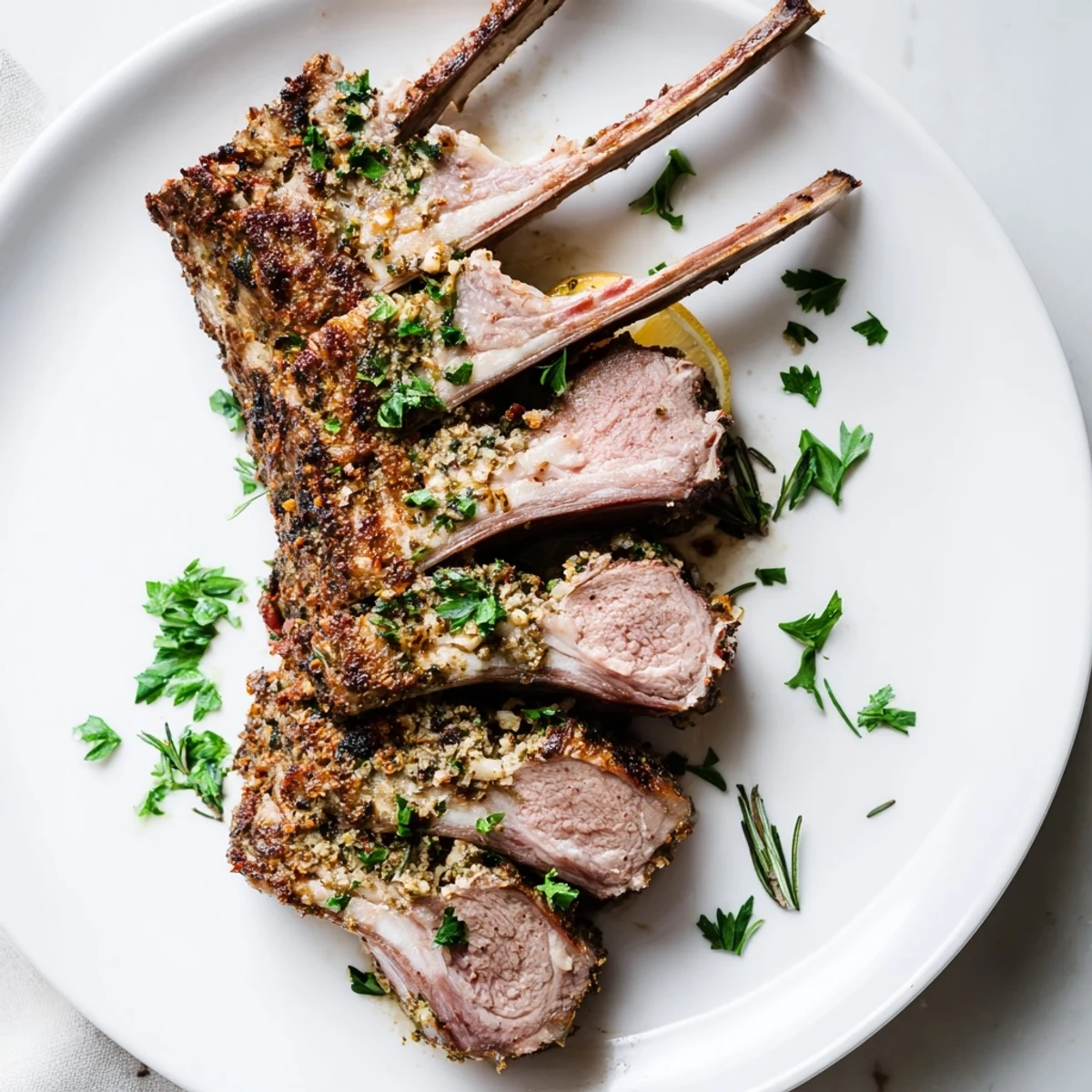
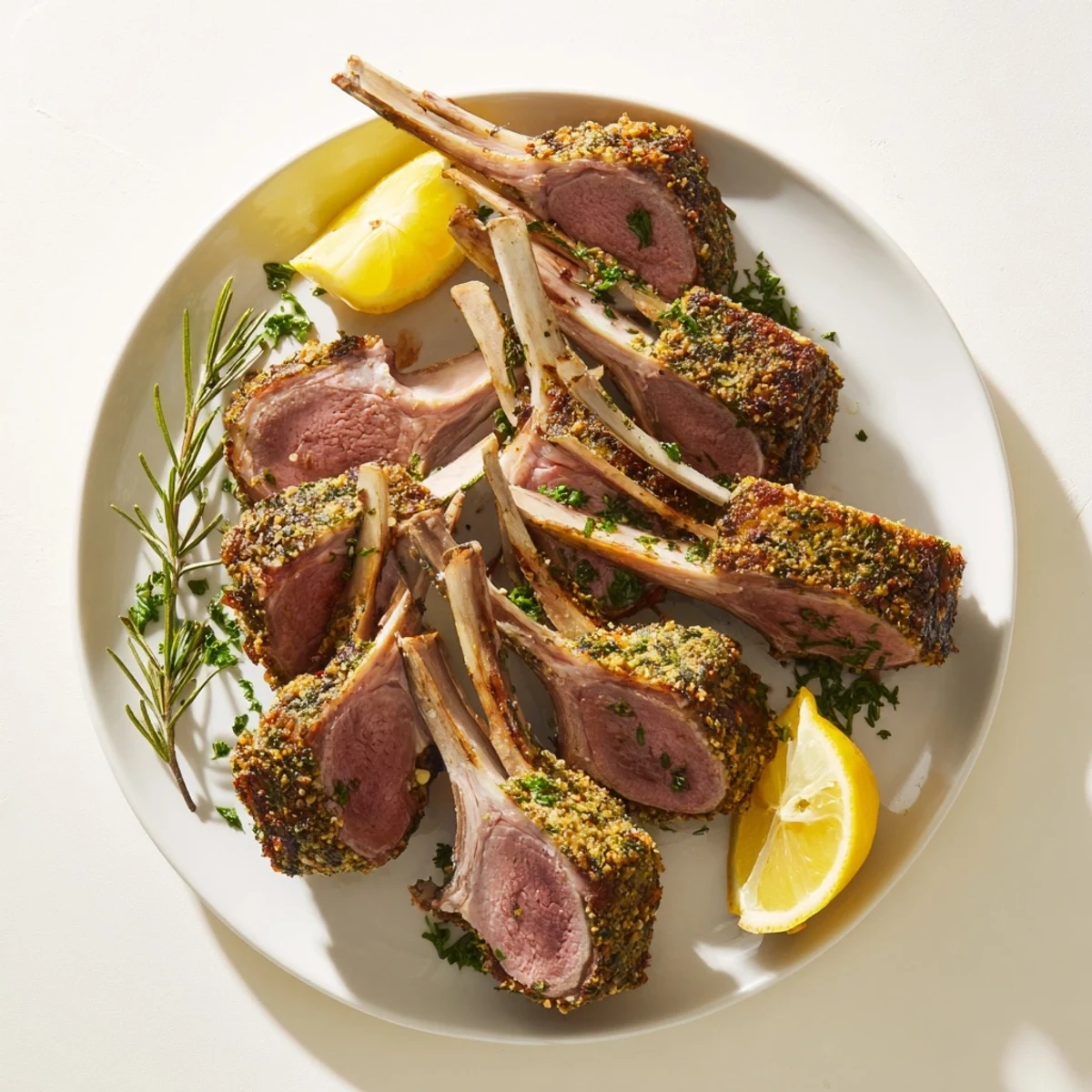
Save This lamb rack is coated with a fragrant mixture of rosemary, thyme, garlic, and Dijon mustard, then roasted to a juicy medium-rare. The herb crust enhances the natural flavor of the meat, while resting after roasting ensures tenderness and juices are sealed in. Slice between the ribs for individual servings and garnish with parsley and lemon for a bright finish. Ideal for elegant dinners, pairing beautifully with roasted vegetables or potato gratin.
I still remember the first time I roasted a lamb rack for my partner's birthday dinner. My hands were trembling as I pulled it from the oven, the kitchen filled with the most intoxicating aroma of rosemary and thyme. When I plated those perfectly pink chops with their herb crust glistening under the kitchen light, I realized I'd just discovered something magical—a dish that feels restaurant-fancy but is surprisingly simple to master at home.
There's this moment, right when you pull the lamb from the oven and hear that sizzle as you tent it with foil, where you know you've nailed it. I always let it rest those ten minutes, and honestly, that's when I pour myself a glass of wine and take a breath. It's become my little ritual—the moment before the magic gets plated.
Ingredients
- 1 rack of lamb (8 ribs, about 1.5–2 lbs), frenched: Ask your butcher to french it—they'll clean the meat away from the bones so you get those gorgeous exposed bones. This makes plating effortless and gives it that restaurant look.
- 2 tablespoons fresh rosemary, finely chopped: Fresh is absolutely non-negotiable here. Dried rosemary is too sharp and will taste dusty. Fresh rosemary is mild and almost sweet when mixed with the other herbs.
- 2 tablespoons fresh thyme leaves, finely chopped: Strip the leaves right off the stem—saves time and gives you that tender texture in your crust.
- 4 cloves garlic, minced: Don't use jarred. Fresh garlic melds into the oil and becomes almost sweet when roasted.
- 1 teaspoon sea salt: The sea salt dissolves beautifully into the herb paste and seasons evenly.
- ½ teaspoon freshly ground black pepper: Freshly cracked makes all the difference in brightness.
- 2 tablespoons Dijon mustard: The mustard isn't about flavor—it's the binding agent that makes the crust stick to the meat and creates that gorgeous crust.
- 2 tablespoons olive oil: This carries all those herb flavors and helps create an even coating.
- 1 tablespoon fresh parsley, chopped (optional): A whisper of green at the end adds freshness to your finished plate.
- Lemon wedges (optional): A squeeze of bright acid cuts through the richness beautifully.
Instructions
- Prep your oven and lamb:
- Start by preheating your oven to 400°F (200°C). While it's warming, pat your lamb rack completely dry with paper towels—this is crucial because any moisture will steam the meat instead of creating a beautiful crust. Trim any excess fat you see, but leave a thin layer; that's flavor.
- Build your herb crust:
- In a small bowl, combine your fresh rosemary, thyme, minced garlic, salt, pepper, Dijon mustard, and olive oil. Mix it together with your fingers or a spoon until you have a thick paste that looks like it's ready to cling to something. The mustard should be fully incorporated—that's your secret weapon.
- Coat generously:
- This is where your kitchen smells incredible. Take that herb paste and rub it all over the lamb, really working it into the meaty side. Don't be shy—get it into all the crevices. The exposed bones don't need much coating, but the meat itself should be completely covered.
- Get it sizzling:
- Place your coated lamb rack, fat side up, in a roasting pan or ovenproof skillet. Pop it into that preheated oven. You'll smell it after about 15 minutes, and you'll know something wonderful is happening in there.
- Find your perfect doneness:
- Roast for 20–25 minutes if you want medium-rare (that's 130–135°F internal temperature), or longer if you prefer it more done. I use a meat thermometer because it takes the guesswork out. The lamb will continue cooking slightly while it rests, so don't be afraid to pull it out at 130°F.
- The sacred rest:
- Transfer your beautiful lamb to a cutting board and loosely tent it with foil. Let it sit for exactly 10 minutes. This is non-negotiable—the resting period lets the juices redistribute so every bite stays juicy instead of running all over your plate.
- Slice and celebrate:
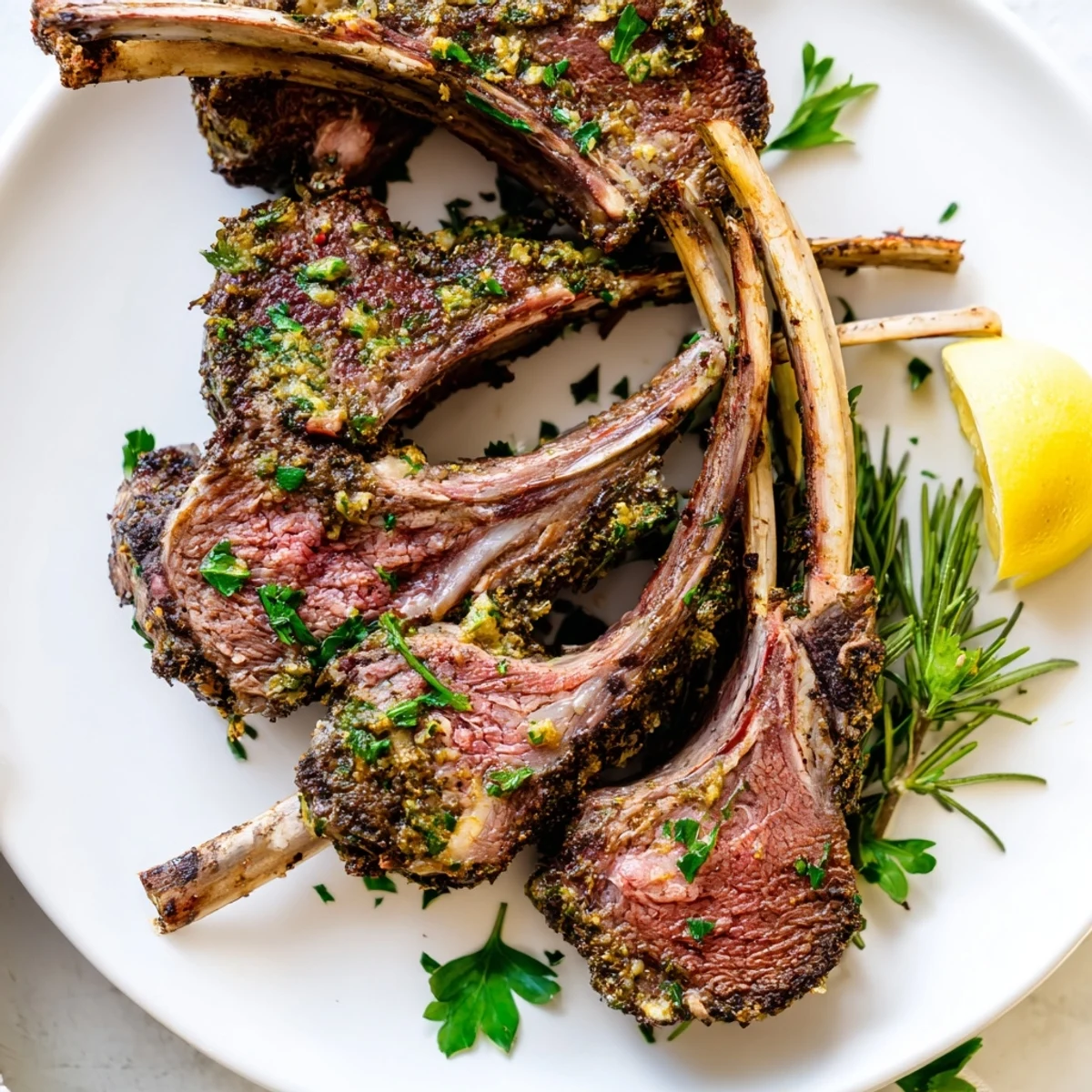
- Using a sharp knife, slice between the bones to create individual chops. Each one should have a beautiful pink center and that herb crust on top. Arrange on your plate, add a sprinkle of fresh parsley if you'd like, and maybe a lemon wedge nearby for someone to squeeze if they want that bright note.
 Save
Save I'll never forget watching my dad take his first bite. He closed his eyes, and then he looked at me and just said, 'Where did you learn to cook like this?' That's when food becomes more than food—it becomes a language, a way of saying 'I care about you' without words.
When to Serve This
This is your dish for when you want to impress without stress. Valentine's Day, a promotion celebration, or when your in-laws are visiting and you want to show them what you're made of. The beauty is that it takes less than an hour but tastes like you've been working all afternoon. Pair it with something simple—roasted root vegetables, a creamy potato gratin, or even just a bitter green salad to cut through the richness.
Wine Pairing That Actually Matters
Don't overthink this, but also don't skip it. A robust red wine like Bordeaux or Syrah is your best friend here. The tannins in the wine marry beautifully with the herb crust and the lamb's natural richness. I've also had success with a good Côtes du Rhône. If you're not a wine person, a full-bodied beer works too. The point is choosing something with enough character to stand up to the boldness of the herbs and the lamb.
Making It Your Own
This recipe is your canvas. Whole-grain mustard will give you extra texture and a slightly different flavor. I've substituted half the herbs with fresh oregano and it was spectacular. Some people add a touch of honey to their herb paste, which creates a subtle sweetness. The key is keeping the proportions similar—you want enough herb paste to coat everything evenly without drowning the lamb. Here are a few quick thoughts I've picked up over the years.
- If you can't find fresh herbs, this dish will suffer—don't try to use dried rosemary and thyme. The flavor profile changes completely.
- Your lamb rack size matters; this recipe is written for about 1.5–2 pounds. A much larger rack might need a few more minutes in the oven.
- Let the meat sit at room temperature for about 20 minutes before roasting; cold meat takes longer and cooks unevenly.
 Save
Save There's something about a perfectly roasted lamb rack that makes you feel like you've accomplished something real. Every time I make it, I'm reminded that the best meals aren't about complicated techniques—they're about respecting good ingredients and taking your time. Make this for someone you love.
Recipe FAQs
- → What is the best internal temperature for cooking lamb rack?
-
For medium-rare, roast until the internal temperature reaches 130–135°F (54–57°C). This ensures juicy, tender meat.
- → How do herbs enhance the flavor of the lamb?
-
Fresh rosemary and thyme infuse the meat with aromatic, earthy notes that complement lamb's rich character.
- → Can I substitute Dijon mustard in the herb crust?
-
Yes, whole-grain mustard can be used for a coarser texture and slightly different flavor profile.
- → Why should the lamb rest after roasting?
-
Resting allows juices to redistribute evenly, resulting in moist, tender slices when carved.
- → What side dishes pair well with herb-crusted lamb rack?
-
Roasted vegetables or a creamy potato gratin complement the rich flavors and make a complete meal.