
 Save
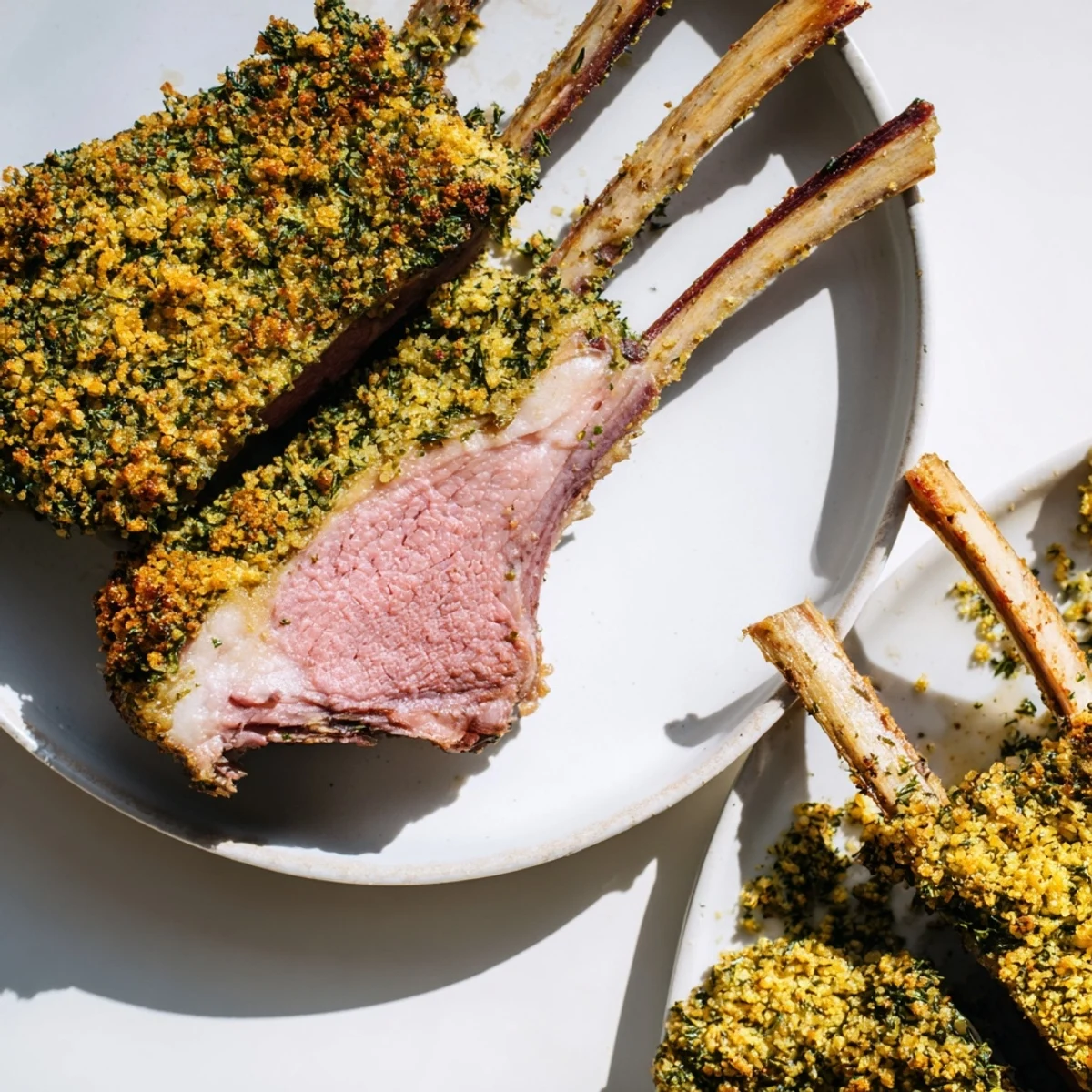
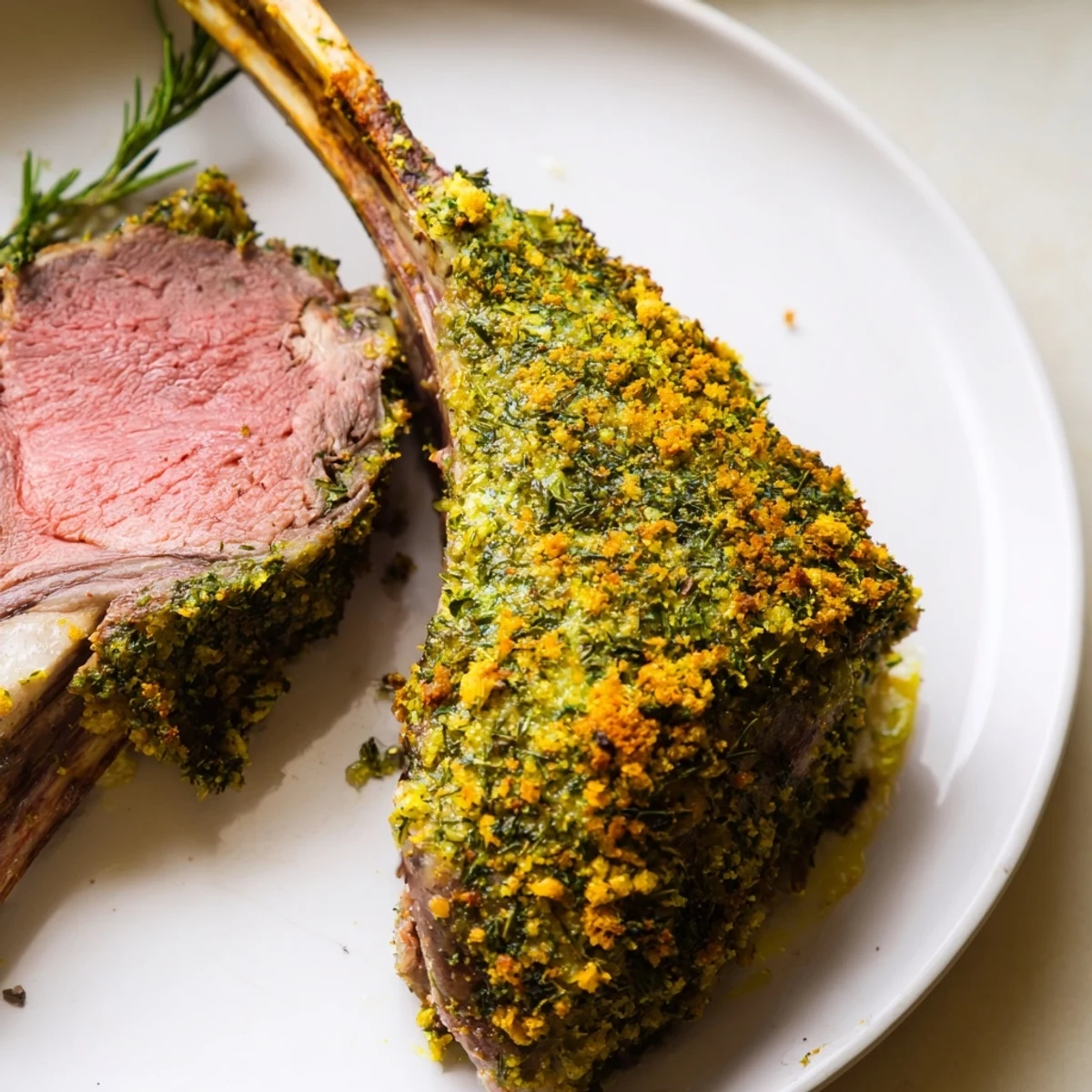
Save This dish features a lamb rack seasoned and seared before being roasted with a flavorful herb crust made of parsley, rosemary, thyme, garlic, and lemon zest. The crust adds a crunchy texture while complementing the tender, juicy meat. A quick resting period after roasting ensures the lamb remains succulent. Ideal for festive occasions or special home meals with sides like roasted vegetables or potato gratin, it suits gluten-free needs by substituting breadcrumbs accordingly.
My tiny apartment kitchen became an impromptu steakhouse the night I first attempted rack of lamb. I had invited my future in-laws over for dinner and was terrified of ruining such an expensive cut of meat. The sizzling sound as the lamb hit the hot skillet calmed my nerves somehow. That evening taught me that elegant cooking often comes down to confidence and a good thermometer.
Last Christmas, my sister requested this lamb instead of the usual ham. Watching my niece carefully arrange the rosemary sprigs on top of the crust made the whole preparation feel like a family project. The house smelled absolutely divine while it roasted. Now it has become our new holiday tradition, replacing the old standby completely.
Ingredients
- 1 rack of lamb about 800 g frenched: Frenched racks look elegant and make for easier eating, but ask your butcher to leave some fat cap for flavor
- 1 tbsp olive oil: Use this for searing the fat side until crispy and golden brown
- Salt and freshly ground black pepper: Be generous here, the crust needs a solid foundation of seasoning
- 1 cup fresh breadcrumbs use gluten-free if needed: Fresh breadcrumbs absorb the olive oil better than dry ones
- 2 tbsp fresh parsley finely chopped: Flat-leaf parsley has better flavor than curly for this crust
- 2 tbsp fresh rosemary finely chopped: Rosemary pairs beautifully with lamb, but chop it finely to avoid tough needles
- 1 tbsp fresh thyme finely chopped: Fresh thyme adds an earthy note that grounds the brighter herbs
- 2 cloves garlic minced: Fresh garlic transforms in the oven, mellowing into sweet notes
- 1 tbsp Dijon mustard: This acts as the glue that holds your herb crust in place
- 2 tbsp olive oil: This helps the breadcrumbs toast and turn golden brown
- Zest of 1 lemon: Lemon zest cuts through the richness of the lamb
Instructions
- Preheat and prepare the lamb:
- Preheat the oven to 200°C 400°F and pat the lamb rack dry with paper towels. Season generously with salt and pepper on all sides.
- Sear to perfection:
- Heat 1 tbsp olive oil in a large ovenproof skillet over medium-high heat. Sear the lamb rack fat side down for 2-3 minutes, then turn and sear the other side for 1-2 minutes until browned.
- Mix the herb crust:
- In a bowl, combine breadcrumbs, parsley, rosemary, thyme, garlic, lemon zest, and 2 tbsp olive oil. Mix until well combined and the mixture looks like damp sand.
- Apply the mustard coating:
- Brush the seared lamb rack with Dijon mustard on the fat side only. Press the herb breadcrumb mixture onto the mustard-coated side, ensuring an even crust that sticks.
- Roast to medium-rare:
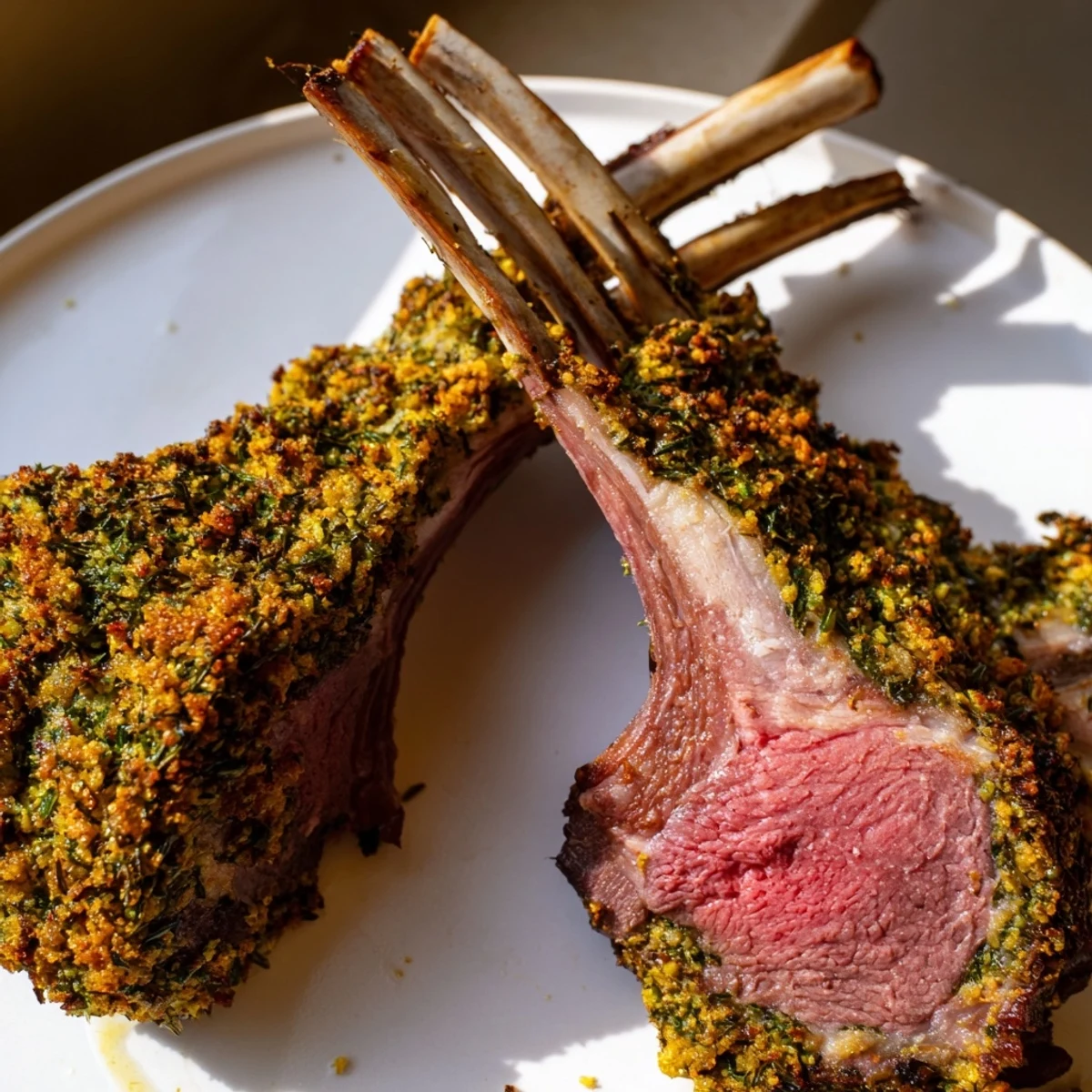
- Transfer the skillet to the oven and roast for 18-22 minutes for medium-rare. Aim for an internal temperature of 57°C 135°F for the perfect pink center.
- Rest before serving:
- Remove from the oven and cover loosely with foil. Let rest for 10 minutes before slicing into individual chops.
 Save
Save The first time I made this for a dinner party, one guest admitted she had never liked lamb before. She went back for seconds and asked for the recipe before dessert was even served. That conversion moment felt like a real kitchen victory.
Choosing the Right Lamb
I have learned that buying from a butcher who can french the rack properly makes an enormous difference in both presentation and eating experience. The fat cap should be even and creamy white, never yellowing or dry. Do not be afraid to ask questions about where the lamb comes from.
Temperature Guide
Everyone has different preferences when it comes to lamb doneness. Medium-rare hits that sweet spot for most people, but I have learned that pulling the lamb out at 54°C 130°F lets carryover cooking finish the job perfectly. Using an instant-read thermometer in the thickest part gives you the most accurate reading.
Serving Suggestions
This dish deserves sides that can stand up to its bold flavors without competing. Roasted vegetables with a little char from the oven work beautifully. Potato gratin adds the creaminess that balances the herb crust. A simple arugula salad dressed with lemon vinaigrette brings freshness to the plate.
- Red wine with good acidity pairs wonderfully with the herb crust
- Mint jelly is traditional but a chimichurri sauce offers more sophistication
- Individual servings look stunning on warm plates
 Save
Save This lamb has become my go-to for celebrations and quiet Sunday dinners alike. There is something deeply satisfying about serving a dish that looks as impressive as it tastes.
Recipe FAQs
- → How do I achieve a crispy herb crust on the lamb?
-
Coat the seared lamb rack with Dijon mustard, then press the herb and breadcrumb mixture evenly on top before roasting to form a flavorful, crispy crust.
- → What internal temperature signals medium-rare doneness?
-
Roast until the lamb reaches an internal temperature of 57°C (135°F) for a tender medium-rare finish.
- → Can I make this dish gluten-free?
-
Yes, use gluten-free breadcrumbs to keep the crust crunchy without gluten.
- → What sides pair well with roasted lamb rack?
-
Roasted vegetables, potato gratin, and fresh green salads complement the rich flavors nicely.
- → Why should the lamb rest after roasting?
-
Resting allows juices to redistribute within the meat, ensuring each slice remains juicy and tender.