
 Save
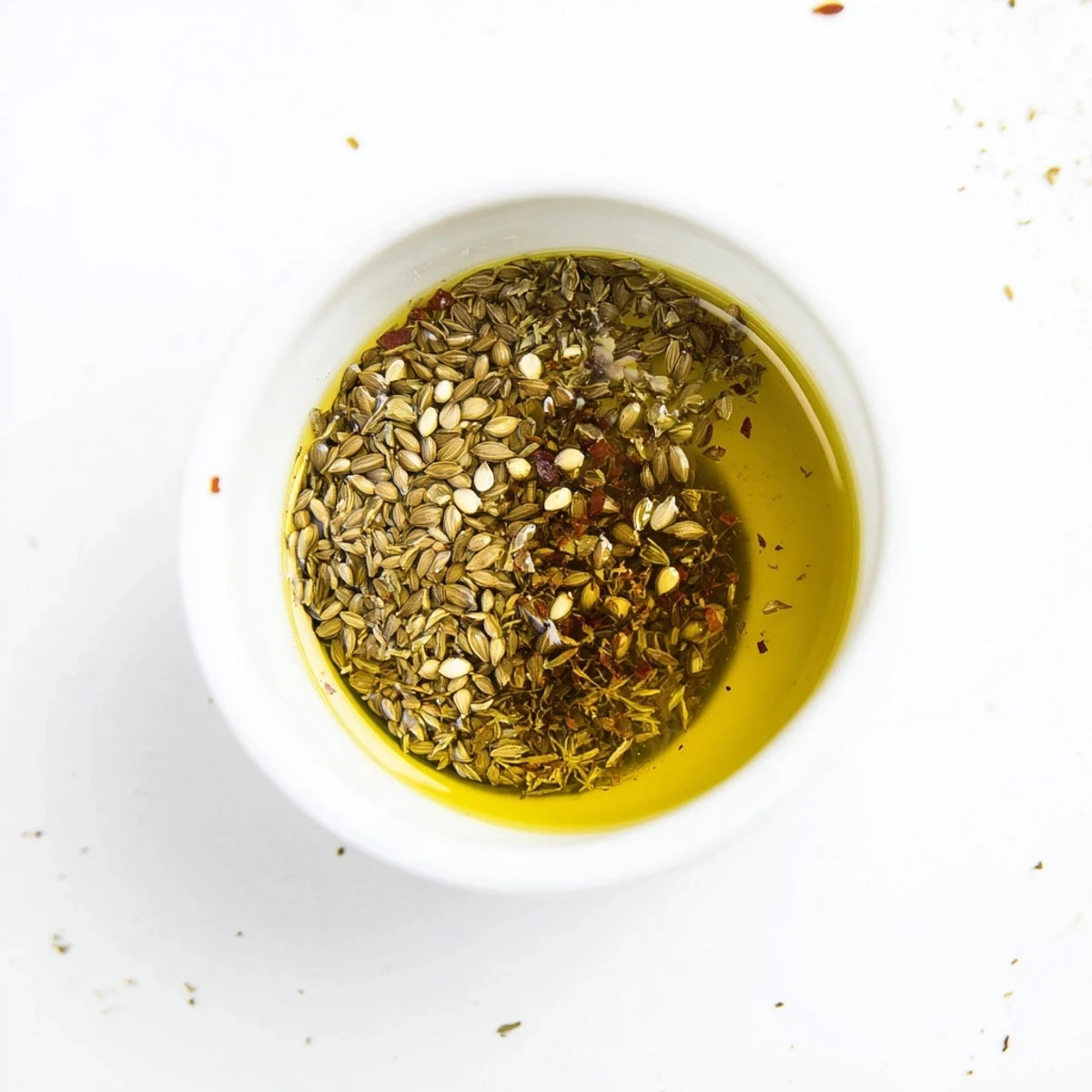
Save This vibrant spiced olive oil blends toasted coriander, cumin, and black peppercorns with smoked paprika and garlic, gently infused in extra virgin olive oil. Ready in just 15 minutes, it adds a bold, smoky kick to grilled meats, roasted vegetables, or bread. Strain and store chilled, then bring to room temperature before serving to enjoy its rich, aromatic flavors. Customizable with chipotle powder or fresh herbs for added depth.
There's something almost meditative about making spiced oil, a practice I stumbled into during a quiet afternoon in my kitchen when I was trying to rescue some ordinary olive oil into something memorable. A friend had left behind a jar of her own infused oil, and I became obsessed with recreating it, tweaking proportions until the kitchen smelled like a spice market in Istanbul. What started as an experiment became my secret weapon for transforming simple grilled chicken or a bowl of hummus into something guests would ask about. Now I make a batch whenever I want to remind myself that the best flavors come from patience and good intentions.
I made this oil for a dinner party once, and someone dipped their bread into it before tasting anything else at the table—not the most flattering moment, but it told me everything I needed to know about whether it was working. The garlic turned golden and smelled impossibly good, and that's when I realized this wasn't just a condiment, it was an experience in a bottle.
Ingredients
- Extra virgin olive oil (1 cup): The foundation matters here; choose one you actually enjoy tasting, because it's doing the heavy lifting.
- Coriander seeds (1 tablespoon): These add a subtle citrusy warmth that balances the heat and earthiness of everything else.
- Cumin seeds (1 tablespoon): They give the oil its grounding, almost nutty character that makes people wonder what they're tasting.
- Black peppercorns (1 teaspoon): Whole peppercorns release their oils slowly, creating a lingering warmth rather than a sharp bite.
- Smoked paprika (1 teaspoon): This adds color and a subtle smokiness that makes the oil feel sophisticated and intentional.
- Red pepper flakes (1 teaspoon): Adjust this by your tolerance; I learned the hard way that "to taste" here is crucial.
- Garlic, thinly sliced (2 cloves): Thin slices infuse more evenly and are less likely to burn into bitterness during those crucial final minutes.
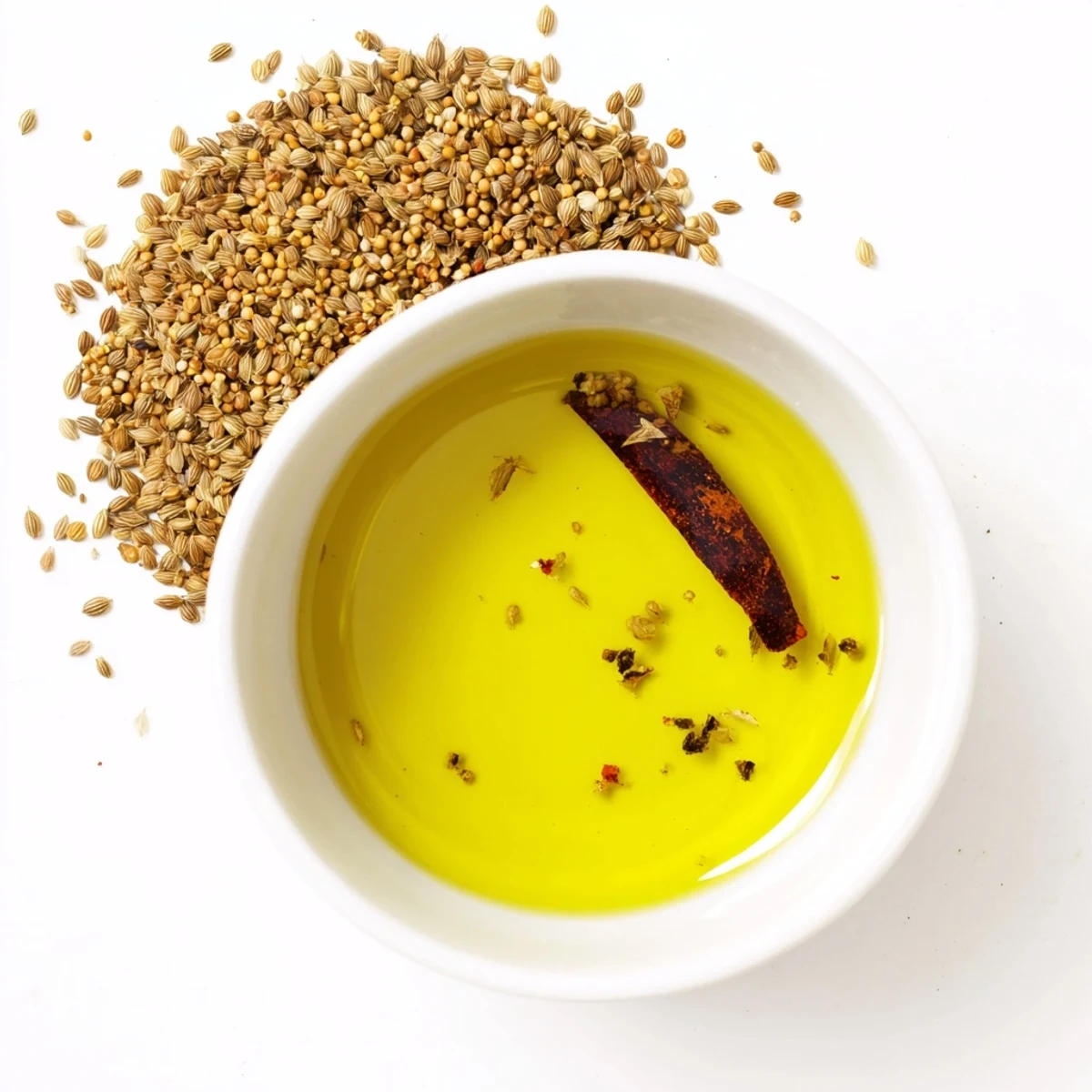
- Cinnamon stick (1 small, about 2 inches): A whisper of warmth that ties everything together without announcing itself.
Instructions
- Toast the seeds:
- Combine the coriander, cumin, and peppercorns in a small, heavy-bottomed saucepan over medium heat for 2–3 minutes, stirring frequently. You'll know you're done when the kitchen suddenly smells alive and fragrant—that's your signal to move on.
- Build the infusion:
- Add the olive oil, garlic, cinnamon stick, smoked paprika, and red pepper flakes to the pan. The cold oil hitting the warm spices creates a gentle sizzle that's both comforting and promising.
- Infuse gently:
- Reduce the heat to low and let everything meld for 7–8 minutes, stirring occasionally and watching the garlic turn from white to a pale gold. This is the moment where you can't rush; low heat keeps the flavors bright instead of burned.
- Cool and settle:
- Remove from heat and let the oil come to room temperature, which takes about 20–30 minutes. The spices will continue to release their oils as it cools, deepening the flavor.
- Strain with care:
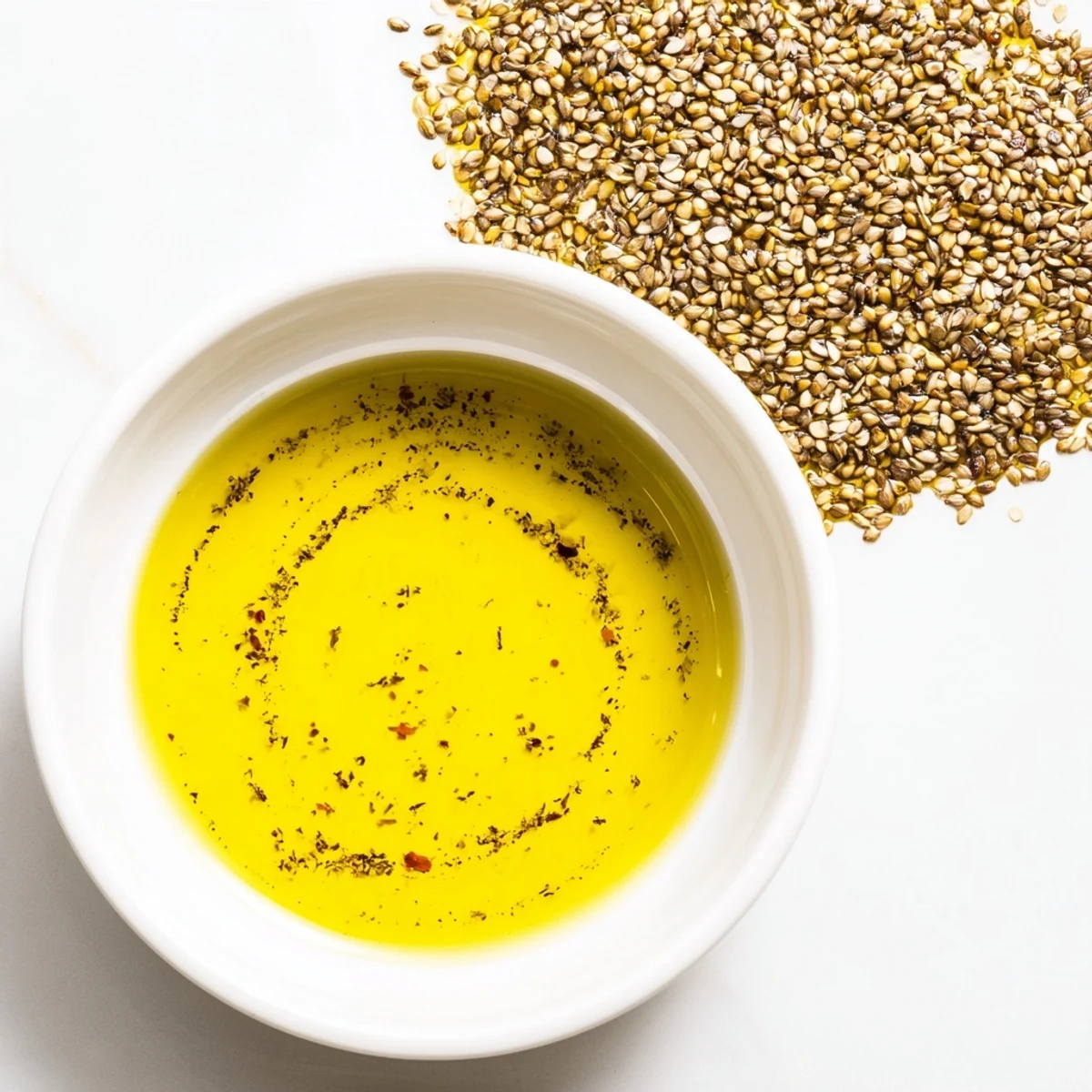
- Pour the oil slowly through a fine mesh sieve into a clean glass bottle, letting gravity do the work. What's left in the sieve is beautiful but doesn't belong in the final bottle.
- Store and serve:
- Keep it in the refrigerator for up to 2 weeks, and always bring it to room temperature before drizzling—cold oil won't coat as beautifully or share its warmth.
 Save
Save The first time someone used this oil on scrambled eggs at my breakfast table, they closed their eyes and said nothing for a moment—and that silence meant more than any compliment ever could. That's when I understood that good food isn't always about technique; sometimes it's about taking time to make something intentionally.
How to Use This Oil
Drizzle it over grilled meats while they're still warm so it seeps into the crevices and smoke. Pour it over roasted vegetables just before serving, when you want the heat and aroma to be the last thing someone tastes. It transforms a simple bowl of hummus or white beans into something restaurant-worthy, and it's the kind of finishing oil that makes people ask if you've secretly been trained as a chef.
Variations Worth Trying
If smokiness calls to you, swap the smoked paprika for chipotle powder—the oil will become deeper and more intense, almost like captured campfire. A fresh sprig of rosemary or thyme added during infusion brings an herbal brightness that plays beautifully with seafood or grilled chicken. You can also layer the flavors differently by toasting the spices longer for earthier notes, or shorter for fresher, more aromatic results.
Why This Oil Works
There's a reason infused oils are foundational in Middle Eastern and Mediterranean cooking—they capture the essence of multiple flavors in one gesture, turning a simple drizzle into storytelling. The slow infusion over low heat means the spices release their oils gradually, creating complexity without harshness. This oil is proof that some of the best cooking happens when you're patient enough to let ingredients speak for themselves.
- Toast your spices just until fragrant, not until they're visibly dark.
- Use a glass bottle with a tight lid to keep the oil fresh and protected from light.
- Bring it to room temperature before serving so the flavors bloom on the palate.
 Save
Save This oil is my answer to the question of how to make everyday food feel special without fussing over it. Once you've made it once, you'll understand why it becomes a habit.
Recipe FAQs
- → How long does the spiced oil keep?
-
Stored refrigerated in a sealed container, the spiced oil remains fresh for up to two weeks.
- → Can I adjust the spiciness level?
-
Yes, modify the amount of crushed red pepper flakes to soften or intensify the heat to your preference.
- → What oils work best as a base?
-
Extra virgin olive oil offers a rich, fruity base, but neutral oils like grapeseed can also be used for different flavor profiles.
- → How do I prevent the garlic flavor from becoming bitter?
-
Infuse the oil on low heat and avoid burning the garlic by stirring frequently and removing from heat promptly.
- → Can fresh herbs be added for extra aroma?
-
Yes, adding sprigs of rosemary or thyme during infusion enhances the aromatic complexity of the oil.