
 Save
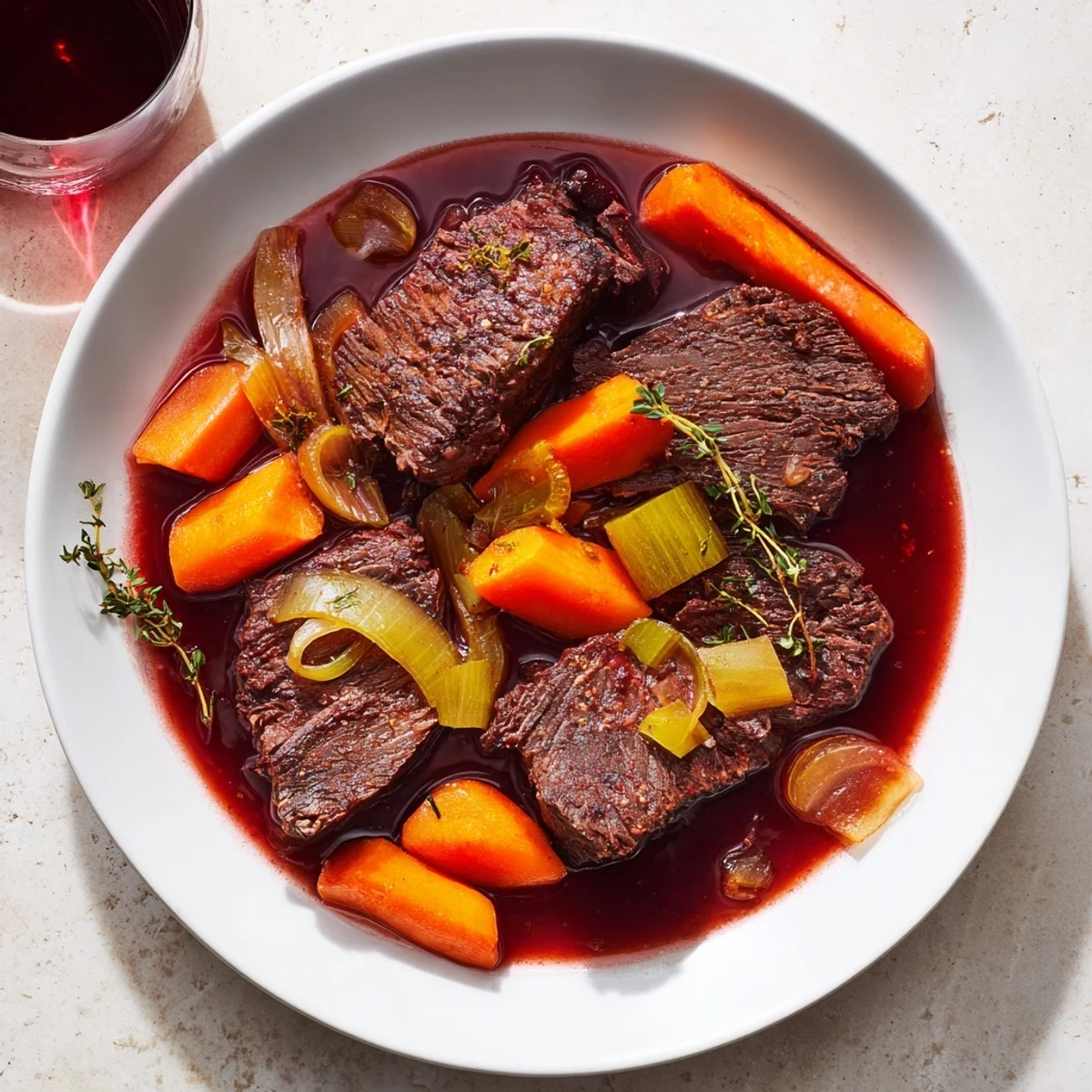
Save This braised chuck roast delivers exceptional tenderness through slow cooking in red grape juice, creating a uniquely sweet and savory flavor profile. The beef becomes melt-in-your-mouth soft after three hours in the oven, while aromatic vegetables and fresh herbs infuse the braising liquid with depth. Perfect served over mashed potatoes or alongside crusty bread to soak up the rich juices.
The smell of grape juice braising beef still takes me back to that rainy Sunday when I accidentally discovered this combination. I had no red wine but spotted a bottle of purple grape juice in the pantry, figuring dessert flavors could work with savory meat if I balanced it right. My husband walked in mid-braise, his eyebrows shooting up at the sweet aroma mixing with onions and rosemary, but that first bite had him absolutely converted.
I served this at my sisters birthday dinner last winter, watching everyone go quiet after that first taste. My niece who normally picks around vegetables actually asked for seconds of the braised carrots, saying they tasted like candy. That moment of six people leaning over their plates, not saying much except occasional mmhm noises, thats the kind of dinner memory that sticks with you.
Ingredients
- 3 lbs beef chuck roast: This tough cut breaks down beautifully during braising, becoming meltingly tender while retaining enough structure to slice if you prefer
- 2 tsp kosher salt and 1 tsp black pepper: Generous seasoning before searing creates that flavorful crust that makes restaurant-quality braises stand out
- 2 tbsp olive oil: You need enough fat to get proper browning without burning, and olive oil handles the high-heat sear beautifully
- 1 large yellow onion, sliced: Yellow onions develop the sweetest flavor profile during long cooking, forming the backbone of your braising liquid
- 3 cloves garlic, minced: Add this after the vegetables have softened so it doesnt burn and turn bitter
- 3 large carrots and 2 celery stalks: Cut these into substantial chunks because theyll shrink during hours of cooking and you want them to remain identifiable
- 2 cups red grape juice: Use 100% juice with no added sugar for the cleanest grape flavor that will concentrate naturally
- 1 cup low-sodium beef broth: This balances the sweetness while keeping the dish gluten-free and letting the grape flavor shine
- 2 tbsp tomato paste: This adds umami depth and helps thicken the sauce while contributing beautiful color
- Fresh rosemary, thyme, and bay leaves: These woody herbs hold up to long cooking time, infusing the braising liquid with earthy aromatics
Instructions
- Get everything ready and preheat your oven:
- Set your oven to 325°F and pat the chuck roast completely dry with paper towels, then season it generously with salt and pepper on all sides
- Create that gorgeous brown crust:
- Heat the olive oil in your Dutch oven over medium-high heat until it shimmers, then sear the roast for 3 to 4 minutes on each side until deeply browned
- Build your flavor foundation:
- Sauté the onions, carrots, and celery in the same pot for 5 minutes until softened, then add the garlic for just 1 minute more
- Wake up the tomato paste:
- Stir in the tomato paste and let it cook for 1 minute until it becomes fragrant and deepens in color
- Start the braising magic:
- Pour in the grape juice and broth while scraping up all those browned bits from the bottom, then return the roast to the pot
- Add the aromatic herbs:
- Tuck in the rosemary, thyme, and bay leaves, bringing everything just to a gentle simmer
- Let the oven do the work:
- Cover the pot tightly and transfer to your preheated oven, braising for 3 hours until the beef gives absolutely no resistance when you insert a fork
- Finish and serve:
- Discard the bay leaves and herb stems, skim any excess fat from the surface, then slice or shred the roast and serve it with those tender vegetables and all those incredible juices
 Save
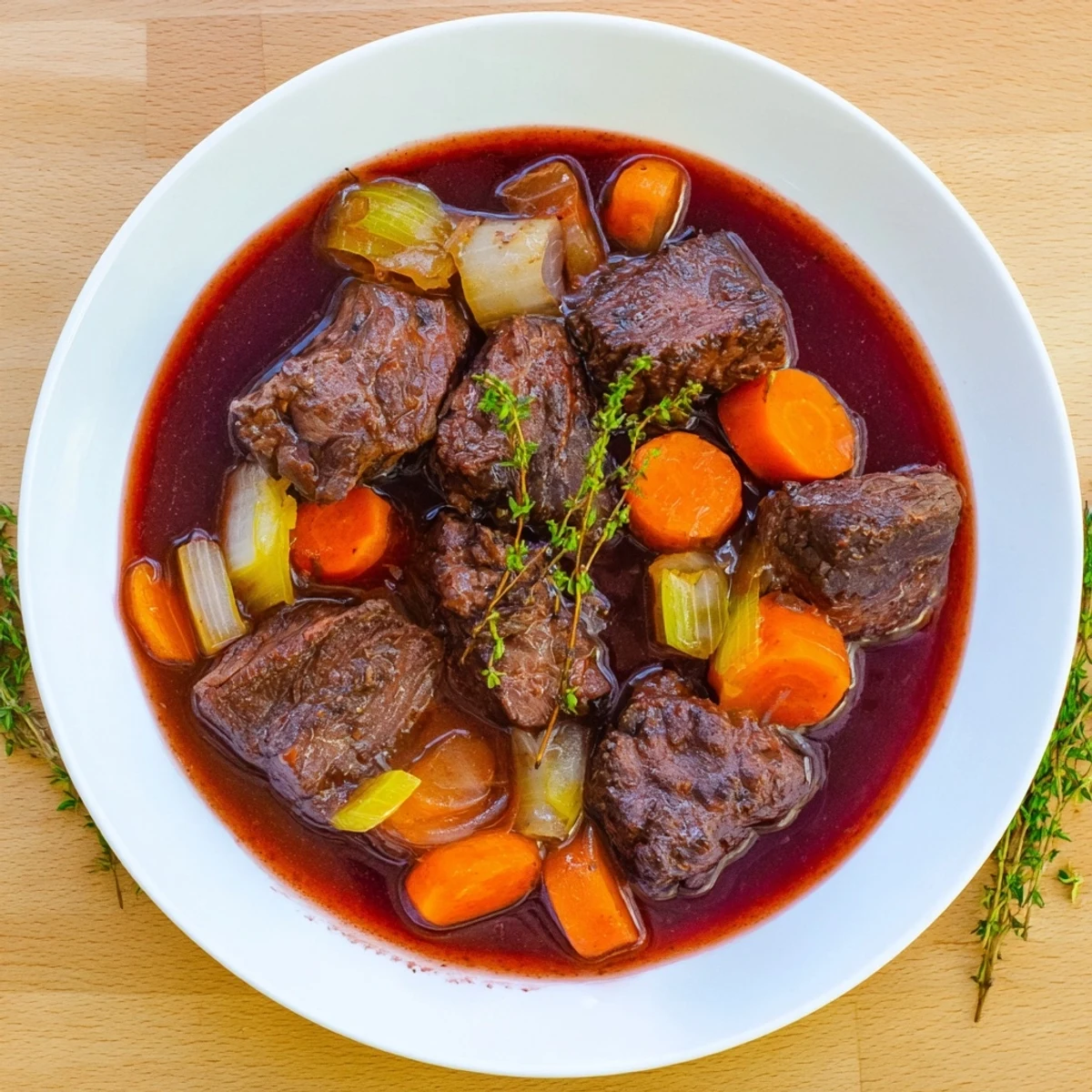
Save This recipe became my go-to comfort meal after a particularly brutal week at work when I needed something that felt like a hug but did not demand hours of active cooking. The way my house smells during those last thirty minutes of braising, like something special is happening, makes even the most stressful day feel manageable.
Making It Your Own
I have tried swapping pomegranate juice for the grape juice when I wanted something with a bit more tart edge. The version works beautifully, especially when I am serving this with something rich like mashed potatoes. Once I added a splash of balsamic vinegar in the last thirty minutes and that bright acidity cut through the richness spectacularly.
Timing Your Braising
The thing about braising is you cannot rush it, but you also do not need to stress about exact timing. I have let this go an extra forty-five minutes when I got caught up in a phone call and it just kept getting more tender. The only danger zone is pulling it too early when the beef still has some resistance to your fork.
Leftovers Actually Get Better
This is one of those rare dishes that improves overnight as the beef continues absorbing those grape-infused juices. I always make extra even when it is just two of us eating. The leftovers reheat beautifully for lunch the next day.
- Store leftovers in the braising liquid to keep everything incredibly moist
- The fat layer on top protects the meat and can be removed when reheating
- This freezes beautifully for up to three months if you want to meal prep
 Save
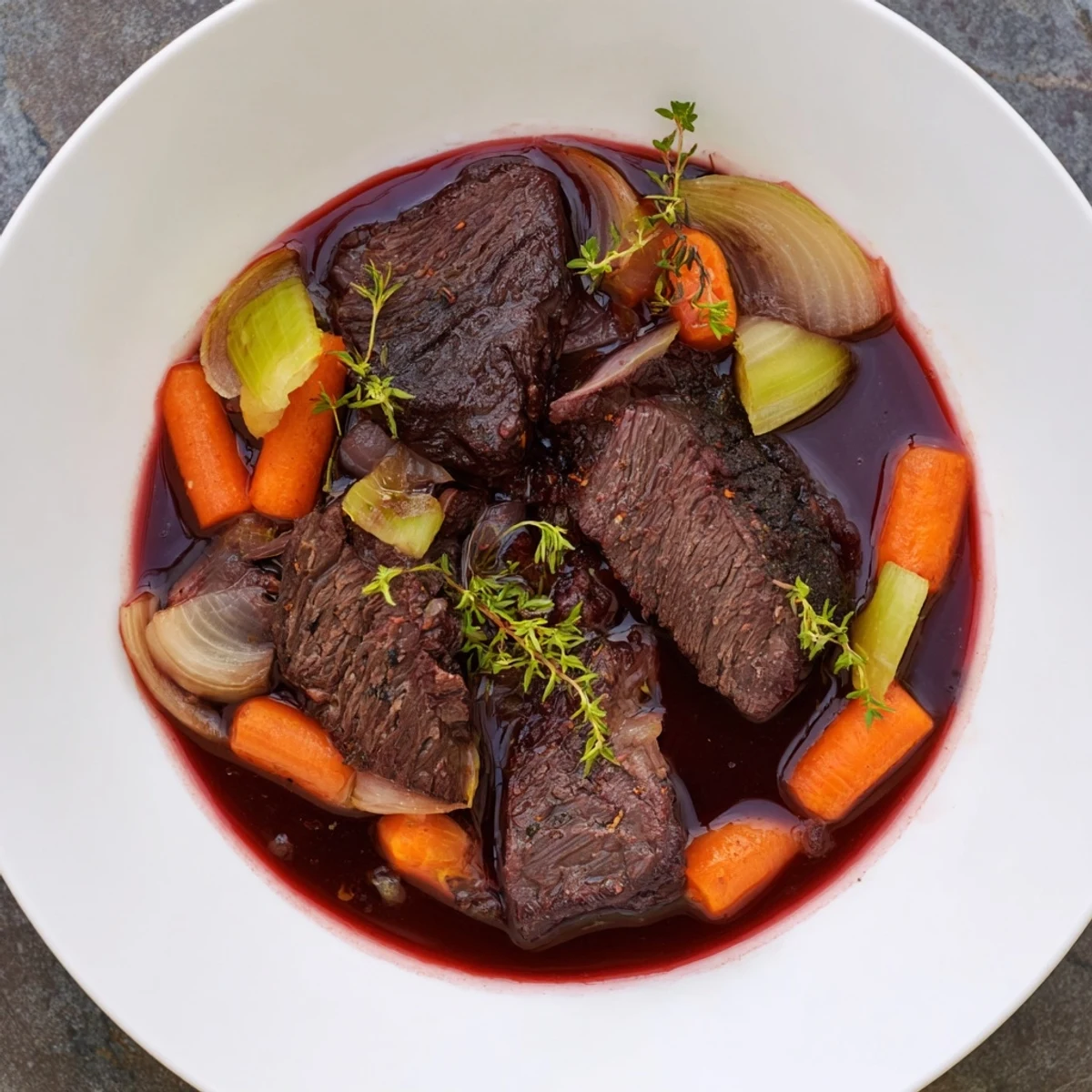
Save There is something deeply satisfying about taking an inexpensive cut of meat and transforming it into something this extraordinary. Hope this brings as much comfort to your table as it has to mine.
Recipe FAQs
- → Why use red grape juice for braising?
-
Red grape juice adds natural sweetness and subtle fruit notes that complement beef beautifully. It creates a rich, caramelized flavor while helping break down connective tissue for tender results.
- → Can I substitute the grape juice?
-
Pomegranate juice works well for a tangier profile. Red wine or grape juice mixed with beef broth also creates delicious results while maintaining the cooking liquid's depth.
- → How do I know when the roast is done?
-
The beef is ready when a fork slides in and out easily with no resistance. This typically takes 3 hours at 325°F. The meat should shred readily or slice without effort.
- → Should I sear the roast first?
-
Searing creates a flavorful crust through the Maillard reaction, adding depth to the final dish. This step takes just a few minutes and significantly enhances the overall flavor profile.
- → What sides pair best?
-
Creamy mashed potatoes, buttered egg noodles, or crusty bread all soak up the braising juices beautifully. Roasted root vegetables or a simple green salad balance the rich flavors.