
 Save
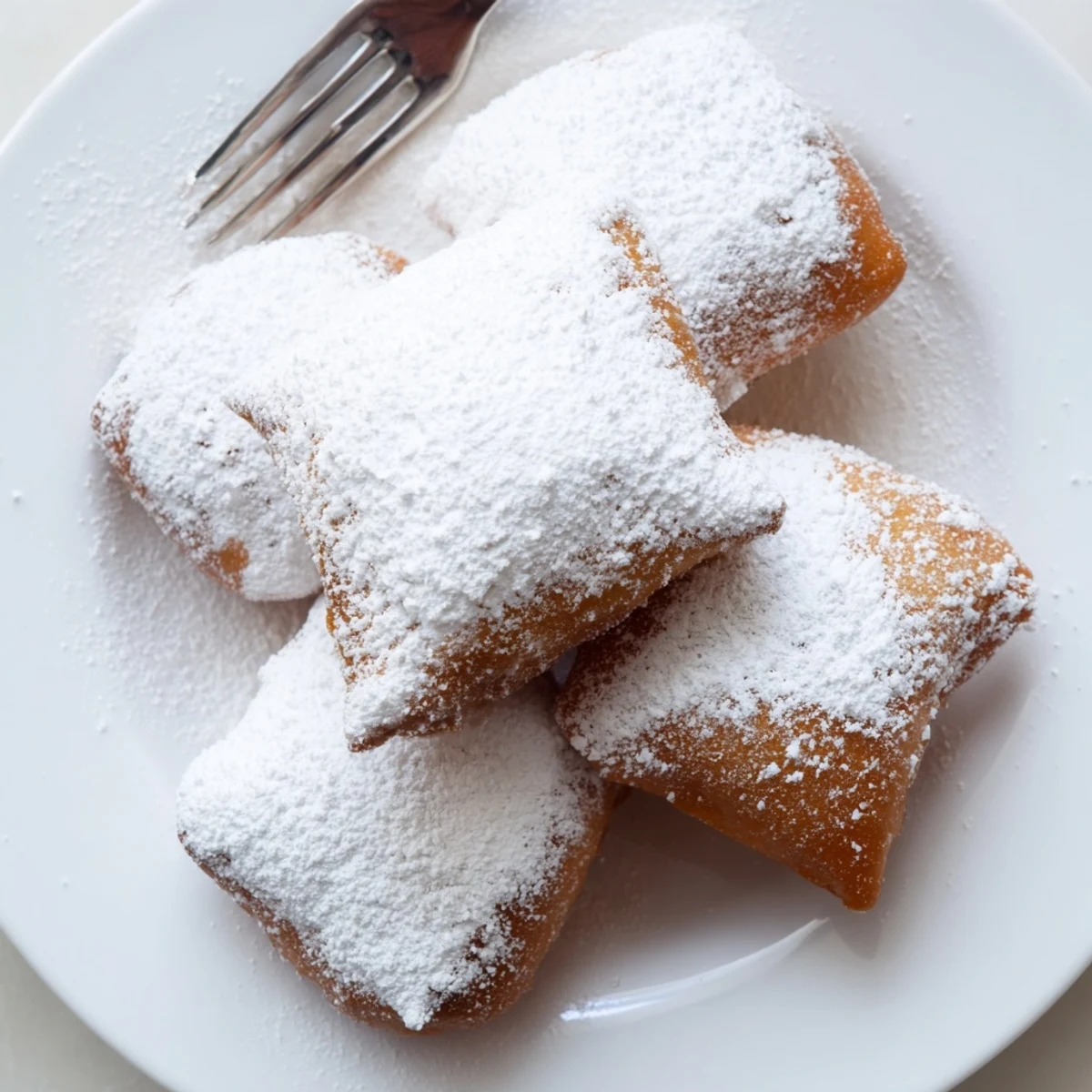
Save These fluffy beignets bring the vibrant spirit of Mardi Gras to your kitchen with their light, pillowy texture and a generous dusting of powdered sugar. Prepared with a yeast-leavened dough that’s kneaded and allowed to rise, they’re then deep-fried until golden brown and crisp. Perfect when served warm, they pair wonderfully with chicory coffee for an authentic New Orleans flair. Variations can include a hint of cinnamon or dairy-free options by swapping milk and butter. Best enjoyed fresh for maximum softness and flavor.
The first time I bit into a warm beignet in New Orleans, powdered sugar snowed down my black shirt like a sudden storm. I laughed so hard I nearly dropped the rest, right there on Decatur Street with jazz drifting from an open doorway. That mess of sugar became a badge of honor. Now every batch I make brings back that sticky, sweet moment of pure joy.
Last Mardi Gras, my kitchen became a makeshift French Quarter. Friends crowded around the stove, watching beignets puff up in the oil like magic. We ate them standing up, paper towels in hand, sugar coating every surface. Some traditions are worth the mess.
Ingredients
- All-purpose flour: The backbone of structure, but do not pack it down when measuring
- Whole milk: Lukewarm is the key to waking up that yeast properly
- Unsalted butter: Softened to room temperature so it incorporates without a fight
- Granulated sugar: Just enough to help the dough rise and add subtle sweetness
- Active dry yeast: One packet is all you need to make the magic happen
- Large eggs: Room temperature eggs blend better into the dough
- Salt: Do not skip this, it balances the sweetness perfectly
- Vanilla extract: A whisper of aroma that makes people ask what is special about these
- Vegetable oil: You need enough for deep frying, about six cups to be safe
- Powdered sugar: Be generous here, really pile it on while they are still warm
Instructions
- Wake up the yeast:
- Combine that lukewarm milk with yeast in a small bowl and give it five minutes to get frothy and alive.
- Build the base:
- Beat eggs, sugar, softened butter, and vanilla until smooth, then pour in that activated yeast mixture.
- Bring it together:
- Stir in salt and half the flour, then gradually add the rest until a sticky dough forms.
- Knead it out:
- Turn onto a floured surface and knead for five to six minutes until the dough feels smooth and elastic under your hands.
- Let it rise:
- Place in a greased bowl, cover with a damp cloth, and walk away for at least an hour until it doubles in size.
- Roll and cut:
- Punch down the dough, roll to half an inch thick, and cut into two and a half inch squares.
- Heat the oil:
- Get your oil to 350 degrees Fahrenheit, this temperature is non negotiable for perfect results.
- Fry until golden:
- Cook in batches, turning once, until puffed and golden brown, about one to two minutes per side.
- Dust immediately:
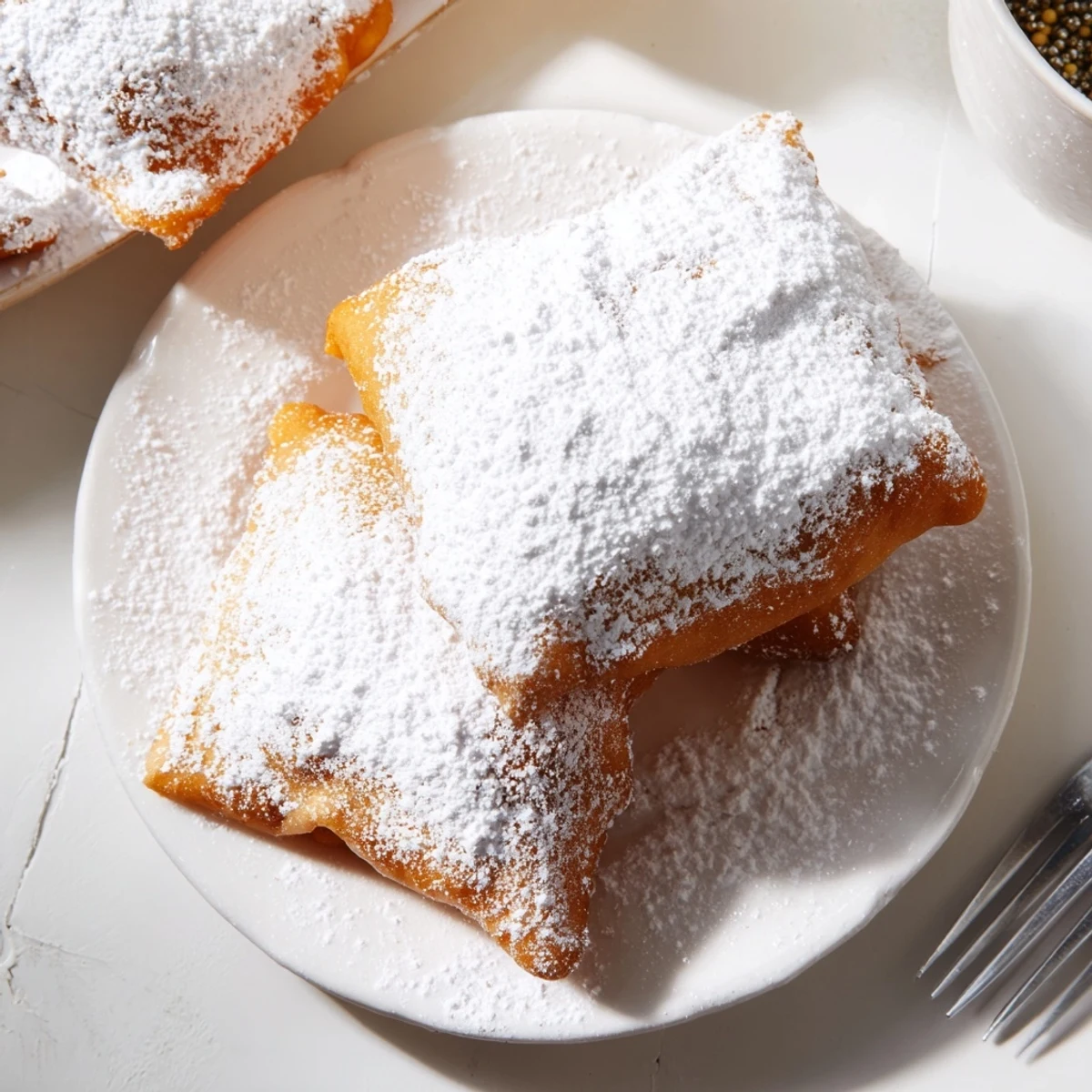
- Drain on paper towels, then coat generously with powdered sugar while still warm.
 Save
Save My daughter helped me make these last Sunday morning. She stood on a chair, dusting sugar with both hands, grinning like she had discovered the secret to happiness. The kitchen was warm, the smell was incredible, and suddenly breakfast became an event to remember.
Getting That Perfect Rise
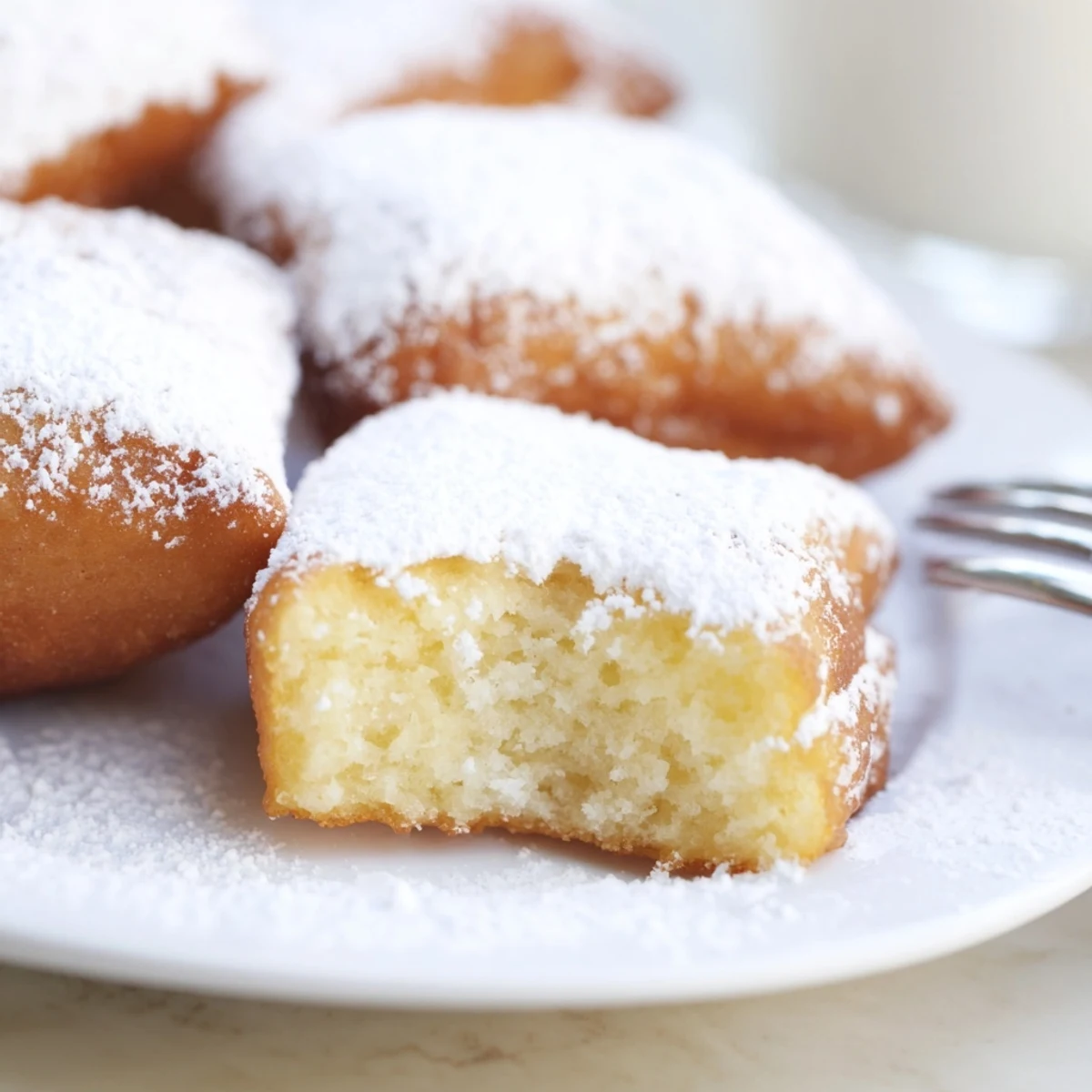
Find the warmest spot in your kitchen for that dough to rise. I have learned the hard way that a cold corner means dense beignets. Above the fridge or near a sunny window works wonders.
Frying Like A Pro
Keep your oil temperature steady with a kitchen thermometer. If it drops too low, the beignets absorb too much oil. If it runs too hot, they burn outside while staying raw inside.
Serving Suggestions
Nothing beats a beignet with a strong cup of coffee, preferably chicory if you can find it. They are also amazing with fresh berries on the side for contrast.
- Try a pinch of cinnamon in the dough for a spiced variation
- Pair with cafe au lait for the full French Quarter experience
- Make them smaller for bite sized party treats
 Save
Save Warm beignets and good company turn any ordinary morning into something worth celebrating. That first bite is always worth the wait.
Recipe FAQs
- → What is the best way to achieve fluffy beignets?
-
Ensure the dough is well-kneaded and allowed to rise until doubled in size. Frying them at the right temperature (350°F) helps create a light, airy texture.
- → Can I use a substitute for whole milk in the dough?
-
Yes, plant-based milk can be used as a dairy-free alternative without compromising the texture much.
- → How do I know when the oil is ready for frying?
-
Use a thermometer to maintain oil temperature at 350°F (175°C). This ensures even cooking and puffiness without greasiness.
- → Is it important to dust beignets with powdered sugar immediately?
-
Yes, dusting while still warm allows the sugar to lightly melt, enhancing sweetness and creating a classic finish.
- → Can the dough be prepared in advance?
-
Dough can be prepared earlier and refrigerated, but be sure to let it come to room temperature and rise fully before frying.