
 Save
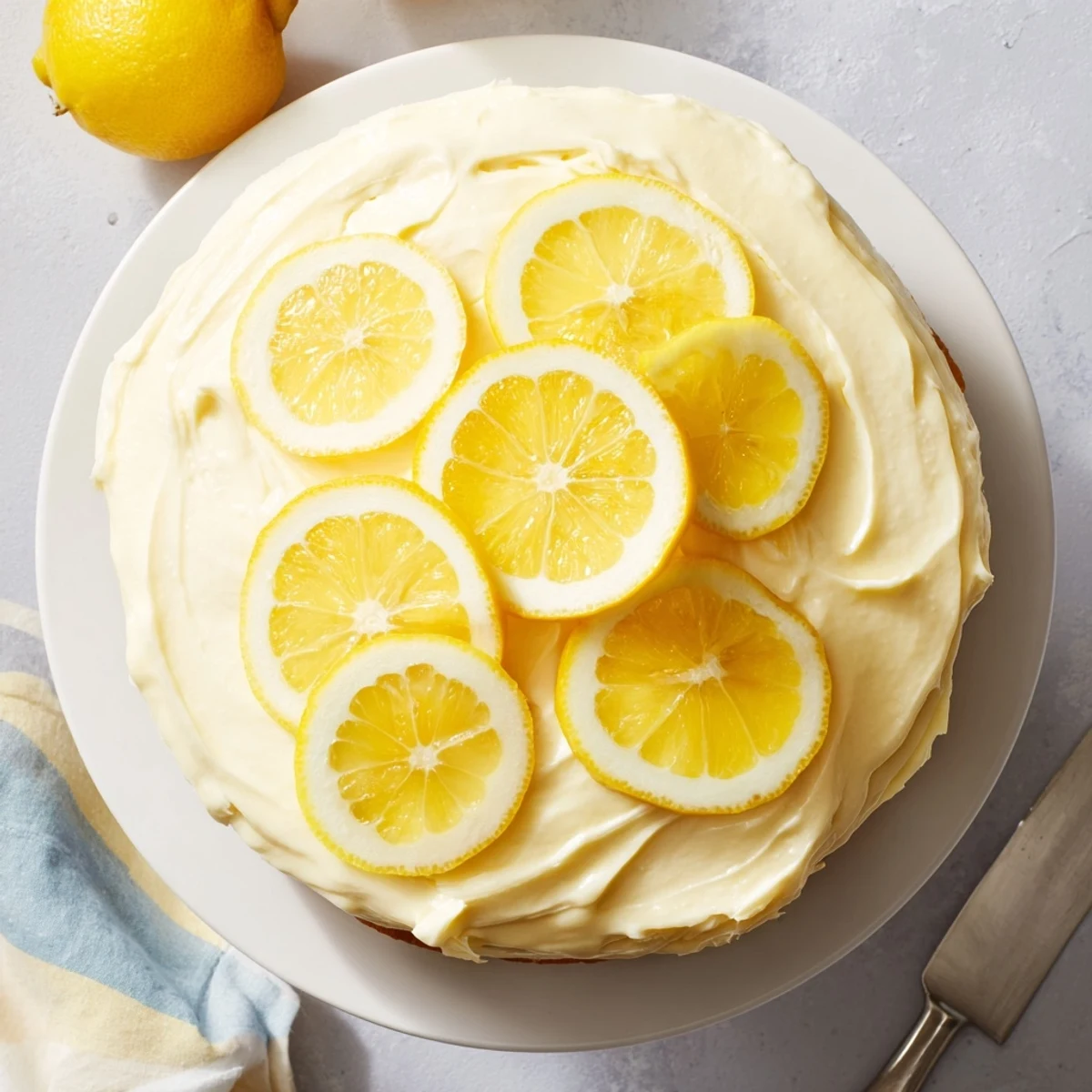
Save This vibrant lemon birthday cake features three moist layers infused with fresh citrus zest and juice. The tangy cream cheese frosting balances the sweetness perfectly, while the optional lemon syrup adds an extra burst of flavor. Ready in about one hour, this stunning dessert serves 12 people and stays fresh for days when stored properly.
The first time I made this lemon cake, I was skeptical about how much fresh lemon juice and zest could actually change a simple vanilla cake base. But when I pulled those golden layers from the oven, the whole kitchen smelled like sunshine and celebration. My roommate wandered in, drawn by the scent, and immediately asked if we were having a party. That's when I knew this wasn't just a birthday cake—it was the kind of dessert that turns regular Tuesdays into something worth celebrating.
Last summer, my sister requested this for her milestone birthday instead of her usual chocolate choice. She took one bite and declared this her new forever favorite, then proceeded to eat it for breakfast the next three mornings. Now it's become the family tradition—every celebration deserves this bright, cheerful cake at the center of the table.
Ingredients
- All-purpose flour: Provides structure for those tall, proud layers that slice so beautifully
- Baking powder and baking soda: Work together to give the cake its tender, airy rise that feels light on the tongue
- Unsalted butter: Room temperature butter is crucial here—it creates that perfect fluffy crumb structure
- Granulated sugar: Sweetens while also helping to create a tender texture and golden crust
- Large eggs: Must be room temperature too, otherwise they won't incorporate properly into the batter
- Fresh lemon zest: This is where all the bright, fragrant lemon flavor lives—do not skip this
- Fresh lemon juice: Adds tang and reacts with baking soda for extra lift
- Whole milk: Room temperature milk keeps the batter emulsified and smooth
- Cream cheese: Creates that luxurious, tangy frosting that people will talk about afterward
Instructions
- Getting your oven and pans ready:
- Preheat oven to 350°F and grease two 9-inch round pans with butter, then line bottoms with parchment paper for easy release later
- Whisking the dry ingredients:
- In a medium bowl, whisk together flour, baking powder, baking soda, and salt until well combined
- Creaming butter and sugar:
- Beat butter and sugar with an electric mixer for about 3 to 4 minutes until pale and fluffy—this step creates the cake's tender structure
- Adding eggs and flavor:
- Add eggs one at a time, mixing completely after each, then beat in lemon zest, lemon juice, and vanilla
- Combining wet and dry:
- On low speed, alternate adding flour mixture and milk, starting and ending with flour, mixing just until no streaks remain
- Baking the layers:
- Divide batter between prepared pans, smooth tops, and bake 28 to 32 minutes until a toothpick comes out clean
- Making the frosting:
- Beat butter and cream cheese until smooth, then add powdered sugar, lemon juice, lemon zest, vanilla, and salt until fluffy
- Assembling your masterpiece:
- Place one cake layer on your serving plate, spread with frosting, top with second layer, then frost top and sides completely
- The chilling step:
- Refrigerate for 30 minutes before slicing—this small wait gives you cleaner, more professional looking slices
 Save
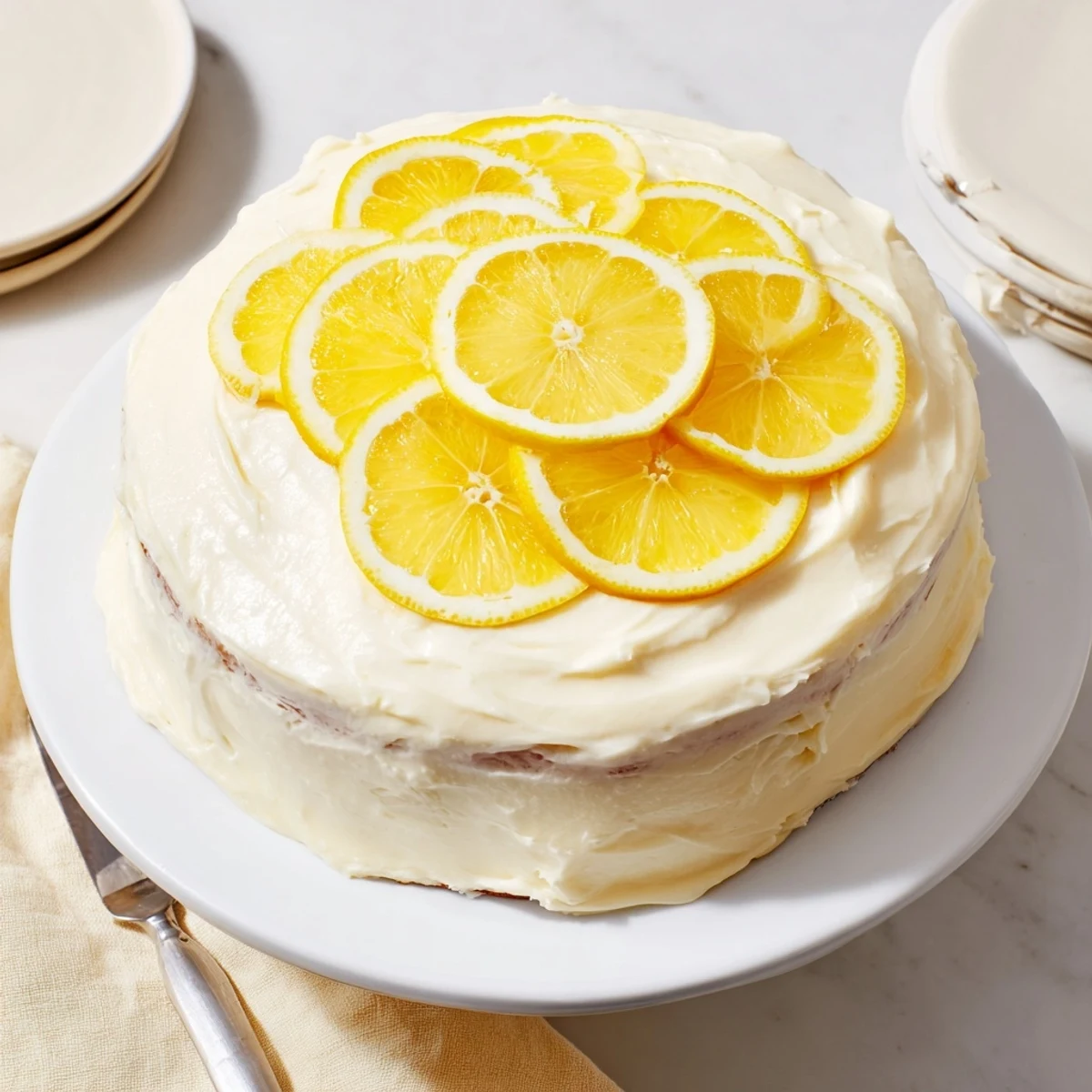
Save My daughter now asks for this cake every year, and we've developed a little ritual where she helps arrange the lemon slices on top just before serving. There's something about watching someone you love take that first bite, their eyes lighting up at the bright citrus burst, that makes all the measuring and mixing worth it.
Making It Ahead
You can bake the cake layers up to two days in advance, wrap them tightly in plastic, and store at room temperature. The frosting also keeps well in the refrigerator for three days, just let it soften for 30 minutes before spreading. For the best results, frost the cake the day you plan to serve it.
Getting The Perfect Crumb
The most common mistake with this cake is overmixing the flour mixture, which creates a tough, dense texture. Stop mixing as soon as the last streaks of flour disappear—even if it looks slightly lumpy, it will bake up beautifully. Room temperature ingredients are not just a suggestion, they are essential for proper aeration.
Serving And Storage
This lemon cake tastes best at room temperature when the flavors are most vibrant and the texture is perfectly soft. Remove it from the refrigerator about an hour before serving to let it warm up. Leftovers will keep in an airtight container in the fridge for up to four days.
- Brush warm cake layers with a simple lemon syrup made from equal parts lemon juice and sugar for extra moisture
- Add a drop of natural yellow food coloring to the frosting for a sunny, festive look
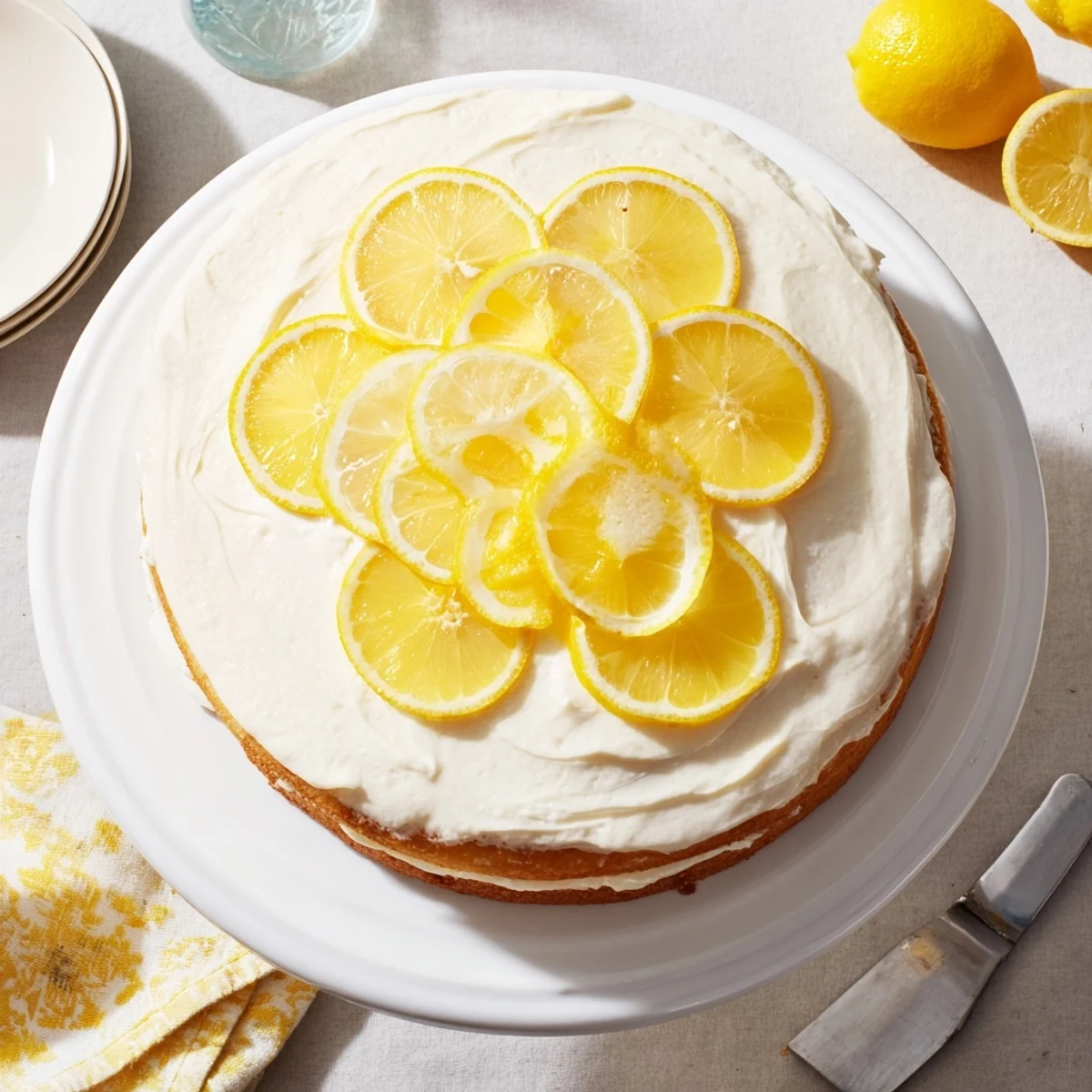
- Garnish with fresh lemon slices, edible flowers, or colorful sprinkles to match any celebration theme
 Save
Save Every time I make this cake, I am reminded that the best recipes are the ones that bring people together around the table, forks in hand, ready to celebrate something.
Recipe FAQs
- → Can I make this lemon cake ahead of time?
-
Yes, bake the cake layers up to two days in advance. Wrap them tightly in plastic wrap and store at room temperature. Make the frosting separately and assemble within 24 hours of serving for the best texture and freshness.
- → How do I get the most lemon flavor?
-
Use fresh lemon zest and juice rather than bottled alternatives. Brush the cooled cake layers with a simple lemon syrup before frosting. The zest contains essential oils that provide the most intense citrus aroma and taste.
- → Can I freeze this lemon birthday cake?
-
Freeze unfrosted cake layers wrapped in plastic and foil for up to three months. Thaw overnight at room temperature before frosting. Fully frosted cake can be frozen for one month, though the texture may be slightly less perfect.
- → Why did my cake layers sink in the middle?
-
Sinking usually indicates underbaking or opening the oven too early. Ensure your oven temperature is accurate with an oven thermometer. The cake is done when a toothpick comes out clean and the layers spring back when gently touched.
- → Can I substitute the cream cheese frosting?
-
A Swiss meringue buttercream works beautifully for a lighter, less tangy option. For those avoiding dairy, try a coconut cream frosting or vegan butter alternative. Just ensure any substitute can hold up between cake layers without sliding.