
 Save
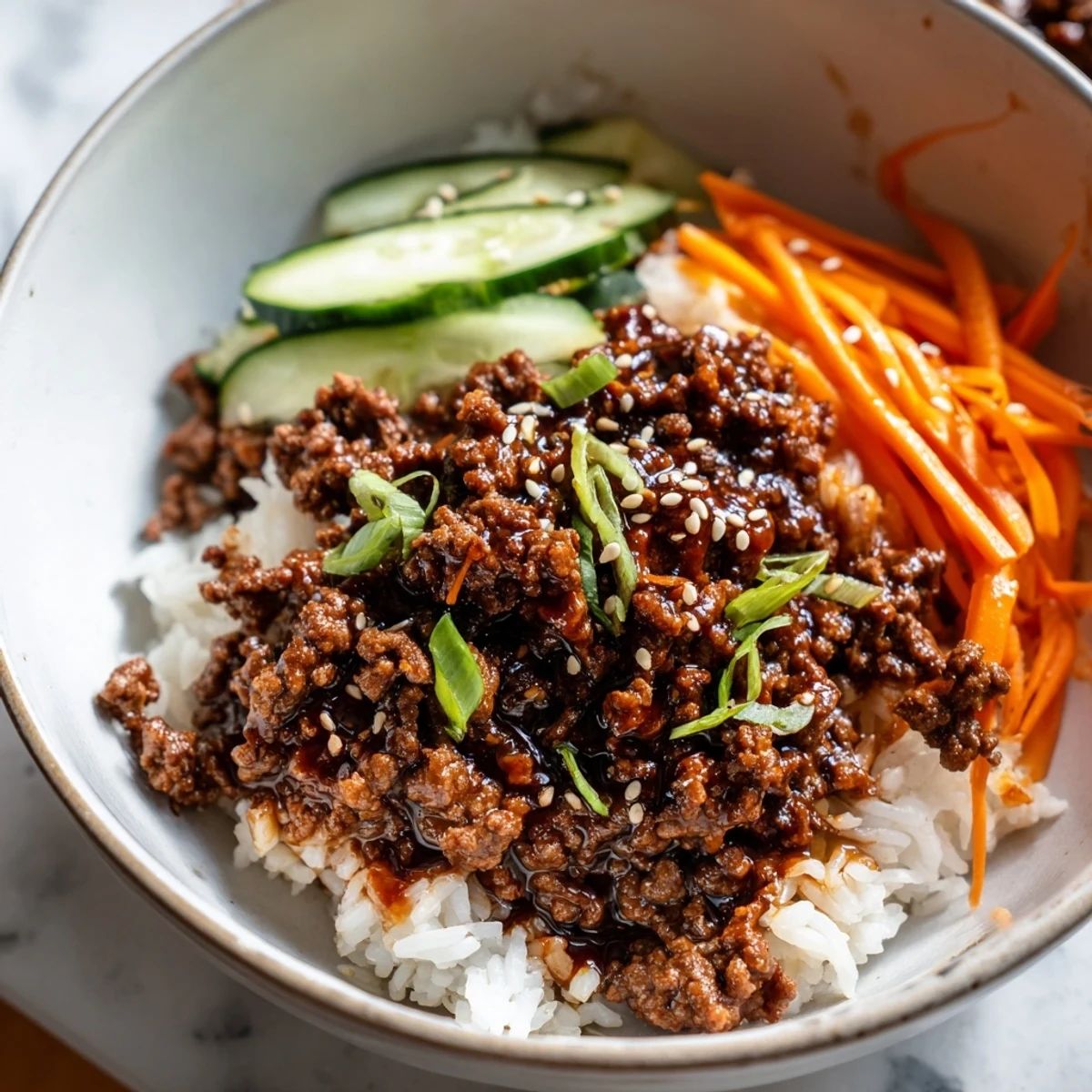
Save This Korean-inspired bowl combines seasoned ground beef with aromatic garlic, ginger, and gochujang for a perfect balance of sweet and spicy flavors. The beef cooks quickly in a skillet while jasmine rice steams, making this an ideal weeknight meal.
Fresh julienned carrots and cucumber add crunch, while scallions and toasted sesame seeds bring nutty depth. The sauce thickens beautifully as it coats the meat, creating a glaze that clings to every grain of rice.
Customize with kimchi for extra tang, adjust the heat level, or swap ground beef for turkey or tofu. Serve with green tea or chilled Riesling to complement the bold Korean flavors.
The first time I made these Korean beef bowls, my apartment smelled so incredible that my neighbor actually knocked on my door to ask what I was cooking. I had to laugh as I explained it was just ground beef with some pantry staples, but the aroma of sesame oil, garlic, and ginger transforms this humble ingredient into something extraordinary. Now it is my go-to when I want dinner to feel special without spending hours in the kitchen.
Last Tuesday, I came home exhausted and honestly considered ordering takeout, but I had ground beef in the fridge and decided to give this recipe a shot instead. Twenty minutes later, I was sitting at my table with a steaming bowl, feeling proud and satisfied in a way delivery food never quite manages. My roommate wandered in, took one bite, and immediately asked me to teach him how to make it.
Ingredients
- 500 g lean ground beef: The foundation of the dish, brown it well for those crispy edges that add texture to every bite
- 60 ml low-sodium soy sauce: Essential for that deep savory base, and starting low-sodium lets you control the salt level
- 2 tbsp light brown sugar: Balances the salty elements and creates that gorgeous caramelized glaze on the beef
- 1 tbsp sesame oil: This is the secret ingredient that makes your kitchen smell amazing and adds authentic Korean flavor
- 4 garlic cloves, minced: Fresh garlic is non-negotiable here, it blooms beautifully in the hot beef
- 1 tbsp freshly grated ginger: Use a microplane if you have one, the fresh zing cannot be replicated by ground ginger
- 1 tbsp gochujang: Korean chili paste adds depth and heat, but red pepper flakes work in a pinch
- 2 tsp rice vinegar: A splash of acidity cuts through the richness and brightens the whole bowl
- 300 g jasmine rice: Short-grain rice is traditional, but jasmine cooks up beautifully and works perfectly
- 2 medium carrots, julienned: Fresh crunch that contrasts beautifully with the warm savory beef
- 1 small cucumber, thinly sliced: Cool and refreshing, it balances the spicy beef like magic
- 4 scallions, thinly sliced: Both the white and green parts add pops of mild onion flavor
- 2 tbsp toasted sesame seeds: Sprinkle these at the end for nutty texture and beautiful presentation
Instructions
- Get your rice going first:
- Rinse the rice under cold water until it runs clear, then combine with 480 ml water in a saucepan. Bring it to a boil, reduce to a gentle simmer, cover, and let it cook for 12 to 15 minutes until perfectly tender. Fluff it with a fork when done and keep it covered until you are ready to assemble.
- Whisk together the magic sauce:
- In a small bowl, combine the soy sauce, brown sugar, sesame oil, garlic, ginger, gochujang, and rice vinegar. Whisk until the sugar has completely dissolved and the mixture is smooth and glossy. Set it aside and let the flavors meld while you start the beef.
- Brown the beef with intention:
- Heat a large skillet over medium-high heat and add the ground beef. Cook it for about 5 minutes, breaking it up with your spatula and letting it develop some crispy browned bits. Drain any excess fat if there seems like too much, but leave a little in the pan for flavor.
- Let the sauce work its magic:
- Pour the sauce over the browned beef and stir everything together. Cook for another 2 to 3 minutes, watching as the sauce bubbles and thickens slightly, coating every crumble of beef in that glossy, flavorful glaze. The beef should look incredible and smell even better.
- Build your perfect bowl:
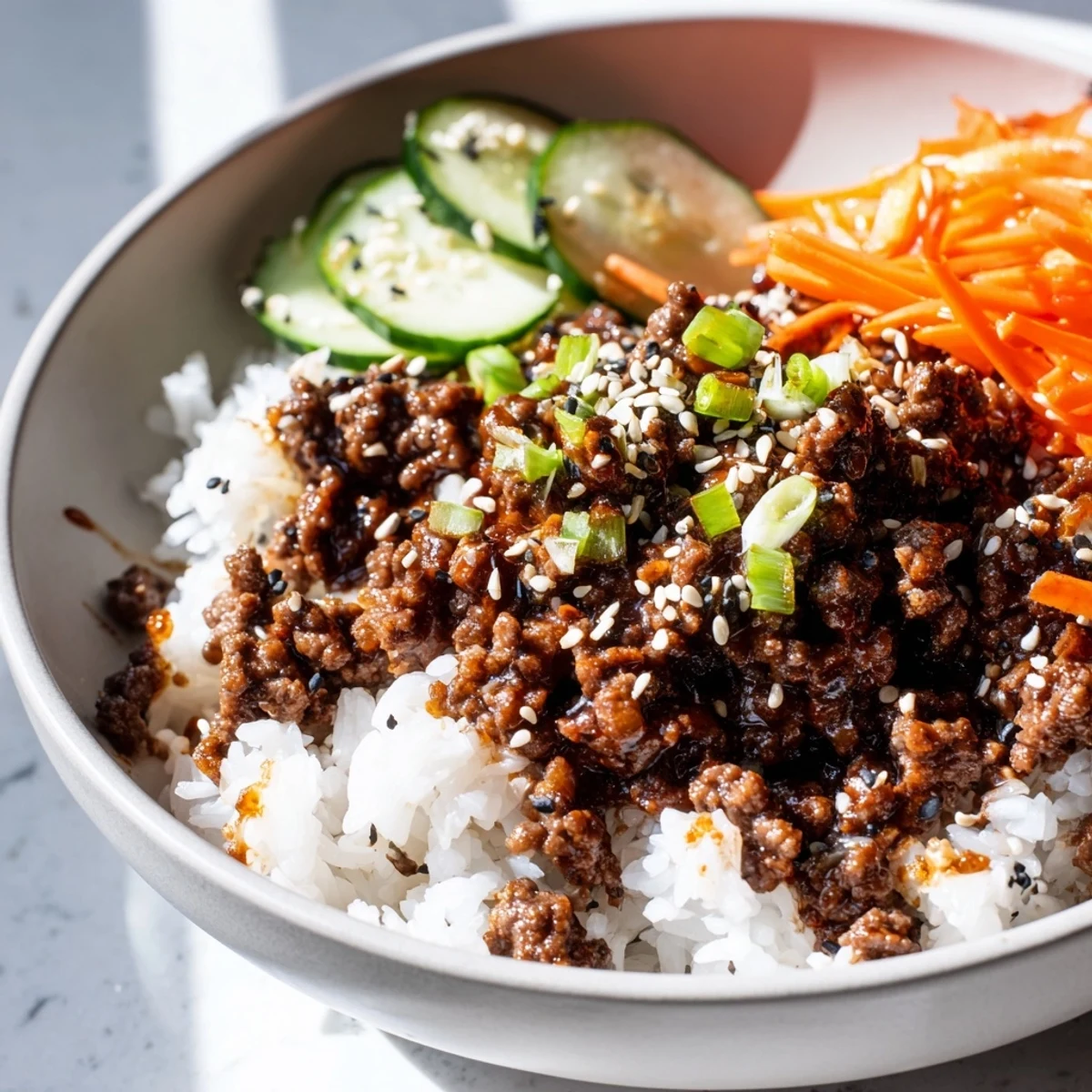
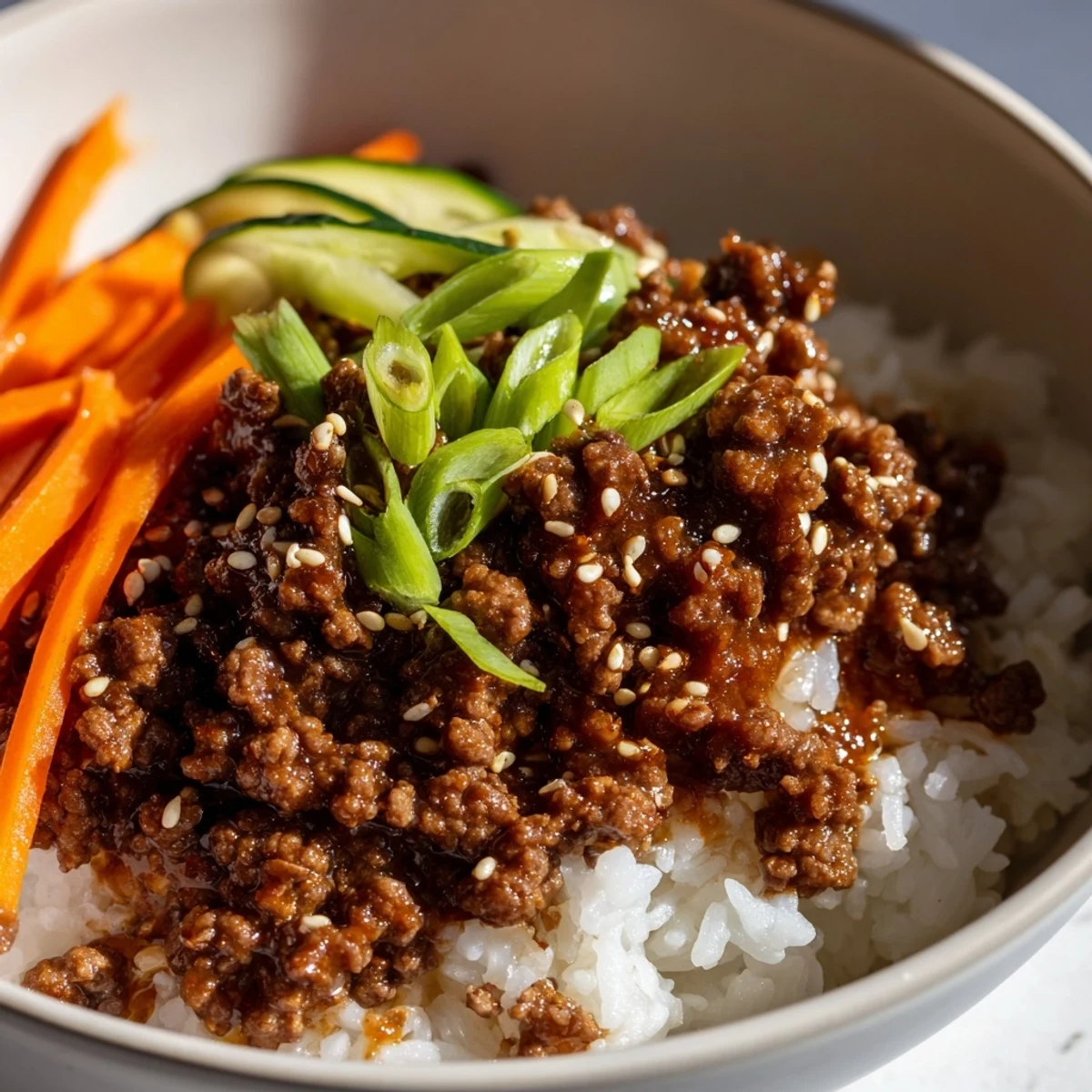
- Divide the steaming rice among four bowls and spoon the saucy beef generously over the top. Arrange the carrots, cucumber, and scallions in sections around the beef, then finish with a generous sprinkle of toasted sesame seeds and any optional toppings you love.
 Save
Save My sister visited last month and claimed she does not like Korean food, but after one bite of this bowl she asked for the recipe before she even finished eating. Something about the combination of hot, savory beef with cool, crisp vegetables just works on a primal level.
Making It Your Own
I have served these bowls at dinner parties where half the guests wanted it mild and the other half wanted to sweat. Keep the gochujang on the side and let everyone adjust their own spice level. The beauty of this dish is how customizable it is while still feeling cohesive and complete.
Rice Secrets
After years of making rice that turned out either mushy or crunchy, I finally learned that rinsing until the water runs clear is the step everyone skips but no one should. Also, letting the rice rest covered for 5 minutes after cooking makes each grain separate and perfect.
Perfect Pairings
A simple cucumber salad dressed with rice vinegar mirrors the fresh elements already in the bowl. If you want something warm, a quick pot of miso soup on the side makes this feel like a complete restaurant-quality meal at home.
- Prep all your toppings before you start cooking so you can assemble while the beef is hot
- Double the sauce recipe and keep the extra in the fridge for quick weeknight meals
- Fried eggs on top turn this from dinner into an incredible breakfast bowl
 Save
Save These Korean beef bowls have become one of those recipes I can make without even thinking, the kind that feels like coming home every single time.
Recipe FAQs
- → What makes Korean beef bowls authentic?
-
Traditional Korean flavors come from gochujang (fermented chili paste), sesame oil, fresh ginger, garlic, and soy sauce. This combination creates the signature sweet-spicy-umami profile found in Korean cuisine.
- → Can I make this dish ahead of time?
-
The seasoned beef stores well for 3-4 days in the refrigerator. Reheat gently in a skillet, adding a splash of water if the sauce has thickened too much. Cook fresh rice when serving for the best texture.
- → What can I substitute for gochujang?
-
Use red pepper flakes for heat mixed with a touch of miso paste, or try sriracha with a small amount of brown sugar to mimic the fermented sweetness of gochujang.
- → Is this dish gluten-free?
-
Replace soy sauce with tamari and verify your gochujang is gluten-free. Most Korean brands contain wheat, so look specifically for certified gluten-free versions.
- → What rice works best for Korean bowls?
-
Short-grain white rice or jasmine rice provide the ideal texture—slightly sticky to hold the sauce, with individual grains that don't become mushy under the savory beef mixture.
- → How do I prevent the beef from becoming dry?
-
Cook ground beef just until browned, then immediately add the sauce. The liquid prevents overcooking while coating the meat. Avoid draining all the fat unless it's excessive, as it adds moisture and flavor.