
 Save
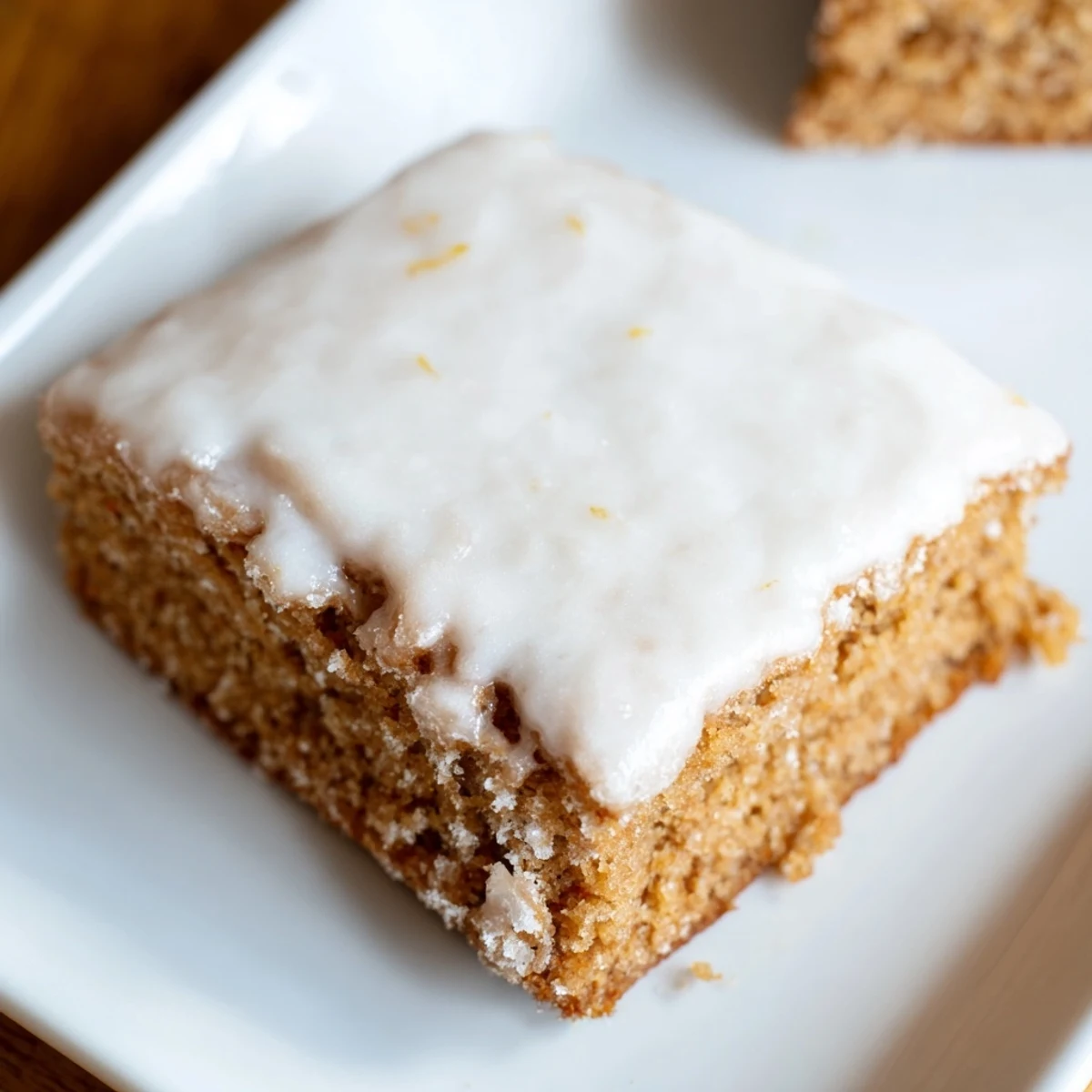
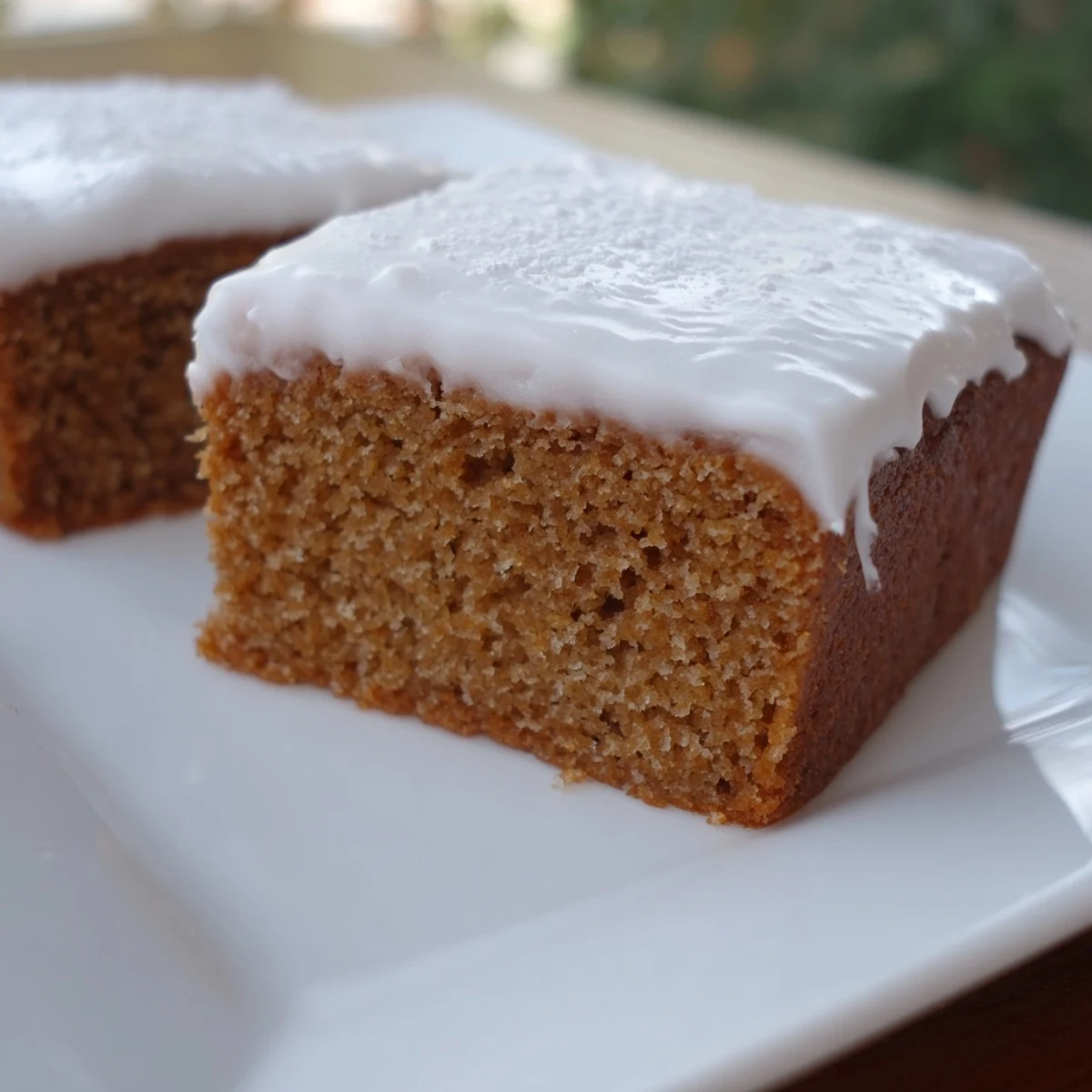
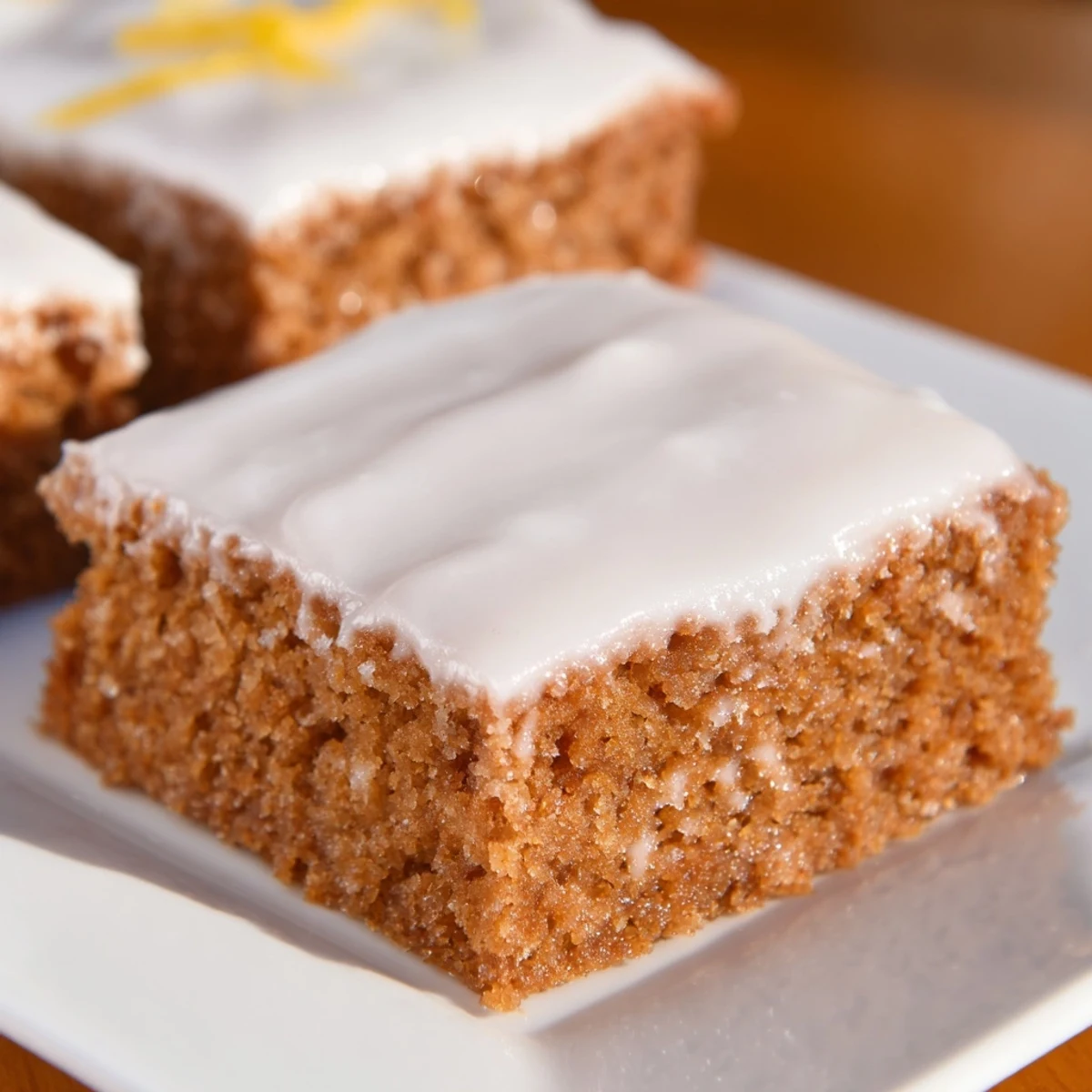
Save This spiced gingerbread features a tender crumb enriched with ginger, cinnamon, cloves, and nutmeg. The batter combines molasses, brown sugar, and softened butter for a rich flavor, baked until perfectly soft. A smooth, sweet icing made of powdered sugar, milk, and vanilla finishes the dessert with a crisp touch. Ideal for festive gatherings or relaxed afternoons, this baked treat cuts into neat squares and pairs beautifully with tea or mulled wine.
There's something about the smell of molasses and ginger filling the kitchen on a grey afternoon that makes everything feel slower, warmer. I stumbled upon this gingerbread recipe years ago when I was baking my way through a stack of old cookbooks, searching for something that felt both simple and special. The first batch came out tender and slightly spiced, nothing too aggressive, and I frosted it while steam still rose from the pan—a mistake I'd make again because that warm icing melted into every crevice, pooling at the edges. It's been a quiet favorite ever since, the kind of thing I make without thinking, knowing it will turn out right.
I made this for my neighbor last winter when she mentioned missing her grandmother's kitchen, and watching her face when she took that first bite reminded me why baking matters. She told me it tasted exactly like a memory, which is maybe the highest compliment you can give a dessert. Now I keep the molasses and spices stocked year-round, just in case I need to remind someone of something warm.
Ingredients
- All-purpose flour (2 1/4 cups): This is your foundation—make sure it's not packed down when you measure, or you'll end up with something dense.
- Ground ginger (1 1/2 tsp): The backbone of the whole thing; don't skip it or substitute, this spice is what makes it gingerbread and not just cake.
- Ground cinnamon (1 tsp), cloves (1/4 tsp), and nutmeg (1/4 tsp): Together they create that warm, complex spice note that lingers on your tongue.
- Baking soda (1 tsp): Essential for lift and that slight tender crumb you want here.
- Salt (1/4 tsp): A tiny amount that makes the spices sing without tasting salty.
- Unsalted butter and brown sugar (1/2 cup each): Cream these together properly and you're already halfway to success.
- Molasses (2/3 cup): This is non-negotiable—use unsulfured if you can find it, the flavor is deeper and less harsh.
- Egg (1 large) and milk (2/3 cup): These keep everything moist and tender through the bake.
- Powdered sugar (1 cup), milk (1–2 tbsp), and vanilla (1/2 tsp): For the icing—sift the sugar first or you'll have lumps, trust me.
Instructions
- Set the stage:
- Preheat your oven to 350°F (175°C) and grease an 8-inch square pan, then line it with parchment—this step saves you from scraping later. Let your butter come to room temperature while you're reading this.
- Build your spice blend:
- Whisk together the flour, ginger, cinnamon, cloves, nutmeg, baking soda, and salt in one bowl. This mixing distributes the spices evenly so every bite tastes the same.
- Cream the base:
- Beat the butter and brown sugar together until they're pale and fluffy, about 2–3 minutes. This process traps tiny air bubbles that make the gingerbread tender instead of heavy.
- Bring it together:
- Beat in the molasses and egg until everything is well combined—the mixture will look almost glossy. Then alternate adding the dry ingredients and milk in three additions, starting and ending with flour, stirring just until combined each time.
- Bake:
- Pour the batter into your prepared pan, smooth the top, and bake for 22–25 minutes until a toothpick comes out clean. The kitchen will smell incredible; that's not a sign it's done, the toothpick is.
- Cool properly:
- Let it cool completely in the pan on a wire rack before you even think about icing it. This takes about an hour, but rushing here means your icing will melt into rivers.
- Make the icing:
- Whisk the powdered sugar, 1 tablespoon milk, and vanilla until smooth, then add another tablespoon of milk if needed—you want something that spreads easily but stays put. Spread it over the cooled gingerbread and let it set for 15 minutes before cutting into squares.
 Save
Save The moment this became more than just a recipe was when my teenage nephew asked for seconds and then thirds, barely pausing between bites to talk. It was just gingerbread and icing, but it meant something in that moment—comfort food that doesn't feel like it's trying too hard. That's when I realized this recipe works because it's honest.
The Secret to Perfect Texture
The key to keeping this gingerbread tender is the alternating method with the milk—it prevents overmixing, which would activate the gluten and make everything tough. I learned this the hard way by making it the lazy way once, dumping everything in at once, and ending up with something closer to a hockey puck. Now I do it properly, and the difference is noticeable from the first bite.
Flavor Additions That Actually Work
The base recipe is perfect as-is, but I've learned a few tweaks that enhance rather than overshadow it. A pinch of finely chopped crystallized ginger adds bursts of concentrated spice, and a small amount of orange zest mixed into the icing brings a citrus brightness that makes you taste the molasses differently. Even a tiny splash of bourbon in the icing changes the whole mood of the dessert.
Serving and Storage Wisdom
This gingerbread actually improves after a day or two as the flavors meld, so don't hesitate to make it ahead. It stays fresh in an airtight container for about five days, and it pairs beautifully with tea, coffee, or a small glass of mulled wine if you're feeling festive. A simple dollop of whipped cream or a small scoop of vanilla ice cream on a slightly warm piece transforms it into something almost elegant.
- Store it covered at room temperature, never the fridge—cold makes the icing crack.
- If you want it warm, give a square about 10 seconds in the microwave, just enough to take the chill off.
- Make this in batches during the season and freeze the uniced gingerbread for up to three months.
 Save
Save This is the kind of recipe that reminds you why simple things matter. Make it, share it, and watch it become someone else's quiet favorite too.
Recipe FAQs
- → How can I make the icing thicker or thinner?
-
Adjust the amount of milk in the icing. Add more milk for a thinner, pourable consistency or less for thicker, spreadable icing.
- → Can I add extra flavor to the icing?
-
Yes, adding orange zest or a hint of lemon can brighten the icing with a citrus note.
- → What spices are used in the gingerbread base?
-
The blend includes ground ginger, cinnamon, cloves, and nutmeg, creating a warm, aromatic flavor profile.
- → How do I know when the gingerbread is fully baked?
-
Insert a toothpick into the center; it should come out clean or with a few moist crumbs attached.
- → Is it possible to add texture to the gingerbread?
-
Finely chopped crystallized ginger can be mixed into the batter for an extra zing and chewy texture.