
 Save
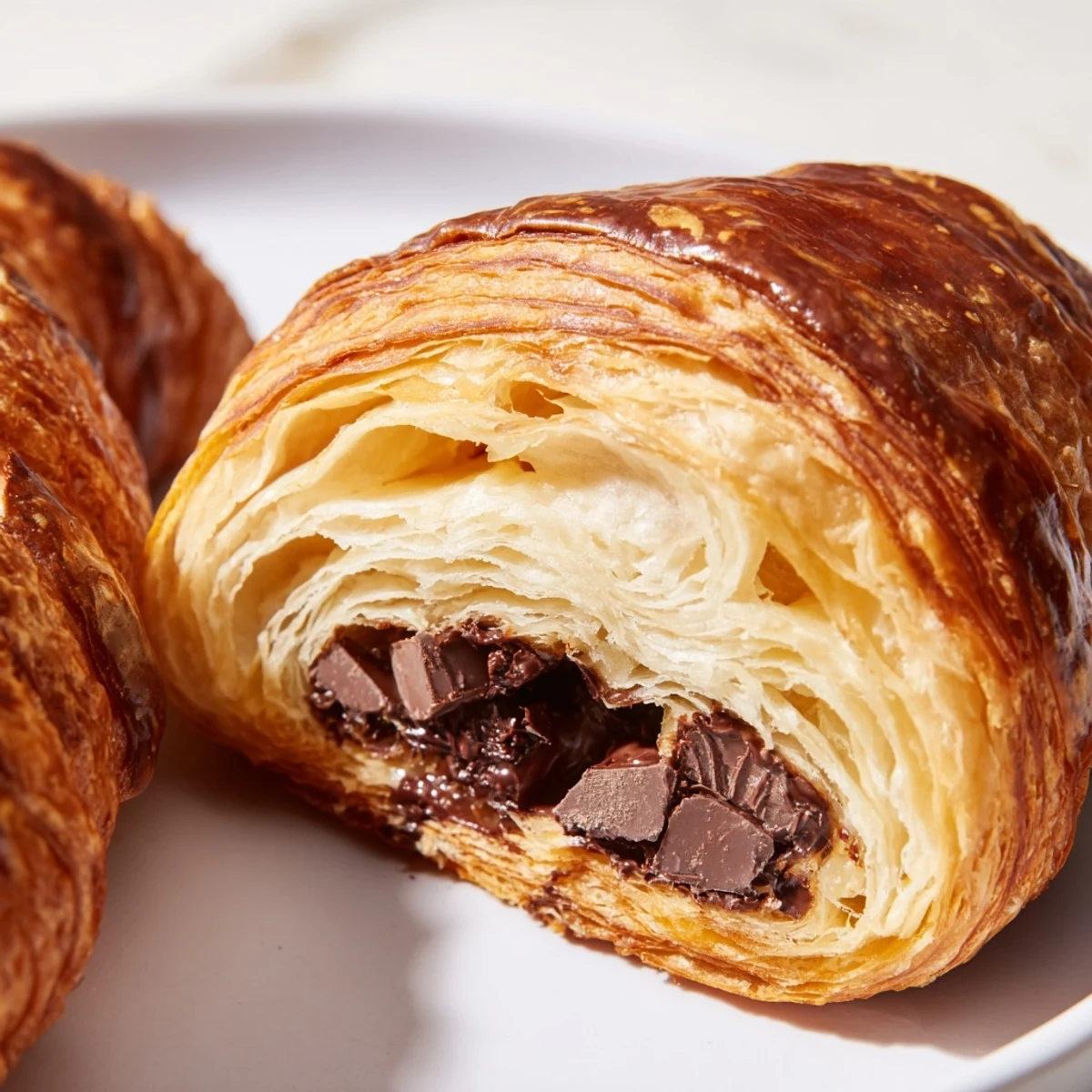
Save Experience the art of layered pastry by preparing flaky, butter-laden croissants enveloping rich chocolate. The process involves creating a smooth dough, incorporating chilled butter through gentle rolling and folding to achieve delicate flakiness. After shaping with chocolate batons, allow the dough to proof, resulting in tender, airy croissants. Baking at high heat yields a golden, crisp exterior while melting the bittersweet center for a perfect balance. Ideal as a breakfast indulgence or a delightful treat any time.
My tiny apartment kitchen became an unintended bakery that February. The radiator hissed against the window while I wrestled with what seemed like an impossible amount of butter. Every surface was dusted with flour, including my pajama pants, and honestly, I almost gave up three times. But when that first batch emerged from the oven, golden and impossibly flaky, I understood why people dedicate their lives to pastry.
I made these for my mothers birthday one year, forgetting that chocolate croissants require patience I did not possess at 11pm the night before. The dough kept shrinking back every time I rolled it out, and I may have whispered some things not suitable for a family recipe. But when she took that first bite and her eyes went wide, all the buttery mess on my counter suddenly felt like a worthy offering.
Ingredients
- 2 1/4 cups (280 g) all-purpose flour: Bread flour gives more structure but regular works perfectly fine
- 2 tbsp (25 g) granulated sugar: Just enough to help browning without making these sweet
- 1 tsp (5 g) salt: Do not reduce this, it balances all that butter
- 2 1/4 tsp (7 g) active dry yeast: Make sure it is not expired or your dough will not rise properly
- 3/4 cup (180 ml) whole milk, lukewarm: Warm like a babys bath, not hot or you will kill the yeast
- 2 tbsp (28 g) unsalted butter, softened: This goes into the dough itself
- 1 cup (225 g) unsalted butter, cold: European style has less water and makes flakier layers
- 4 oz (115 g) good-quality bittersweet or semisweet chocolate: Chop it yourself or buy batons if you want to feel fancy
- 1 large egg + 1 tbsp (15 ml) milk: For that gorgeous shiny finish
Instructions
- Wake up the yeast:
- Dissolve yeast in lukewarm milk and let it sit for 5 minutes until it looks foamy on top
- Make the dough:
- Mix flour, sugar, salt, softened butter, and the yeast mixture until rough, then knead for 5 to 7 minutes until smooth and elastic
- First chill:
- Shape dough into a rectangle, wrap tightly in plastic, and refrigerate for 1 hour to relax the gluten
- Prepare the butter block:
- Pound cold butter between parchment until it is a 6 x 8-inch rectangle, chilling whenever it gets too soft
- Enclose the butter:
- Roll dough into 10 x 14 inches, place butter on one half, fold over like a book, and pinch edges to seal
- First fold:
- Roll into 10 x 20 inches, fold into thirds like a letter, wrap, and chill for 30 minutes
- Second and third folds:
- Repeat the rolling and folding two more times, turning the dough 90 degrees each time and chilling 30 minutes between folds
- Shape the croissants:
- Roll dough into 10 x 20 inches, cut into 8 rectangles, place chocolate at one end, and roll tightly into logs
- Proof them:
- Place seam side down on parchment, cover loosely, and let rise for 2 hours until puffy and jiggly
- Bake:
- Brush with egg wash and bake at 400°F (200°C) for 18 to 20 minutes until deep golden brown
 Save
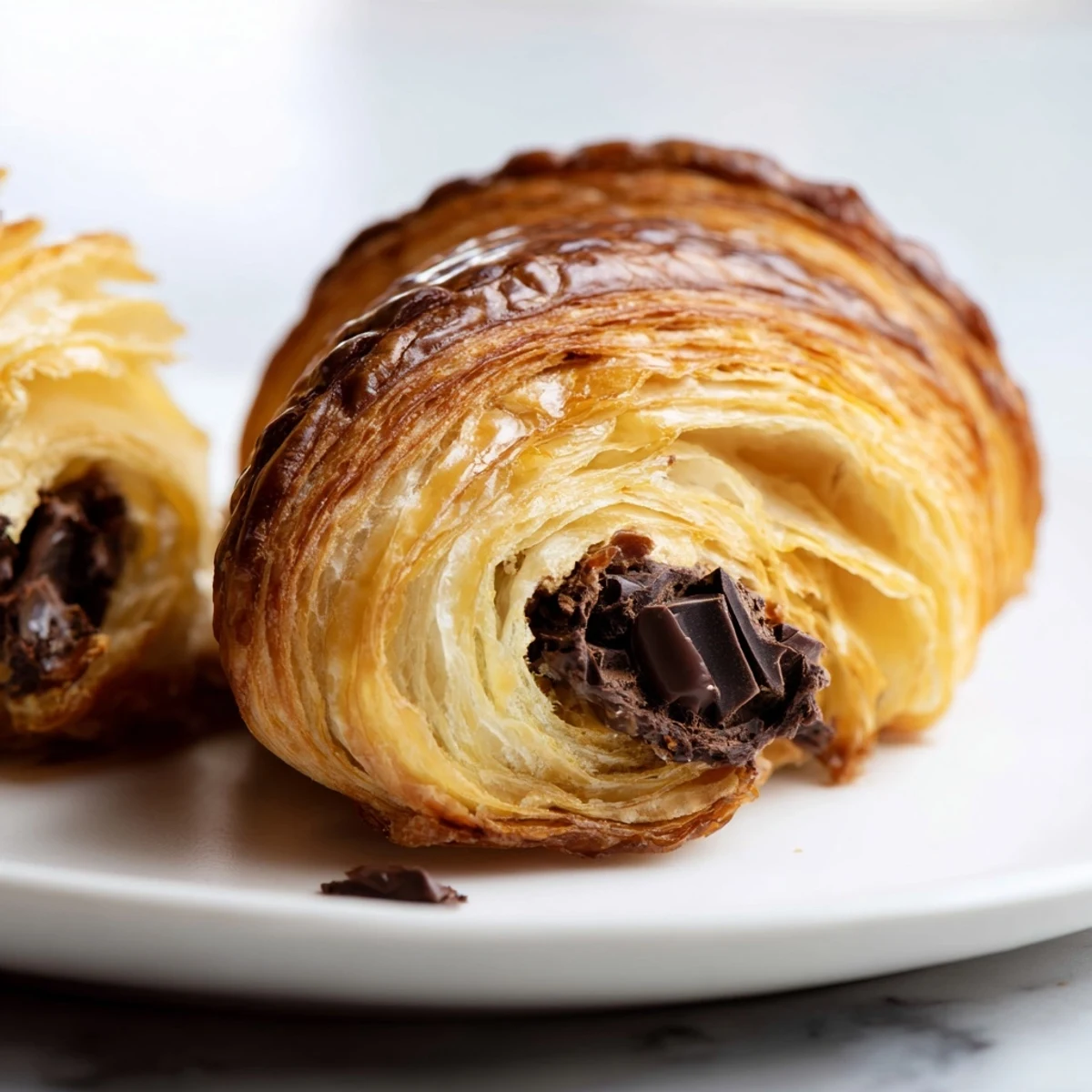
Save These became my Saturday morning ritual for months. I would wake up early, pull the proofed croissants from the refrigerator, and let them come to room temperature while the oven heated. Something incredibly meditative about brushing that gentle egg wash over each sleeping bundle of chocolate and dough.
Choosing Your Chocolate
I have used everything from Ghirardelli chips to Valrhona bars, and honestly, people are just happy there is warm chocolate involved. Baking chocolate chunks create those gorgeous puddles, while chocolate batons give you that perfect chocolate line in every bite. Chop whatever you buy into pieces about the size of your thumb.
Working Temperature
The dough should feel cool and slightly firm when you touch it, like cold butter just out of the fridge. If it starts feeling soft or tacky, it is warming up too much. I keep a marble board in the freezer now for the rolling process, which changed everything. A cool kitchen around 68°F (20°C) is ideal, so consider making these in cooler months or early morning.
Make Ahead Strategy
The beauty of this dough is that it waits patiently in the refrigerator or freezer. You can stop after any fold and continue the next day, or freeze the shaped, unbaked croissants on a baking sheet before transferring to a bag.
- Thaw frozen croissants overnight in the refrigerator before proofing
- Proof straight from cold, they just might take an extra 30 minutes
- Bake straight from the proof, do not refrigerate again after they have puffed up
 Save
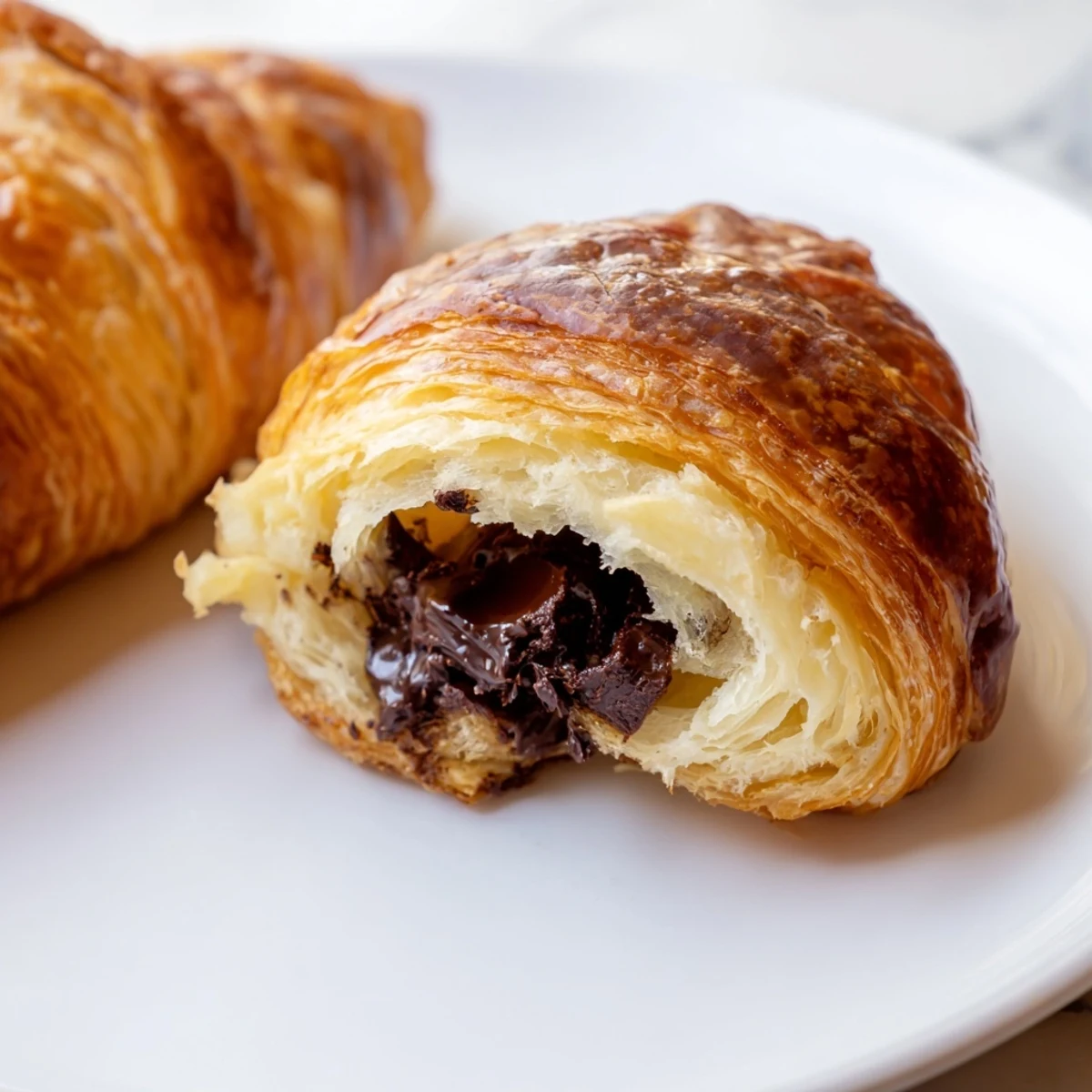
Save There is nothing quite like pulling these from the oven, steam curling off each golden crescent, chocolate oozing just slightly at the edges. Some mornings deserve this kind of magic.
Recipe FAQs
- → How do I achieve flaky layers in croissants?
-
Flakiness comes from repeatedly rolling and folding dough with cold butter layers, creating thin buttery sheets that puff during baking.
- → What type of chocolate works best?
-
Bittersweet or semisweet chocolates provide rich flavor and melt smoothly for a delicious filling.
- → Why is chilling important during preparation?
-
Chilling keeps butter firm, preventing it from blending into the dough and helping form distinct flaky layers.
- → Can I freeze croissants before baking?
-
Yes, shaped and unbaked croissants can be frozen up to one month. Thaw overnight and proof before baking.
- → What is the ideal baking temperature for croissants?
-
Baking at 400°F (200°C) ensures golden, crisp exteriors while fully cooking the interior layers.
- → How long should the dough proof before baking?
-
Proofing for about 2 hours at room temperature allows the dough to rise and develop airy texture.