
 Save
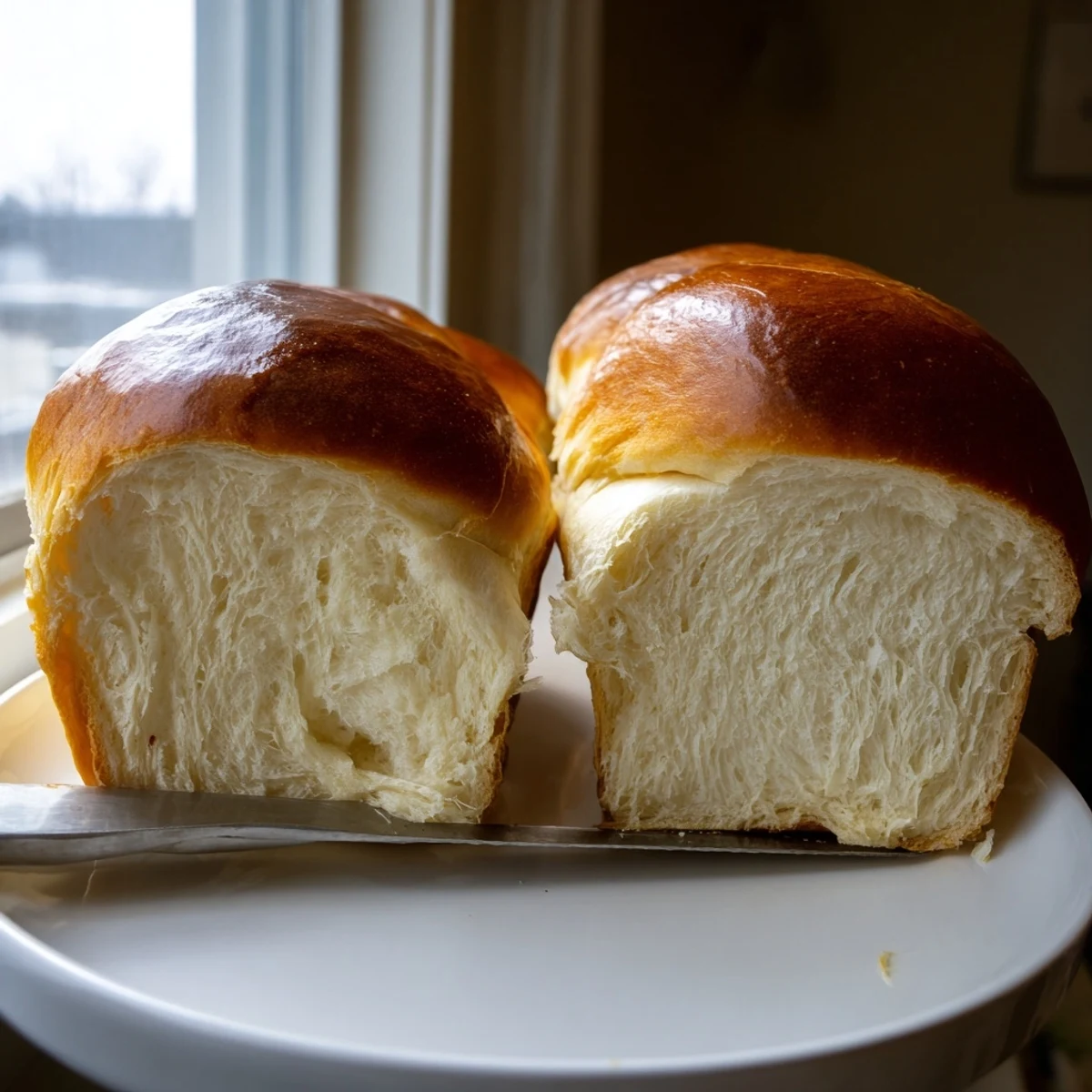
Save Create two beautiful golden loaves of soft, pillowy white bread with just 20 minutes of active preparation. The dough rises beautifully to create light, airy slices perfect for morning toast, lunch sandwiches, or dinner breadbasket service.
This American classic yields slightly sweet, tender loaves with a golden crust that softens beautifully when brushed with butter. The versatile dough comes together in one bowl and requires just simple kneading to develop that perfect elastic texture.
Store baked loaves in an airtight container for up to four days, or freeze for longer enjoyment. These slices transform into exceptional French toast and bread pudding when slightly stale.
The smell of yeast blooming in warm water instantly transports me back to my grandmother's kitchen on rainy Sunday mornings. She would let me stand on a chair to peer into the bowl, watching those tiny bubbles work their magic. This Amish white bread captures that same cozy simplicity—soft, pillowy, and comforting in a way that feels like home.
Last winter, my neighbor came over for tea when I had a batch rising on the counter. She kept asking what I was baking that smelled so incredible, and I ended up sending her home with a warm, buttered slice wrapped in a kitchen towel. The next day she texted me saying her family had devoured it.
Ingredients
- Warm water: The temperature should feel comfortably warm on your wrist—not too hot or it will kill the yeast
- Granulated sugar: Feeds the yeast and creates that subtle sweetness that makes this bread so addictive
- Active dry yeast: Make sure it's fresh and foamy before proceeding or your bread won't rise properly
- Salt: Essential for flavor balance and strengthens the gluten structure
- Vegetable oil or melted butter: Keeps the bread tender and contributes to that soft texture
- All-purpose flour: Start with 5 1/2 cups and only add more if needed—humidity affects how much flour the dough will absorb
Instructions
- Awaken the yeast:
- Dissolve sugar in warm water, sprinkle yeast on top, and wait until you see a layer of foam forming—this takes about 5 to 10 minutes and tells you the yeast is alive and ready to work.
- Build the dough base:
- Stir in salt and oil, then gradually add flour one cup at a time, mixing after each addition until the dough begins to pull away from the sides of the bowl.
- Knead until smooth:
- Turn the dough onto a lightly floured surface and knead for 6 to 8 minutes, pushing with the heel of your hand and folding it back over itself until it feels silky and springs back when poked.
- First rise:
- Place dough in a greased bowl, cover with a clean towel, and let it double in size in a warm spot—about an hour in a cozy corner of your kitchen.
- Shape the loaves:
- Punch down the risen dough gently, divide it in half, and shape each piece into a rectangle before tucking the edges underneath to form smooth loaves that fit into your greased pans.
- Second rise:
- Cover the pans and let the dough rise again until it crowns about an inch above the rim, usually 30 to 45 minutes depending on how warm your kitchen is.
- Bake to golden perfection:
- Slide the pans into a preheated oven and bake for 25 to 30 minutes until the tops are beautifully browned and the loaves sound hollow when you tap them.
- Finish with butter:
- Brush the hot loaves with melted butter immediately after baking for an incredibly soft, flavorful crust, then let them cool completely before slicing.
 Save
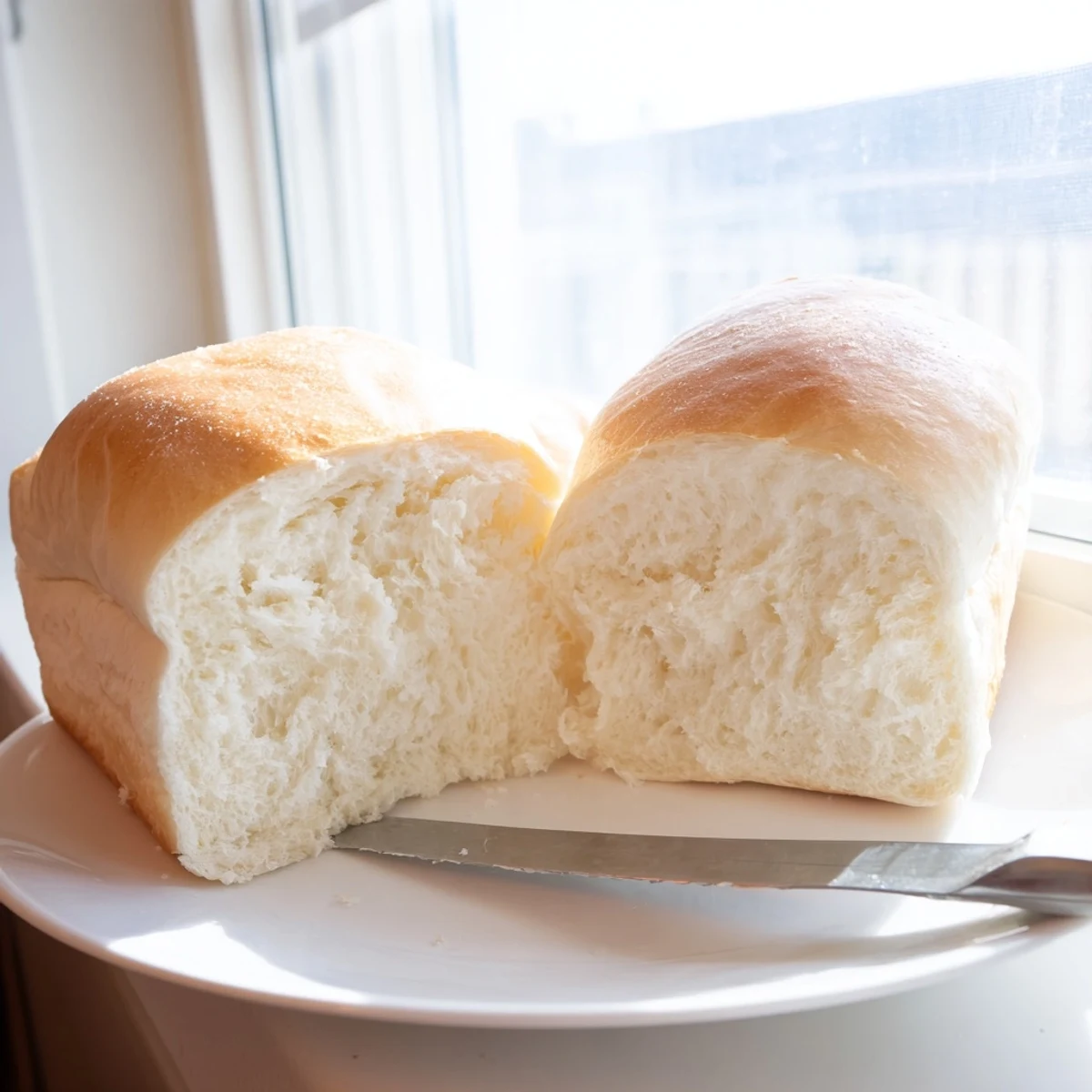
Save My daughter now asks to help knead the dough every time I make this bread. Her hands are so small compared to mine, but she takes her job so seriously, punching down the risen dough with genuine enthusiasm.
Making It Your Own
I've started replacing half the water with warm milk sometimes, and the difference in richness is remarkable. The bread stays fresher longer and develops a subtle creaminess that pairs beautifully with homemade jam.
Perfect Rising Conditions
If your kitchen runs cold, I've found that turning the oven light on and placing the bowl inside (with the oven off) creates the ideal warm environment. The gentle heat from the bulb is exactly what yeast loves for a happy rise.
Storage And Leftover Magic
This bread makes the absolute best French toast you'll ever taste—I let slices sit overnight in the fridge with a mixture of eggs, milk, and vanilla. The texture soaks up the custard perfectly without falling apart.
- Wrap cooled loaves tightly and freeze for up to three months
- Revive slightly stale slices by sprinkling with water and warming in a 350°F oven for 5 minutes
- Cubed and dried-out bread works wonderfully for homemade croutons or bread pudding
 Save
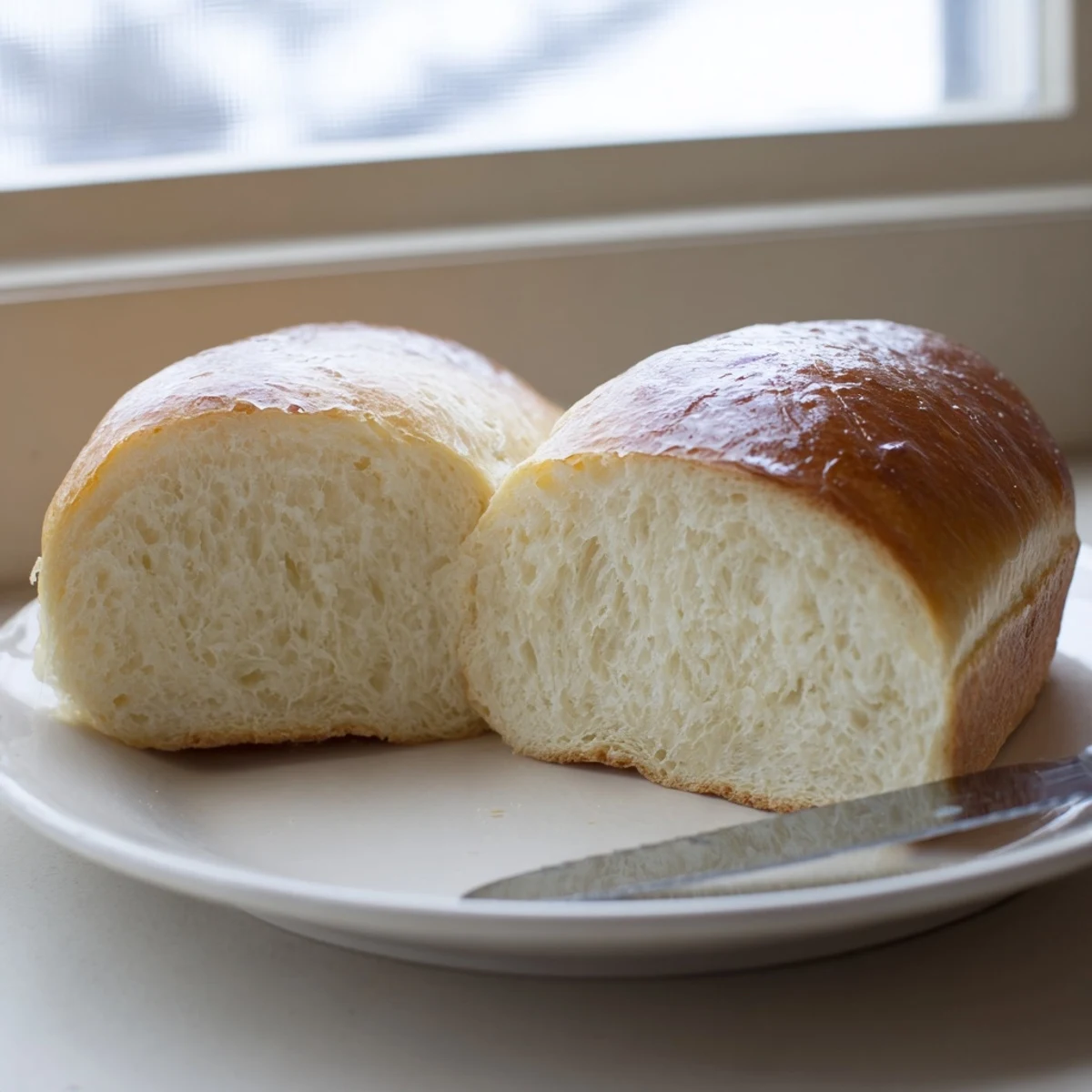
Save There's something profoundly satisfying about pulling a freshly baked loaf from the oven, hearing that crackle as the crust cools. This recipe has become our family's weekend ritual, and I hope it brings as much warmth to your kitchen as it has to ours.
Recipe FAQs
- → Why is my Amish bread dense instead of fluffy?
-
Dense bread usually results from insufficient kneading or not letting the dough rise properly. Ensure you knead for 6-8 minutes until the dough feels smooth and elastic, and let it double in size during both rising periods. Using too much flour can also create a heavier texture.
- → Can I make this bread without a stand mixer?
-
Absolutely. This dough comes together easily by hand. Mix with a wooden spoon until it becomes too thick to stir, then turn onto a floured surface and knead by hand. The process may take slightly longer, but results in equally wonderful loaves.
- → How do I know when the bread is fully baked?
-
Look for a deep golden-brown crust. The most reliable test is tapping the bottom of the loaf—it should sound hollow. If you have an instant thermometer, the internal temperature should reach 190-200°F when fully baked.
- → Why add sugar to white bread dough?
-
Sugar serves multiple purposes: it provides slight sweetness, feeds the yeast for better rising, promotes browning of the crust, and helps retain moisture in the finished loaf, keeping it softer for longer.
- → Can I use whole wheat flour instead of all-purpose?
-
You can substitute up to half the all-purpose flour with whole wheat, though the loaf will be denser and have a heartier flavor. For best results, use white whole wheat flour or increase the water slightly, as whole wheat absorbs more liquid.
- → How should I store this bread to keep it fresh?
-
Once completely cooled, store loaves in an airtight plastic bag or container at room temperature for up to 4 days. Avoid refrigerating, as this accelerates staling. For longer storage, wrap well and freeze for up to 3 months.