
 Save
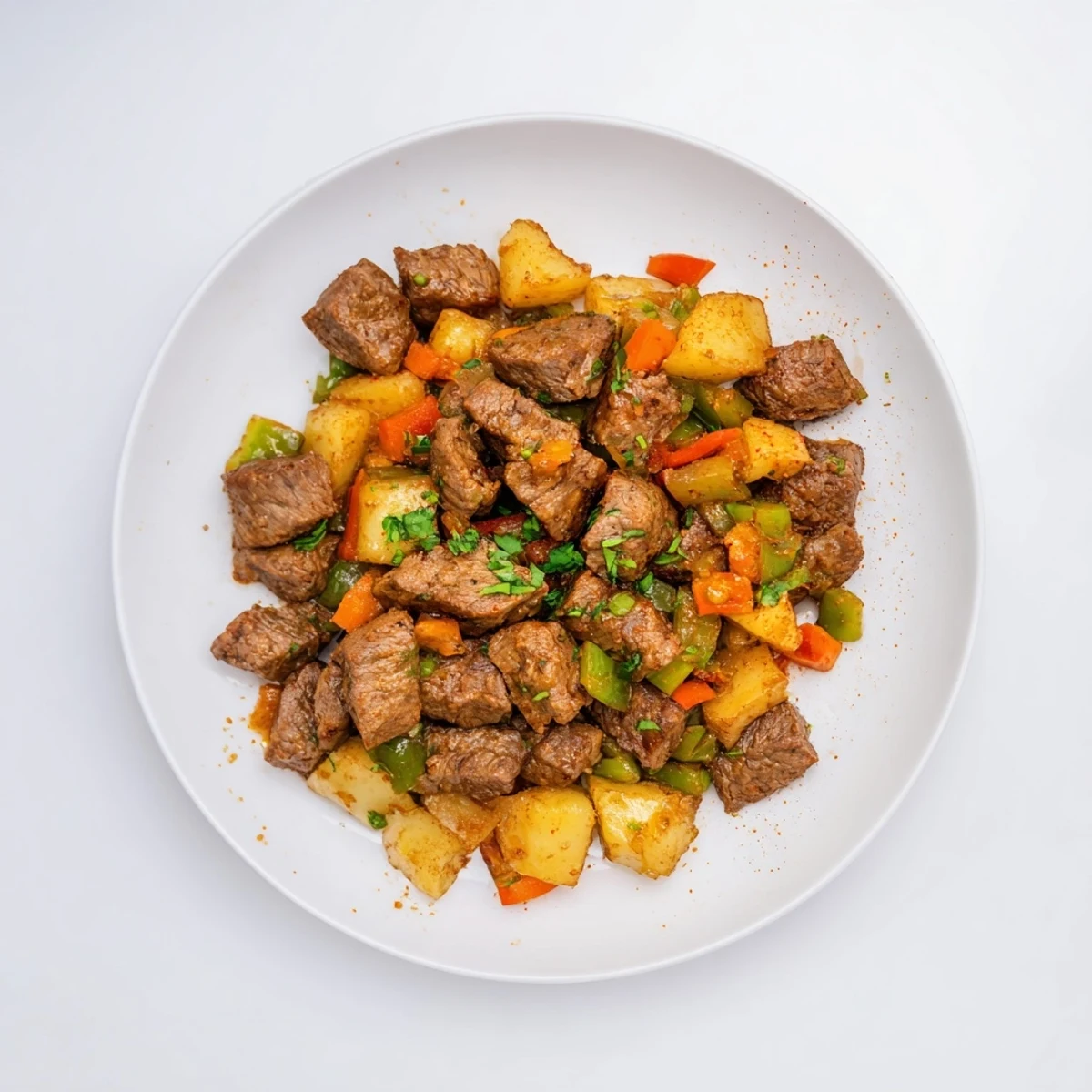
Save This dish brings together tender beef cubes and diced potatoes, sautéed with onion, bell pepper, carrot, and garlic. Seasoned with smoked paprika, thyme, and black pepper, then simmered gently in beef broth to meld flavors. Garnished with fresh parsley, this meal offers a perfect balance of hearty and aromatic tastes perfect for a satisfying plate.
There's something about the sound of beef hitting hot oil that just signals comfort food is coming. I discovered hash beef on a cold Tuesday night when I had half a carton of potatoes and some cubed sirloin that needed rescuing from the back of the fridge. One pan, thirty-five minutes, and suddenly I had this deeply satisfying meal that tasted like someone who actually knew what they were doing had made it. That's when I realized this dish wasn't just about using up what you had—it was about creating something that made the whole kitchen smell like home.
I made this for my roommate Jake one evening when he came home looking completely defeated by a long day at work. Fifteen minutes later, we were both hovering over the skillet watching the vegetables soften and the kitchen fill with this warm, peppery aroma. He took one bite and just exhaled, the kind of sigh that means food just did its job. That's when I knew this recipe was worth keeping close.
Ingredients
- Beef sirloin or chuck, 450 g (1 lb), cubed: Chuck gives you more flavor through its fat content, but sirloin cooks faster—pick whichever matches your patience level that day.
- Potatoes, 2 medium, peeled and diced: Keep the pieces fairly uniform so they finish cooking at the same time; waxy potatoes hold their shape better than floury ones.
- Onion, 1 large, diced: This is your flavor foundation—don't skip it, and don't rush the sautéing.
- Green bell pepper, 1, diced: A bit of sweetness and color; red or yellow peppers work just as well.
- Carrot, 1, peeled and diced: Another layer of natural sweetness that balances the savory notes.
- Garlic, 2 cloves, minced: Fresh garlic makes all the difference; jarred is fine in a pinch but won't give you that same aromatic lift.
- Vegetable oil, 2 tbsp: Use something neutral with a high smoke point—avocado oil or light olive oil both work beautifully.
- Salt, 1 tsp: Add it gradually; you can always add more, but you can't take it out.
- Black pepper, ½ tsp: Freshly ground if you have a grinder—it tastes completely different.
- Smoked paprika, 1 tsp: This is the ingredient that makes people ask what that incredible flavor is; don't substitute regular paprika.
- Dried thyme, ½ tsp: Thyme has this subtle earthy warmth that ties everything together.
- Beef broth, 120 ml (½ cup): Use the good stuff if you can—homemade or quality store-bought makes a noticeable difference.
- Fresh parsley, 2 tbsp, chopped (optional): A bright finish that cuts through the richness.
Instructions
- Get the beef golden:
- Pour half the oil into your skillet and let it heat until it shimmers slightly, then add the beef. Don't crowd the pan—let each piece sit long enough to develop a brown crust, about 4–5 minutes, then set it aside on a plate.
- Build the flavor base:
- Add the remaining oil to the same pan (all those browned bits stuck to the bottom are liquid gold), then toss in your onion, bell pepper, carrot, and garlic. Let them soften together, stirring every minute or so, until the kitchen smells incredible.
- Add the potatoes:
- Stir in your diced potatoes and give them another 5 minutes to start releasing their starch and begin breaking down slightly. You're not cooking them all the way through yet—just waking them up.
- Bring it together:
- Return the beef to the skillet, then sprinkle in your salt, black pepper, smoked paprika, and thyme. Toss everything until the spices coat every piece and the paprika gives everything a warm reddish hue.
- Add the broth and simmer:
- Pour in the beef broth, give it a good stir, and let the whole thing come to a gentle bubble. You want it simmering, not boiling hard—gentle is the key to tender beef and vegetables.
- Let time do the work:
- Cover the skillet, reduce the heat to low, and let it all cook together for 15–20 minutes, stirring occasionally. The potatoes will turn tender, the beef will become impossibly soft, and the flavors will meld into something deeper and more complex than their individual parts.
- Taste and finish:
- By the time you uncover the pan, most of the liquid should have been absorbed or evaporated, creating this savory, slightly thick sauce. Taste a potato—when it's fork-tender, you're done. Finish with a shower of fresh parsley if you have it.
 Save
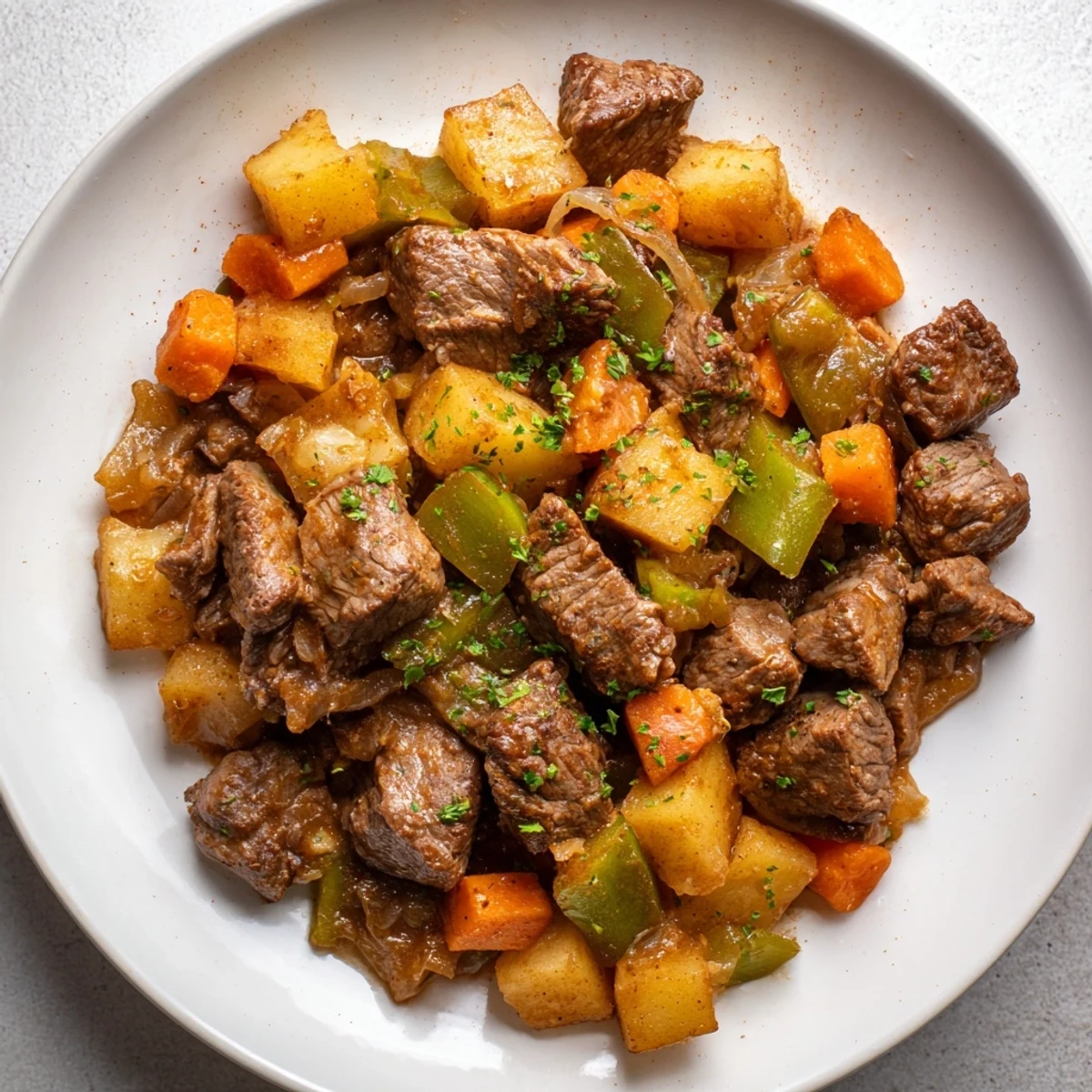
Save This became the dish I reached for when someone needed feeding but I didn't have much energy to spare. It taught me that comfort doesn't require complexity, and sometimes the best meals are the ones where you let the ingredients speak for themselves. There's real power in a skillet that does all the heavy lifting.
When to Make This
This is a weeknight hero dish—quick enough that you can have it on the table in under an hour, but special enough that it never feels like a shortcut. I've made it on rainy afternoons, busy Tuesday nights, and lazy Sunday dinners when I wanted something warm without the fuss. It's also the kind of meal that sits beautifully in the fridge and reheats even better the next day, tasting deeper and more developed.
Ingredient Swaps and Variations
The beauty of this recipe is that it bends to what you have. Sweet potatoes bring a subtle sweetness that plays wonderfully against the smoked paprika. A handful of peas stirred in during the last few minutes of cooking adds brightness without effort. Some evenings I've added a splash of Worcestershire sauce right with the broth, which darkens the sauce slightly and deepens the savory notes.
How to Serve It
On its own, hash beef is completely satisfying, but it transforms into something special with the right sides. Crusty bread is the classic pairing—something sturdy enough to soak up the sauce without falling apart. I've also slipped a fried egg on top for breakfast the next day, which turns leftovers into something almost fancy. The parsley garnish isn't just decoration; that fresh green brightness cuts through the richness and makes each bite feel lighter.
- Serve it right from the skillet while it's still steaming and the vegetables haven't lost their color.
- Let leftovers cool completely before storing them; the flavors actually deepen overnight.
- Reheat gently on the stovetop with a splash of water to bring the sauce back to its original texture.
 Save
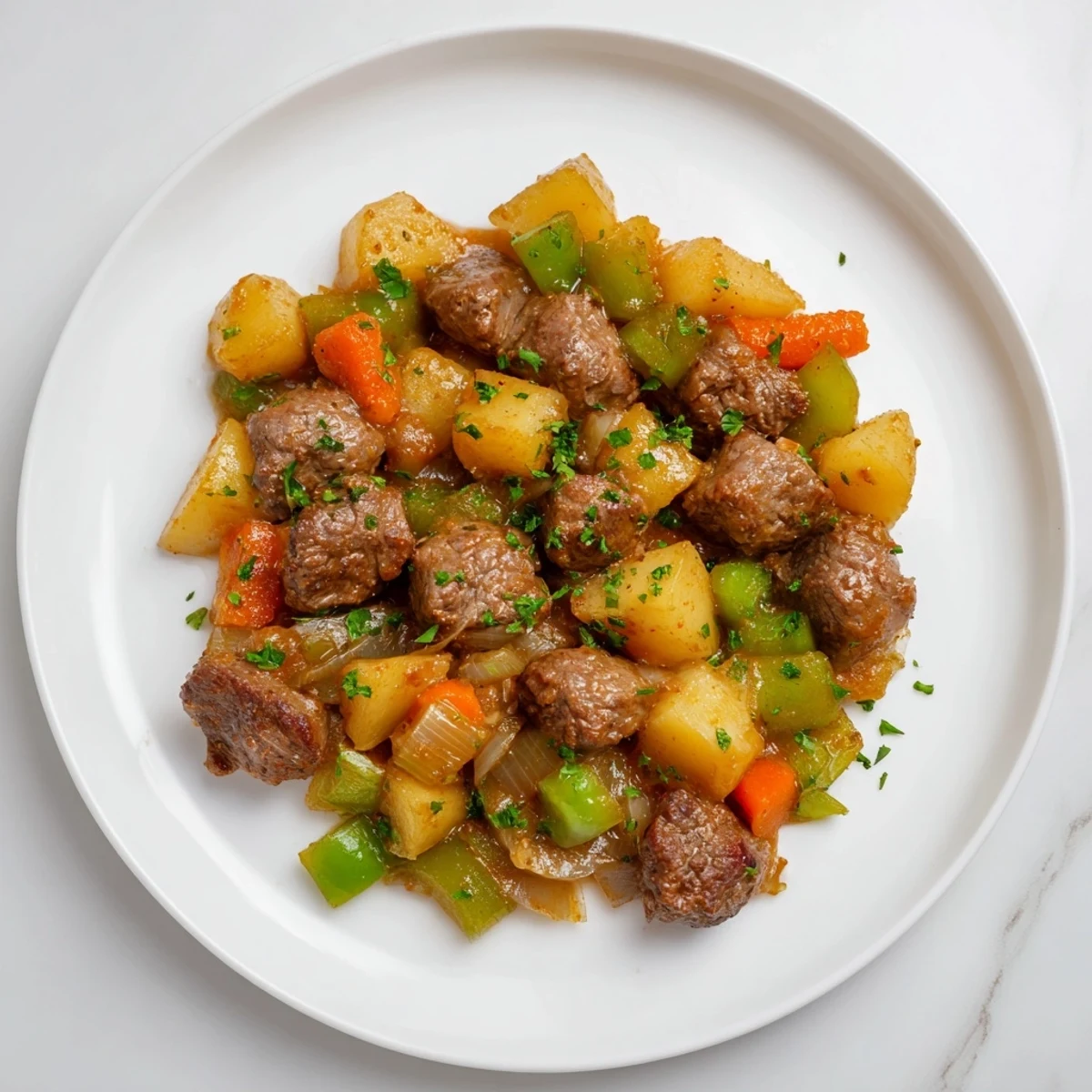
Save This recipe became part of my regular rotation because it asks very little and gives so much back. Every time I make it, I remember why simple, honest cooking with good ingredients never goes out of style.
Recipe FAQs
- → What cut of beef works best?
-
Sirloin or chuck cut into small cubes provides tenderness and flavor for even cooking.
- → Can I substitute the potatoes?
-
Sweet potatoes or adding peas towards the end can add a unique twist and extra nutrition.
- → How do I prevent the mixture from drying out?
-
Stir occasionally and add a splash of broth or water if needed during simmering for moisture.
- → What seasoning enhances the dish?
-
Smoked paprika and dried thyme complement the beef and vegetables beautifully.
- → What tools are recommended?
-
A large skillet with a lid allows even cooking, plus a sharp knife and spatula for prep and stirring.