
 Save
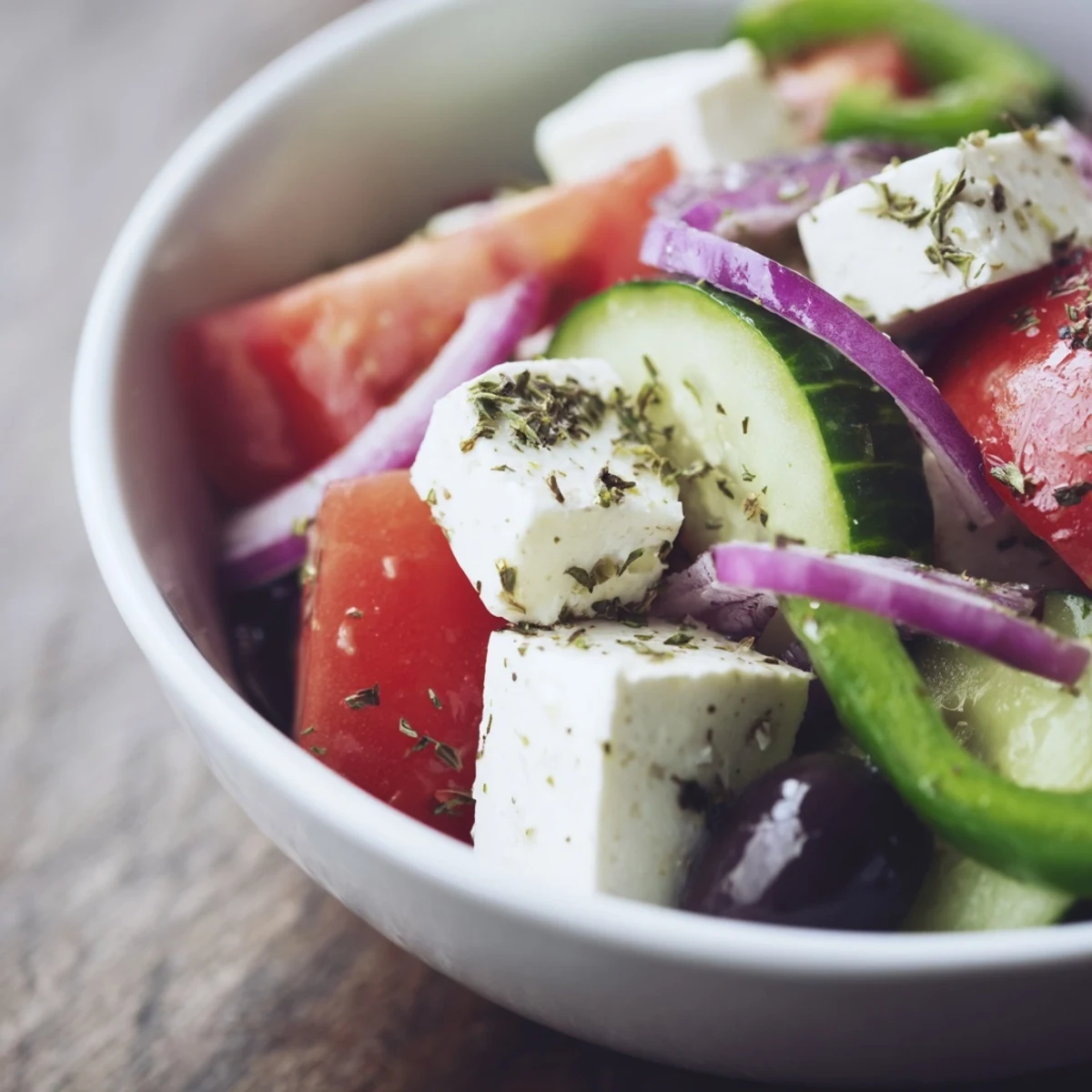
Save This Mediterranean salad blends ripe tomatoes, crisp cucumbers, and sliced red onion with briny Kalamata olives and creamy feta cheese. Tossed gently in a zesty olive oil and red wine vinegar dressing enhanced with dried oregano, salt, and pepper, it delivers a refreshing balance of flavors. Garnished optionally with fresh oregano or parsley, it offers a light, vibrant dish perfect for a quick meal or side to grilled meats and pita.
There's something about the smell of sun-warmed tomatoes that takes me straight back to my aunt's kitchen in Athens, where she'd casually throw together whatever vegetables were sitting on the counter into something that tasted impossibly fresh. I tried to recreate it at home for years, getting frustrated with soggy salads and bland dressing, until I realized the secret wasn't in some fancy technique—it was just letting good ingredients speak for themselves. This Greek salad became my answer to those summer nights when cooking felt like too much, yet somehow eating felt like a celebration.
I made this for a potluck once where everyone brought something heavy and complicated, and this simple salad somehow became the thing people kept coming back to with their forks. A friend asked for the recipe with such genuine surprise—like I'd revealed some culinary secret—when really it was just tomatoes, cucumbers, and knowing when to stop fussing and let things be.
Ingredients
- Ripe tomatoes: Look for ones that smell sweet and give slightly when you squeeze them gently—they're the backbone of this whole thing, so don't use the hard pale ones from the back of the produce section.
- Cucumber: Peeling it is worth the extra 30 seconds because the skin can be bitter, and you want every bite to feel refreshing.
- Red onion: Slicing it thin is crucial because raw onion can overpower everything if you're not careful; thin slices mellow out beautifully.
- Green bell pepper: The sweetness balances the briny olives, so don't skip it even if you think you're not a green pepper person.
- Feta cheese: Barrel-aged Greek feta tastes completely different from the crumbly supermarket version—it's worth seeking out in the specialty section.
- Kalamata olives: Buy them pitted if you can find them, because fishing out pits while eating is the opposite of relaxing.
- Extra-virgin olive oil: This is the time to use the good stuff because there are so few ingredients that every single one matters.
- Red wine vinegar: Just a tablespoon is enough to brighten everything without making it taste like a salad dressing commercial.
- Dried oregano: It blooms beautifully when whisked into the oil and vinegar, bringing that Mediterranean feel home.
Instructions
- Start with the vegetables:
- Cut everything into whatever size feels right to you—wedges, chunks, or slices—and toss it into a big bowl. There's no police coming to measure your tomato wedges, so this is where you get to trust your instincts.
- Add the salty, creamy parts:
- Scatter the feta and olives on top without stirring yet, because they're stars and deserve to announce themselves. The contrast between the cool feta and crisp vegetables is part of the appeal.
- Make the dressing sing:
- In a separate small bowl, whisk the olive oil, vinegar, and oregano together until it smells like a dream and the oregano starts releasing its flavor. A pinch of salt and pepper, and you've got liquid gold.
- Bring it all together:
- Pour that dressing over everything and toss gently, using your hands if you want or two spoons if you're being careful—just don't manhandle the feta into oblivion. The goal is every piece touching the dressing without everything turning into mush.
- Finish and serve:
- A whisper of fresh oregano or parsley on top if you have it, and then eat it immediately while the vegetables are still cold and crisp. This is a salad that doesn't hang around waiting—it wants to be eaten now.
 Save
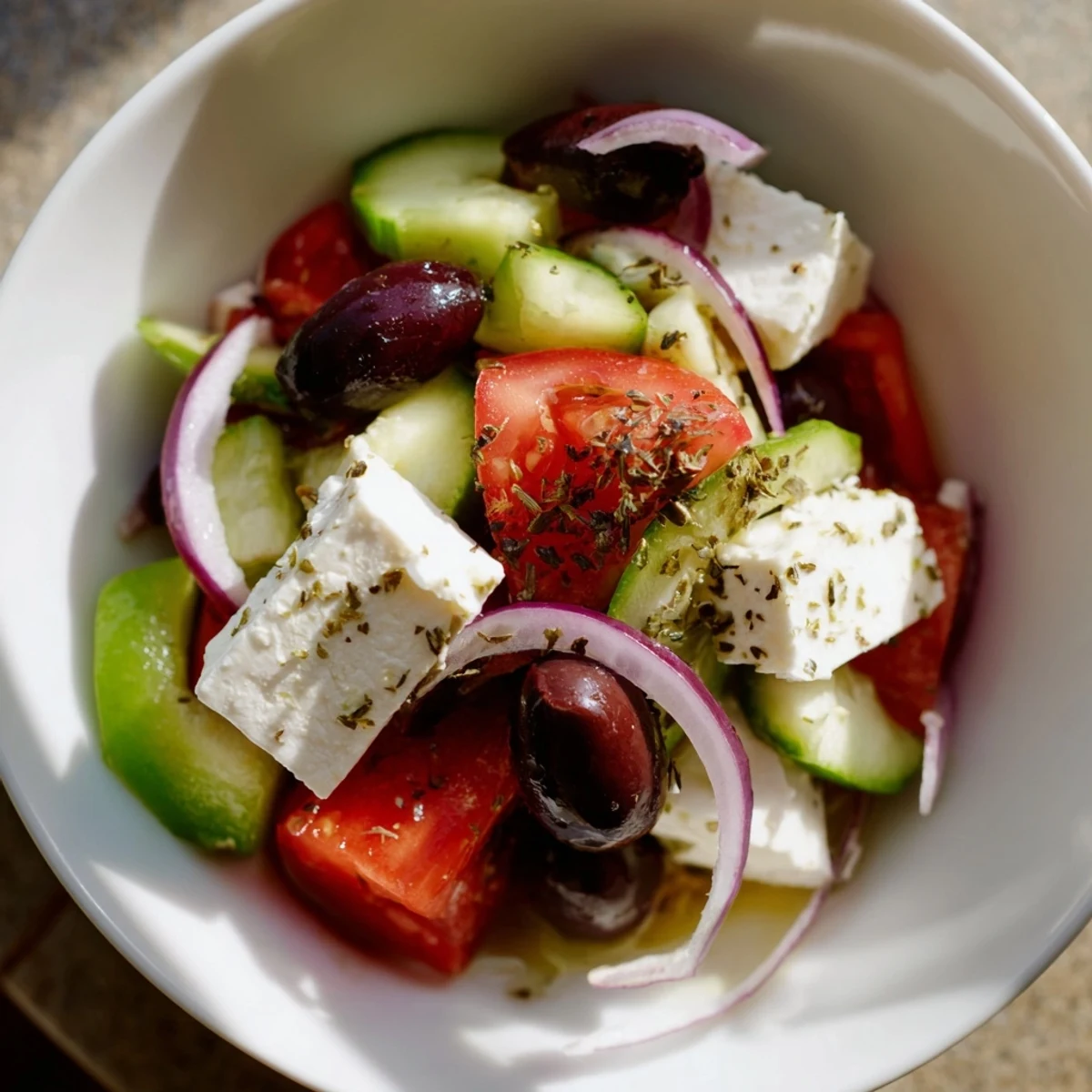
Save This salad stopped being just food the first time someone asked me to make it for a dinner party, and then told me it reminded them of a trip they took years ago. That's when I realized Greek salad isn't really about the recipe—it's about holding onto those feelings of sun, simplicity, and sitting still for a moment.
The Timing Question
People always ask me whether to make this ahead, and the honest answer is it depends on what you're after. Make it 30 minutes before if you want everything crisp and cold with a light coating of dressing; make it a few hours before if you don't mind the vegetables giving up a little juice and everything getting more cohesive and flavorful. Both versions are delicious—you're just choosing between two versions of good.
When You Want to Change Things Up
This salad is so forgiving that you can swap and adjust without losing the soul of it. Roasted red peppers instead of raw green peppers shifts it toward something richer; adding chickpeas or white beans makes it a more substantial meal; capers bring a different kind of brine that some people actually prefer to olives. I've even thrown in thin slices of red radish for crunch and a peppery bite that nobody expected but everyone appreciated.
Serving Ideas
This works as a side dish next to grilled chicken or fish, as the vegetable component of a larger mezze spread with hummus and pita bread, or honestly just as lunch for one person sitting on the couch. It pairs especially well with crusty bread for soaking up the dressing, and it never feels out of place whether you're eating it casual or bringing it somewhere.
- Serve it immediately after dressing for maximum crispness, or let it sit and get juicier depending on your mood.
- Make extra dressing on the side because someone always wants more, even though there's clearly enough mixed in.
- Bring a bottle of the same olive oil you used in the dressing to the table so people can taste why it matters so much.
 Save
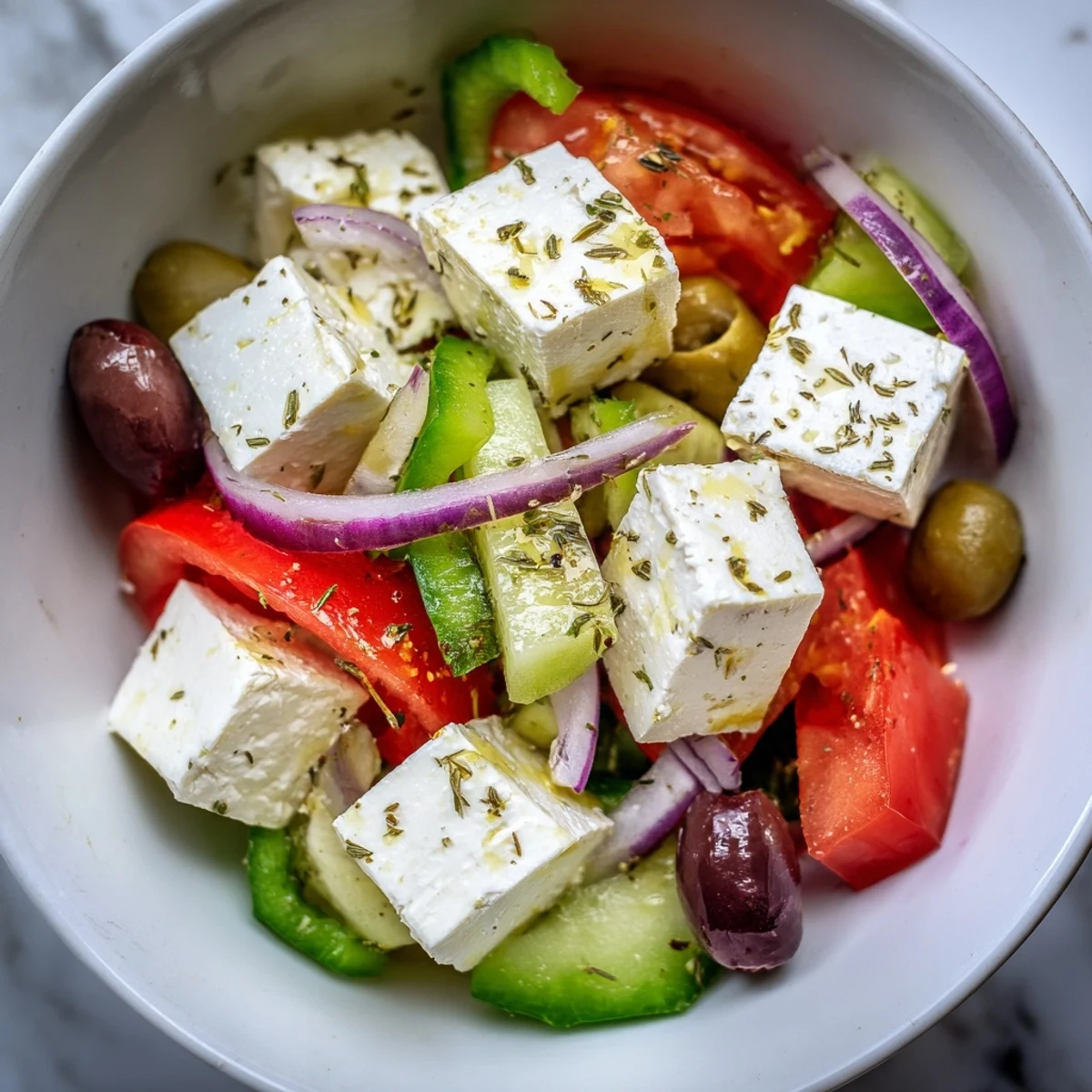
Save This is the kind of recipe that proves you don't need complicated techniques or rare ingredients to eat beautifully. Just respect what you're working with and let it be what it wants to be.
Recipe FAQs
- → What olives work best in this salad?
-
Kalamata olives are ideal for their rich, tangy flavor and firm texture that complement the fresh vegetables and feta.
- → Can I substitute the cheese used in this dish?
-
While feta is traditional for its creamy and salty profile, you can use similar aged cheeses like halloumi or cotija if preferred.
- → How should the vegetables be prepared?
-
Use ripe tomatoes cut into wedges, peeled and sliced cucumbers, thinly sliced red onion, and green bell pepper sliced into rings for crisp, clear flavors.
- → What dressing ingredients are recommended?
-
A simple blend of extra-virgin olive oil, red wine vinegar, dried oregano, salt, and pepper creates a bright, herbaceous dressing that ties the salad together.
- → How can I enhance the salad’s flavor authenticity?
-
Using barrel-aged feta cheese and Greek extra-virgin olive oil will deepen the overall taste, bringing a more genuine Mediterranean experience.
- → What are some good pairings for this salad?
-
This salad pairs well with grilled meats, warm pita bread, or as part of a mezze platter for a light and flavorful meal.