
 Save
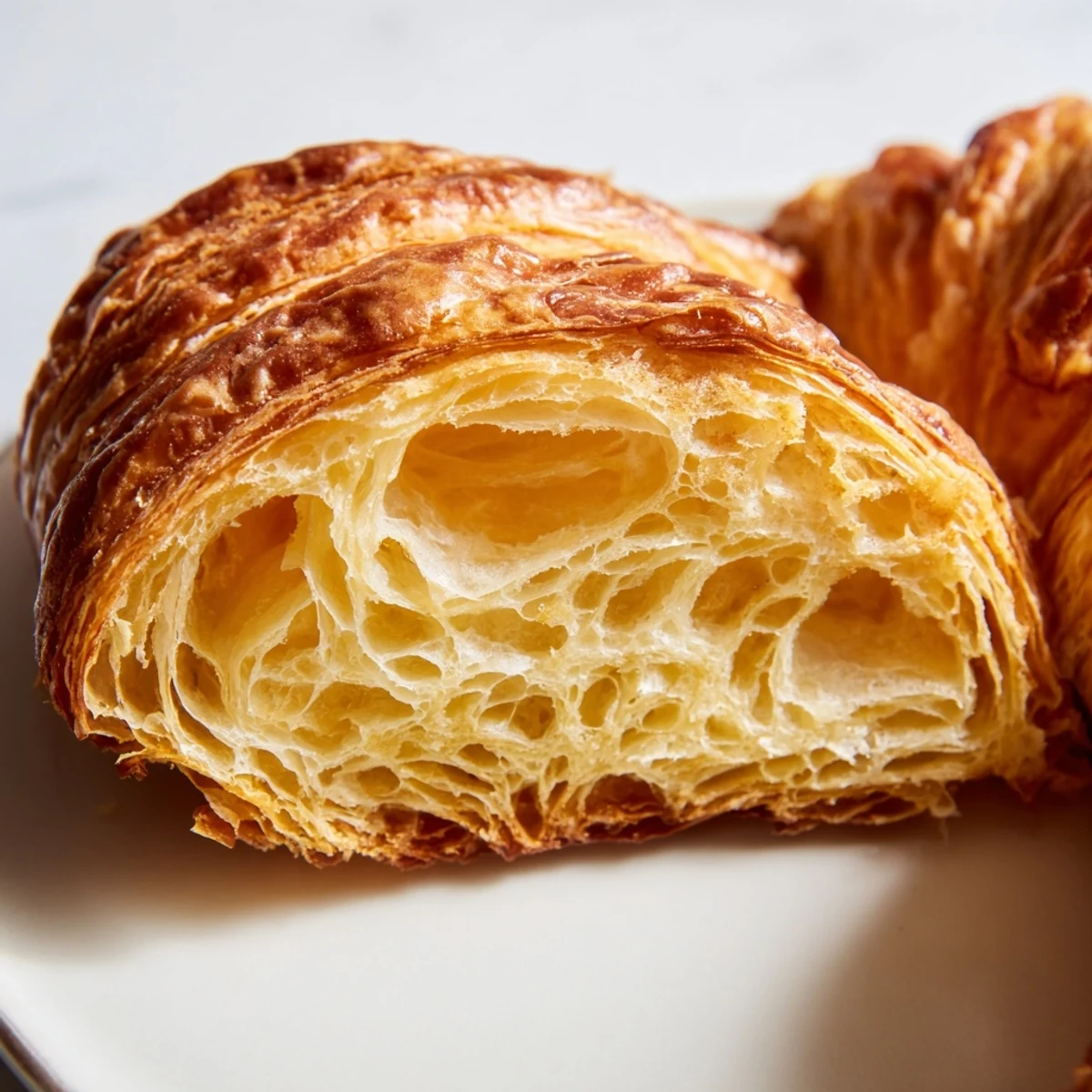
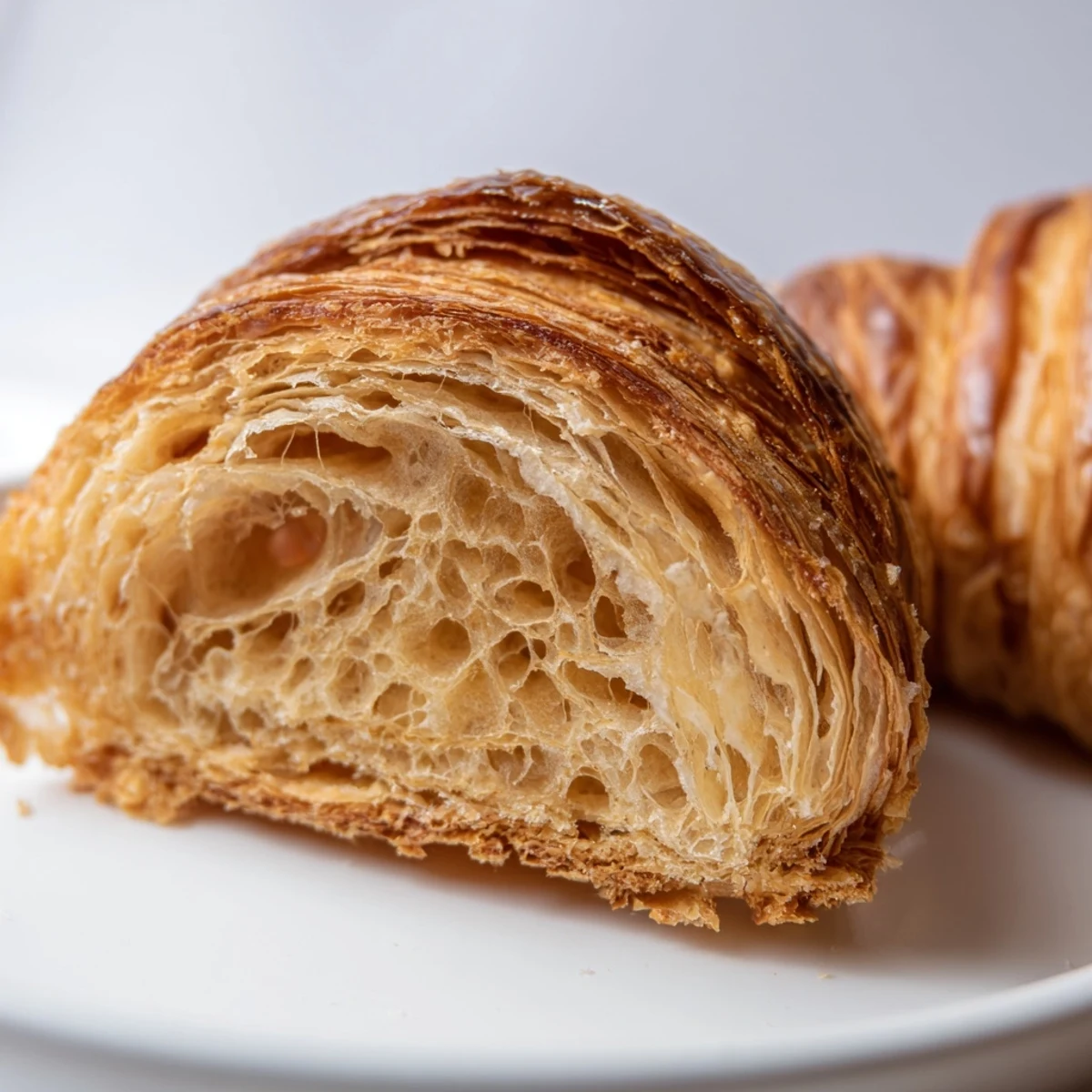
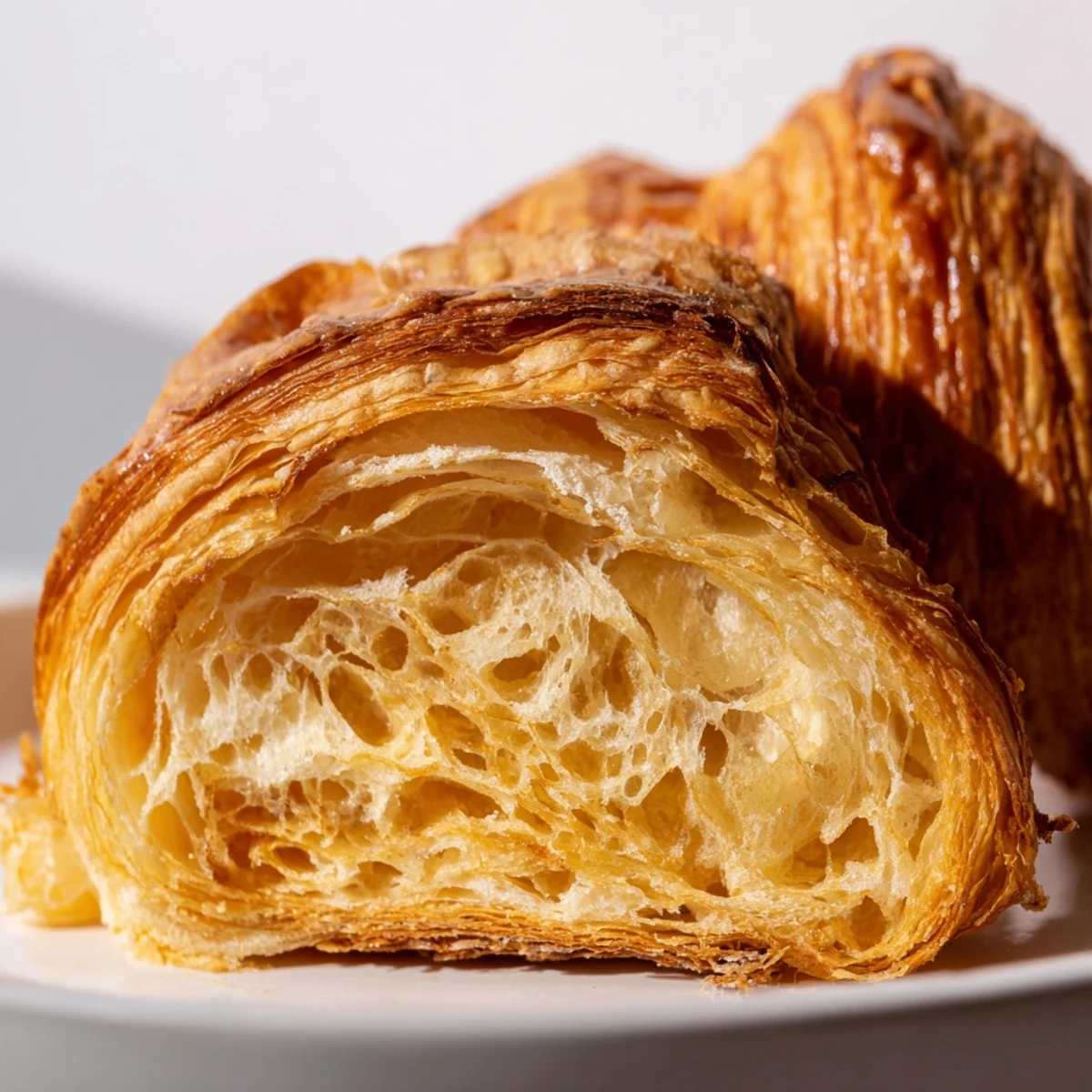
Save Craft delicate French-style pastries with multiple butter layers for signature flakiness. This technique delivers golden, crescent-shaped treats that rival traditional bakery croissants while remaining entirely gluten-free. The laminated dough creates airy pockets inside a crisp exterior, achieving that coveted shatter when you bite into warm croissants fresh from your oven.
The first time I attempted gluten-free croissants, my kitchen looked like a flour bomb had gone off. I was skeptical that anything without wheat could actually achieve those signature honeycomb layers inside. Three failed attempts later, I finally cracked the code by treating the dough with more patience than I thought I had. Now my gluten-free friends actually cry when they take their first bite.
I made these for my cousin who has celiac disease, and she literally sat at my counter staring at one for five minutes before taking a bite. She called me at 7 AM the next day to say they were still flaky after being reheated. That might be my proudest kitchen moment to date.
Ingredients
- Gluten-free all-purpose flour: The xanthan gum is non-negotiable here for structure and elasticity
- Almond flour: Adds subtle richness and helps mimic wheat protein behavior
- Instant yeast: No proofing needed, just trust it to work its magic
- Cold butter: The absolute key to creating those 81 layers of buttery perfection
Instructions
- Mix Your Dough:
- Whisk the dry ingredients until they are thoroughly combined, then stir in your warm liquids until a sticky shaggy dough forms
- First Chill:
- Wrap the dough rectangle tightly and refrigerate for 45 minutes to relax the gluten-free flours
- Prepare Butter Layer:
- Pound cold butter between parchment paper into an even 6 x 8-inch rectangle, keeping it chilled and pliable
- First Letter Fold:
- Place butter over two-thirds of the dough, fold down the top, fold up the bottom like you are sealing an envelope
- Create Layers:
- Roll, fold, chill, and repeat this process three more times, rotating 90 degrees each time for even distribution
- Shape and Proof:
- Cut into triangles, roll tightly from the wide end, and let rise until puffy and slightly jiggly
- Bake to Glory:
- Brush with egg wash and bake at 400 degrees until deeply golden brown and crisp
 Save
Save My daughter helped me with the egg wash on our last batch and got butter everywhere. We ended up with unevenly browned croissants that looked ridiculous but still tasted incredible. Sometimes imperfection is part of the charm.
Temperature Control Matters
The butter must stay cold but pliable throughout the entire laminating process. If your kitchen runs warm, work on a chilled surface or freeze your rolling pin for 10 minutes first.
The Rolling Technique
Roll from the center outward using firm, even pressure rather than pushing back and forth. This prevents the butter from breaking through the dough layers and creating uneven spots.
Timing Your Bake Perfectly
Watch for deep amber color rather than pale gold. Gluten-free pastry benefits from a thorough bake to ensure the interior fully cooks and dries out properly.
- Set a timer for 18 minutes then check every 2 minutes
- Rotate the pan halfway through for even browning
- Let them cool for at least 15 minutes before eating
 Save
Save There is nothing quite like tearing into a warm croissant you made yourself, especially when you never thought you would experience that joy again. Happy baking, friend.
Recipe FAQs
- → What makes these croissants gluten-free?
-
These use gluten-free all-purpose flour blend with xanthan gum instead of wheat flour, combined with almond flour for structure and tenderness. The result mimics traditional wheat-based croissants without any gluten-containing ingredients.
- → Why is the dough chilled multiple times?
-
Chilling keeps the butter cold and firm during rolling and folding. This prevents butter from melting into the dough, which is essential for creating distinct flaky layers during baking. Each chill period ensures proper lamination.
- → Can I make dairy-free croissants?
-
Yes, simply substitute plant-based butter and dairy-free milk. Use high-quality vegan butter that remains solid when cold for best lamination results. The texture and rise may vary slightly from dairy versions.
- → How do I know when croissants are fully proofed?
-
Properly proofed croissants appear puffy and increased in size. When gently pressed, the dough should slowly spring back. They'll look slightly aerated but still hold their shape without collapsing during transfer to the oven.
- → Why did my croissants lose their shape?
-
This typically happens when dough becomes too warm during rolling, causing butter to melt into layers rather than staying separate. Keep everything chilled, work quickly, and refrigerate between folds. Also avoid overproofing before baking.