
 Save
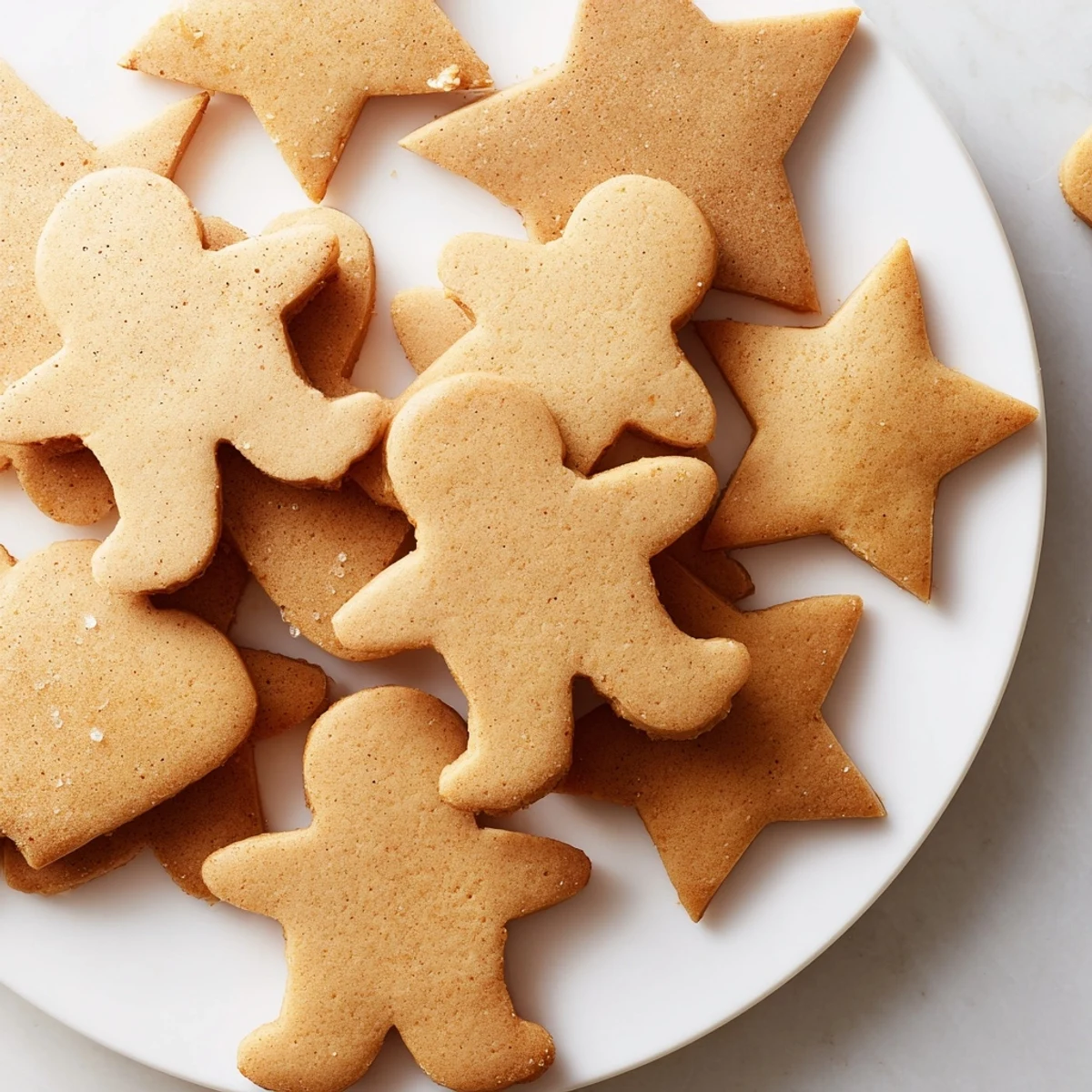
Save This warmly spiced gingerbread cutout dough blends ginger, cinnamon, cloves, and nutmeg for rich flavor. It combines softened butter, brown sugar, molasses, and vanilla for moistness and depth. After chilling, roll and cut into shapes that bake to a firm, satisfying texture. Easy to prepare, this dough keeps festive forms crisp while delivering classic holiday warmth.
There's something magical about December afternoons spent rolling out gingerbread dough, the kitchen filling with the warm scent of molasses and cinnamon. I still remember my grandmother teaching me this recipe on a snowy afternoon, her flour-dusted hands showing me exactly how the dough should feel—soft and pliable, ready to hold the shape of whatever cookie cutter I pressed into it. That first batch of perfectly crisp gingerbread people lined our cooling rack, and I knew this was the recipe I'd return to every holiday season.
I'll never forget the year I made these for my office holiday party—I brought in a tower of decorated gingerbread people with royal icing details, and they disappeared faster than anything else on the dessert table. People kept asking for the recipe, amazed that something so elegant could come from a home kitchen. That's when I realized this wasn't just a recipe; it was a way to share a little bit of holiday magic with everyone around me.
Ingredients
- All-purpose flour (3 cups): This is your structure, the foundation that holds everything together. Make sure it's measured by spooning and leveling, not scooping straight from the bag—that small step prevents the cookies from becoming dense and cakey.
- Unsalted butter (3/4 cup), softened: Soft butter creams beautifully with the brown sugar, creating that light, fluffy base. Leave it on the counter for about an hour before you start, and it'll mix in so smoothly you'll wonder why you ever rushed it straight from the fridge.
- Packed dark brown sugar (3/4 cup): This brings deep molasses notes and keeps the cookies wonderfully moist. Pack it firmly into your measuring cup—that extra compression means better flavor and texture.
- Unsulphured molasses (1/2 cup): This is the soul of the recipe, the ingredient that makes people say these taste like Christmas. Unsulphured molasses has a cleaner, more complex flavor than the sulfured variety.
- Ground ginger (1 tablespoon): Fresh ginger would be sharp and bitter here, but ground ginger brings a warm, gentle spice that wraps around your palate. This is what makes people say 'gingerbread' the moment they taste one.
- Ground cinnamon (2 teaspoons): Sweet, slightly earthy, it plays beautifully with the other spices. Toast your spice jar gently in your hands before measuring—you'll smell the difference.
- Ground cloves (1/4 teaspoon) and ground nutmeg (1/4 teaspoon): These are the secret ingredients that elevate the flavor from nice to unforgettable. Don't skip them—they add a sophisticated depth that makes people ask what makes your gingerbread taste so special.
- Baking soda (3/4 teaspoon) and salt (1/2 teaspoon): The baking soda helps the cookies rise slightly and develop those crisp edges, while the salt balances all that sweetness and actually makes the spices taste more pronounced.
- Large egg (1) and pure vanilla extract (2 teaspoons): The egg helps bind everything together and adds richness, while vanilla rounds out the spices with a subtle sweetness.
Instructions
- Toast your spices first (optional but worth it):
- Before measuring, warm your cinnamon, ginger, cloves, and nutmeg gently in your hands or a small dry pan for just a few seconds. This wakes them up and deepens their flavor—it's a small step that people will taste and wonder about.
- Whisk the dry ingredients together:
- In a medium bowl, combine your flour, baking soda, salt, and all those beautiful spices. Whisk them together thoroughly—this distributes the spices evenly throughout the dough so every single cookie tastes perfect. Take your time here; good mixing now means no surprises later.
- Cream the butter and brown sugar:
- In a large bowl, beat the softened butter and packed brown sugar together for about two minutes. You're looking for a light, fluffy mixture that's pale and almost cloudlike. This is where the cookies get their tender crumb, so don't rush it. When you're done, it should look like sweet sand that's been whipped into submission.
- Add the wet ingredients:
- Beat in the egg, molasses, and vanilla extract. The molasses will look dark and glossy as it incorporates, and the mixture will smell absolutely incredible. Beat until everything is well combined and looks smooth and cohesive.
- Bring the dough together:
- Gradually add the dry ingredients to the wet mixture, mixing on low speed or by hand with a sturdy wooden spoon. Fold and stir until a soft, pliable dough forms. You want to mix just until you don't see streaks of flour anymore—overmixing develops gluten and makes tough cookies, and we're not after that.
- Chill the dough:
- Divide the dough into two equal portions. Flatten each into a disk about half an inch thick, wrap tightly in plastic wrap, and place in the refrigerator for at least one hour. This is crucial—the cold dough won't stick to your rolling pin, and it will hold its shape when you cut it. I usually make this dough the night before, so it's ready to go the next day.
- Preheat and prepare:
- When you're ready to bake, preheat your oven to 350°F and line your baking sheets with parchment paper. Set them nearby so you can work efficiently.
- Roll and cut:
- On a lightly floured surface, roll out one dough disk to about 1/4-inch thickness. This is thin enough to bake through but thick enough to hold its shape. Cut your shapes with cookie cutters, and place them about one inch apart on the prepared baking sheets. The dough should come away cleanly from the cutters—if it sticks, dust with a tiny bit more flour.
- Bake to golden perfection:
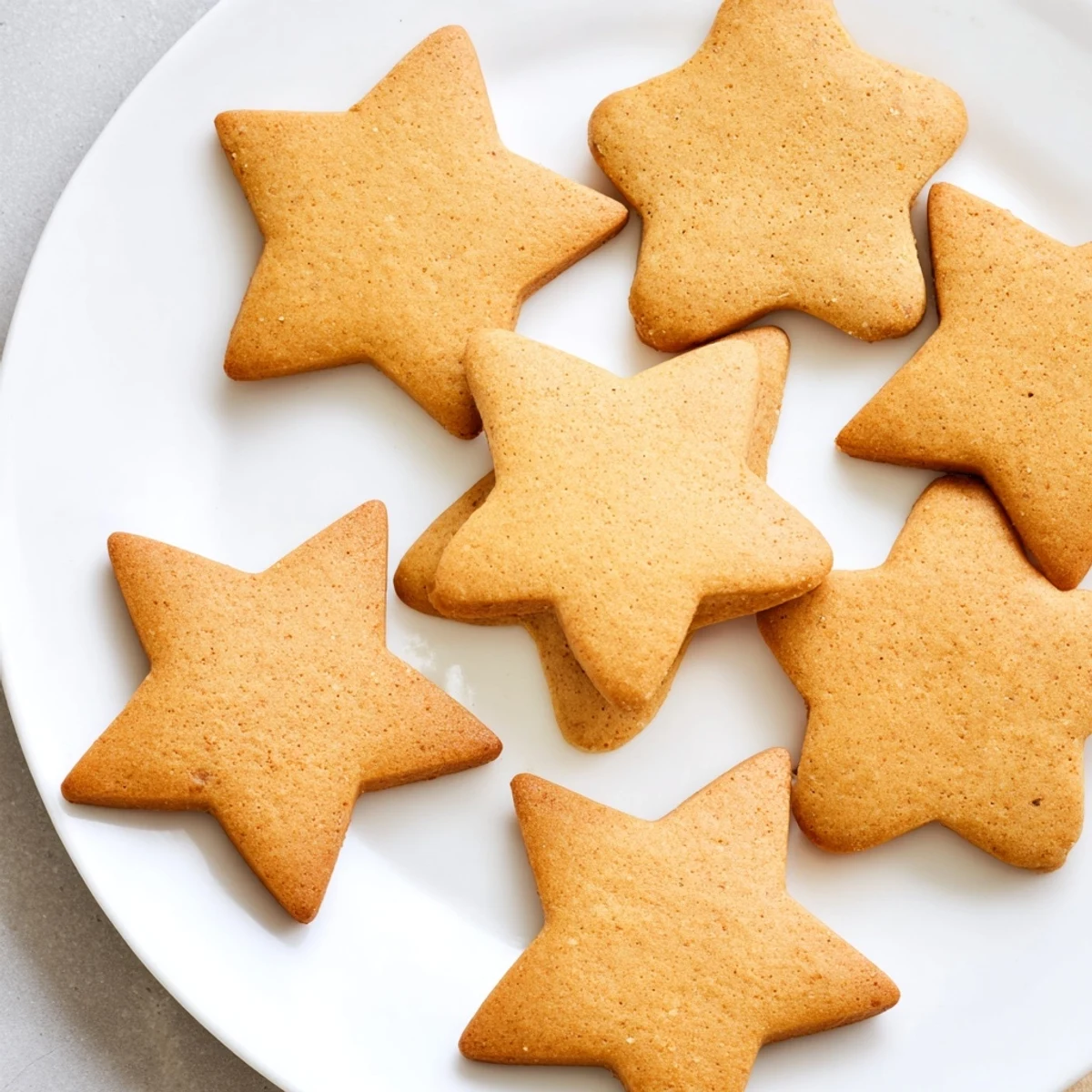
- Bake for 8 to 10 minutes, until the edges are firm and the centers look just set. The cookies will continue to firm up as they cool, so don't overbake them. They should still feel slightly soft when you press the center; they'll harden as they cool.
- Cool with patience:
- Let the cookies rest on the baking sheet for five minutes—this sets them up without breaking them. Then transfer to a wire rack to cool completely before decorating. This cooling time is when you can start on the next batch or brew a cup of tea and admire your work.
 Save
Save I think about my daughter sitting at the kitchen counter at age five, tongue peeking out in concentration as she carefully decorated a gingerbread person with royal icing, turning an ordinary sugar cookie into her own little edible person. That cookie went into a box of a dozen others, and we gave them to our across-the-street neighbors on Christmas Eve. That moment, that simple exchange of homemade gingerbread, felt like everything the holidays are supposed to be.
The Magic of Molasses
Molasses is the ingredient that transforms standard cookie dough into gingerbread. It's not just sweetness; it's depth, richness, and a subtle bitterness that keeps these cookies from being cloying. The deep brown color and complex flavor come from the byproducts of sugar refining, and it's been used in holiday baking for centuries. When you open a jar, you're not just grabbing an ingredient—you're connecting to generations of holiday kitchens before yours. That half-cup of molasses is what makes these cookies unmistakably gingerbread and not just spiced sugar cookies.
Decorating Your Gingerbread Creations
Once your cookies are completely cool, the fun part begins. Royal icing creates that crisp, professional look—just whisk egg whites with powdered sugar and a tiny bit of water until it reaches a spreadable consistency. You can pipe details, create faces, or cover the entire cookie in a smooth coating. If you prefer less fuss, a simple sprinkle of colored sugars or coarse sanding sugar goes on before the cookies cool and sticks beautifully. Melted chocolate drizzled over cooled cookies adds elegance in seconds.
Storage and Make-Ahead Magic
The beauty of gingerbread dough is its flexibility. Wrapped tightly, it keeps in the refrigerator for up to two days, so you can make it Thursday and bake on Friday when you have more time. The dough also freezes beautifully for up to three months—thaw it in the refrigerator overnight before rolling and cutting, and it bakes exactly the same as fresh dough. Baked cookies stay fresh in an airtight container for about a week, though they rarely last that long in my house. These are the cookies that get gifted, shared, and secretly eaten by everyone who walks past them.
- Make the dough a day ahead so you can bake fresh, still-warm cookies whenever you want
- Freeze extra dough disks for last-minute cookie emergencies—they're your secret weapon
- Store baked cookies separately from decorated ones if you're not decorating right away
 Save
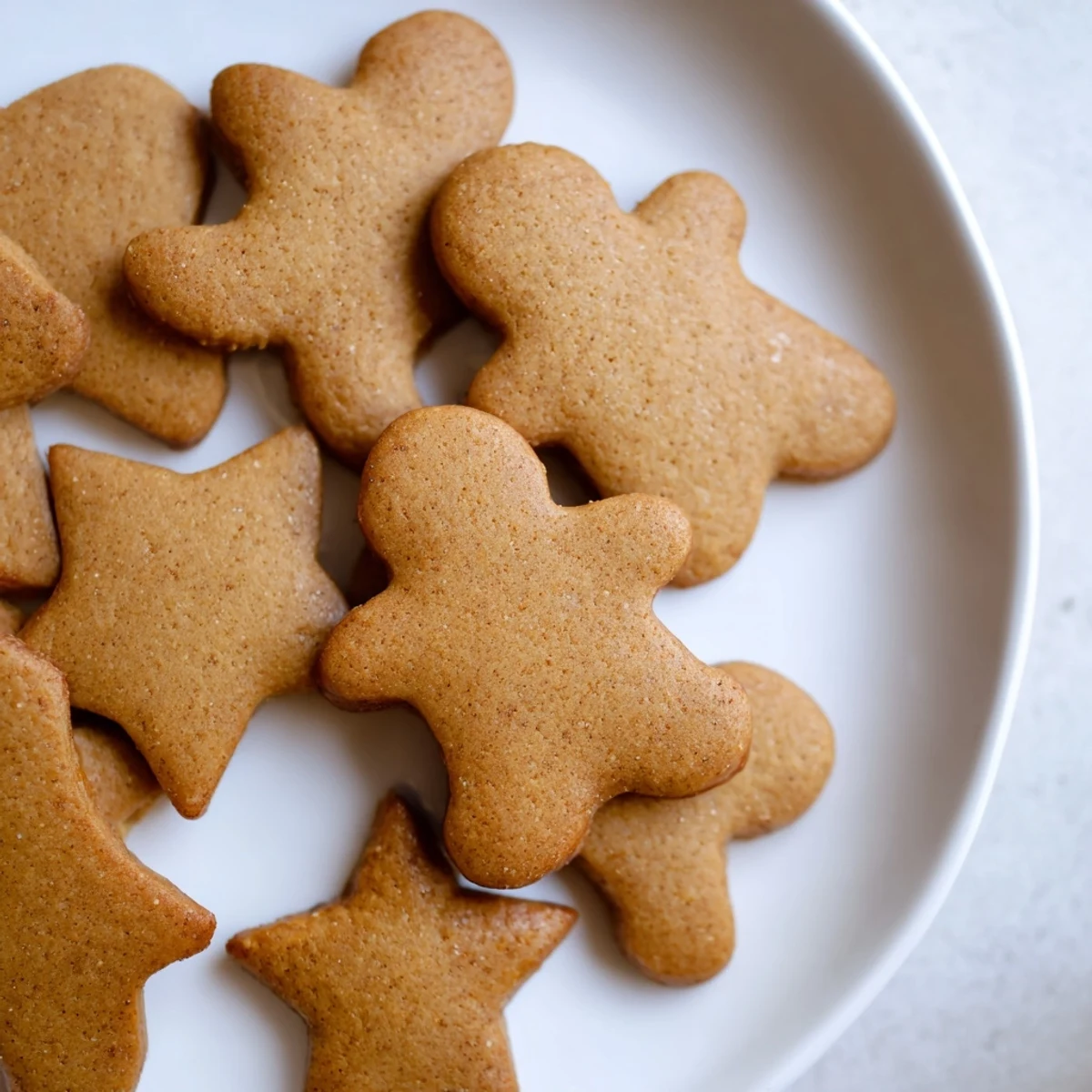
Save These gingerbread cookies are more than just something to bake and eat—they're edible memories, little spiced vessels that carry the feeling of the season. Make them once, and they'll become tradition.
Recipe FAQs
- → What spices are in the dough?
-
The dough features ground ginger, cinnamon, cloves, and nutmeg for a warm, festive flavor.
- → How long should the dough chill?
-
The dough needs to chill at least 1 hour in the refrigerator to firm up for rolling and cutting.
- → Can the dough be frozen?
-
Yes, it freezes well for up to 3 months; thaw in the refrigerator before rolling and shaping.
- → What is the ideal baking temperature?
-
Bake at 350°F (175°C) for 8–10 minutes until edges are firm and centers set.
- → How to decorate for festive appeal?
-
Decorate cooled cutouts with royal icing, sprinkles, or melted chocolate for added flair.
- → What tools are recommended for shaping?
-
Use rolling pin and cookie cutters to form consistent shapes on a floured surface.