
 Save
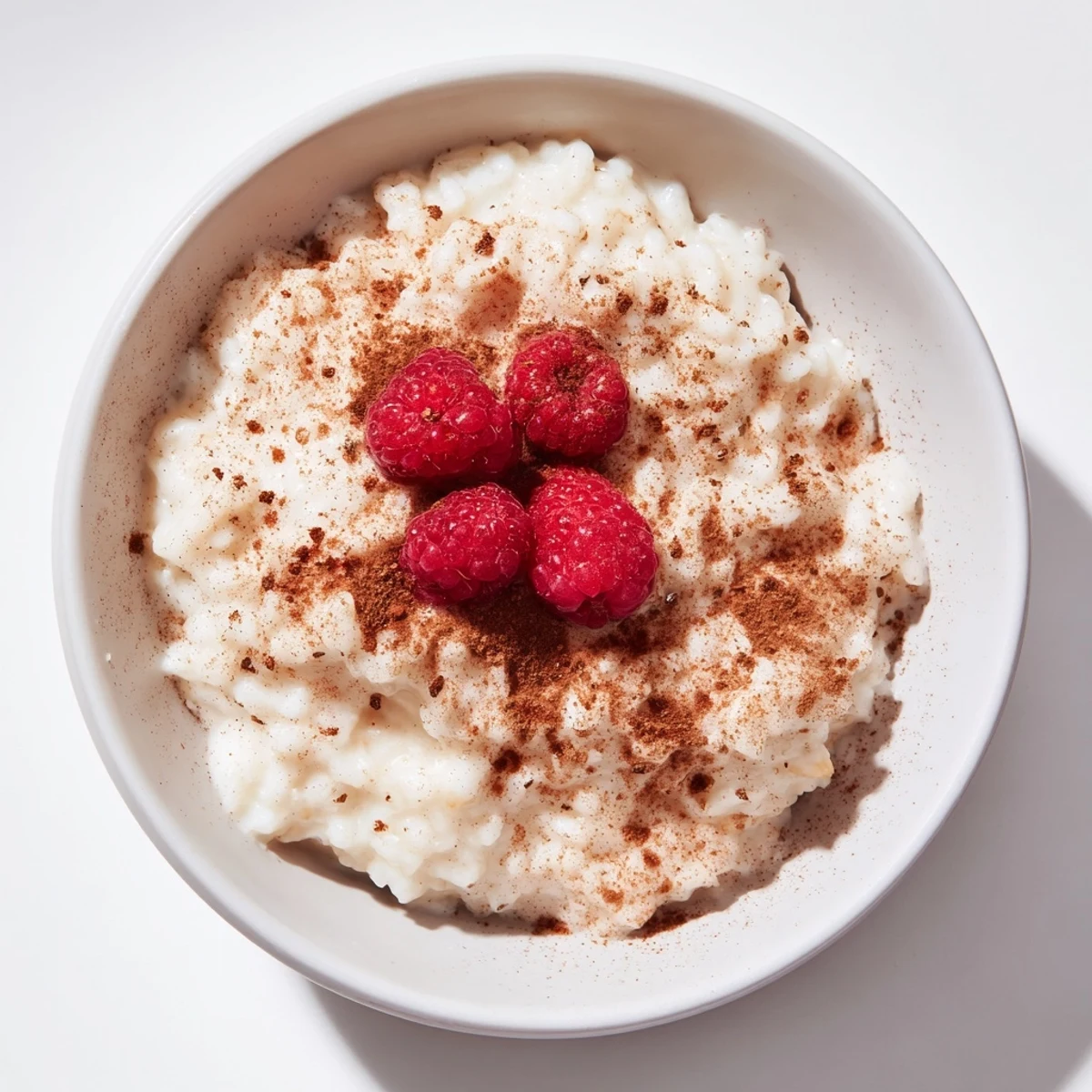
Save This dish features short-grain rice gently cooked in whole milk and cream until tender and creamy. Enhanced with pure vanilla extract and a dash of cinnamon, it offers a comforting balance of sweetness and spice. Whether served warm or chilled, it delights with its smooth texture and subtle warmth. Garnishes like fresh berries or toasted nuts add extra flavor and contrast. Simple to prepare and perfect as a vegetarian and gluten-free option, this delight brings cozy satisfaction to any table.
My grandmother used to make rice pudding on rainy afternoons, and the smell of vanilla and cream simmering on the stove meant comfort was coming. I watched her stir that pot with such patience, never rushing it, letting the rice slowly soften into something almost luxurious. Years later, I realized she was teaching me that the best desserts aren't about showing off, they're about creating a moment of quiet indulgence. That's what this pudding does for me now.
I made this for my partner on a Tuesday night when neither of us had energy for anything fancy, and we ended up sitting at the kitchen counter in pajamas, sharing one bowl and talking until it went cold. That's when I knew this recipe had staying power, not because it's impressive, but because it's honest.
Ingredients
- Short-grain rice (Arborio or pudding rice), 100 g: The starch in these varieties releases gradually, turning the milk into silk instead of staying grainy like long-grain rice would.
- Whole milk, 750 ml: This is the backbone; anything less creamy and you're just making sweetened rice porridge.
- Heavy cream, 120 ml: Non-negotiable if you want that luxurious mouthfeel that makes people close their eyes when they take a bite.
- Granulated sugar, 40 g: Start here and taste as you go; you might want more depending on your mood and the milk's natural sweetness.
- Unsalted butter, 1 tbsp: This adds richness and keeps the pudding from ever tasting one-dimensional or flat.
- Pure vanilla extract, 1 tsp: The real stuff matters more here than in almost any other dessert; use vanilla paste if you're feeling fancy.
- Ground cinnamon, 1/2 tsp (plus extra for serving): It should whisper, not shout, so resist the urge to dump the whole bottle in.
- Salt, a pinch: This is the secret handshake that brings every other flavor into focus.
Instructions
- Rinse the rice like you mean it:
- Run it under cold water and stir with your fingers until the water runs from milky to clear. This removes excess starch that would make the pudding gluey instead of creamy.
- Build your creamy base:
- Combine milk, cream, sugar, salt, and butter in a medium saucepan and bring to a gentle simmer over medium heat. Stir it now and then so nothing sticks to the bottom, and let the butter melt into everything.
- Add the rice and settle in:
- Drop in the rinsed rice and immediately turn the heat down to low. This is where patience becomes part of the recipe; stir frequently for 30 to 35 minutes until the rice softens and the mixture becomes thick and creamy.
- Finish with flavor:
- Stir in vanilla and cinnamon, cook for 2 more minutes just to let them marry with everything, then turn off the heat and step back.
- Rest and serve:
- Let it cool slightly if you like warm pudding, or chill it completely if you prefer it cold. Either way, a whisper of cinnamon on top makes all the difference.
 Save
Save My sister brought her daughter over for dessert once, and this pudding was what I had on hand. Watching a three-year-old discover that rice could taste like this, that a simple spoon could deliver such joy, made me understand why my grandmother never tired of making it. Some recipes carry weight because of moments like that.
Warm vs. Cold: What Changes
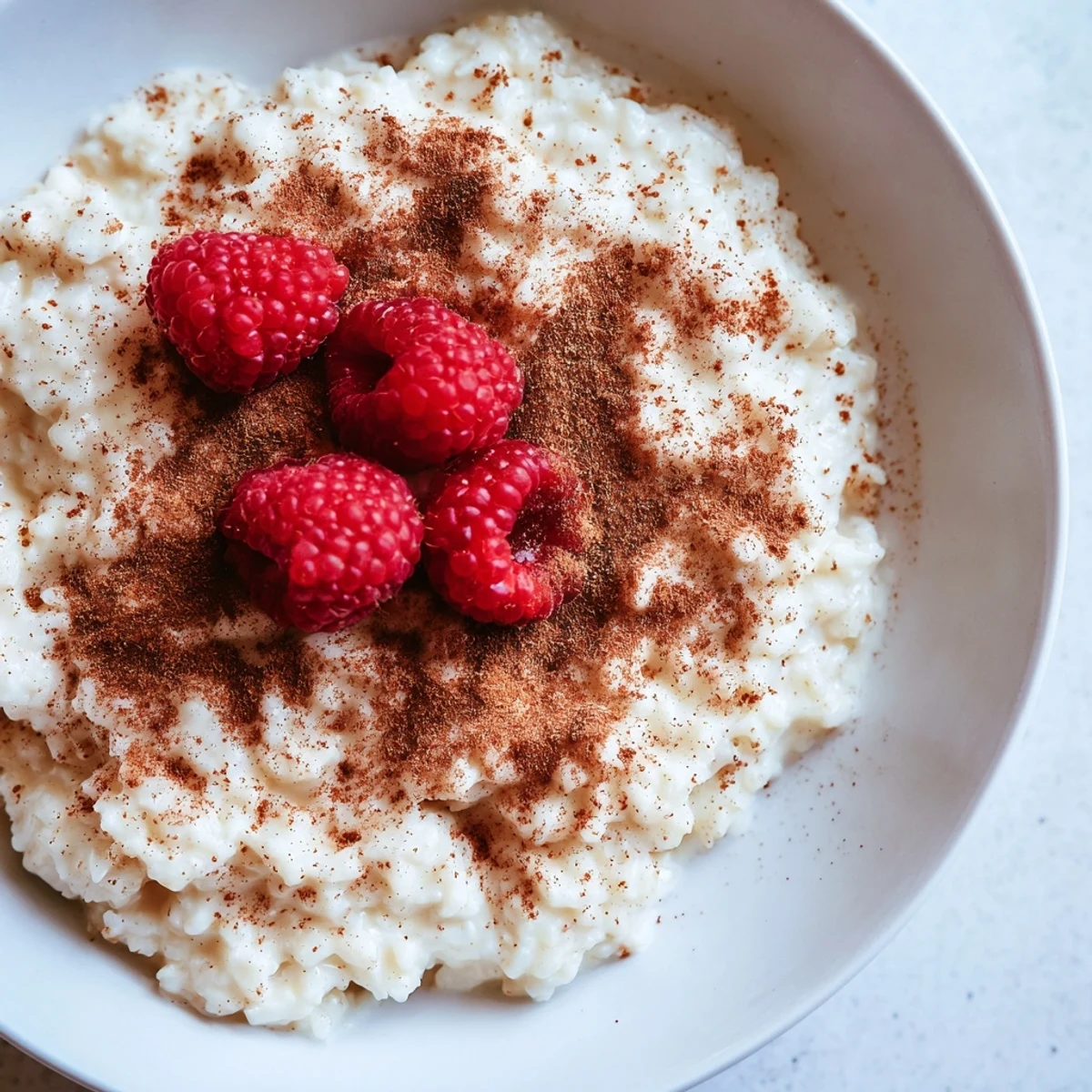
Warm, this pudding feels like a hug, spoon-soft and comforting, perfect for when you need to slow down. Cold from the fridge, it becomes almost mousse-like, lighter somehow, better suited to summer nights or when you want something that feels more like a treat than a memory. Both versions are equally valid; it just depends on what you need.
Playing with Flavor Without Losing the Plot
This recipe is a canvas, not a commandment. I've made versions with cardamom instead of cinnamon, stirred in a splash of rum at the end, topped it with stewed rhubarb, scattered crushed pistachios across the top. Each time it stayed recognizable, still tasted like home, just wore a slightly different outfit. The milk-rice foundation is sturdy enough to support creativity without getting confused.
The Vegan Version and Other Kindnesses
If dairy isn't in the cards, oat milk or cashew cream replaces the dairy with almost no flavor loss, though the richness softens slightly. For coconut milk swaps, use it for half the milk and the pudding gains an unexpected tropical note that still somehow feels right. I've learned that the best recipes are the ones that don't gatekeep joy.
- Coconut milk as a substitute for half the dairy creates a richer, more indulgent version that still tastes fresh.
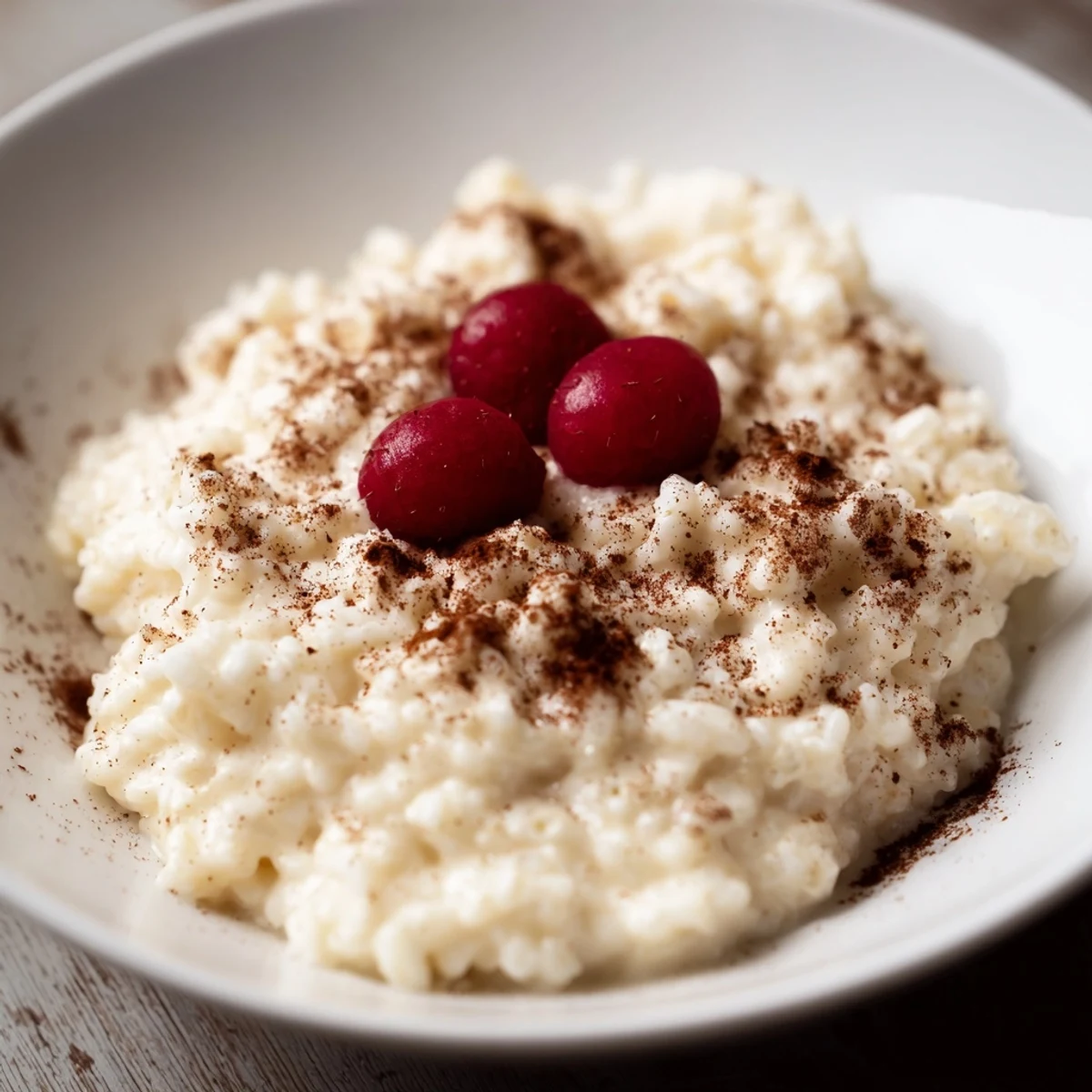
- Chill it overnight and it becomes thick enough to eat with a fork, almost like a panna cotta, which some people prefer.
- Leftovers last three days in the fridge and actually improve slightly as the flavors settle and merge.
 Save
Save This pudding has taught me that comfort food doesn't need to be complicated or trendy to matter. It just needs to be made with attention and served with generosity. Make this once and you'll understand why it never goes out of style.
Recipe FAQs
- → What type of rice is best for this dish?
-
Short-grain varieties like Arborio or pudding rice work best for a creamy, tender texture.
- → Can I substitute the dairy ingredients?
-
Yes, you can replace whole milk with coconut milk and use a plant-based cream or butter substitute to make it vegan-friendly.
- → How do I prevent the mixture from burning?
-
Cook over low heat and stir frequently to keep the rice from sticking and ensure even cooking.
- → What garnishes complement the flavors?
-
Ground cinnamon, fresh berries, and toasted nuts add complementary textures and enhance the warm spices.
- → Is it better served warm or chilled?
-
Both options are delicious; serving warm highlights creaminess, while chilled offers a refreshing finish.