
 Save
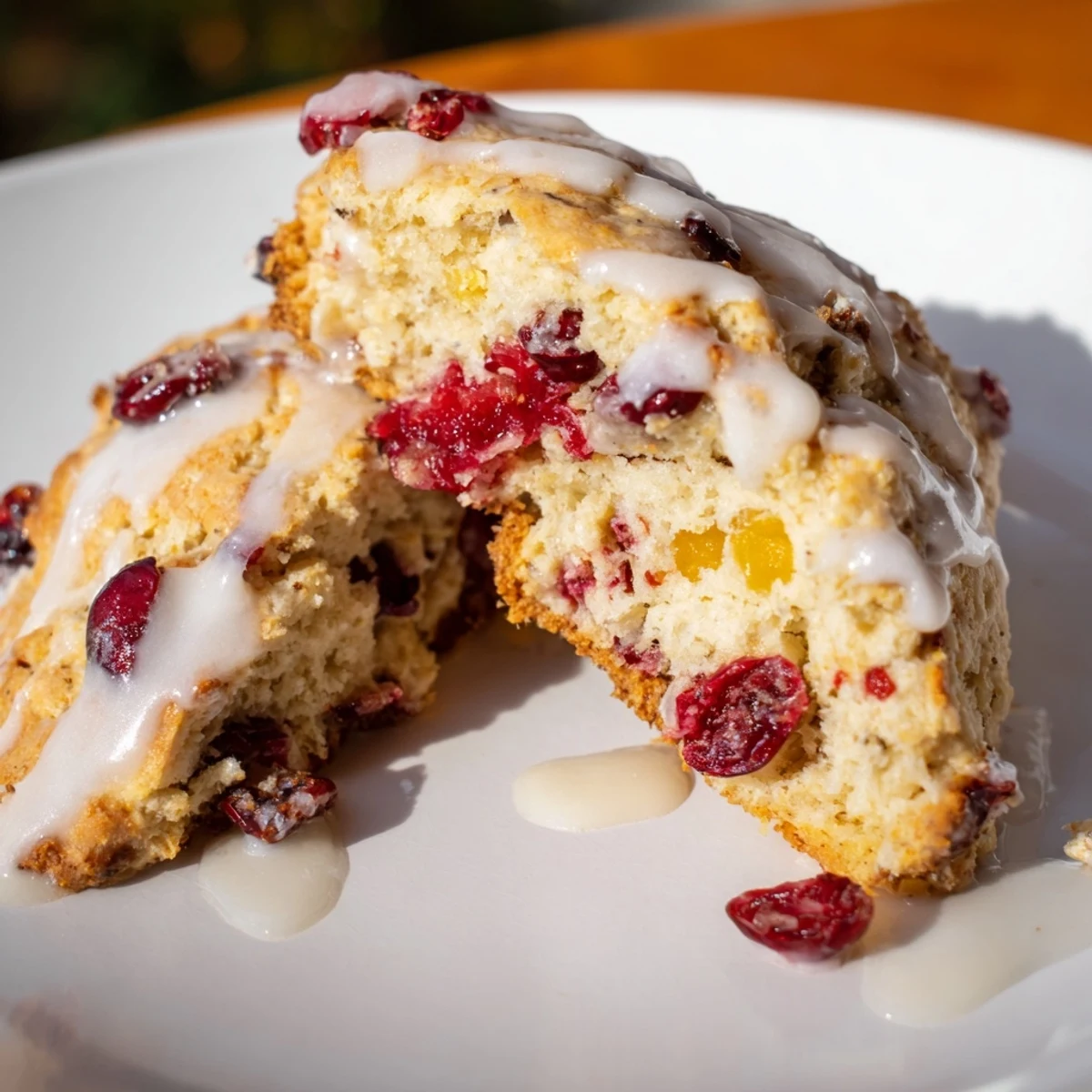
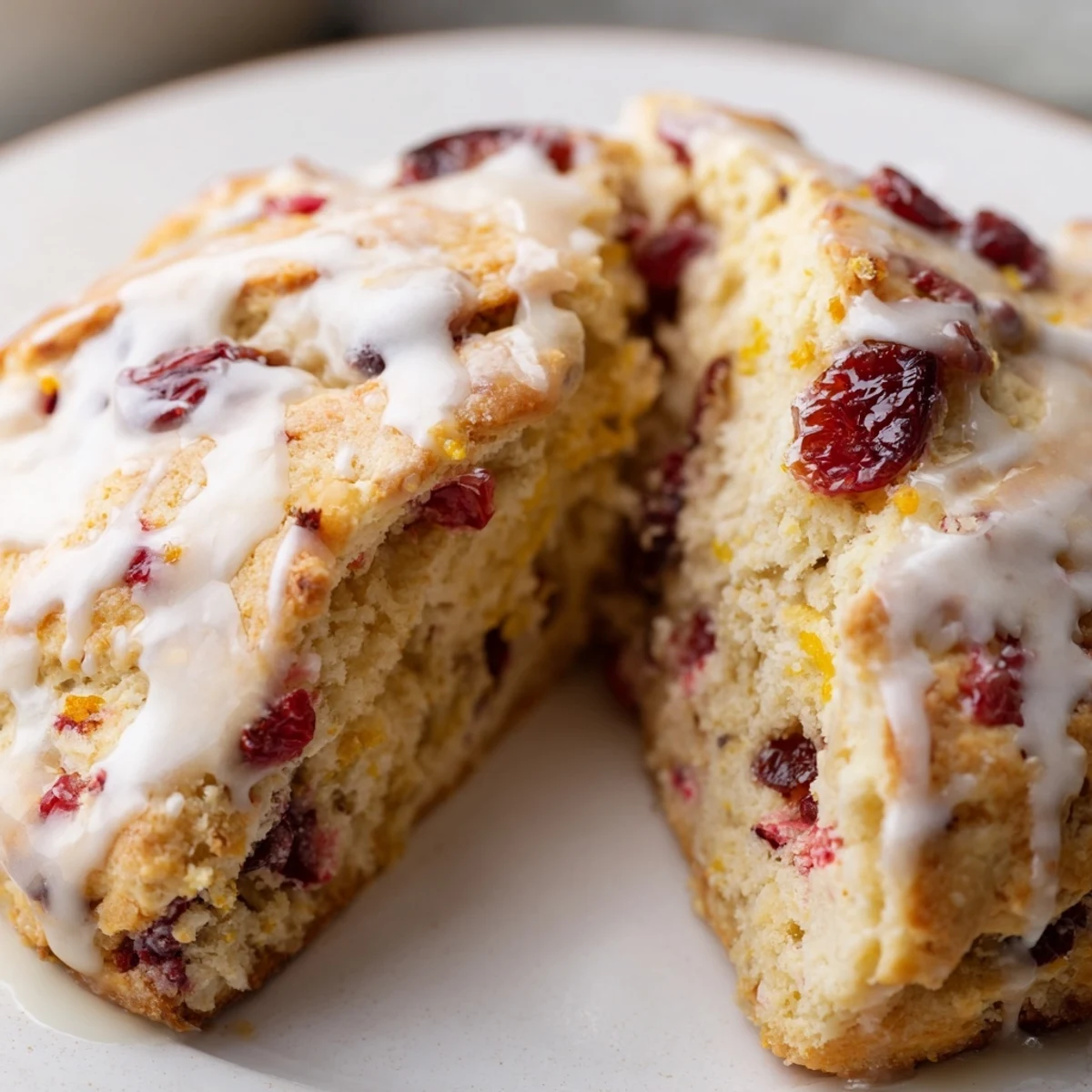
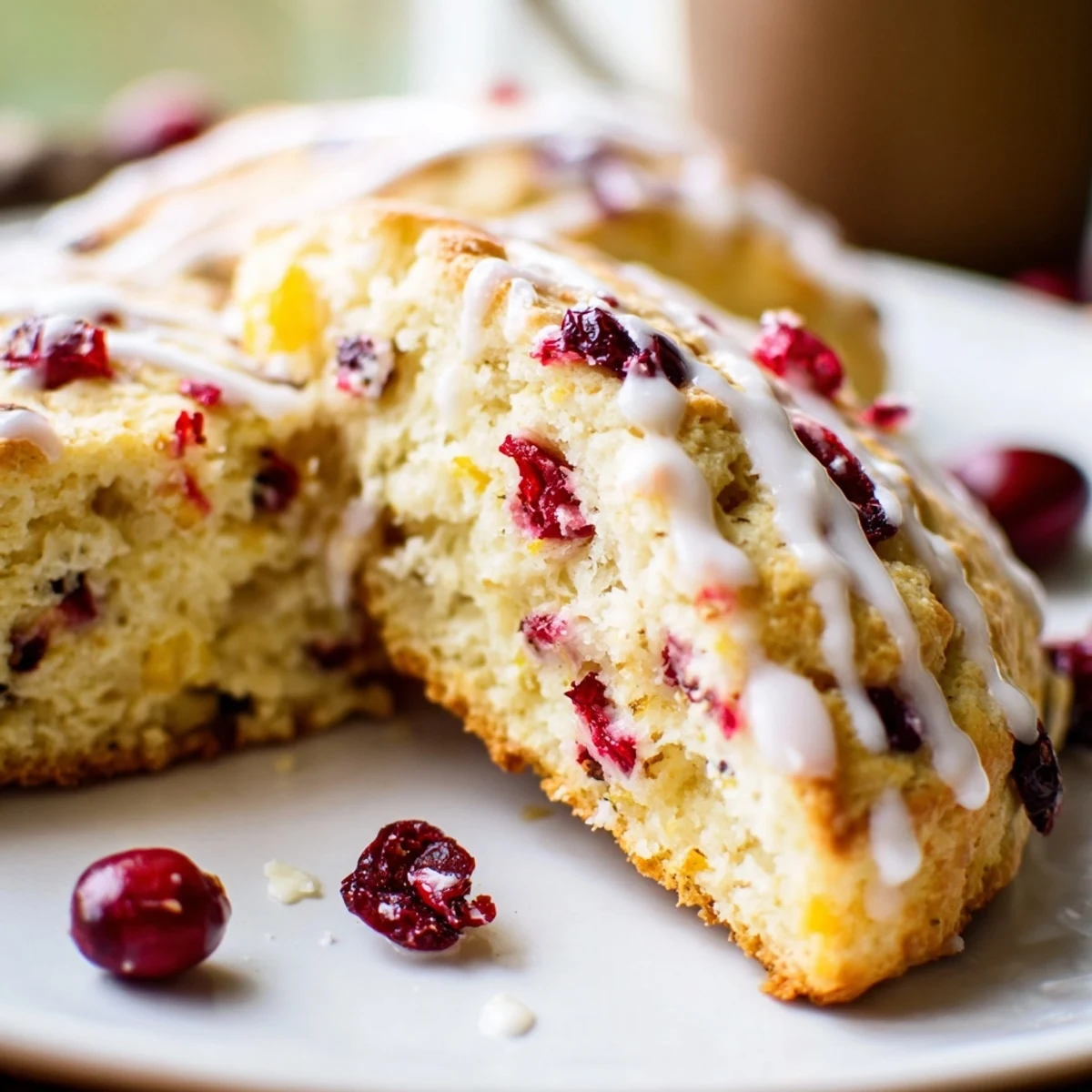
Save These tender, buttery scones offer a delightful blend of tart cranberries and fresh orange zest, delivering a bright, citrusy flavor balance. The dough combines all-purpose flour, sugar, baking powder, and cold unsalted butter, creating a flaky texture. A wet mixture of heavy cream, egg, orange zest, and vanilla brings moisture and aroma. After folding in juicy cranberries, the dough is shaped into wedges and baked until golden. A simple glaze made from powdered sugar and orange juice adds a glossy finish and extra citrus punch, making these scones perfect for breakfast or afternoon tea.
There's something about the smell of orange zest hitting a warm bowl of flour that makes you feel like you're doing something right in the kitchen. I discovered these scones on a grey afternoon when I had a bag of cranberries that needed using and half a lemon's worth of disappointment—I'd grabbed oranges instead at the market. One happy mistake later, and I was pulling golden, tender wedges from the oven that tasted like breakfast had finally figured itself out.
I made these for my neighbor's book club last spring, and what I remember most isn't the compliments—it's watching someone's face when they bit into that combination of buttery crumb and burst of tartness. She asked for the recipe before she'd finished her first one, and I realized these scones had quietly become the kind of thing that changes how people think about breakfast.
Ingredients
- All-purpose flour (2 cups): This is your structure—it keeps everything tender without being tough, which matters more than you'd think with scones.
- Granulated sugar (1/3 cup): Just enough sweetness to play off the tart cranberries without making these feel like dessert masquerading as breakfast.
- Baking powder (1 tbsp): Your leavening agent, and the reason these rise up light and airy instead of dense.
- Salt (1/2 tsp): It won't make them taste salty—it'll make every other flavor snap into focus.
- Cold unsalted butter (1/2 cup, cubed): This is non-negotiable—cold butter creates those tender flakes that make scones worth eating.
- Heavy cream (2/3 cup, plus extra for brushing): The richness that binds everything together and gives you that golden, tender crumb.
- Large egg (1): Your binder and the reason these have a light, open structure.
- Orange zest (1 large orange): This is where the magic happens—fresh zest tastes bright and alive in a way that bottled extract never quite manages.
- Pure vanilla extract (1 tsp): A quiet note that rounds out the citrus without announcing itself.
- Fresh or dried cranberries (1 cup): The tart counterpoint that makes every bite interesting; if using dried, they'll be plumper and more forgiving.
- Powdered sugar (1/2 cup, for glaze): Optional, but it softens the tartness and adds a sweet finish that people always notice.
- Fresh orange juice (1–2 tbsp): This keeps the glaze from feeling too heavy and ties the whole flavor story together.
Instructions
- Set your stage:
- Preheat your oven to 400°F and line a baking sheet with parchment paper—this takes two minutes and saves you from sticky situations later.
- Build your dry base:
- Whisk together flour, sugar, baking powder, and salt in a large bowl until everything is evenly distributed. You're creating the structure that will hold everything together.
- Cut in the cold butter:
- Add your cubed cold butter and use a pastry cutter or your fingertips to break it into the flour until it looks like coarse breadcrumbs. The cold butter pockets are what give you those tender flakes, so don't rush this or let the butter warm up.
- Combine your wet ingredients:
- In a separate bowl, whisk together cream, egg, orange zest, and vanilla—the zest will release its oils into the cream and fill your kitchen with that citrus smell that makes everything feel intentional.
- Bring it together gently:
- Pour the wet mixture into the dry ingredients, scatter in your cranberries, and stir just until everything comes together into a shaggy dough. Overmixing is the enemy here—you want visible butter pieces and a loose texture, not a uniform paste.
- Shape your dough:
- Transfer to a lightly floured surface and gently shape into an 8-inch round about 1 inch thick—treat it like you're handling something delicate, because you are.
- Cut and place:
- Cut the round into 8 wedges like a pie and space them on your prepared baking sheet so they have room to rise and develop edges.
- Add your shine:
- Brush the tops with a little extra cream—this creates that golden, appealing crust that makes people want to reach for one immediately.
- Bake until golden:
- Bake for 16 to 18 minutes, watching until the tops turn a deep golden brown and you can smell that buttery warmth from across the kitchen.
- Cool and finish:
- Let them rest on a wire rack while you whisk together powdered sugar and orange juice into a thin glaze, then drizzle it over the cooled scones for a sweet finish.
 Save
Save These scones taught me that sometimes the best kitchen moments are the quiet ones—that moment when you pull the pan out and see golden wedges that rose exactly as they should, or when someone closes their eyes while eating and you know you've made something that landed right. That's what keeps me making these.
Why Fresh Orange Zest Changes Everything
The first time I made these with bottled orange extract instead of zest, I thought something was off—the flavor felt distant and chemical instead of bright and alive. Fresh zest has oils that wake up everything around it, and you taste the actual orange instead of a pale shadow of citrus. Now I zest an orange over the cream mixture and watch those tiny flecks release their fragrance, and I can already tell the scones are going to be right.
The Temperature Game
Scone-making is one of those rare baking moments where temperature actually determines your success or failure, and it's worth paying attention to. Your butter needs to stay cold so it creates pockets in the dough that puff up in the oven, your oven needs to be properly preheated so those pockets set before the butter fully melts, and your cream should be cold from the fridge so it doesn't warm everything up. When all three of those things align, you get that perfect tender crumb that makes people ask if you're secretly a baker.
Serving and Pairing Ideas
These are at their best within a few hours of baking, while they still have some warmth and the texture is still at that perfect tender stage. I serve them with clotted cream or good butter and a cup of strong tea, though I've also paired them with sparkling wine on afternoons when breakfast felt like it should be slightly fancy. The tartness of the cranberries and brightness of the orange make them flexible enough to go sweet or savory, depending on what you're in the mood for.
- Split them warm and spread with clotted cream and a little jam if you want to lean into the indulgence.
- Leftover scones are excellent toasted the next morning with butter and jam, though they rarely last that long.
- If you want to make them ahead, wrap cooled scones tightly and freeze for up to a month, then warm them in a low oven before serving.
 Save
Save These scones are the kind of thing that makes a quiet morning feel special without requiring any drama or fuss. Once you've made them once, you'll find yourself reaching for this recipe whenever you want to show someone (or yourself) a little kindness through baking.
Recipe FAQs
- → How can I ensure scones turn out tender?
-
Use cold butter cut into the dry ingredients to create coarse crumbs, which helps develop a flaky, tender texture.
- → Can I substitute dried cranberries for fresh ones?
-
Yes, soak dried cranberries in warm water for 10 minutes before draining to plump them and avoid dryness.
- → What does the orange zest contribute to the scones?
-
Orange zest adds bright citrus aroma and flavor, balancing the tartness of the cranberries with a refreshing note.
- → Is it necessary to brush the scones with cream before baking?
-
Brushing cream helps develop a golden, slightly glossy crust while adding a subtle richness to the exterior.
- → How long should the scones bake for optimal texture?
-
Bake for 16–18 minutes at 400°F (200°C) until golden brown to ensure they are cooked through but remain moist inside.
- → Can I add nuts to the scones for extra crunch?
-
Yes, folding in chopped nuts like walnuts or pecans enhances texture and adds a pleasant crunch.