
 Save
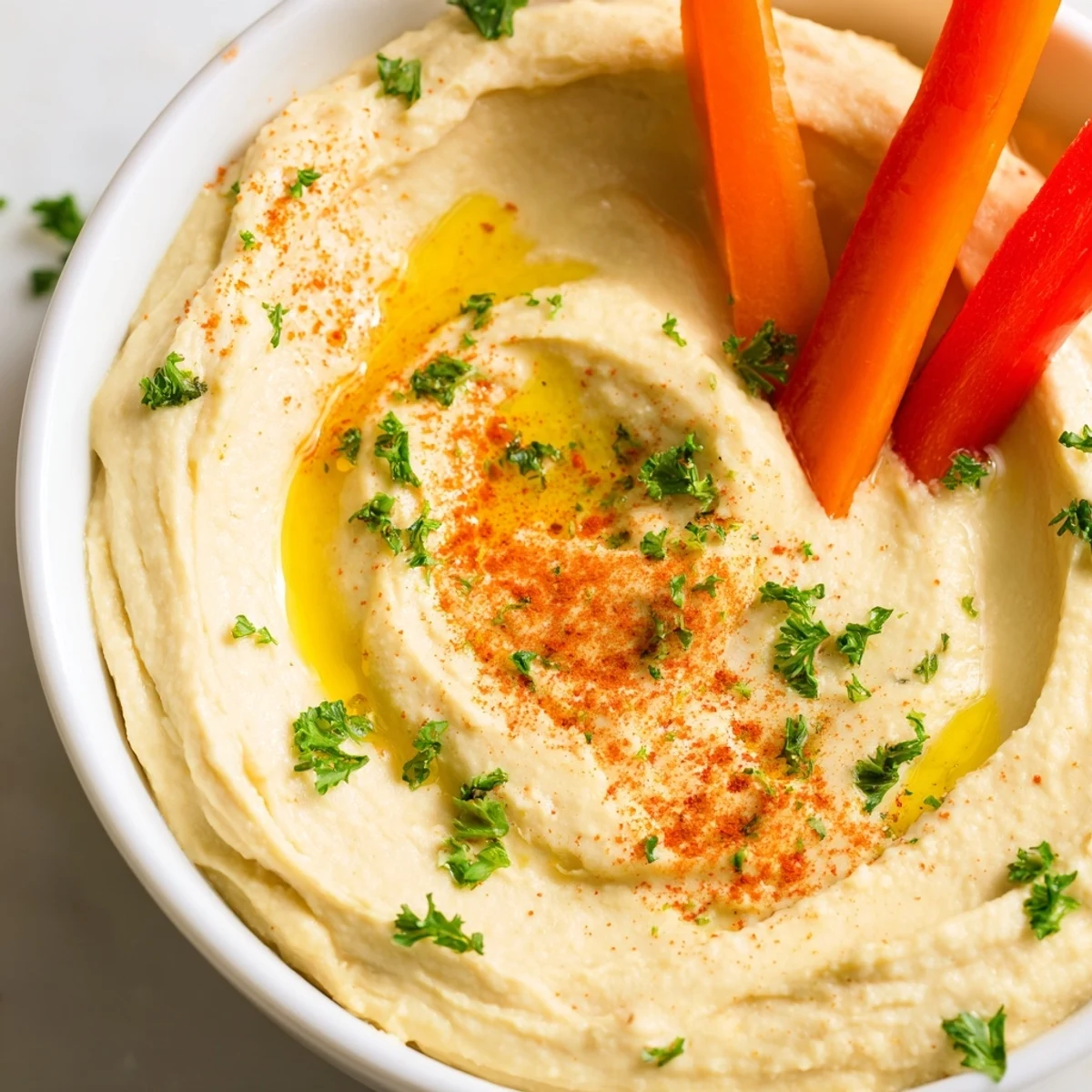
Save This dish features smooth chickpeas blended with tahini, olive oil, lemon juice, garlic, and spices for a rich and creamy dip. Freshly cut vegetable sticks such as carrots, cucumber, bell peppers, and celery provide a satisfying crunch. Simply blend the ingredients until smooth, adjust seasoning to taste, and serve chilled with the crispy vegetable sticks on the side. It's a quick and wholesome option that suits vegan and gluten-free diets alike.
There's something almost magical about the moment a food processor whirs to life and transforms a handful of canned chickpeas into something silky and luxurious. I discovered this particular version of hummus on a lazy afternoon when I had exactly three ingredients I felt confident about and nothing else in the fridge except cold water and faith. The tahini came together with the lemon juice in the most satisfying way, and suddenly what started as a desperate snack attempt became something I'd make again and again.
I remember bringing this to a potluck where everyone else had clearly agonized over their dishes, and my simple hummus with its rainbow of vegetable sticks somehow became the thing people kept returning to, dipping and chatting and lingering by the platter. It wasn't fancy or complicated, but there was something about its straightforwardness that made people relax.
Ingredients
- Chickpeas (1 can, drained and rinsed): The foundation of everything—canned is perfectly fine and saves you from overnight soaking drama.
- Tahini (3 tablespoons): This is the secret to creaminess, the ingredient that transforms chickpeas into silk.
- Extra virgin olive oil (2 tablespoons, plus more for drizzling): Not just flavor, but the finish that makes it look intentional and nourishing.
- Lemon juice (2 tablespoons, freshly squeezed): The brightness that wakes everything up—bottled simply won't have the same snap.
- Garlic (1 small clove, minced): A whisper, not a shout—one clove is all you need to add character without overwhelming.
- Ground cumin (1/2 teaspoon): The warm spice that hints at all the kitchens where hummus has lived for generations.
- Salt (1/2 teaspoon): The unsung hero that makes every other flavor sing louder.
- Cold water (2–3 tablespoons): Your secret weapon for hitting that perfect creamy texture without adding more oil.
- Carrots (2 medium, peeled and cut into sticks): Their natural sweetness and satisfying crunch are the perfect foil for the creamy dip.
- Cucumber (1, cut into sticks): Cool, watery, and refreshing—the palate cleanser hidden in plain sight.
- Bell peppers (1 red and 1 yellow, cut into strips): These bring color and a gentle sweetness that raw vegetables shouldn't be able to pull off but somehow do.
- Celery (2 stalks, cut into sticks): The understated green that everyone forgets they love until they're mid-dip.
Instructions
- Gather and prep your vegetables:
- Before you even look at the chickpeas, cut your carrots, cucumber, peppers, and celery into sticks so they're ready to go. This small act of prep work makes the whole thing feel effortless when it's time to plate.
- Blend the hummus base:
- Add chickpeas, tahini, olive oil, lemon juice, minced garlic, cumin, and salt to your food processor and blend until smooth, scraping down the sides when needed. The mixture will go from chunky to creamy in what feels like magic, usually about a minute or two.
- Adjust the texture:
- Add cold water one tablespoon at a time while the processor is running, stopping when you reach that sweet spot between dip and spread. You're listening for the sound to change, watching for it to lighten and loosen just right.
- Taste and fine-tune:
- Scoop a finger's worth (or a spoon's worth if you're being polite) and taste it raw. Does it need more lemon brightness, more salt, more cumin warmth? This is your moment to make it exactly yours.
- Serve with drama:
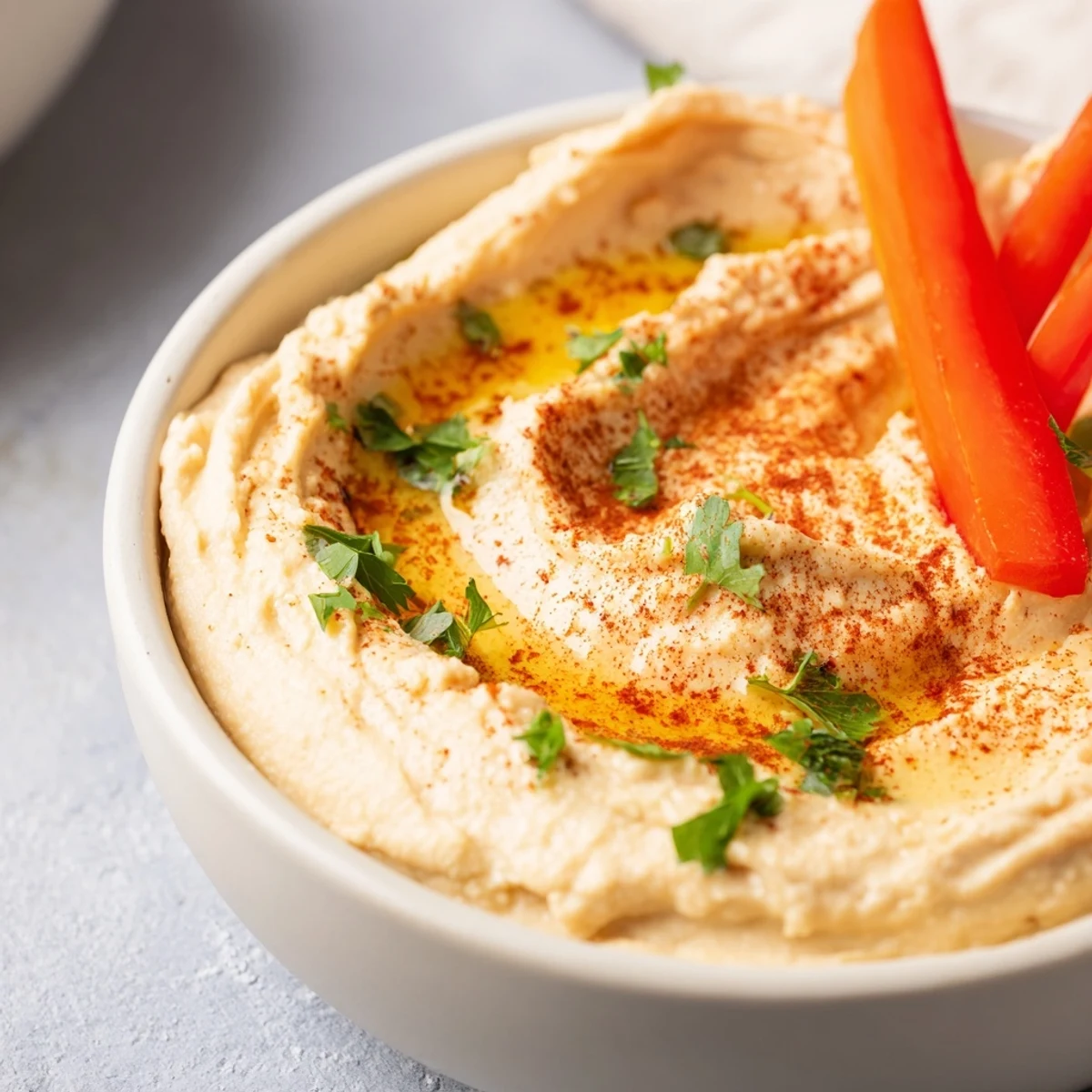
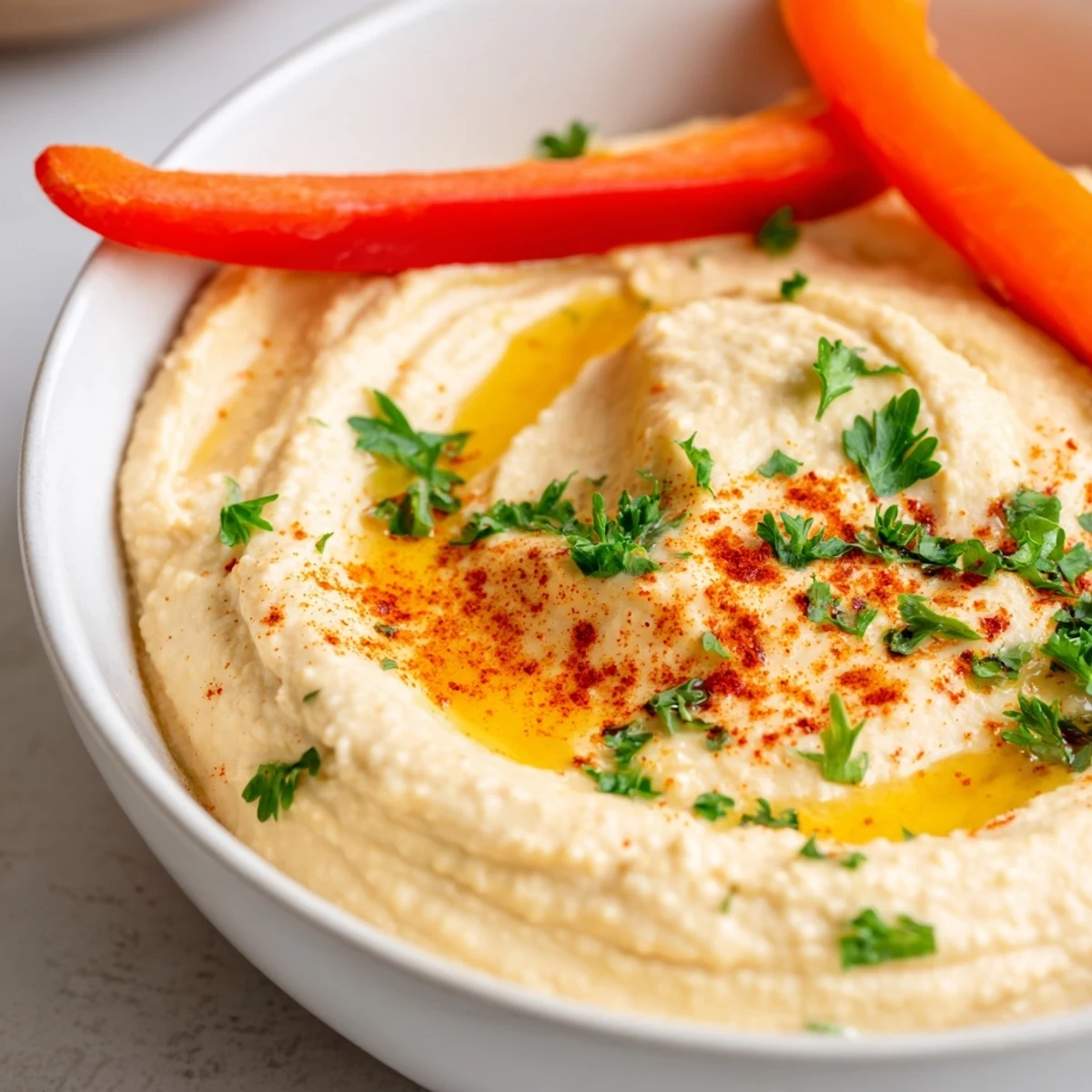
- Transfer to a serving bowl, drizzle with a little extra olive oil to make it glow, and arrange your vegetable sticks like you've arranged flowers. The olive oil isn't just for show—it keeps the hummus from drying out and adds a final touch of elegance.
 Save
Save There was one evening when my grandmother tasted this hummus and paused mid-dip, then looked at me with surprise that I'd made something she recognized from her own kitchen years ago. That moment, watching someone taste something simple and honest and have it connect them to their own memories, that's when hummus stopped being just a snack and became something more.
The Magic of Tahini
Tahini is the ingredient that transforms this from a mashed chickpea situation into actual hummus—it's ground sesame paste, creamy and rich and deeply nourishing. The first time I bought a jar without knowing what I was getting into, I was skeptical, but once it hit the food processor with the chickpeas, I understood the point. It's the reason this dip costs more at restaurants than you'd ever pay to make it at home, yet here you are, making it for the price of a coffee.
Vegetable Arrangements That Matter
The vegetables aren't just functional—they're your co-stars here. Raw vegetables have their own quiet intelligence: the carrots bring sweetness, the peppers bring crunch and color, the cucumber brings cool relief, and the celery brings that nostalgic celery-ness that reminds people of childhood snack platters. The arrangement matters because visual appeal makes people more likely to actually eat what you've made, and because it shows you care without requiring any real effort.
Making It Your Own
The beauty of hummus is that it's a starting point, not an ending point. Once you understand the basic rhythm—chickpeas, tahini, lemon, garlic, a moment of blending—you can shift things around based on what you have, what season it is, or what your mood demands. I've added roasted red peppers when I was feeling adventurous, a pinch of smoked paprika when I wanted warmth, a handful of fresh herbs when spring arrived.
- Try adding roasted garlic instead of raw if you want something sweeter and less aggressive.
- A small drizzle of honey or a touch of maple syrup can balance sharp lemon if you went heavy-handed.
- Paprika or sumac sprinkled on top isn't decoration—it's the final say on the whole experience.
 Save
Save This hummus is one of those recipes that asks very little but gives back genuine pleasure—the kind of thing that sits comfortably on any table, welcomed by any palate, returning again and again because it simply works. Make it once and you'll make it a hundred times.
Recipe FAQs
- → How can I adjust the hummus texture?
-
Add cold water gradually during blending to achieve your desired consistency, from thick to creamy.
- → What vegetables work best as sticks?
-
- → Can I prepare the dip ahead of time?
-
Yes, the dip can be made in advance and refrigerated for up to 4 days to enhance flavors.
- → How do I enhance the flavor of the chickpea blend?
-
Adding smoked paprika or roasted garlic cloves can add a deeper, smoky taste.
- → Is this suitable for special diets?
-
Yes, this dish is naturally gluten-free, vegan, and dairy-free, but note it contains sesame from tahini.