
 Save
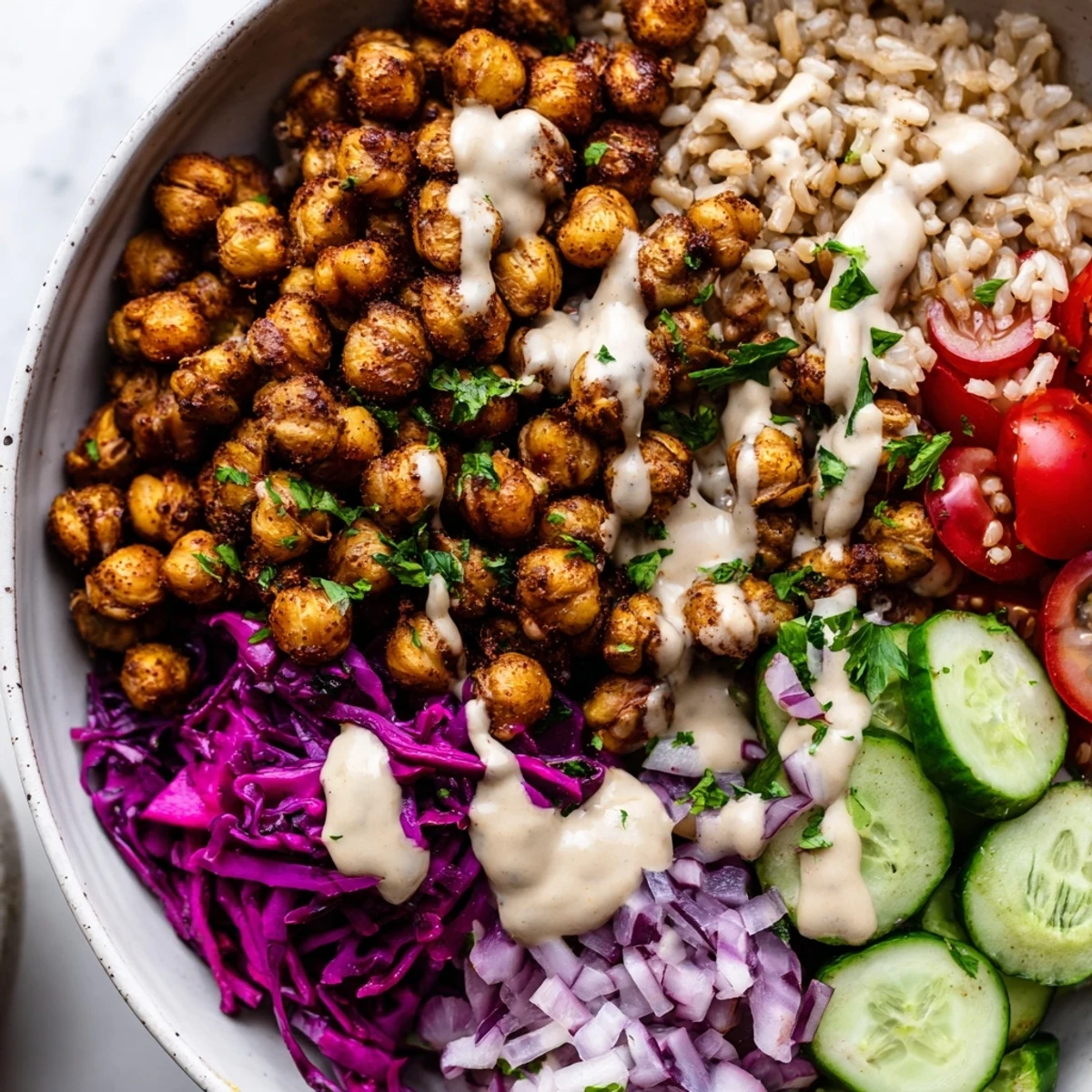
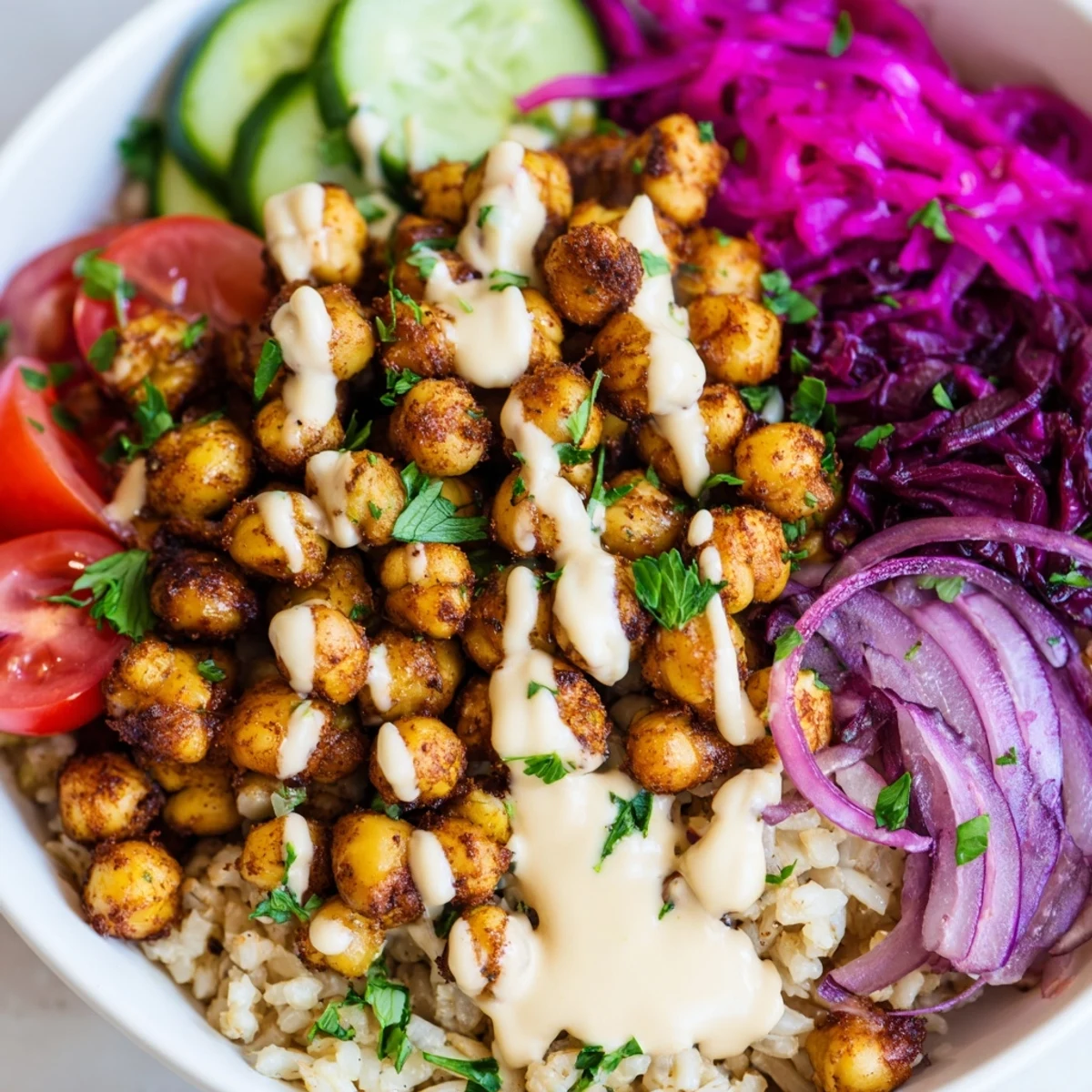
Save This Middle Eastern-inspired bowl packs all the bold flavors of traditional shawarma into a wholesome, plant-based meal. Crispy roasted chickpeas seasoned with cumin, paprika, coriander, and turmeric sit atop a bed of grains and fresh vegetables.
A creamy tahini sauce drizzled over the top ties everything together with its nutty, citrusy tang. Ready in just 45 minutes, it's a satisfying and nutritious option for weeknight dinners or meal prep.
The exhaust fan in my tiny apartment kitchen was no match for the cloud of cumin and paprika that filled every corner the evening I threw together my first shawarma spice blend. I had no idea what I was doing, just a vague memory of a takeout container and a craving I could not shake. What came out of the oven that night was gloriously imperfect, but the smell alone convinced me this dish was worth refining. Now it shows up on my table at least twice a month, rain or shine, summer or dead of winter.
I made a massive batch of these bowls for a potluck where three people independently asked if the chickpeas were actually chicken. That small moment of confusion remains one of my favorite kitchen compliments, because it proved that plant based cooking can be deeply satisfying and surprising in the best way.
Ingredients
- Chickpeas (2 cans, 15 oz each): Drain and rinse them well because the liquid in the can will fight against crispiness in the oven.
- Olive oil (2 tbsp): This coats the chickpeas and helps every bit of spice stick, so do not skimp on it.
- Ground cumin (1 1/2 tsp): The backbone of shawarma flavor, toasting it briefly in a dry pan before using wakes up something deep and nutty.
- Smoked paprika (1 tsp): Adds a subtle smokiness that makes people wonder if you used a grill.
- Ground coriander (1 tsp): Brings a faint citrusy brightness that rounds out the heavier warming spices.
- Ground turmeric (1/2 tsp): Mostly here for its golden color and gentle earthy bitterness.
- Ground cinnamon (1/2 tsp): Just a half teaspoon transforms the entire spice profile into something unmistakably shawarma.
- Ground black pepper (1/2 tsp): Freshly cracked makes a noticeable difference here.
- Garlic powder (1 tsp): Reliable and even distribution of garlic flavor without burning in the oven.
- Onion powder (1 tsp): Works quietly in the background to deepen the overall savory character.
- Cayenne pepper (1/4 tsp, optional): Leave it out for sensitive palates or double it if you like a slow building heat.
- Salt (1 tsp): Coarse kosher salt distributes more evenly on the chickpea skins.
- Cherry tomatoes (1 cup, halved): Their slight sweetness and juiciness balance the warm spices beautifully.
- Cucumber (1 medium, diced): Peel it or not, but definitely scoop out the seedy center if you want the bowl to stay fresh rather than watery.
- Red onion (1/2 small, thinly sliced): Soak the slices in ice water for ten minutes if you find raw onion too aggressive.
- Shredded lettuce or mixed greens (2 cups): Something crisp and slightly bitter works wonders against the rich tahini.
- Pickled red cabbage or pickled onions (1/2 cup): The tang is nonnegotiable, it is what makes this feel like real shawarma.
- Fresh parsley (1/2 cup, chopped): Flat leaf parsley, never curly, and add it at the very last second so it stays bright.
- Tahini (1/3 cup): Stir the jar well before measuring because separation is normal and does not mean it has gone bad.
- Lemon juice (3 tbsp): Freshly squeezed only, the bottled version tastes flat and metallic next to tahini.
- Water (2 tbsp, plus more as needed): Add gradually until the sauce reaches a pourable, honey like consistency.
- Garlic clove (1, minced): One is enough, any more and it takes over the entire sauce.
- Olive oil for sauce (1 tbsp): A finishing touch that gives the tahini a silky, luxurious texture.
- Cooked brown rice, quinoa, or cauliflower rice (2 cups): Pick whatever fits your mood or dietary needs, all three work perfectly.
- Lemon wedges (optional): A final squeeze over the whole bowl right before eating changes everything.
Instructions
- Heat the oven:
- Set it to 400 degrees Fahrenheit and let it fully preheat while you prep the chickpeas, because a hot oven from the start is the secret to that shatteringly crispy exterior.
- Spice and roast the chickpeas:
- Toss the drained chickpeas with olive oil and every single spice until each one is evenly coated, then spread them on a baking sheet in a single layer with space between them. Roast for 20 to 25 minutes, shaking the pan once halfway through, until they are deeply golden and crunch when you bite one.
- Whisk the tahini sauce:
- Combine tahini, lemon juice, water, minced garlic, salt, and olive oil in a small bowl and whisk until completely smooth and pale. If it seizes or looks too thick, add water one spoonful at a time until it drizzles off the fork like a ribbon.
- Prep all the vegetables:
- Halve the tomatoes, dice the cucumber, slice the red onion paper thin, and chop the parsley while the chickpeas finish roasting.
- Build the bowls:
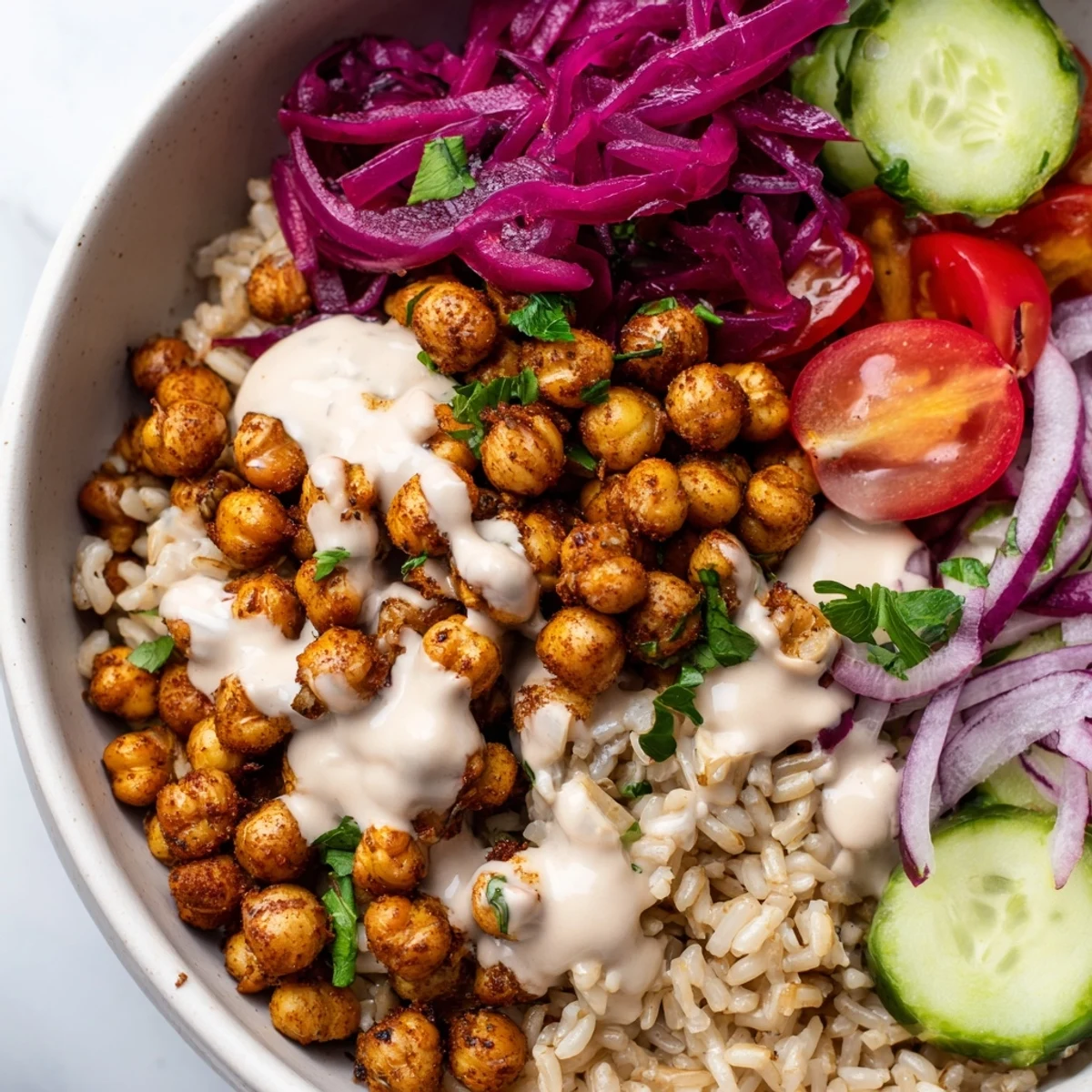
- Divide your grain of choice among four bowls, then arrange the greens, roasted chickpeas, cucumber, tomatoes, red onion, pickled cabbage, and parsley in sections on top.
- Drizzle and serve:
- Pour the tahini sauce generously over each bowl, add a lemon wedge on the side, and serve immediately while the chickpeas are still warm and crisp.
 Save
Save Somewhere between the second and third time I made these bowls, they stopped being a recipe and started being a ritual, the kind of meal I reach for when I want to feel grounded without spending an hour at the stove.
How I Got the Chickpeas Actually Crispy
For months my roasted chickpeas turned out chewy or soggy no matter what I tried, and it drove me to near obsession. The turning point was learning to pat them bone dry and space them far enough apart on the pan so steam could escape instead of trapping them in humidity.
What to Swap When You Are Short on Time
If the spice blend feels like too many jars to open on a Tuesday, a good quality store bought shawarma seasoning works in a pinch. You can also skip the pickled cabbage and use a quick squeeze of lemon on the vegetables instead, the bowl will still be delicious even if it loses a little complexity.
Making It Your Own
Think of this bowl as a template rather than a rulebook, because the spirit of shawarma is generosity and abundance, not precision.
- Sliced avocado folded in at the end adds a buttery richness that makes the whole thing feel more indulgent.
- Warm pita wedges on the side turn leftovers into a completely different and arguably better meal the next day.
- Trust your instincts with the cayenne, start small and taste as you go.
 Save
Save Share this one with someone who thinks plant based food cannot be exciting, and watch their face after the first bite. That look of surprise is worth every minute you spent perfecting your spice blend.
Recipe FAQs
- → Can I use dried chickpeas instead of canned?
-
Yes, you can substitute dried chickpeas. Soak 1 cup of dried chickpeas overnight, then cook until tender before roasting. This yields roughly the equivalent of two cans and often provides an even crispier texture when roasted.
- → What grains work best as the base?
-
Brown rice, quinoa, and cauliflower rice all work beautifully. Quinoa adds extra protein, while cauliflower rice keeps it lighter and lower in carbohydrates. Couscous or bulgur are also great Middle Eastern-inspired options.
- → How do I store leftovers?
-
Store the roasted chickpeas, vegetables, and tahini sauce in separate airtight containers in the refrigerator for up to 4 days. Keep the chickpeas on a separate container to maintain their crispness. Reassemble when ready to eat.
- → Is the tahini sauce freezer-friendly?
-
Tahini sauce is best enjoyed fresh but can be frozen for up to 3 months. Thaw in the refrigerator overnight and whisk well before using, as it may separate during freezing. Add a splash of water or lemon juice to restore the consistency.
- → How can I make the chickpeas extra crispy?
-
Make sure the chickpeas are thoroughly dried after rinsing—patting them with a clean kitchen towel helps. Spread them in a single layer on the baking sheet without overcrowding, and avoid using too much oil. A light coating is all you need for maximum crunch.
- → What can I substitute for tahini in the sauce?
-
Sunflower seed butter or cashew cream are great nut-free alternatives. For a lighter option, plain unsweetened yogurt (dairy or plant-based) blended with lemon juice and garlic creates a similar tangy, creamy dressing.