
 Save
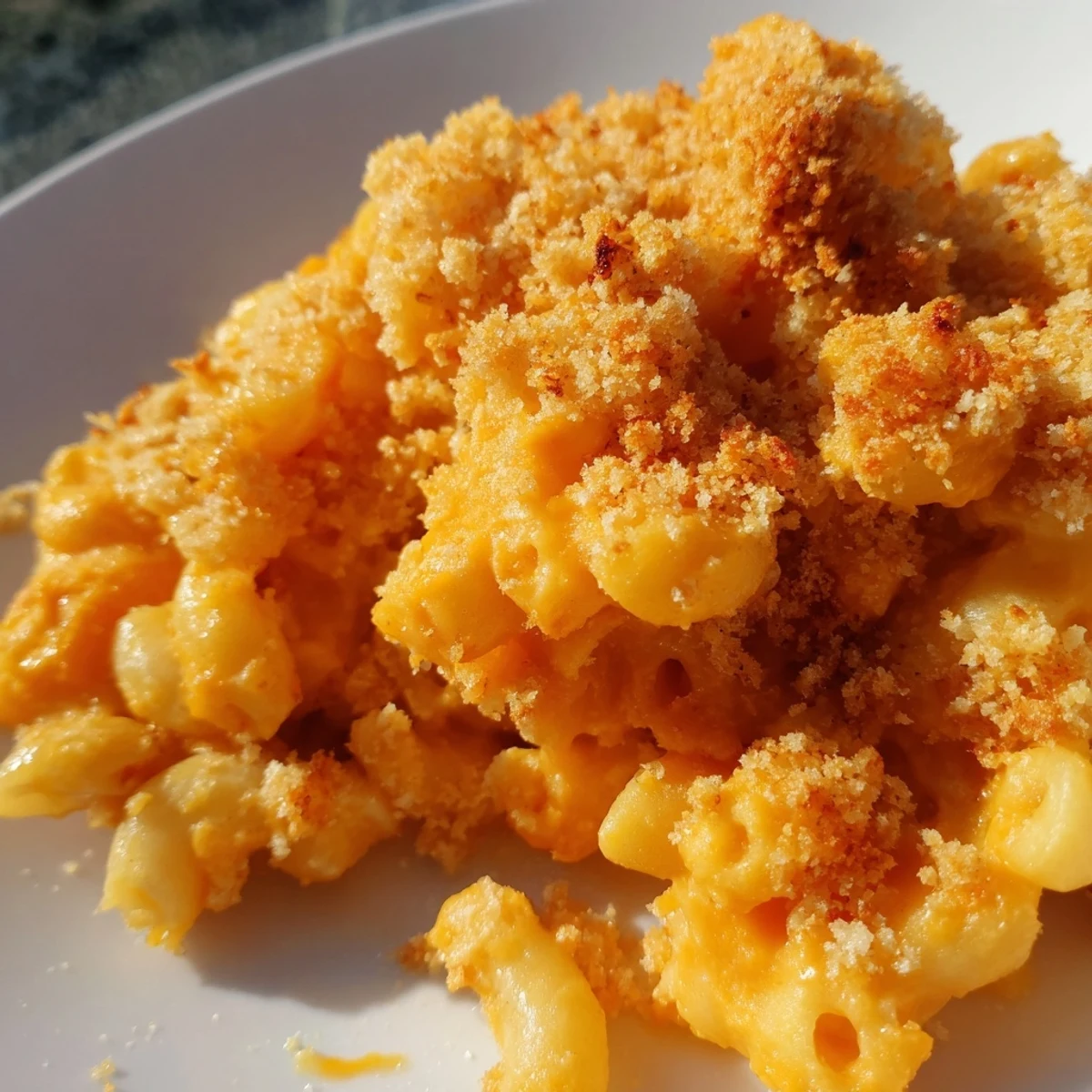
Save This dish combines roasted butternut squash with smooth, cheesy sauce and tender macaroni pasta. Squash is roasted until caramelized, then blended into a creamy cheese sauce enriched with cheddar and Parmesan. The mixture is combined with macaroni, topped with seasoned panko, and baked until bubbling and golden. It’s a rich, comforting meal perfect for easy preparation and satisfying flavors, enhanced by warm spices like nutmeg and mustard powder.
There's something about the smell of roasting butternut squash that fills a kitchen with instant comfort. I discovered this version on a chilly October afternoon when I had half a squash sitting on my counter and a sudden craving for macaroni cheese. The combination felt obvious once I started cooking, but the real magic happened when I blended that golden-roasted squash into the cheese sauce and realized I'd accidentally created something that tasted creamy, slightly sweet, and entirely craveable.
I made this for my sister who had just moved into her first apartment, and watching her face light up when she took that first bite made the whole thing worth it. She called it "the fanciest comfort food" and asked for the recipe before she'd even finished eating. That's when I knew this wasn't just a weeknight dinner—it was something special enough to share.
Ingredients
- Butternut squash: Choose one that feels heavy for its size; smaller squashes are easier to peel and tend to be sweeter than massive ones.
- Macaroni: Short, sturdy pasta shapes work best here because they hold the sauce beautifully and don't get lost in the creaminess.
- Butter and flour: This is your roux base, the foundation that turns milk into silky sauce; don't skip the cooking step or it tastes floury.
- Whole milk: Half-and-half works too if you want extra richness, but whole milk keeps the dish from feeling overwhelming.
- Mature cheddar and Parmesan: Aged cheeses have deeper flavor than mild ones; don't buy pre-shredded if you can help it because the anti-caking agents keep it from melting smoothly.
- Nutmeg, mustard powder, salt, and pepper: These seasonings wake up the squash and cheese rather than announcing themselves; the mustard powder especially adds a subtle savory note that makes people ask what your secret ingredient is.
- Panko and olive oil topping: This crunchy finish contrasts perfectly with the creamy pasta underneath and toasts to golden in just 15 minutes.
Instructions
- Roast the squash until it caramelizes:
- Cut your squash into even-sized cubes so they cook at the same rate, toss with just enough oil to coat, and don't crowd the pan. They should sizzle when they hit the tray and turn golden at the edges after 25 minutes.
- Cook the pasta to al dente:
- Set a timer so it doesn't turn to mush; you want a slight firmness in the center because it'll continue softening when it bakes. Drain it well but don't rinse it, since the starch helps the sauce cling.
- Build your sauce base:
- Watch the onion and garlic soften in the butter—they should smell sweet and smell gently golden, not brown. The flour gets stirred in for just a minute to cook out the raw taste before you start whisking in milk.
- Add the milk slowly and stir constantly:
- Pour it in a thin stream and keep whisking to prevent lumps; this takes patience but it's worth it. You'll feel the sauce thicken under your whisk when it's ready, usually around five minutes.
- Blend in the roasted squash:
- An immersion blender is easiest since you can blend right in the pan, but a regular blender works just as well; the squash should disappear completely and turn the sauce a beautiful pale orange. This is where the magic happens—the squash becomes the soul of the sauce.
- Season and finish the sauce:
- Stir in the cheeses and spices off the heat so they don't scramble, and taste before you stop; you want to taste a hint of nutmeg and mustard, not a wallop of them. The sauce should be silky and pour easily at this point.
- Combine and assemble:
- Stir the sauce and pasta together gently so every piece gets coated, then pour into your baking dish. Toss the panko with oil and Parmesan in a separate bowl—the oil helps it brown instead of staying pale.
- Bake until golden and bubbling:
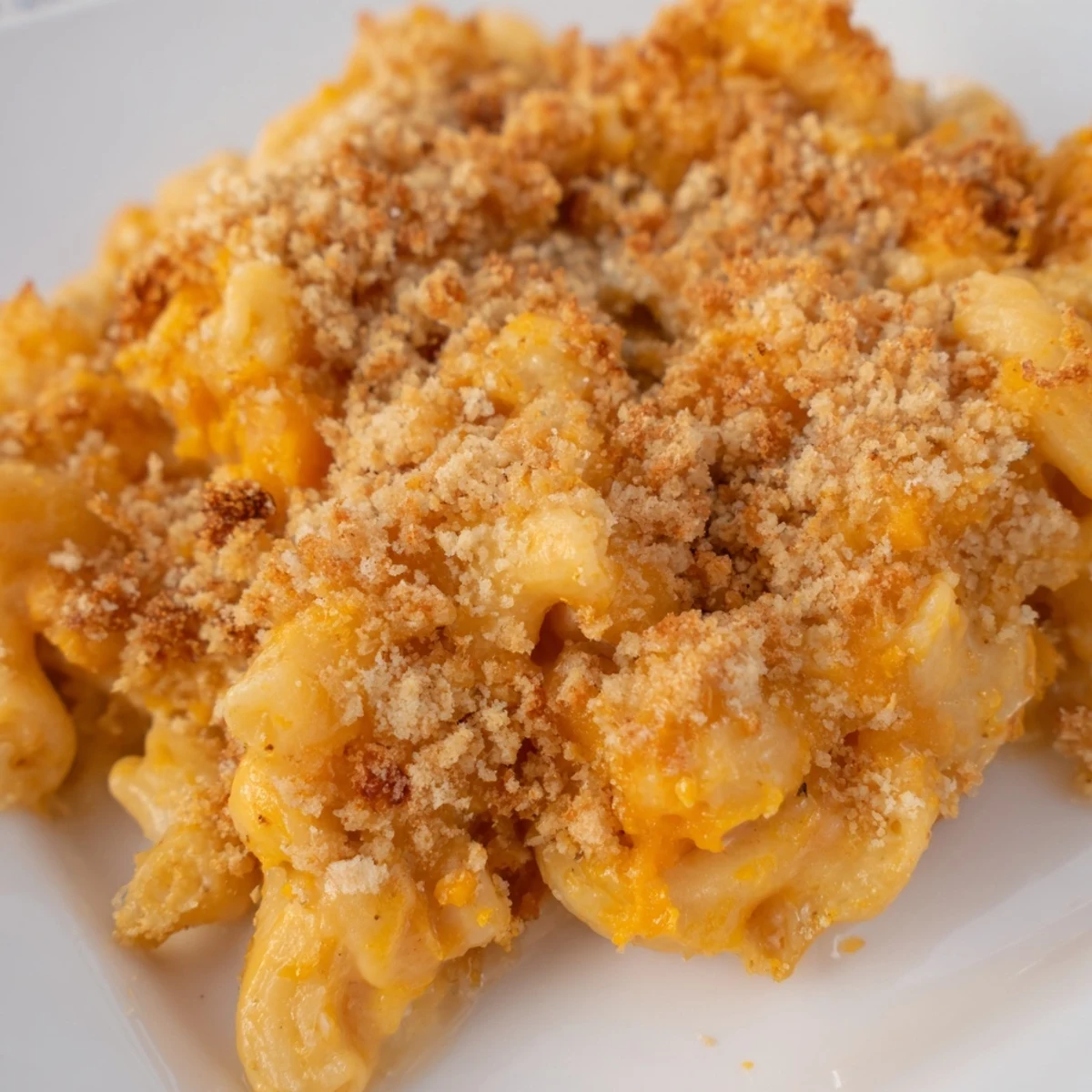
- You're looking for the topping to turn deep golden and the edges of the pasta to bubble up around the sides; this takes about 15 minutes. Let it rest for five minutes so it firms up enough to serve neatly.
 Save
Save The moment I understood why this dish worked was when my dad, who claims he doesn't like vegetables, ate nearly half the pan and asked for seconds without realizing he was basically eating a big bowl of squash. That's when I knew I'd figured out something true about cooking: sometimes the best vegetables are the ones nobody realizes they're eating.
Why Butternut Squash Changes Everything
Butternut squash has this incredible ability to dissolve into a sauce and make it taste like cream even though you're using a normal amount of dairy. The natural sweetness balances the sharpness of aged cheddar in a way that feels intentional rather than accidental. Once you understand this combination, you start seeing it everywhere, and you wonder why it took so long to try it.
The Cheese Question
People ask me if they can use only Parmesan or only cheddar, and the answer is yes, but you lose something important. Mature cheddar gives you punch and depth, while Parmesan adds a nutty complexity that keeps the sauce interesting on the back of your tongue. Together they taste bigger than either one alone, and that's the whole point of a good mac and cheese.
Make It Your Own
This recipe is a strong foundation, which means you can play with it without breaking anything. Some people add crispy sage or fresh thyme, others stir in roasted garlic or a pinch of smoked paprika. The important thing is knowing what you have in your kitchen and trusting your instincts.
- Spinach or steamed broccoli stirred in at the end adds color and nutrition without overwhelming the squash flavor.
- A dab of Dijon mustard whisked in with the sauce adds sophistication and sharpens the cheese flavor.
- Breadcrumbs mixed with crispy bacon and fresh parsley turn this into a side dish that steals the show at dinner parties.
 Save
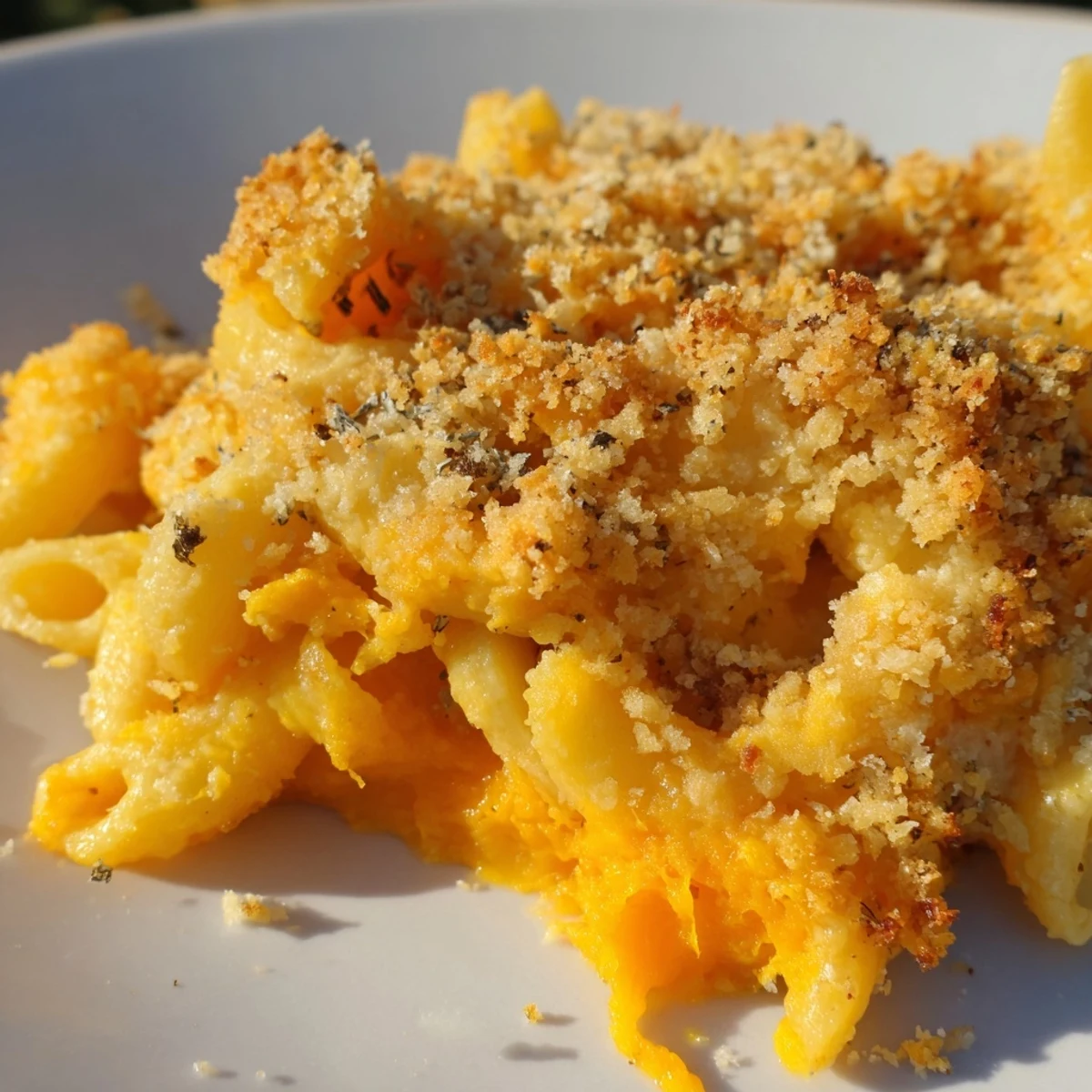
Save This is the kind of recipe that reminds you why cooking matters—it fills the house with warmth, brings people together, and tastes like someone actually cared. Make it once and it'll find its way back to your table again and again.
Recipe FAQs
- → How do you prepare the butternut squash for this dish?
-
Peel, seed, and cube the butternut squash, then roast it with olive oil, salt, and pepper until tender and lightly browned, which enhances its natural sweetness.
- → What cheese varieties are used in the sauce?
-
Mature cheddar and Parmesan cheeses provide a rich and savory flavor, melting smoothly into the creamy sauce.
- → Can this dish be adapted for gluten-free diets?
-
Yes, substitute regular pasta and breadcrumbs with gluten-free versions, and use a gluten-free flour blend for thickening the sauce.
- → What is the purpose of nutmeg and mustard powder in the sauce?
-
These spices add depth and a subtle warmth, enhancing the overall flavor without overpowering the creamy texture.
- → How should the dish be baked for best results?
-
After combining the pasta with the sauce, top with a blend of panko breadcrumbs, Parmesan, and olive oil, then bake until golden and bubbling for a crispy finish.
- → Can additional vegetables be added?
-
Steamed greens like broccoli or spinach can be stirred in to add freshness and extra nutrients.