
 Save
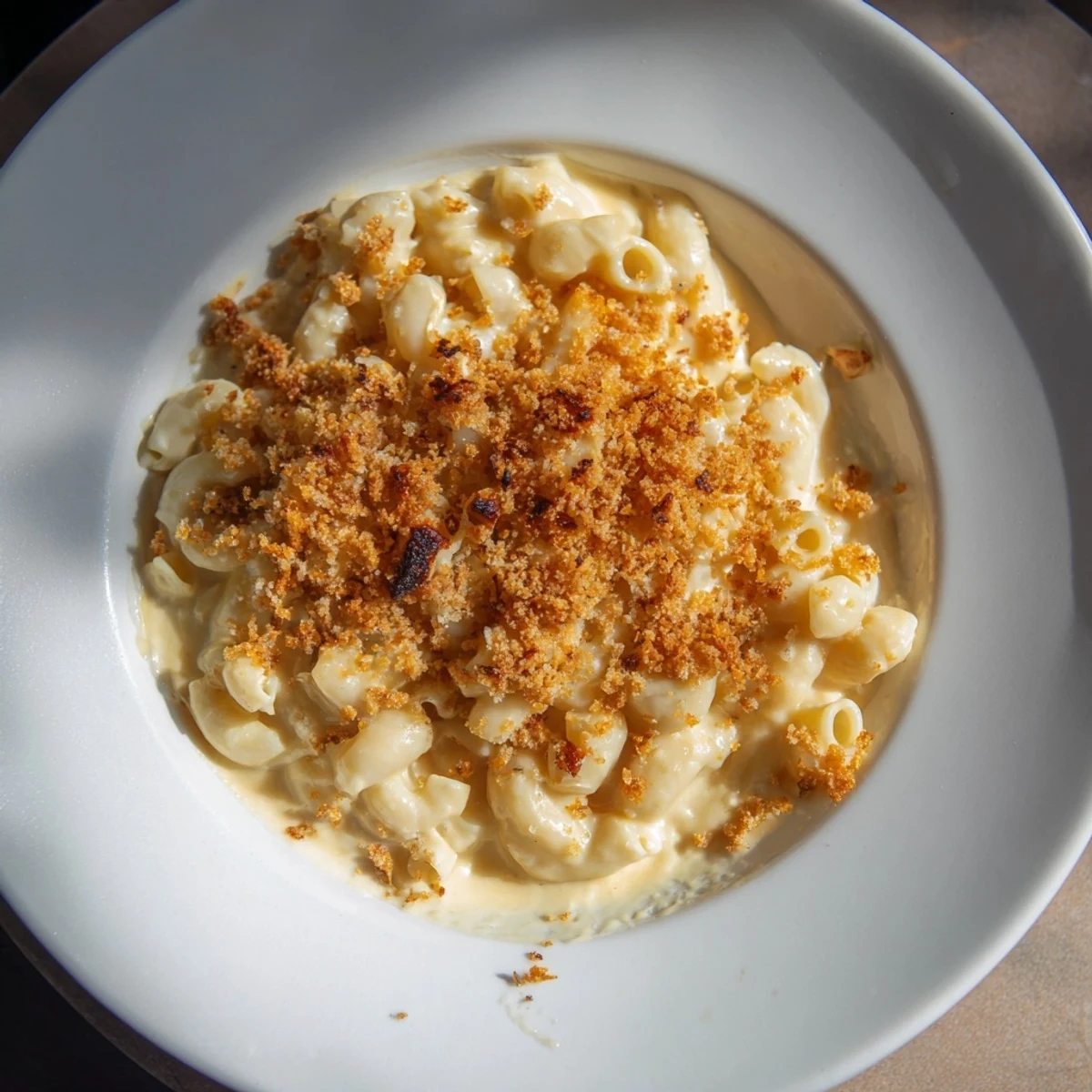
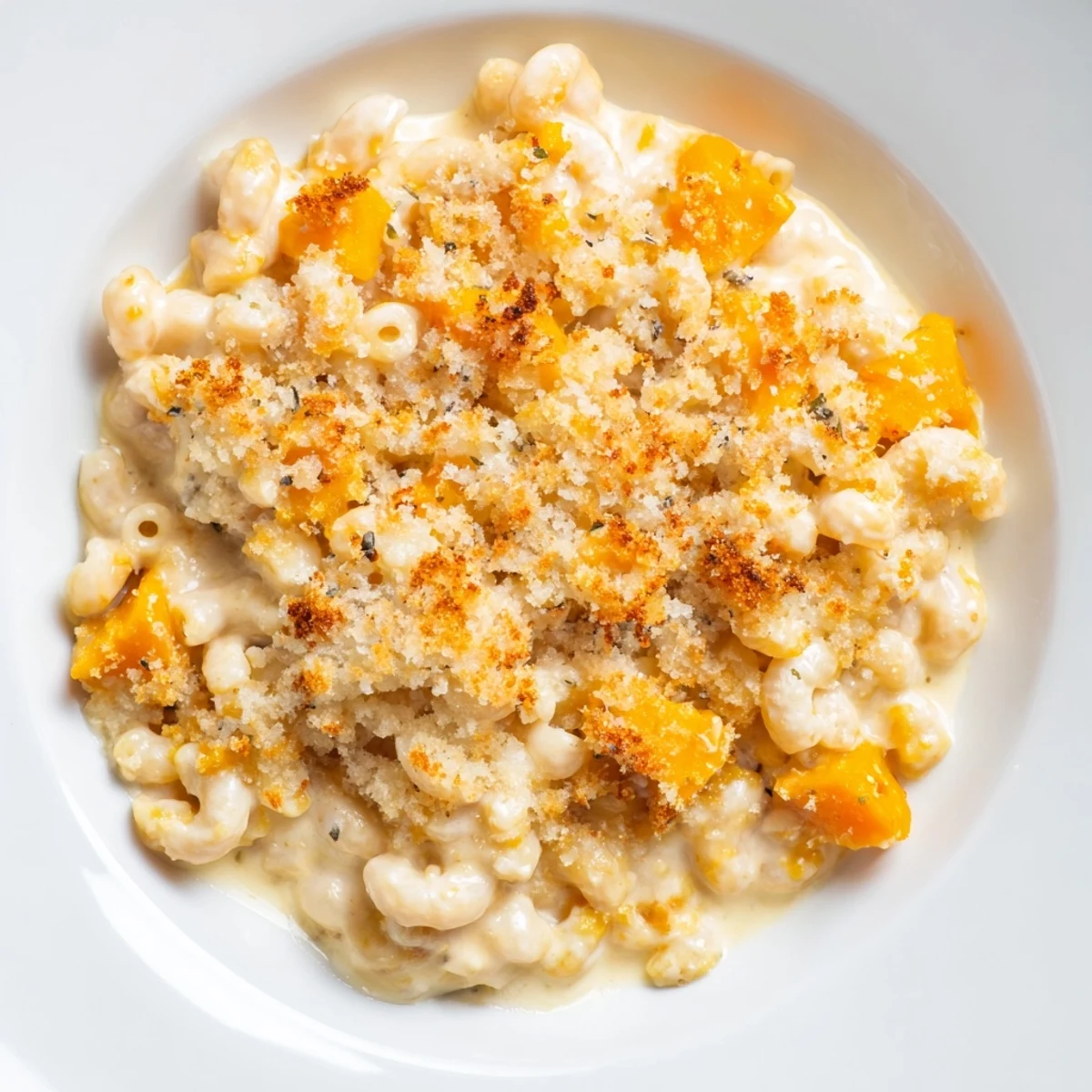
Save This comforting dish combines tender pasta with a smooth, roasted butternut squash sauce enriched by sharp cheddar, gruyère, and parmesan cheeses. Roasting the squash adds a natural sweetness and depth of flavor. A crunchy panko and parmesan topping is baked until golden, providing texture contrast. The sauce is thickened with a classic roux and flavored subtly with nutmeg and optional mustard powder. Ideal for easy weeknight meals, it balances creamy, cheesy richness with the nutrition of roasted squash, delivering warmth and satisfaction in each bite.
I still remember the autumn evening when my neighbor brought over a casserole dish of butternut squash mac and cheese, the golden cheese bubbling at the edges like liquid comfort. One bite and I was transported—it had all the creamy, dreamy satisfaction of the mac and cheese I grew up with, but with this subtle sweetness and earthiness that made it feel entirely new. I spent weeks trying to recreate it in my own kitchen, and this recipe is the result of those happy experiments.
I made this for my book club a few months ago, worried it might be too unusual for a crowd used to traditional sides. Instead, three people asked for the recipe before dessert was served, and someone came back the next week saying they'd already made it twice. That's when I knew this wasn't just comfort food—it was something special.
Ingredients
- 300 g elbow macaroni or short pasta: The shape matters more than you'd think—those little tubes catch the sauce and hold it like tiny treasures. I've learned that cooking it just shy of al dente keeps it from getting mushy when it bakes.
- 500 g butternut squash, peeled and cubed: This is your secret weapon. Roasting it caramelizes the edges and concentrates the sweetness. Don't skip the browning—that's where the real magic happens.
- 1 tbsp olive oil: Just enough to help the squash get golden and tender as it roasts.
- Salt and pepper: Season generously at every stage; your final dish depends on it.
- 2 tbsp unsalted butter: For your roux base—unsalted lets you control the salt level throughout.
- 2 tbsp all-purpose flour: Creates the roux that thickens everything into silky sauce.
- 500 ml whole milk: Whole milk makes a difference here; the fat content is what creates real creaminess.
- 120 g sharp cheddar cheese, grated: The backbone flavor. Sharp cheddar has tang that keeps everything from being one-note sweet.
- 60 g gruyère cheese, grated: This adds nuttiness and helps the sauce taste more refined and less like school lunch.
- 30 g parmesan cheese, grated: A little goes a long way toward depth and that umami quality you can't quite name but definitely taste.
- ½ tsp ground nutmeg: Just enough to complement the squash without announcing itself. This is the ingredient people taste but never identify.
- ½ tsp mustard powder (optional): If you use it, it brightens everything—adds a little sophistication without mustard flavor.
- 40 g panko breadcrumbs: For that crucial textural contrast on top. Regular breadcrumbs pack too tight.
- 1 tbsp melted butter: What makes the breadcrumb topping golden instead of pale.
- 2 tbsp grated parmesan cheese: For the topping, because crispy cheese edges are non-negotiable.
Instructions
- Get your oven ready and prep the squash:
- Set your oven to 200°C (400°F) and line a baking tray with parchment paper. Toss your butternut squash cubes with olive oil, salt, and pepper—use your hands and really make sure everything gets coated. Spread them in a single layer on the tray. This is important: don't crowd the pan. They need room to roast and caramelize, not steam.
- Roast until caramelized:
- Pop the tray in the oven for 20–25 minutes. You're looking for the edges to turn deep golden-brown and a fork to slide through easily. You'll smell something incredible when it's done. Let it cool for just a minute or two while you move on.
- Cook the pasta:
- Bring a large pot of salted water to a boil—salt it like seawater, not the ocean itself, but generously. Add your pasta and cook just until al dente, following the package directions but checking it a minute early. It'll finish cooking slightly in the oven. Drain and set aside.
- Make the butternut puree:
- Scoop your roasted squash into a blender or food processor and add a splash of milk. Blend until completely smooth. This is what transforms the dish from just mac and cheese with squash into something genuinely creamy and integrated.
- Build your roux:
- In a large saucepan over medium heat, melt the butter. Once it's foaming, add the flour and whisk constantly for 1–2 minutes. You're looking for it to smell a little nutty, not raw and floury. This is your foundation.
- Add the milk slowly:
- Here's where patience pays off. Pour the milk in gradually while whisking constantly. If you rush this, you'll get lumps. Keep whisking until it's smooth and starting to thicken, about 5 minutes. The sauce should coat the back of a spoon.
- Bring it all together:
- Stir in the butternut puree, then add all three cheeses: the sharp cheddar, gruyère, and parmesan. Add the nutmeg and mustard powder if you're using it. Stir gently until the cheeses have melted and everything is smooth. Taste it. Adjust salt and pepper. This is your moment to get it perfect.
- Combine pasta and sauce:
- Add the cooked pasta to the cheese sauce and fold everything together gently but thoroughly. Every piece should be coated.
- Transfer to baking dish:
- Pour the whole thing into a greased baking dish. It might look loose, but it'll come together.
- Make the topping:
- In a small bowl, combine the panko breadcrumbs, melted butter, and parmesan cheese. Mix with your fingers until the breadcrumbs are moistened and starting to clump slightly. This is what gives you those golden, crispy bits.
- Top and bake:
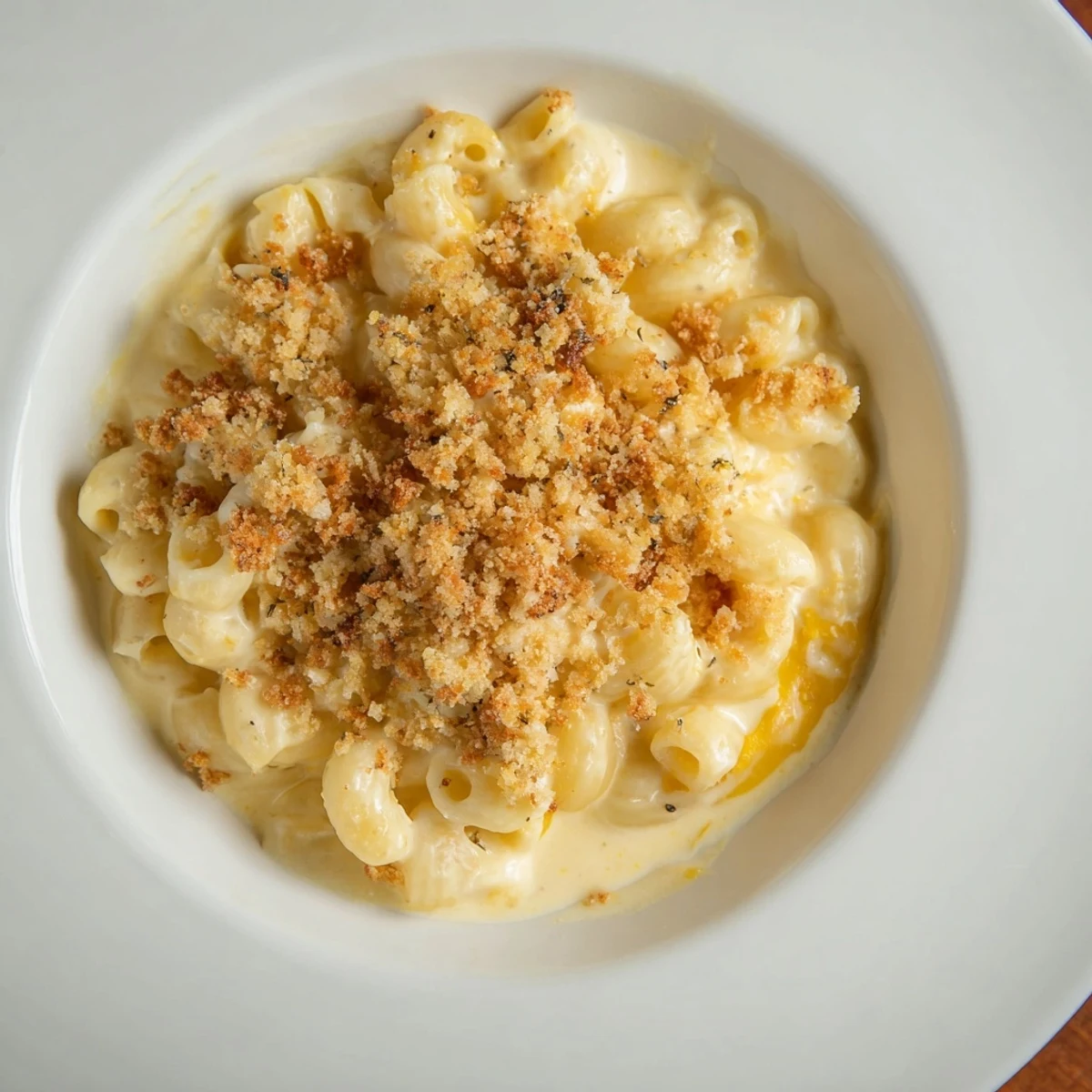
- Sprinkle the breadcrumb mixture evenly over the pasta. Bake at 200°C (400°F) for 15 minutes or until the top is golden and the edges are bubbling. Let it cool for 5 minutes before serving—this lets everything set so you get clean portions.
 Save
Save What I love most about this dish is how it brings people together without pretense. It's humble, it's elegant, and somehow it tastes like home no matter whose kitchen you're in.
Why This Recipe Works
The secret to this mac and cheese is the combination of roasted squash—which adds both creaminess and subtle sweetness—with three different cheeses that build layers of flavor. The sharp cheddar gives it backbone, the gruyère adds sophistication, and the parmesan brings umami depth. Roasting the squash first concentrates its flavors and ensures the sauce is silky without needing heavy cream. The nutmeg is barely perceptible but essential; it echoes the squash and makes the whole dish taste more refined than you'd expect from something so comforting.
Customization Ideas
This recipe is flexible enough to adapt to what you have on hand and what you're craving. Swap gruyère for mozzarella if you want something milder and less nutty, though you'll lose some of that sophisticated edge. Add a handful of sautéed spinach or fresh peas stirred in with the pasta for extra vegetables—they'll soften slightly in the heat and add color and nutrition without overwhelming the flavor. If you're cooking for someone with gluten concerns, use gluten-free pasta and gluten-free flour in your roux, and the dish comes together exactly the same. Some people like to add crispy bacon bits or sautéed mushrooms for depth, and both work beautifully. The core is forgiving.
Pairing and Serving
This is filling enough to be a main dish on its own, but it also pairs beautifully with simple sides. A crisp white wine like Chardonnay brings out the sweetness of the squash and cuts through the richness of the cheese. A simple green salad with sharp vinaigrette provides textural contrast. Some crusty bread for mopping up every last bit is never wasted. If you're making this for a group, you can assemble it earlier in the day and bake it just before serving—add 5 extra minutes to the baking time if it's come straight from the refrigerator.
- Let the baked dish rest for 5 minutes before serving so it holds together beautifully on the plate
- Leftover mac and cheese keeps in the refrigerator for up to 4 days and reheats gently in a 160°C oven covered with foil
- If you're doubling the recipe, keep the oven temperature the same but add 5–10 minutes to the final baking time
 Save
Save This butternut mac and cheese has become my go-to dish when I want to feed people something they'll remember. It's proof that the best food comes from the simplest ingredients treated with care and a little imagination.
Recipe FAQs
- → How do I roast the butternut squash for best flavor?
-
Cut the squash into cubes, toss with olive oil, salt, and pepper, then roast at 200°C (400°F) for 20-25 minutes until caramelized and tender.
- → Can I use different pasta shapes with this dish?
-
Yes, elbow macaroni or any short pasta hold the sauce well, but shells or cavatappi can also work beautifully.
- → What cheeses enhance the sauce’s flavor?
-
A blend of sharp cheddar, gruyère, and parmesan offers a balanced sharpness and creamy melt that complements the squash.
- → How do I get the sauce thick and creamy without lumps?
-
Make a roux by whisking butter and flour until smooth, then slowly add milk while whisking constantly to avoid lumps before mixing in the squash puree.
- → Are there options to make this dish gluten-free?
-
Use gluten-free pasta and substitute the all-purpose flour in the roux with a gluten-free flour blend to keep the sauce thickened.