
 Save
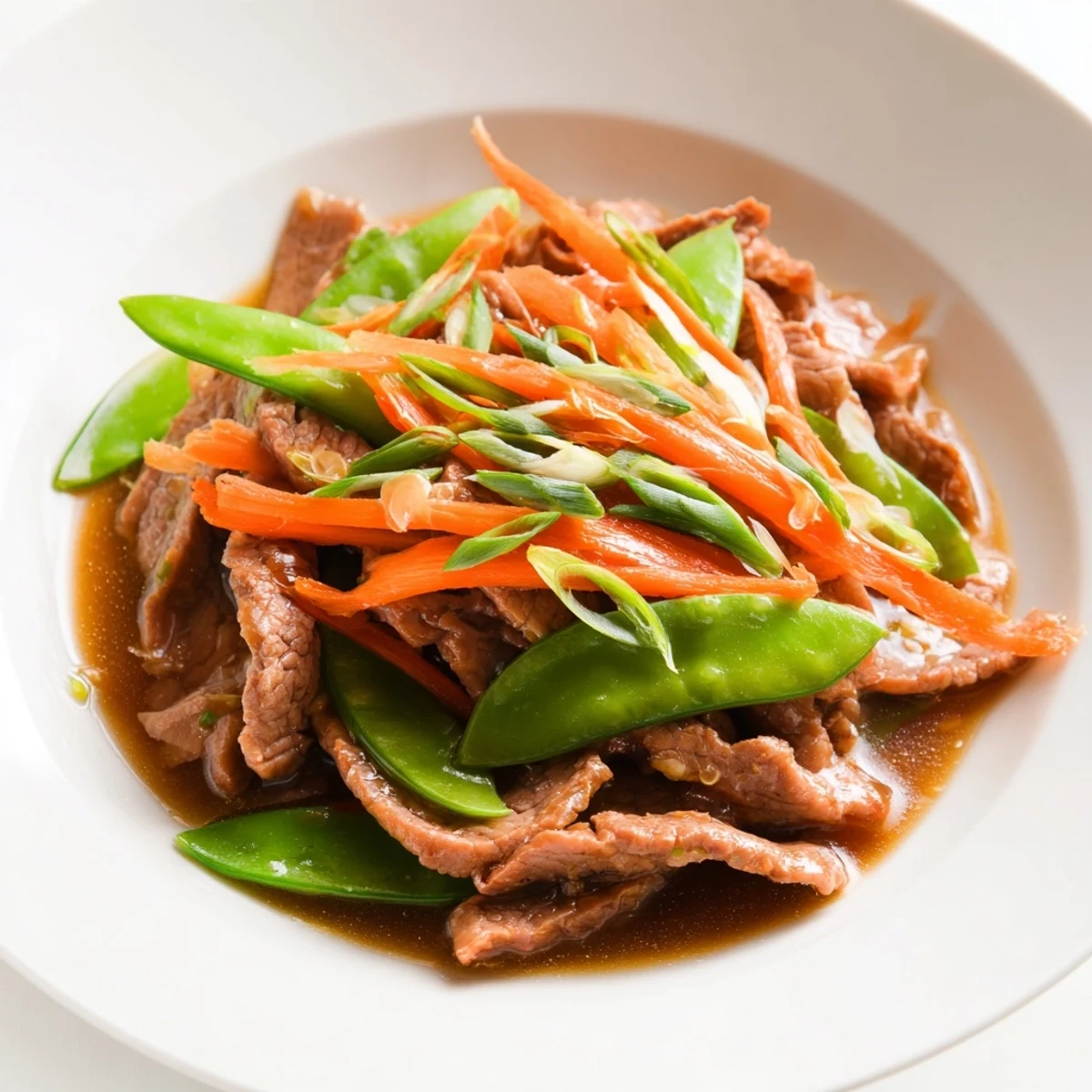
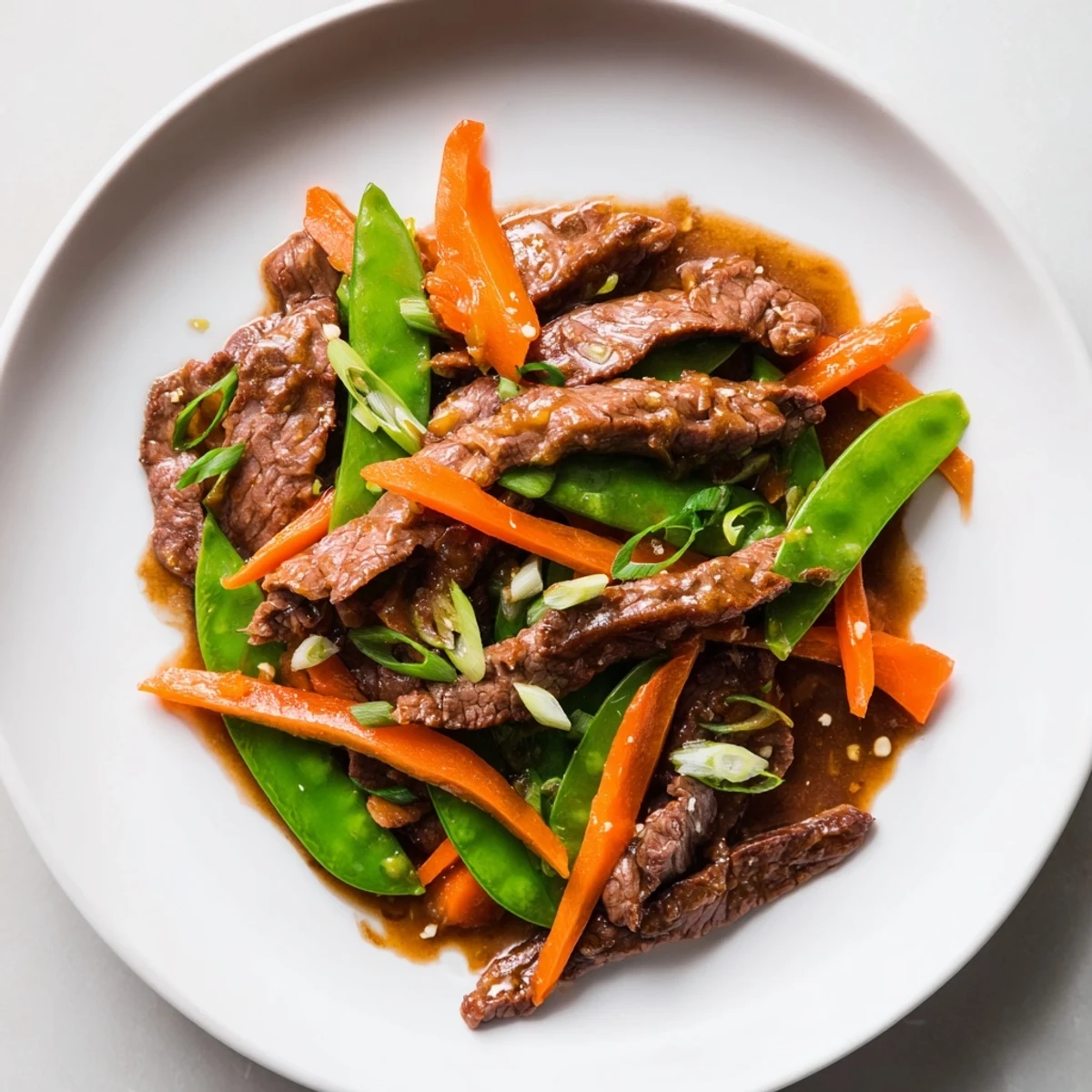
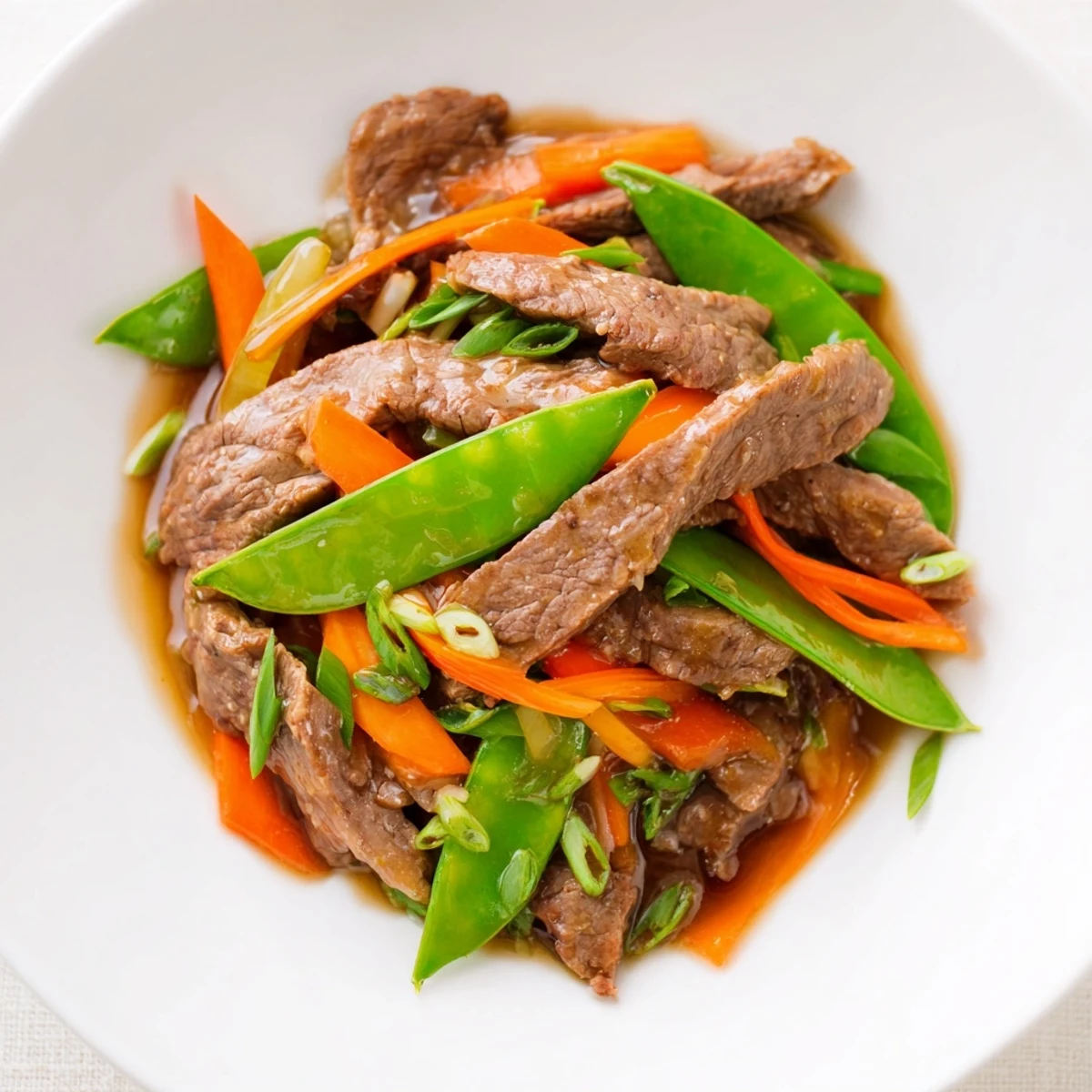
Save This vibrant dish combines thinly sliced beef with crisp snow peas and julienned carrots, all stir-fried in a fragrant soy-based sauce. The beef is marinated for tenderness while garlic, ginger, and spring onions add aromatic depth. Quick to prepare and packed with flavor, this meal suits weeknight cooking and offers flexibility with protein choices and seasoning. Serve it hot with steamed rice for a balanced and satisfying dinner.
I threw this together on a Tuesday night when the fridge was nearly empty and my energy was even lower. The sizzle of beef hitting hot oil snapped me awake, and suddenly I was standing over the wok, watching snow peas turn impossibly green in seconds. That fast transformation became my favorite part.
My neighbor knocked on the door halfway through cooking, drawn by the smell of garlic and ginger drifting down the hallway. I plated an extra serving and we ate standing at the counter, laughing about how something this simple could smell so complex. Shes asked for it three times since.
Ingredients
- Flank steak or sirloin: Slice it thin against the grain or it will chew like rubber, a mistake I only made once.
- Soy sauce: The backbone of the marinade and sauce, salty and deep in a way that ties everything together.
- Cornstarch: This thickens the sauce and gives the beef a slight velvet coating that keeps it tender.
- Sesame oil: Just a teaspoon adds a toasted, nutty warmth you can smell the moment it hits the bowl.
- Snow peas: Trim the ends and theyll cook in under two minutes, staying sweet and snappy.
- Carrots: Julienne them thin so they soften quickly without losing their bite.
- Spring onions: I separate the white and green parts because the whites need heat to mellow, the greens are best raw and bright on top.
- Garlic and ginger: Fresh is everything here, the fragrance when they hit the oil is half the magic.
- Oyster sauce: It brings a savory sweetness that soy sauce alone cant deliver.
- Hoisin sauce: A little sweet, a little funky, it rounds out the sauce beautifully.
- Rice vinegar: A splash cuts through the richness and brightens every bite.
- Sugar: Balances the salty and sour without making it taste like dessert.
- Black pepper: Freshly ground adds a gentle heat that lingers just enough.
- Vegetable oil: High smoke point means you can crank the heat without burning anything.
Instructions
- Marinate the beef:
- Toss the sliced beef with soy sauce, cornstarch, and sesame oil in a bowl. Let it sit for ten minutes while you prep everything else, the cornstarch will cling and create a tender crust when seared.
- Mix the sauce:
- Whisk together soy sauce, oyster sauce, hoisin, rice vinegar, water, sugar, and black pepper in a small bowl. Set it within arms reach of the stove.
- Sear the beef:
- Heat one tablespoon of oil in a wok over high heat until it shimmers. Add the beef in a single layer and let it sear for one to two minutes per side until browned, then remove to a plate.
- Cook the aromatics:
- Add the remaining oil to the wok and toss in garlic, ginger, and the white parts of the spring onions. Stir for thirty seconds until the kitchen smells incredible.
- Stir-fry the vegetables:
- Add the carrots and stir-fry for two minutes, then toss in the snow peas and cook for another one to two minutes. They should still have a crisp snap.
- Finish and sauce:
- Return the beef to the wok and pour in the sauce. Toss everything together and stir-fry for one to two minutes until the sauce thickens and coats every piece, the beef should be just cooked through.
- Garnish and serve:
- Scatter the green parts of the spring onions over the top. Serve immediately over steamed rice while its still steaming hot.
 Save
Save The first time I made this for my sister, she went quiet after the first bite and just nodded. Later she texted asking for the recipe, which is her version of a standing ovation. Now its what I make when I want to feel capable on a hard day.
How to Slice Beef for Stir-Fry
Freeze the beef for fifteen minutes before slicing, it firms up just enough to cut clean, thin strips. Look for the direction of the muscle fibers and slice perpendicular to them, cutting against the grain shortens the fibers and makes every bite tender instead of chewy.
Variations and Swaps
Swap the beef for chicken thighs or firm tofu if you want a lighter or vegetarian version. Add a pinch of red pepper flakes or drizzle chili oil over the top if you like heat, I do this every time now and cant go back. Use tamari instead of soy sauce and check your oyster sauce label if you need it gluten-free.
Serving and Storage
This is best eaten the moment it comes off the heat, the vegetables lose their snap after sitting too long. If you do have leftovers, store them in an airtight container in the fridge for up to two days and reheat quickly in a hot wok, not the microwave.
- Serve over jasmine rice, brown rice, or rice noodles for a complete meal.
- Pair with a simple cucumber salad or pickled vegetables on the side.
- Double the sauce if you like things extra saucy, I always do.
 Save
Save This dish taught me that speed and heat are just as important as the ingredients themselves. I hope it becomes your answer to tired weeknights, too.
Recipe FAQs
- → How do I keep the beef tender in this stir fry?
-
Marinate the beef with soy sauce, cornstarch, and sesame oil for about 10 minutes before cooking. This helps to tenderize and lock in moisture during stir-frying.
- → Can I use other vegetables besides snow peas and carrots?
-
Yes, vegetables like bell peppers, snap peas, or broccoli can be used to add variety while keeping the dish vibrant and crunchy.
- → What oil is best for stir frying this dish?
-
Vegetable oil or any high smoke point oil like peanut or canola oil works best to quickly cook and sear the ingredients without burning.
- → How do I achieve a flavorful sauce without overpowering the vegetables?
-
Mixing soy sauce, oyster sauce, hoisin, rice vinegar, and a touch of sugar balances savory, sweet, and tangy notes that complement but don’t overshadow the fresh vegetables.
- → Is there a gluten-free option for the sauce?
-
Use tamari instead of soy sauce and substitute vegetarian oyster sauce alternatives to keep the dish gluten-free while maintaining rich flavors.