
 Save
Save This rich beef sauce uses a blend of beef stock, butter, and flour to create a smooth, flavorful pour for roast meats and sides. Onions, garlic, and Worcestershire sauce add depth, while optional mustard and parsley enhance freshness. Simmered gently then strained, it offers a velvety texture that complements classic British dishes. Gluten-free tweaks and wine additions provide flexibility for varied tastes.
I'll never forget the first time I made proper beef gravy from scratch at my grandmother's kitchen table. She was teaching me to cook a Sunday roast, and while the beef rested, she handed me a wooden spoon and whispered that the gravy was where the magic happened. That rich, glossy sauce that catches every drop of meat juices and transforms simple potatoes into something transcendent—it became my favorite part of cooking. Now, whenever I make this gravy, I'm right back there, learning that patience and attention matter more than fancy ingredients.
I remember serving this gravy to my partner's family at our first holiday dinner together. When his mother asked for the recipe, I realized I'd crossed from being just a good cook to someone people actually wanted to learn from. That moment, when gravy became a conversation starter, taught me that sometimes the smallest things carry the most meaning.
Ingredients
- Beef stock (2 cups): Use low-sodium so you can control the saltiness yourself. I learned this the hard way after oversalting a batch. Good quality stock makes all the difference—it should smell like real beef, not bouillon.
- Beef fat or unsalted butter (2 tbsp): Beef fat gives you that authentic richness, but butter works beautifully too. The key is having enough fat to carry all those deep flavors.
- All-purpose flour (1 tbsp): This is your thickening agent, and measuring it properly prevents lumpy gravy. Toast it briefly in the fat before adding liquid for a richer taste.
- Small onion, finely chopped (1): The smaller you chop it, the better it blends into the gravy and disappears into silky smoothness.
- Garlic clove, minced (1): Just one clove keeps this subtle—you want beef and savory notes, not a garlicky punch.
- Worcestershire sauce (1 tsp): This is your secret weapon. It adds umami depth without tasting like anything specific.
- Freshly ground black pepper (1/2 tsp): Freshly ground makes an enormous difference. Store-bought loses its bite over time.
- Salt: Always taste as you go. What works depends on how salty your stock is.
- Dijon mustard (1 tsp, optional): A small amount adds sophistication and helps balance the richness.
- Fresh parsley, chopped (1 tbsp, optional): A handful at the end brightens everything and makes it look restaurant-quality.
Instructions
- Heat your fat gently:
- In a medium saucepan, melt the beef fat or butter over medium heat. You want it foamy and warm, not sizzling. This takes about a minute, and patience here prevents burning.
- Soften the onion:
- Add your finely chopped onion and let it cook undisturbed for about a minute. Then stir it occasionally for another 3–4 minutes until it turns translucent and sweet. You'll know it's ready when it smells caramelized and looks almost glossy.
- Wake up the garlic:
- Add your minced garlic and stir constantly for just 30 seconds. This prevents it from browning too much while releasing all its fragrance into your fat.
- Build your roux:
- Sprinkle the flour over your onion mixture and stir constantly for about 2 minutes. The flour will toast slightly and smell a bit nutty—this is exactly what you want. It changes the raw flour taste into something deeper.
- Whisk in the stock slowly:
- Pour in your beef stock gradually while whisking constantly. This is the secret to avoiding lumps. If you dump it all at once, you'll regret it. Work steadily, and you'll see the sauce transform into something glossy and smooth.
- Season and simmer:
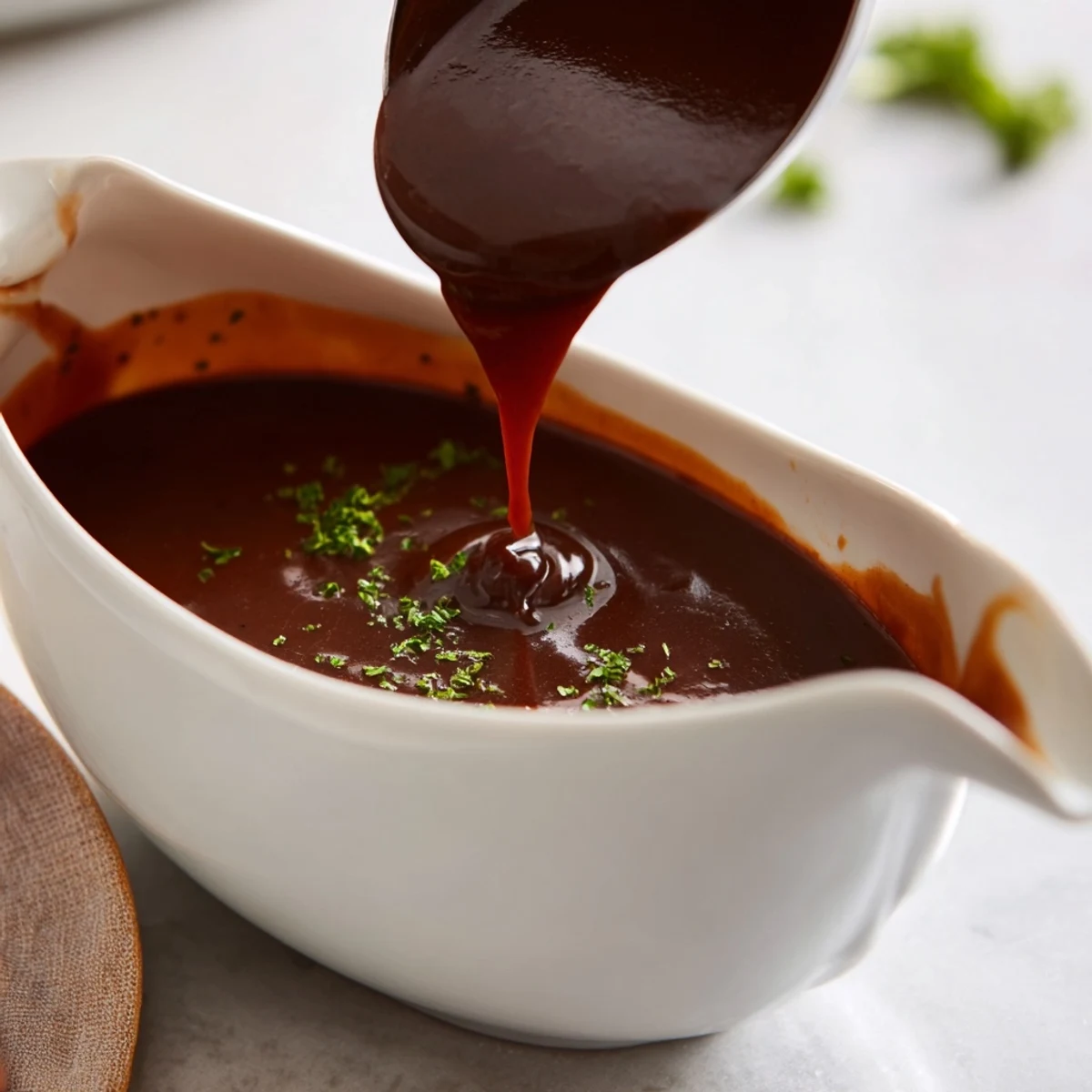
- Add your Worcestershire sauce, black pepper, and a pinch of salt. Bring everything to a gentle simmer, then reduce the heat. You're looking for tiny bubbles breaking the surface, not a rolling boil. Simmer for 10–15 minutes, stirring occasionally, until the gravy coats the back of a spoon.
- Finish with refinement:
- If using them, stir in the Dijon mustard and fresh parsley at the very end, just before serving. The mustard adds sophistication, and the parsley adds a fresh pop of color.
- Strain if you prefer:
- If you want silky perfection, pour the gravy through a fine mesh sieve into a serving bowl. This catches any small bits and gives you restaurant-quality smoothness. I usually skip this step when cooking for family—the texture feels more honest.
 Save
Save There was a moment during a winter dinner party when someone asked me to make extra gravy. I stood there with everyone watching, and instead of feeling nervous, I felt calm. That's when I understood that cooking these small, perfect things—gravy, a roast, good bread—is how we say 'I care about you' without words.
Variations and Flavor Builds
This basic gravy is a canvas for creativity. For a richer version, add a splash of red wine to the onions before you add the stock—let it bubble for a minute so the alcohol cooks off but the flavor stays. For something more refined, whisk in a teaspoon of whole grain mustard instead of Dijon. I've also added a pinch of fresh thyme or a dash of balsamic vinegar when I wanted something unexpected. The beauty of understanding this technique is knowing you can play with it.
When You Have Meat Drippings
If you've just roasted beef and have those precious pan drippings, you're in luck. After your roast rests, pour most of the fat into a measuring cup (saving about 2 tablespoons). Deglaze that roasting pan with a splash of beef stock, scraping up all the brown bits stuck to the bottom—that's pure flavor gold. Use that liquid instead of plain stock, and you've just elevated everything. This is the real secret to gravy that tastes like it belongs on a proper Sunday table.
Troubleshooting and Serving
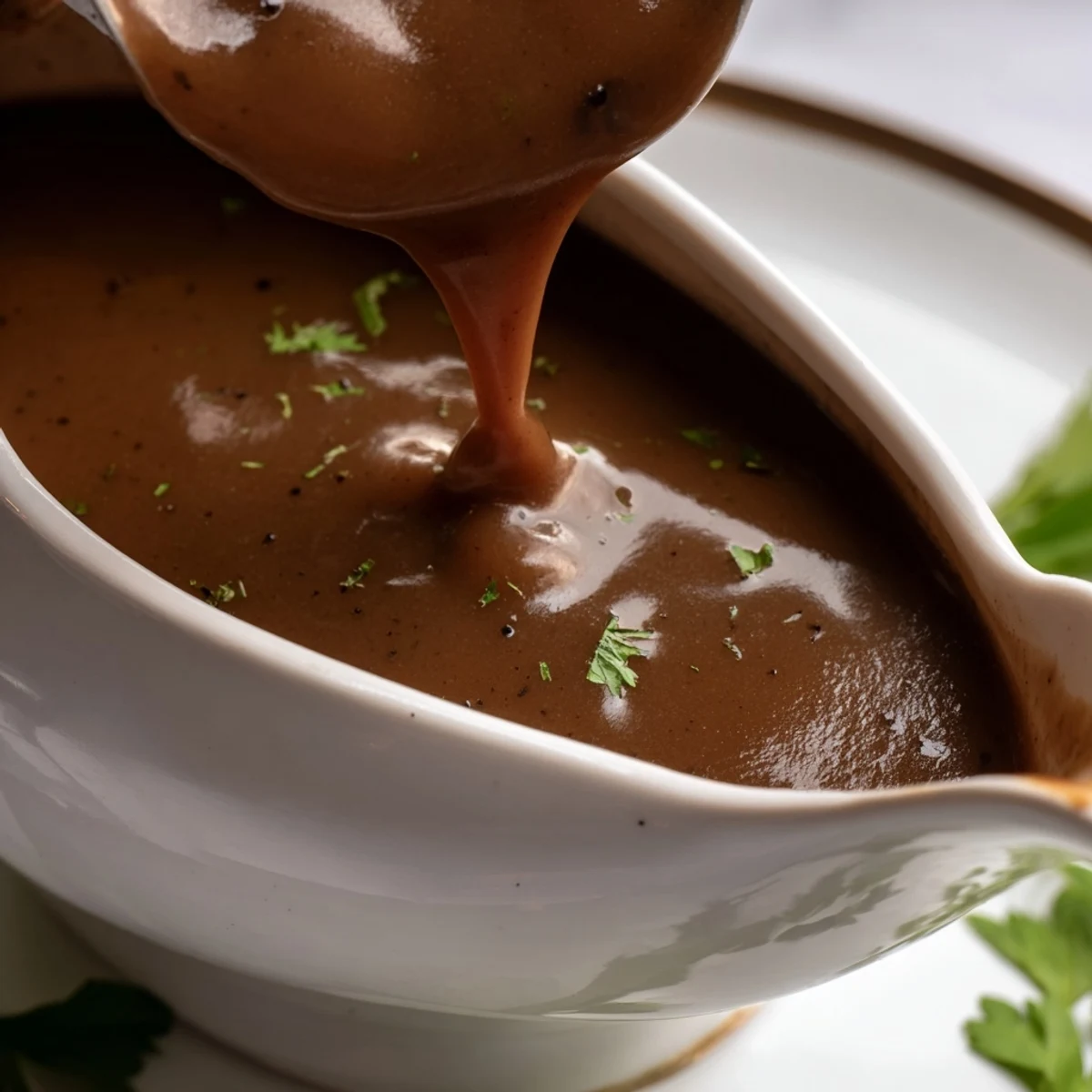
Sometimes gravy seems too thin even after simmering. If this happens, make a little slurry by mixing a teaspoon of cornstarch or flour with cold water, then whisk it in while the gravy simmers. Other times it's too thick—just add a splash of warm stock and stir. The perfect gravy should coat a spoon but still flow. Serve it hot, always in a warmed gravy boat if you have one, and remember that making someone homemade gravy is an act of love.
- If you need gluten-free gravy, substitute cornstarch for flour at a 1:1 ratio, mixing it with cold water first before adding to avoid lumps
- Make extra and freeze it in ice cube trays for those nights when you want roasted chicken or vegetables but don't have time to make gravy
- A little splash of balsamic vinegar at the very end adds complexity without anyone knowing exactly what makes it taste so good
 Save
Save Making this gravy reminds me why I love cooking. It's simple, honest, and when done right, absolutely transforms everything it touches. I hope it becomes as special in your kitchen as it is in mine.
Recipe FAQs
- → How do I thicken the beef gravy without flour?
-
Substitute cornstarch mixed with cold water and whisk it gradually into simmering stock for a gluten-free thickener.
- → What gives the gravy its rich flavor?
-
Beef fat or unsalted butter combined with browned onions and garlic create a deep, savory base enriched by Worcestershire sauce.
- → Can I prepare the gravy ahead of time?
-
Yes, make it in advance and gently reheat while stirring to maintain smooth texture before serving.
- → What dishes pair best with this sauce?
-
This sauce complements roast beef, mashed potatoes, and Yorkshire pudding exceptionally well.
- → How can I add extra flavor to this gravy?
-
Stir a splash of red wine during simmering or add Dijon mustard and fresh parsley just before serving for bright notes.