
 Save
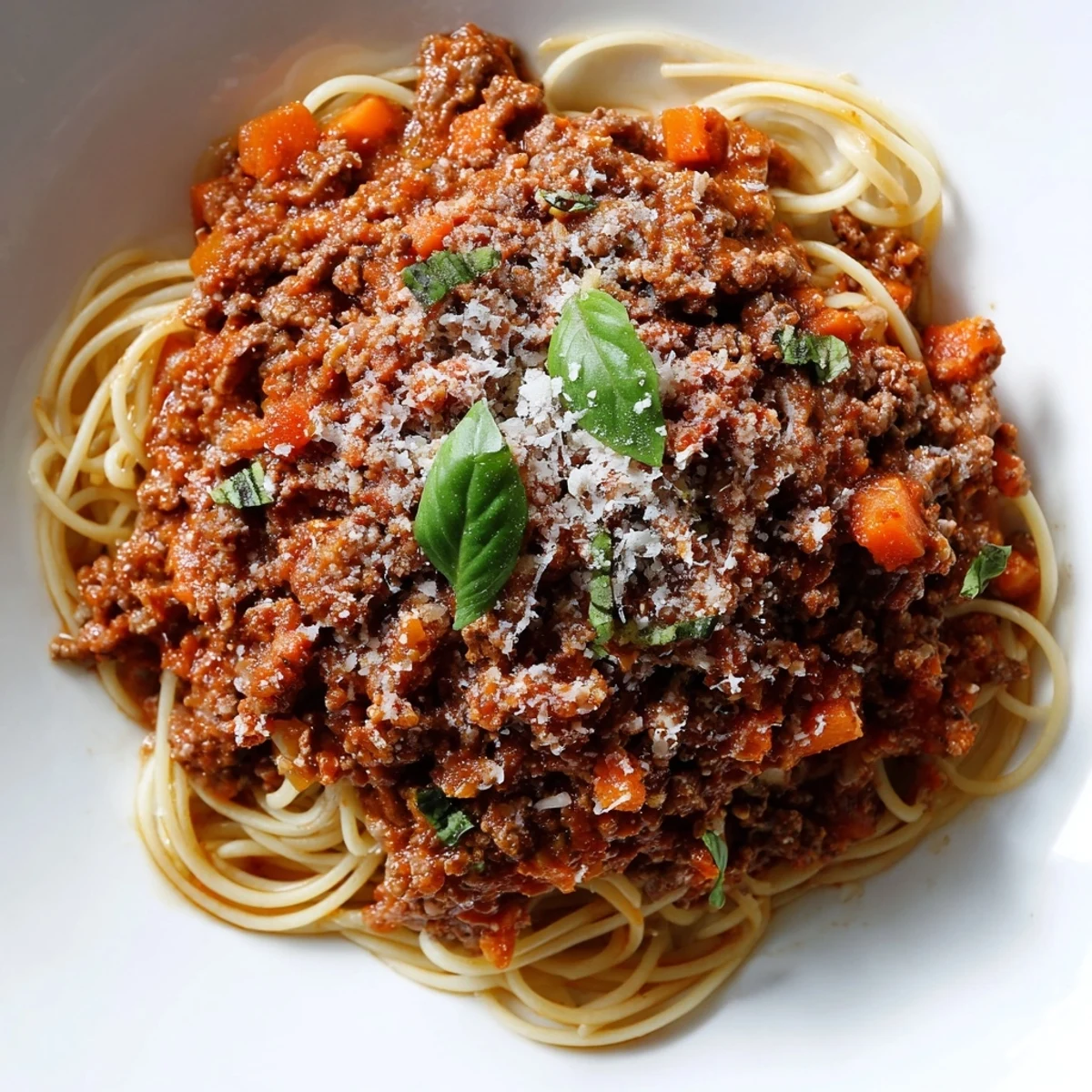
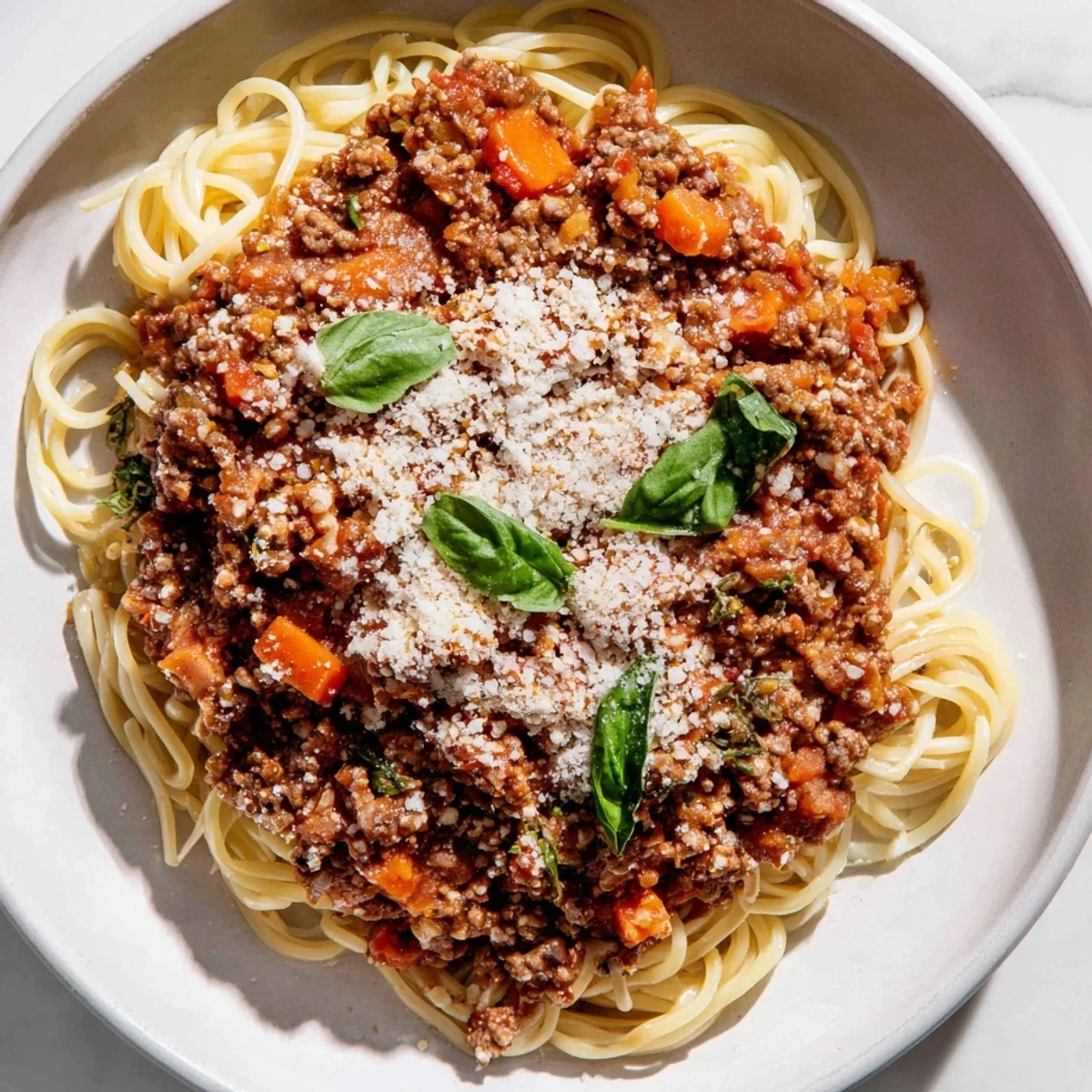
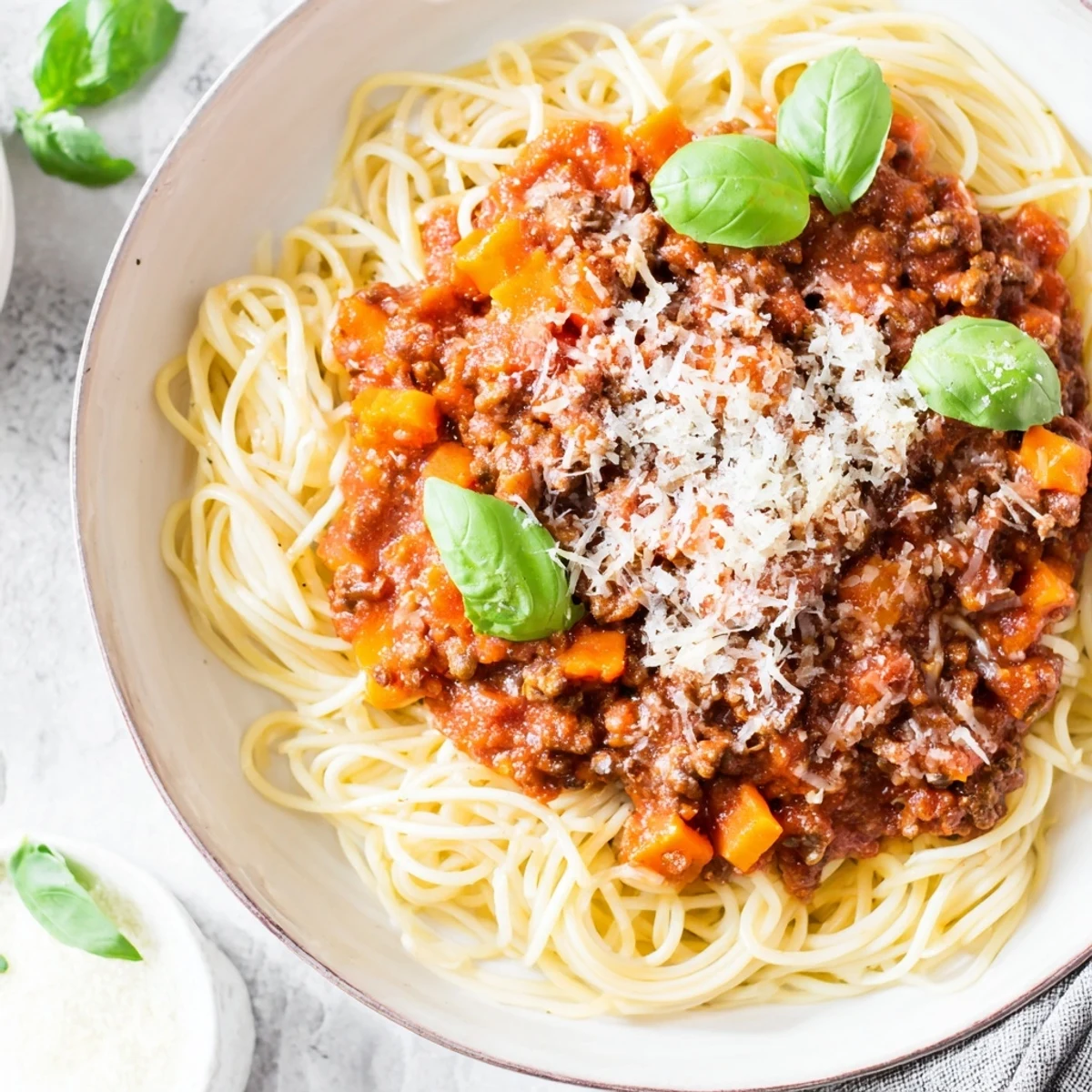
Save This dish features ground beef slowly simmered with aromatic vegetables, crushed tomatoes, and herbs until thick and flavorful. The sauce is enriched with milk for creaminess and paired with al dente spaghetti for a comforting Italian classic. Garlic, red wine, and a blend of seasonings deepen the robust taste. Perfectly balanced and hearty, this dish warms the soul and satisfies appetites.
The first time I smelled a proper Bolognese simmering, I was standing in a cramped Milan apartment kitchen where my host had forgotten I was vegetarian. Three hours later, I was eating seconds. That sauce taught me that patience transforms humble ingredients into something you remember years later.
I once made this for friends who arrived two hours late. The sauce waited patiently, growing richer and deeper, and nobody complained about the delay once they tasted it. Some dishes reward your flexibility rather than punish it.
Ingredients
- Ground beef: The 80/20 ratio keeps the sauce moist without becoming greasy; leaner beef turns disappointingly dry during long simmers.
- Onion, carrot, celery: The soffritto base provides sweetness and depth; dice them small so they melt into the sauce rather than remaining chunky.
- Garlic: Added after the vegetables soften to prevent burning, which creates bitterness that no amount of simmering can fix.
- Canned crushed tomatoes: Quality matters here; San Marzano tomatoes if your budget allows, but any good brand works.
- Tomato paste: Caramelizing it briefly develops umami that makes the finished sauce taste like it cooked all day.
- Dry red wine: Use something you would actually drink; cooking wine ruins everything it touches.
- Beef stock: Homemade is ideal, but a good low-sodium store version prevents oversalting.
- Whole milk: The unexpected ingredient that tames acidity and adds silky body; do not skip this.
- Dried spaghetti: Bronze-cut pasta holds sauce better than smooth varieties.
- Olive oil: Extra virgin for finishing, regular for cooking.
- Dried oregano and basil: Traditional in Bolognese despite what purists claim; fresh herbs go in at the end.
- Bay leaf: One is plenty; it quietly seasons the background without announcing itself.
- Salt and pepper: Season in layers, tasting as you go.
- Parmesan cheese: Buy a wedge and grate it fresh; the pre-grated stuff tastes like sawdust.
Instructions
- Build your foundation:
- Heat olive oil in your heaviest pot over medium heat. Add the onion, carrot, and celery, stirring occasionally until they soften and the kitchen fills with sweet, earthy fragrance.
- Add aromatics:
- Clear a small space in the center, add the garlic, and stir constantly for about a minute until your nose tells you its ready.
- Brown the meat:
- Push the vegetables aside, increase heat, and add the beef. Break it up with your wooden spoon, letting it develop deep brown color rather than just turning gray.
- Deepen the flavor:
- Stir in tomato paste and cook until it darkens slightly. Pour in the wine, scraping every browned bit from the pot bottom, and let it bubble until the harsh alcohol smell fades.
- Simmer slowly:
- Add tomatoes, stock, herbs, and seasonings. Reduce heat to low, partially cover, and walk away for 45 minutes. Stir occasionally and enjoy how your home smells.
- Finish with milk:
- Uncover, stir in the milk, and simmer 15 more minutes. The sauce should coat a spoon rather than run off it. Fish out the bay leaf.
- Cook the pasta:
- Boil well-salted water and cook spaghetti until it still has slight resistance when bitten. Save a cup of pasta water before draining.
- Bring it together:
- Toss hot pasta with sauce, adding reserved pasta water if needed to create silky cohesion. Serve immediately with plenty of cheese.
 Save
Save My grandmother never wrote recipes down, but she once stood beside me and added a splash of milk to my sauce without explanation. That small gesture of correction, offered silently, is how I knew she approved.
Making It Your Own
I have substituted ground lamb when beef was scarce, added a pinch of nutmeg after reading about it in a Marcella Hazan cookbook, and once threw in a parmesan rind during simmering because it was sitting in the cheese drawer looking lonely. The sauce forgives experimentation.
What to Do With Leftovers
Extra sauce becomes lasagna filling, baked ziti, or a base for shakshuka with eggs cracked directly into it. It also freezes beautifully in portions, though in my experience it rarely lasts that long.
The Right Pot Makes a Difference
A heavy Dutch oven distributes heat evenly and prevents scorching during long simmers. If you only own thin cookware, stir more frequently and keep the heat lower than you think necessary.
- Warm your serving bowls so the pasta doesnt cool instantly.
- Never rinse cooked spaghetti; the starch helps sauce cling.
- Fresh basil at the table, not in the pot, preserves its bright flavor.
 Save
Save Some recipes ask for precision; this one asks for time and attention. The reward is a bowl of food that makes people stop talking and start eating.
Recipe FAQs
- → Can I use a different pasta instead of spaghetti?
-
Yes, other long pasta such as fettuccine or linguine work well, allowing the sauce to cling nicely.
- → How can I make the sauce richer in flavor?
-
Simmering the sauce longer and adding stock gradually intensifies the flavors and deepens the sauce's complexity.
- → What is the purpose of adding milk to the sauce?
-
Milk adds creaminess and helps soften the acidity of the tomatoes, creating a smoother, richer sauce.
- → Can I substitute ground beef with another meat?
-
Ground pork or a mix of beef and pork can be used for a more traditional ragù style with a slightly different flavor profile.
- → What is the best way to cook the spaghetti?
-
Cook spaghetti in plenty of salted boiling water until just al dente, then drain and serve immediately with the sauce.