
 Save
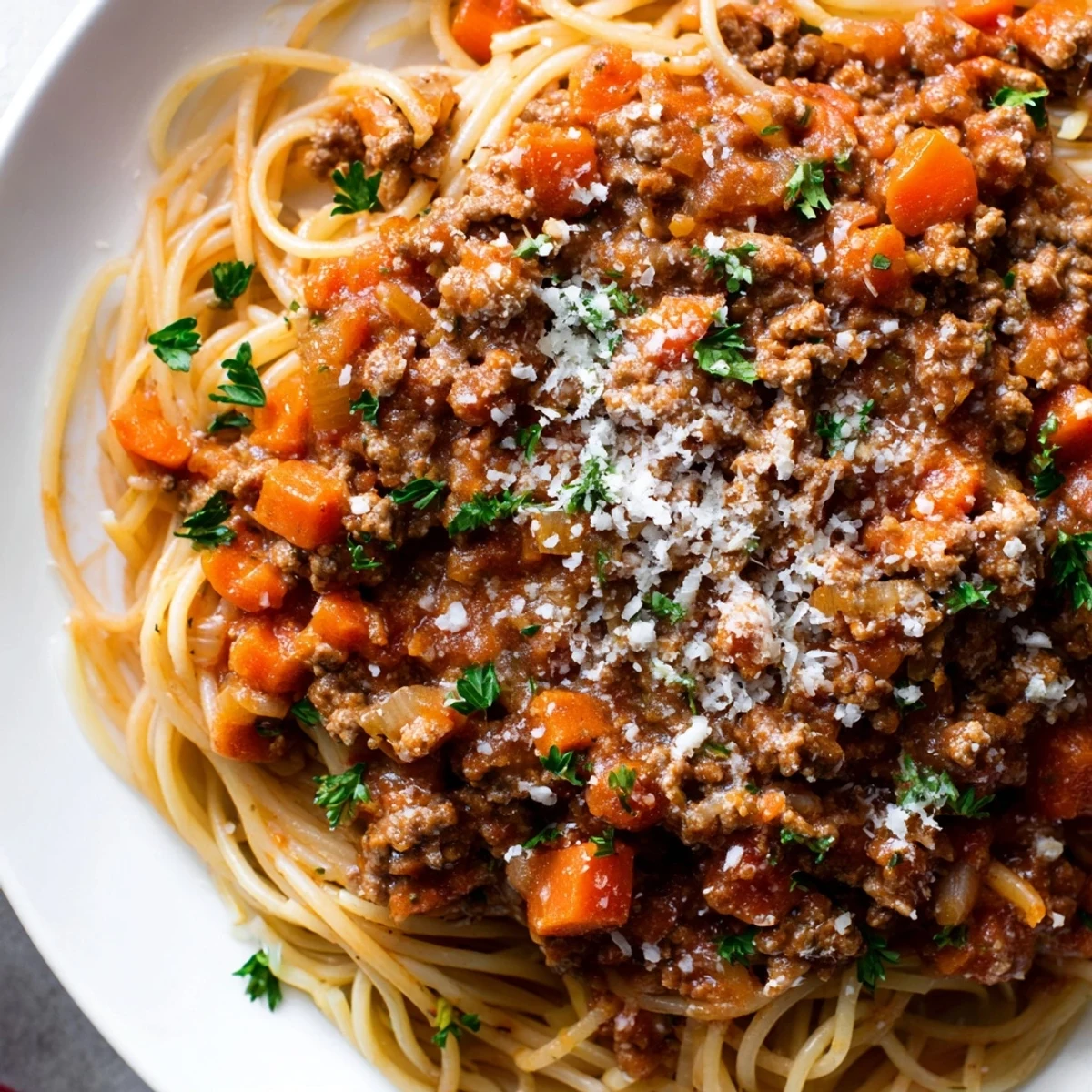
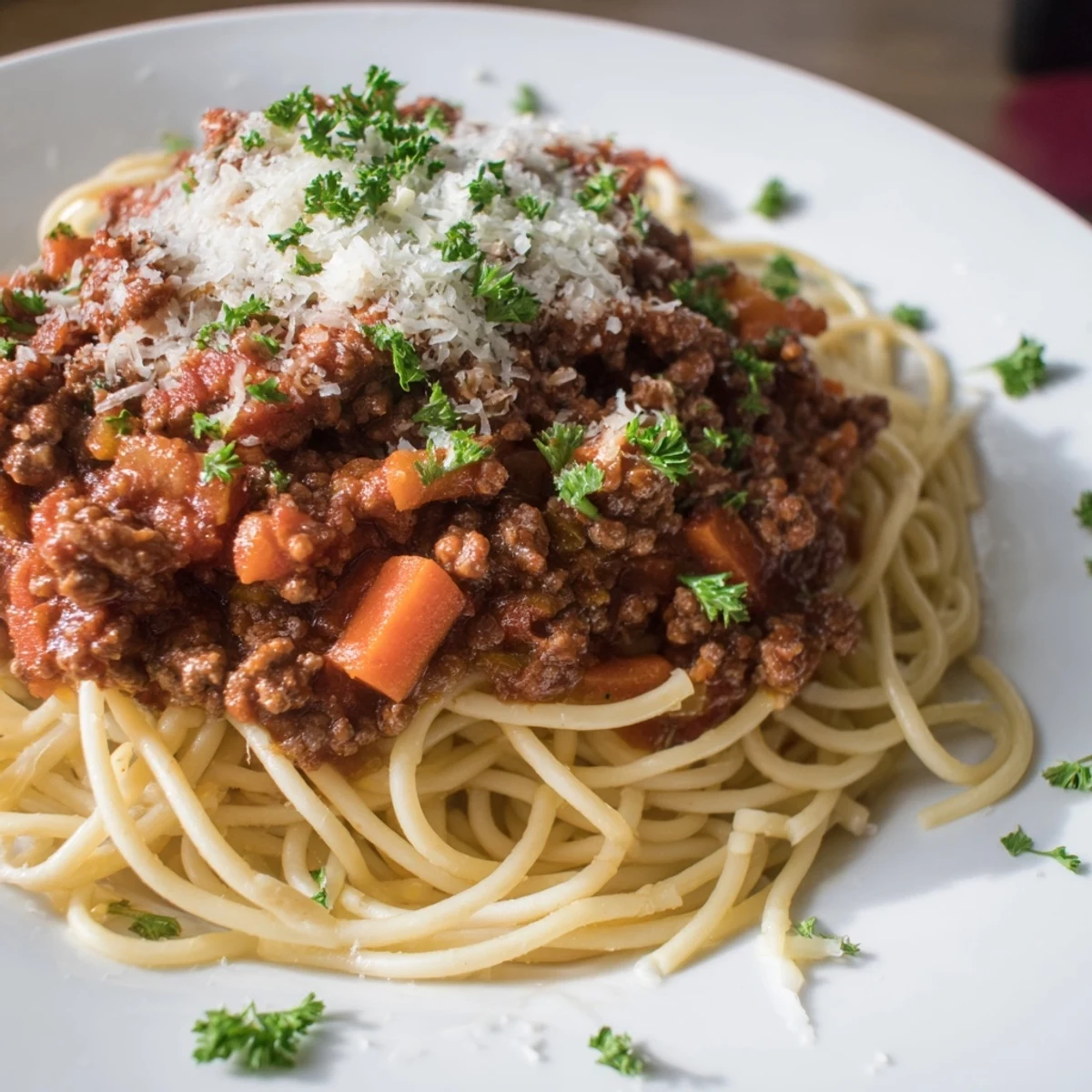
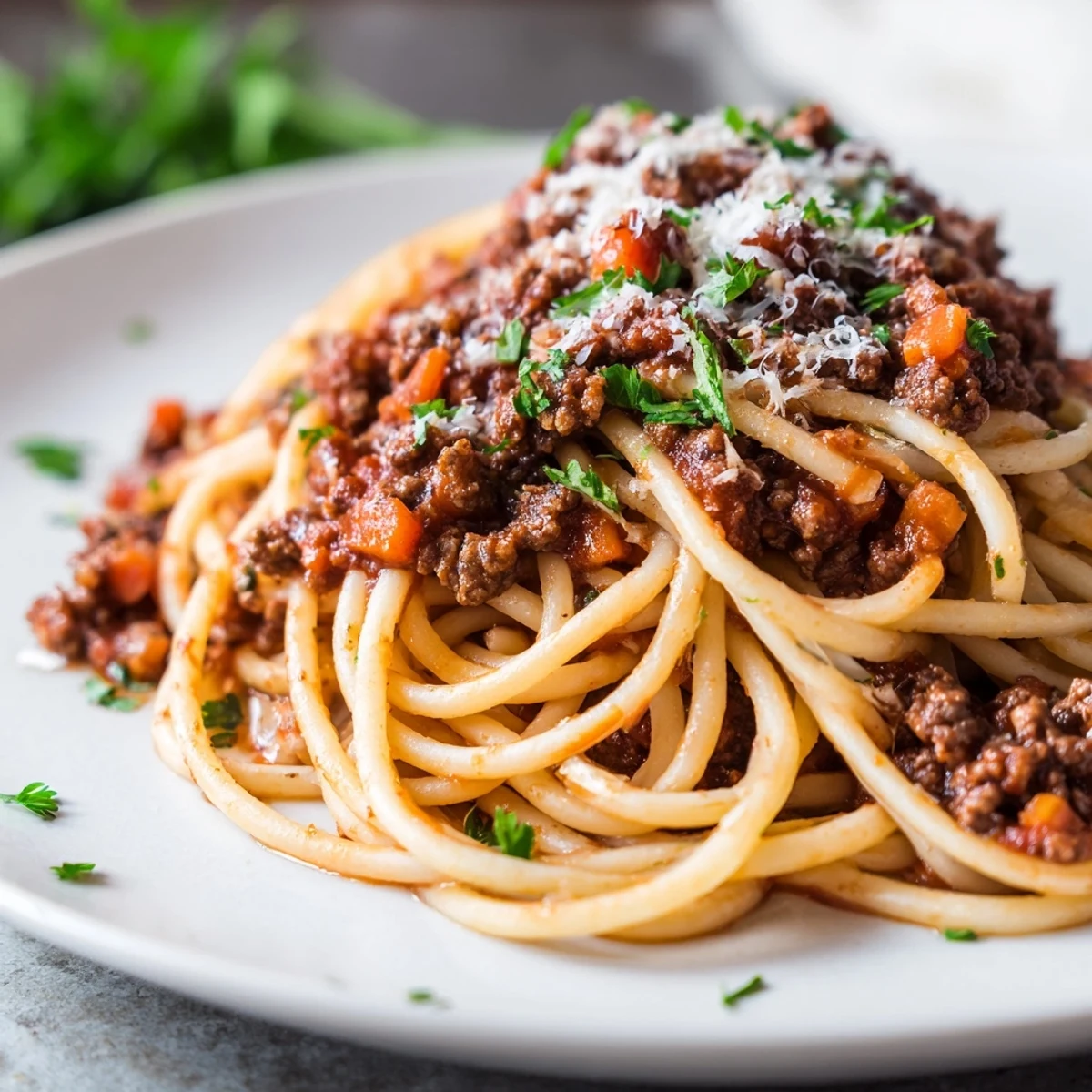
Save This Italian classic features a slow-simmered blend of ground beef, aromatic vegetables, and crushed tomatoes, enhanced by red wine and herbs. Vegetables like onion, carrot, celery, and garlic are sautéed to create a flavorful base, then combined with beef and simmered for over an hour to develop deep flavors. Milk is added toward the end for subtle creaminess. The spaghetti is cooked al dente, tossed with reserved pasta water and the sauce to perfectly coat each strand. Finished with Parmesan and fresh herbs, this dish offers a hearty, comforting experience perfect for a satisfying main course.
The tiny apartment kitchen in Milan was barely large enough to turn around, but my host grandmother stood at the stove with the quiet confidence of someone who had made this sauce a thousand times. When I asked about measurements, she laughed and pointed at her hand—a palmful of this, two fingers of that. That afternoon taught me more about patience and building layers of flavor than any cookbook ever could.
I brought this recipe to a friend's dinner party last winter. By the time the pasta hit the plates, conversations had stopped and everyone was just leaning over their bowls. Thats when you know a recipe has become part of your permanent rotation.
Ingredients
- 500 g ground beef (80/20 blend): The extra fat keeps everything rich and tender—lean beef makes for a sad sauce
- 1 medium onion, 2 carrots, 2 celery stalks: These three form the soffritto base, and taking time to dice them small pays off
- 3 cloves garlic, minced: Add this after the vegetables so it does not burn and turn bitter
- 125 ml dry red wine: Any drinkable red works, but save the expensive stuff for the glass
- 800 g canned crushed tomatoes: Quality matters here since tomatoes are the backbone
- 2 tbsp tomato paste: This concentrates the tomato flavor beautifully
- 125 ml whole milk: The secret ingredient that mellows the acidity and adds subtle richness
- 400 g dried spaghetti: Bronze-cut pasta holds the sauce better than smooth varieties
- 1 tsp dried oregano and basil: Dried herbs work better than fresh for long simmering
- Freshly grated Parmesan cheese: Save some for serving but also grate some directly into the sauce
Instructions
- Build Your Foundation:
- Heat olive oil in a large pot over medium heat. Add onion, carrot, and celery, sautéing for 7-8 minutes until soft and fragrant.
- Add the Aromatics:
- Stir in garlic and cook for just 1 minute until fragrant but not browned.
- Brown the Beef:
- Add ground beef, breaking it up with a wooden spoon. Cook for 6-8 minutes until fully browned.
- Deglaze the Pot:
- Pour in red wine, scraping up any browned bits from the bottom. Simmer 2-3 minutes until slightly reduced.
- Simmer Deep and Slow:
- Stir in tomato paste, crushed tomatoes, herbs, bay leaf, salt, and pepper. Partially cover and simmer 45 minutes, stirring occasionally.
- The Magic Touch:
- Stir in milk and simmer uncovered for 10 more minutes. Remove bay leaf and taste for seasoning adjustments.
- Cook the Pasta:
- Boil spaghetti in salted water until al dente. Reserve 1/4 cup pasta water before draining.
- Bring It Together:
- Add drained spaghetti to the sauce, tossing with reserved pasta water until every strand is coated.
 Save
Save My daughter now requests this for every birthday dinner. Watching her twirl spaghetti covered in sauce, I realize the recipe has become its own kind of heirloom.
The Sunday Sauce Secret
I have learned that this sauce actually tastes better made a day ahead. The flavors meld and develop in ways you cannot rush. Make it on Sunday and reheat gently for Monday dinner—the transformation is remarkable.
Finding Your Wine Balance
The red wine should contribute background brightness, not overwhelming acidity. I have used everything from Chianti to a basic table wine, and both work as long as you let it cook down properly before adding the tomatoes.
Mastering the Pasta Finish
That reserved pasta water is liquid gold. The starch helps the sauce cling to every strand of spaghetti. Do not skip this step—it is what makes restaurant pasta look so glossy and appealing.
- Toss the pasta in the sauce for a full minute so it really absorbs the flavor
- Always save more pasta water than you think you need
- Serve immediately while the pasta is at its perfect texture
 Save
Save There is something profoundly satisfying about a recipe that rewards patience with such depth of flavor. This is the kind of meal that makes people feel taken care of.
Recipe FAQs
- → How do I ensure the spaghetti is perfectly al dente?
-
Cook the spaghetti in plenty of salted boiling water according to package instructions, then drain when it still has a slight firmness to the bite. Reserving some pasta water helps adjust sauce consistency.
- → Can I substitute other meats in the sauce?
-
Yes, using pork or a pork-beef blend offers a richer flavor, while ground turkey provides a lighter option without sacrificing texture.
- → What role does the red wine play in the sauce?
-
Red wine adds depth and complexity, enhancing the savory flavors and helping tenderize the beef during simmering.
- → Why is milk added near the end of cooking?
-
Adding milk softens the acidity of tomatoes and enriches the sauce, providing a subtle creaminess without heaviness.
- → How should leftovers be stored for best quality?
-
Refrigerate leftovers in an airtight container for up to three days, or freeze the sauce separately to preserve flavors and texture.
- → What herbs complement this dish best?
-
Dried oregano, basil, and fresh parsley or basil at serving bring a bright, aromatic touch to balance the richness of the sauce.